Plant Scientist’s Guide to Mother-In-Law’s Tongue (Sansevieria trifasciata ‘Bantel’s Sensation’)
Sansevieria trifasciata, also popularly known as the mother-in-law’s tongue or snake plant, has been a favorite choice for indoor and outdoor plant enthusiasts for its remarkable adaptability and low maintenance requirements. The ‘Bantel’s Sensation’ variety, in particular, has gained widespread popularity for its striking appearance and air-purifying capabilities.
This comprehensive guide is designed to provide detailed insights into the care, cultivation, and maintenance of Sansevieria trifasciata ‘Bantel’s Sensation’, addressing all the essential aspects from cultural needs to common pest management. Whether you are a seasoned plant enthusiast or a beginner looking to add this exquisite plant to your collection, this guide will equip you with the knowledge to foster the optimal growth and well-being of this remarkable species.
What is Mother-In-Law’s Tongue (Sansevieria trifasciata ‘Bantel’s Sensation’)?
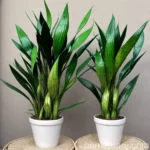
Sansevieria trifasciata, a member of the Asparagaceae family, is a perennial herbaceous plant native to tropical West Africa. The species is characterized by its distinctive upright leaves with a variety of patterns and colors, making it a sought-after ornamental plant. The ‘Bantel’s Sensation’ cultivar is a unique variant of Sansevieria trifasciata, celebrated for its strikingly variegated foliage with shades of green and silver.
The name “mother-in-law’s tongue” is derived from the plant’s sharp, pointed leaves, which resemble the sharp-tongued reputation associated with some mothers-in-law. The alternative name “snake plant” is a reference to the snake-like appearance of the leaves.
Key Takeaways – Mother-In-Law’s Tongue (Sansevieria trifasciata ‘Bantel’s Sensation’)
- The ‘Bantel’s Sensation’ variety features striking variegated foliage in shades of green and silver.
- Sansevieria trifasciata ‘Bantel’s Sensation’ is renowned for its air-purifying qualities, making it an ideal choice for indoor environments.
- This plant is well-suited to a low-maintenance lifestyle and can thrive in a variety of indoor and outdoor settings.
- The upright, architectural growth habit of the ‘Bantel’s Sensation’ makes it a visually appealing addition to modern interior design.
- Despite its tropical origins, Sansevieria trifasciata ‘Bantel’s Sensation’ is remarkably adaptable to different light, water, and soil conditions.
Culture
Cultural considerations are imperative for the successful growth and development of Sansevieria trifasciata ‘Bantel’s Sensation’. Understanding the plant’s cultural preferences is essential for creating an environment conducive to its well-being.
Uses
The multifaceted uses of mother-in-law’s tongue encompass both aesthetic and functional aspects. As an ornamental plant, it is a popular choice for interior decoration, contributing to the visual appeal of homes, offices, and various indoor spaces. Additionally, the air-purifying attributes of Sansevieria trifasciata ‘Bantel’s Sensation’ make it a valuable inclusion for enhancing indoor air quality. Its ability to filter toxins and release oxygen during the night makes it a preferred choice for bedrooms and living areas.
Water
Sansevieria trifasciata ‘Bantel’s Sensation’ is characterized by its tolerance to drought conditions, as it stores water in its leaves. Therefore, it is important to avoid over-watering, as this can lead to root rot and other complications. A well-draining soil mix is essential to prevent waterlogged conditions. Allow the soil to dry out between watering sessions and adjust the frequency based on environmental factors such as temperature and humidity.
Sunlight
This plant thrives in a wide range of light conditions, making it suitable for both brightly lit areas and spaces with low light. While it can endure low light situations, providing bright indirect light promotes optimal growth and maintains the variegated leaf coloration. However, it is important to avoid direct sunlight, especially during the peak hours of the day, to prevent leaf scorching.
Fertilizer
Fertilization requirements for Sansevieria trifasciata ‘Bantel’s Sensation’ are minimal, as the plant is known for its ability to thrive in nutrient-poor conditions. During the active growing season, which typically spans from spring to early fall, a balanced liquid fertilizer can be applied at half strength once a month. However, it is crucial to refrain from over-fertilizing, as this can lead to adverse effects on the plant’s health.
Soil
The choice of soil for Sansevieria trifasciata ‘Bantel’s Sensation’ is an influential factor in its overall well-being. A well-draining potting mix that allows excess water to flow through is essential to prevent waterlogged conditions. Combining cactus or succulent mix with regular potting soil in a 1:1 ratio is commonly recommended to achieve the ideal balance of drainage and moisture retention. Adding perlite or coarse sand to the mix can further enhance the soil’s aeration and drainage properties.
Pruning
Pruning requirements for mother-in-law’s tongue are minimal, primarily focused on the removal of damaged or yellowing leaves. Use clean, sharp scissors or pruning shears to make precise cuts near the base of the affected leaves to maintain the plant’s aesthetic appeal and prevent the spread of potential diseases.
Propagation
The propagation of Sansevieria trifasciata ‘Bantel’s Sensation’ can be accomplished through several methods, including leaf cuttings and division. Leaf cuttings involve carefully removing mature leaves and allowing them to dry before planting them in a suitable propagation medium. Division entails separating the plant into smaller sections, each containing roots and shoots, to establish new individual plants. Both methods require a well-draining propagation medium and consistent moisture to facilitate the development of new roots.
Container Popularity
The widespread popularity of Sansevieria trifasciata ‘Bantel’s Sensation’ as a container plant stems from its adaptability to various container sizes and styles. Its architectural growth habit and visually captivating foliage make it an attractive choice for modern interior design, where it can be showcased in decorative pots, planters, or hanging baskets. The versatility of this plant allows for creative placement in both indoor and outdoor settings, adding a touch of elegance to any space.
Container Common Diseases
While Sansevieria trifasciata ‘Bantel’s Sensation’ is generally resilient to most diseases, certain conditions can predispose it to issues such as root rot, fungal infections, and bacterial diseases. Over-watering and poorly draining soil are common factors contributing to the development of these diseases. Regularly inspecting the plant for any signs of discoloration, wilting, or unusual growth can aid in early disease detection and prompt intervention.
Disease Diagnosis
The diagnosis of diseases in Sansevieria trifasciata ‘Bantel’s Sensation’ involves a comprehensive assessment of the plant’s overall health, symptoms of discoloration, wilting, or abnormal growth, as well as an evaluation of its cultural conditions. By identifying the underlying cause of the plant’s declining health, whether it be over-watering, inadequate light, or soil issues, targeted interventions can be implemented to address the specific disease and prevent its recurrence.
Common Pests
Like any other plant, mother-in-law’s tongue is susceptible to pest infestations, with common pests including spider mites, mealybugs, and thrips. These pests can cause visible damage to the leaves and compromise the plant’s vitality if left unaddressed. Routine monitoring of the plant and prompt intervention upon detecting pests are crucial for mitigating their impact and preventing widespread infestations.
Botanist’s Tips
- Optimal Moisture Balance: Striking a balance between appropriate moisture levels and avoiding waterlogged conditions is key to the plant’s well-being.
- Regular Inspection: Consistently monitor the plant for any signs of diseases, pests, or cultural stress, allowing for timely intervention and resolution.
- Cultural Adaptability: Leverage the plant’s adaptability to various light, water, and soil conditions to integrate it seamlessly into different indoor and outdoor environments.
- Minimalist Maintenance: Embrace the low-maintenance nature of Sansevieria trifasciata ‘Bantel’s Sensation’ by providing consistent care without the need for overly intricate practices.
Fun Facts
- Sansevieria trifasciata ‘Bantel’s Sensation’ is known for its ability to convert carbon dioxide into oxygen at night, making it an ideal bedroom companion for improved air quality.
- The plant’s striking variegation is not merely decorative; it serves as a survival mechanism to adapt to varying light conditions in its natural habitat.
- In some cultures, the mother-in-law’s tongue is believed to bring good luck and prosperity to the household, adding a symbolic significance to its presence in homes.
Links to External Resources
For further insights and resources on Sansevieria trifasciata ‘Bantel’s Sensation’ care and cultivation, consider exploring the following links:
- Sansevieria Trifasciata: The Complete Care Guide
- How to Grow and Care for Sansevieria
- Snake Plant (Sansevieria Trifasciata): Care and Growing Guide
- Sansevieria trifasciata ‘Bantel’s Sensation’ – National Gardening Association
This comprehensive guide provides a robust framework for understanding the intricacies of Sansevieria trifasciata ‘Bantel’s Sensation’ care and maintenance, catering to the diverse needs of plant enthusiasts and horticultural professionals alike. By incorporating these insights into your plant care regimen, you can foster the vibrancy and longevity of ‘Bantel’s Sensation’, ensuring its ongoing contribution to both your indoor ambiance and your overall well-being.