African Violet (Saintpaulia Ionantha)
We am excited to share with you the wonders of the African violet, scientifically known as Saintpaulia ionantha. These beautiful plants are adored for.
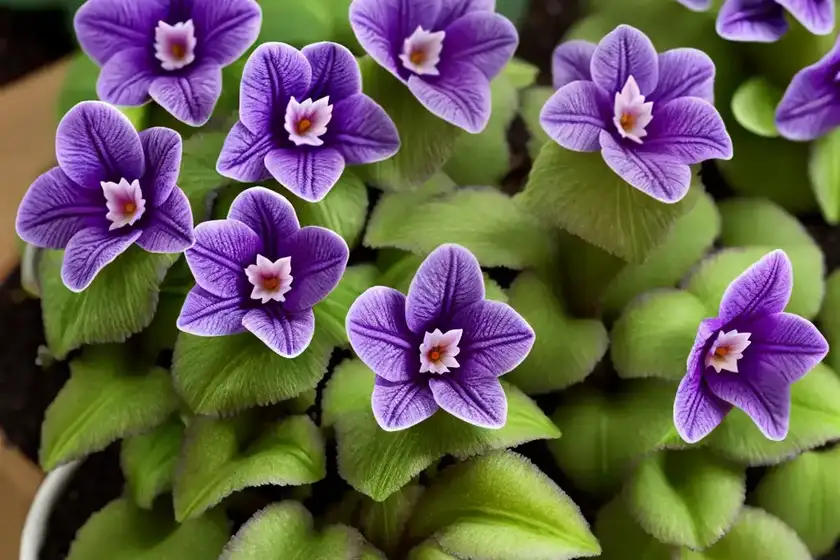
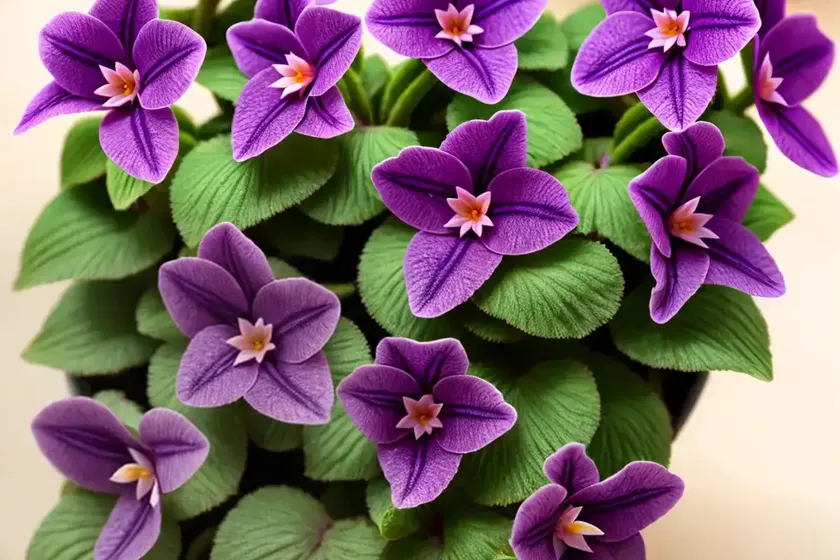
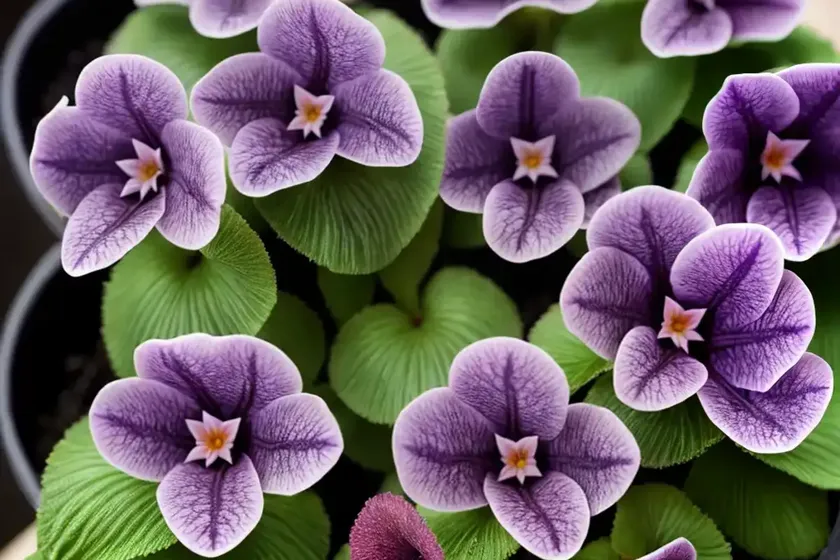
We am excited to share with you the wonders of the African violet, scientifically known as Saintpaulia ionantha. These beautiful plants are adored for their vibrant blooms and lush foliage, making them a popular choice for indoor gardening. In this comprehensive guide, we will explore the cultural aspects, uses, care requirements, propagation methods, and common issues associated with African violets. Whether you’re a seasoned plant enthusiast or a beginner looking to cultivate these stunning plants, this article will provide you with all the essential information you need to ensure the health and vitality of your African violets.
What is African Violet (Saintpaulia ionantha)?
Native to Tanzania and Eastern Africa, African violets are perennial flowering plants that belong to the Gesneriaceae family. They are cherished for their delicate, fuzzy leaves and a profusion of colorful flowers that can range from purple, blue, and pink to white. The name “African violet” is a collective term for several species within the Saintpaulia genus, with S. ionantha being the most commonly cultivated variety.
These charming plants are well-suited for indoor environments, thriving in containers and providing an endless array of blossoms throughout the year. With proper care and attention, African violets can grace your home with their beauty for many years to come.
Key Takeaways – African Violet (Saintpaulia ionantha)
Before we delve into the specific care and cultivation requirements of African violets, let’s highlight some key takeaways that will guide our discussion. Understanding these fundamental aspects will set the stage for successfully nurturing these exquisite plants:
Culture
- African violets are commonly grown as houseplants due to their compact size and stunning blooms.
- They thrive in environments with stable temperatures and moderate humidity, making them ideal for indoor cultivation.
- The species has a rich diversity of flower colors, leaf shapes, and growth patterns, allowing for a wide range of decorative possibilities.
Uses
- African violets are primarily cultivated for ornamental purposes, serving as delightful indoor decorations and mood-enhancing elements.
- Their vibrant flowers and lush foliage make them popular choices for adding color and elegance to homes, offices, and indoor spaces.
Water
- Regular, consistent watering is vital for the health of African violets, as they are susceptible to both overwatering and underwatering.
- Watering from the bottom, using a tray filled with water, is a preferred method to avoid wetting the foliage and causing leaf spotting.
Sunlight
- Indirect, bright light is essential for African violets, as they thrive in moderate to high light conditions but are sensitive to direct sunlight, which can cause leaf burn.
Fertilizer
- African violets benefit from regular fertilization with a balanced, water-soluble fertilizer to support healthy growth and profuse blooming throughout the year.
Soil
- A well-draining, porous potting mix with high organic content is essential for African violets, ensuring adequate aeration and moisture retention without becoming waterlogged.
Pruning
- Regular removal of spent blooms and yellowing leaves promotes the overall health and appearance of African violets, encouraging new growth and continual flowering.
Propagation
- African violets can be propagated through methods such as leaf cuttings and division, allowing for the expansion of your collection or the sharing of plants with fellow enthusiasts.
Container
- Suitable pots and containers with drainage holes are crucial for African violets, providing adequate air circulation and preventing waterlogging of the roots.
Popularity
- African violets have captured the hearts of plant enthusiasts worldwide, leading to dedicated societies, clubs, and exhibitions celebrating the beauty and diversity of these cherished plants.
Common Diseases
- African violets are susceptible to a range of fungal diseases, including powdery mildew and botrytis, which can be managed through proper cultural practices and precautionary measures.
Common Pests
- Pests such as spider mites, thrips, and mealybugs can afflict African violets, necessitating vigilant monitoring and prompt intervention to prevent infestations.
Now that we’ve outlined the fundamental aspects of African violet culture and care, let’s delve deeper into each of these topics to ensure that you have the knowledge and confidence to cultivate and enjoy these enchanting plants to the fullest.
African Violet (Saintpaulia ionantha) Care Guide
Water
Proper watering is fundamental to the health and vitality of African violets, as these plants are highly sensitive to both overwatering and underwatering. Maintaining consistent soil moisture without allowing the roots to become waterlogged is essential for the well-being of these plants.
Watering Tips:
- Water African violets when the top inch of the soil feels dry to the touch, ensuring that the entire root ball is moistened.
- Use room temperature water to prevent shocking the plants and avoid wetting the foliage, which can lead to leaf spotting and fungal issues.
- The bottom watering method is recommended for African violets, where the pots are placed in trays filled with water to allow the roots to absorb moisture from the bottom up. After about 30 minutes, empty any excess water from the trays to prevent waterlogging.
Sunlight
African violets thrive in bright, indirect light, making them well-suited for indoor environments with moderate to high levels of natural or artificial illumination. While they require ample light for healthy growth and prolific blooming, direct sunlight should be avoided, as it can cause damage to the leaves and flowers.
Sunlight Requirements:
- Place African violets near windows with sheer curtains or in well-lit areas with filtered light to provide the optimal balance of illumination without exposing them to direct sunbeams.
- Rotate the pots regularly to ensure even exposure to light and prevent the plants from leaning towards the light source, promoting balanced growth and symmetry.
Fertilizer
Regular fertilization is crucial for promoting robust growth and continuous blooming in African violets. A balanced, water-soluble fertilizer formulated specifically for flowering houseplants can provide the essential nutrients these plants need to thrive.
Fertilizing Guidelines:
- Apply a diluted, well-balanced fertilizer with an N-P-K ratio of approximately 20-20-20 or 12-36-14 every 2-4 weeks during the growing season (spring through fall) to support healthy foliage and abundant flower production.
- Avoid excessive fertilization, as this can lead to salt buildup in the soil, causing root damage and hindered growth. Always follow the recommended dosage on the fertilizer label.
Soil
The choice of potting mix is critical for the well-being of African violets, as they require a well-draining, airy substrate that provides ample room for root development while retaining sufficient moisture.
Potting Mix recommendations:
- Use a commercial African violet mix or create a custom blend consisting of peat moss, perlite, and vermiculite to ensure proper aeration and moisture retention.
- Incorporate a small amount of horticultural charcoal into the potting mix to enhance soil drainage and prevent the occurrence of root rot and fungal diseases.
Pruning
Regular pruning and grooming of African violets are essential for maintaining their compact, bushy form and continuous flowering. Removing spent blooms and yellowing leaves not only enhances the plant’s appearance but also redirects its energy towards producing new growth and blossoms.
Pruning Techniques:
- Use clean, sharp scissors or pruning shears to trim off faded flowers and discolored or damaged leaves, cutting them at the base where they meet the main stem.
- Avoid cutting into the central growing point, or crown, as this can inhibit new growth and lead to stunted development.
Propagation
African violets can be readily propagated through leaf cuttings, allowing you to create new plants from your existing collection or share your favorites with friends and family. Leaf propagation is a simple and rewarding method that can yield healthy, genetically identical offspring.
Leaf Propagation Steps:
- Select a healthy, mature leaf from the parent plant, ensuring that it is free from blemishes or signs of disease. Gently twist the leaf from the stem, leaving a clean petiole intact.
- Insert the petiole into a small container filled with moist, well-draining rooting medium, such as a mix of perlite and peat moss. Cover the container with a clear plastic dome or bag to maintain high humidity and place it in a warm, bright location out of direct sunlight.
- After a few weeks, new plantlets will emerge from the base of the leaf, indicating successful rooting and the initiation of new growth. Once the plantlets have developed several sets of true leaves, they can be transplanted into individual pots and cared for like mature African violets.
Container
Choosing the right container is crucial for the well-being of African violets, as it directly impacts their root health, moisture retention, and overall growth. Opt for pots that provide adequate drainage and ample space for the roots to spread and develop.
Container Recommendations:
- Select pots made of plastic, ceramic, or clay, ensuring that they have drainage holes at the bottom to allow excess water to escape freely.
- Avoid using excessively large pots, as this can lead to oversaturated soil and hindered root development. Opt for containers that are approximately one-third the size of the plant’s foliage spread.
Popularity
The popularity of African violets has endured for decades, captivating plant enthusiasts with their diverse colors, patterns, and ease of cultivation. Their enchanting blooms and vibrant foliage have earned them a dedicated following and numerous accolades within the realm of indoor gardening.
Cultural Impact:
- African violets have inspired an array of specialized societies, clubs, and events, uniting enthusiasts and providing platforms for showcasing the beauty and diversity of these charming plants.
- Several cultivars and hybrids of African violets have been developed, encompassing an array of flower colors, shapes, and growth habits to cater to a wide spectrum of aesthetic preferences.
Common Diseases
African violets are susceptible to fungal diseases such as powdery mildew and botrytis, which can develop in conditions of high humidity, poor air circulation, or overwatering. Identifying and addressing these issues promptly is crucial for preventing the spread of disease and preserving the health of the plants.
Disease Management:
- Maintain adequate spacing between plants and ensure good air circulation to minimize humidity levels and inhibit the development of fungal pathogens.
- Remove any affected leaves or flowers and promptly dispose of them to prevent the spread of spores. Consider using a fungicidal spray formulated for ornamental plants to control the onset of fungal diseases.
Common Pests
African violets are susceptible to attacks from various pests, including spider mites, thrips, and mealybugs, which can cause damage to the leaves, flowers, and overall health of the plants. Regular monitoring and preventive measures are essential for keeping pest infestations at bay.
Pest Control Measures:
- Inspect the foliage and stems of African violets regularly for signs of pest activity, including stippling, webbing, or sticky honeydew.
- If pests are detected, isolate the affected plants and consider using natural remedies such as neem oil or insecticidal soap to eliminate the infestation while minimizing harm to beneficial insects and the environment.
Now that we’ve covered the essential aspects of African violet care, let’s explore some additional insights, fun facts, and expert tips that will further enrich your experience with these captivating plants.
Botanist’s Tips
As an experienced plant scientist, I’ve gathered a wealth of knowledge and insights into the care and cultivation of African violets. Here are some additional tips to help you excel in nurturing these delightful plants:
-
Leaf Grooming: Gently wipe the leaves of African violets with a soft, damp cloth to remove dust and maintain their vibrant appearance. This also enables the leaves to effectively absorb light for optimal photosynthesis.
-
Humidity Control: Consider using a small, decorative humidifier or grouping plants together to create a localized microclimate with higher humidity, which can benefit African violets, especially in dry indoor environments.
-
Temperature Regulation: Avoid exposing African violets to sudden temperature fluctuations, drafts, or cold air, as they prefer stable, moderate temperatures between 65-75°F (18-24°C) to thrive and bloom consistently.
-
Eligible Water: If your tap water contains high levels of chlorine or fluoride, consider using filtered or distilled water to prevent the accumulation of harmful chemicals in the soil and potential damage to the plants.
-
Leaf Shape Variation: Explore the wide array of leaf shapes and variegation patterns available in African violet cultivars, which can significantly contribute to the overall aesthetic appeal of your collection.
Fun Facts
Delving into the world of African violets reveals a treasure trove of fascinating facts and trivia that shed light on the unique qualities and allure of these beloved plants:
-
In 1892, Baron Walter von Saint Paul-Illaire discovered the first species of African violet in Tanzania and famously sent seeds back to his father in Germany, leading to the popularization and cultivation of these plants in Europe.
-
While African violets are commonly associated with shades of purple and violet, they are also available in an extensive range of colors, including pink, red, blue, and white, as well as captivating patterns and multicolored blooms.
-
The African Violet Society of America, founded in 1946, is one of the oldest specialized plant societies in the United States, dedicated to promoting the appreciation and cultivation of African violets.
-
African violets have the ability to bloom continuously throughout the year under favorable conditions, providing a consistent display of colorful flowers and brightening indoor spaces with their enduring beauty.
Links to External Resources
To further expand your knowledge and access additional information about African violets, I recommend exploring the following reputable sources and resources:
-
African Violet Society of America: The official website of the African Violet Society of America provides a wealth of resources, articles, and community forums dedicated to African violets.
-
The Gesneriad Society: As a global organization focused on gesneriads, including African violets, the Gesneriad Society offers valuable insights, publications, and educational materials for enthusiasts.
-
University of Vermont Extension – African Violet Care Guide: This comprehensive guide provides detailed care instructions, troubleshooting tips, and essential advice for growing healthy and vibrant African violets.
-
The African Violet Magazine: Access a wealth of articles, features, and cultivation tips from the official publication of the African Violet Society of America to enrich your knowledge and appreciation of African violets.
In conclusion, African violets, with their captivating blooms and luxurious foliage, stand as timeless favorites in the realm of indoor gardening. By understanding their cultural needs, implementing proper care practices, and enjoying the journey of nurturing these charming plants, you can experience the enduring beauty and enchantment that African violets bring to our homes and hearts.
As you embark on your journey with African violets, may you be inspired by their resilience, delighted by their blossoms, and enriched by the rewarding experience of cultivating these botanical treasures. Happy gardening!
Keywords: Saintpaulia ionantha care, African violet growing tips, Saintpaulia ionantha plant care, African violet care instructions, Saintpaulia ionantha varieties, African violet care tips, Saintpaulia ionantha propagation, African violet plant care, Saintpaulia ionantha potting soil, African violet watering tips, Saintpaulia ionantha sunlight requirements, African violet fertilizer needs, Saintpaulia ionantha pests and diseases, African violet light requirements, Saintpaulia ionantha indoor gardening, African violet container gardening, Saintpaulia ionantha bloom time, African violet flower colors, Saintpaulia ionantha leaf shape, African violet plant propagation, Saintpaulia ionantha plant facts, African violet repotting guide, Saintpaulia ionantha temperature requirements, African violet pruning techniques, Saintpaulia ionantha humidity levels, African violet soil moisture, Saintpaulia ionantha water drainage, African violet root rot prevention, Saintpaulia ionantha air circulation, African violet care for beginners, Saintpaulia ionantha common problems, African violet pest control, Saintpaulia ionantha pot size, African violet indoor care, Saintpaulia ionantha flower maintenance, African violet leaf propagation, Saintpaulia ionantha foliage care, African violet light placement, Saintpaulia ionantha repotting frequency, African violet temperature tolerance, Saintpaulia ionantha water schedule, African violet humidity preferences, Saintpaulia ionantha blooming season, African violet color variations, Saintpaulia ionantha leaf discoloration, African violet fertilizer dosage, Saintpaulia ionantha propagation methods, African violet pest identification, Saintpaulia ionantha root system, African violet disease prevention