Scilla Bifolia (Alpine Squill)
Plants play an essential role in enriching the environment and our lives. From enhancing the aesthetic appeal of our surroundings to providing numerous.
Plants play an essential role in enriching the environment and our lives. From enhancing the aesthetic appeal of our surroundings to providing numerous environmental benefits, plants are an integral part of the natural world. One such plant that has garnered attention due to its beauty and versatility is the Scilla bifolia, commonly known as Alpine Squill. In this comprehensive guide, we will delve into the various aspects of Scilla bifolia, including its culture, uses, care requirements, and much more. Whether you are a seasoned gardener or just beginning to explore the world of plants, this guide will provide valuable insights into the fascinating world of Scilla bifolia.
What is Scilla bifolia?
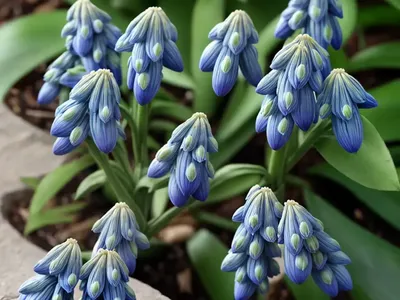
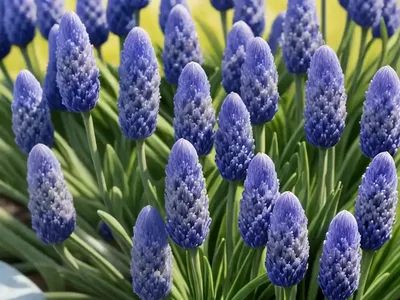
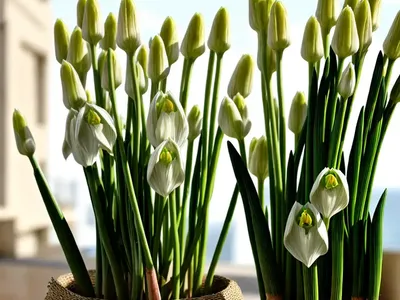
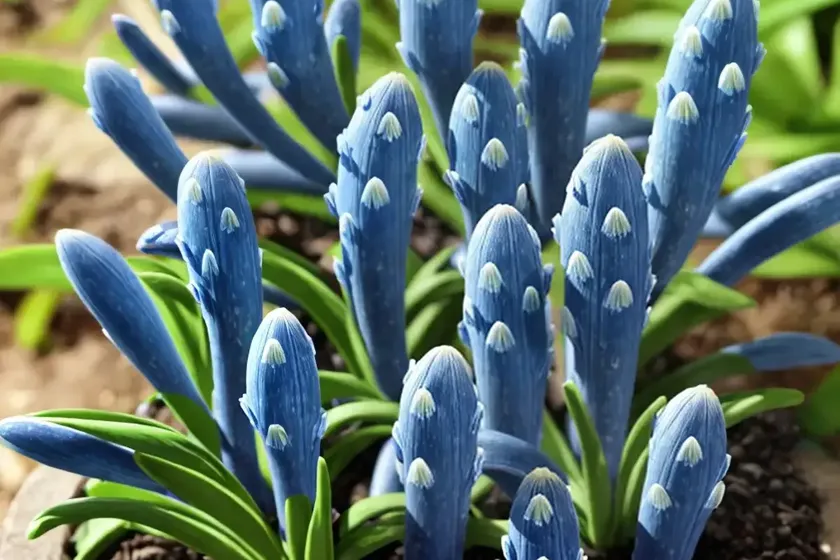
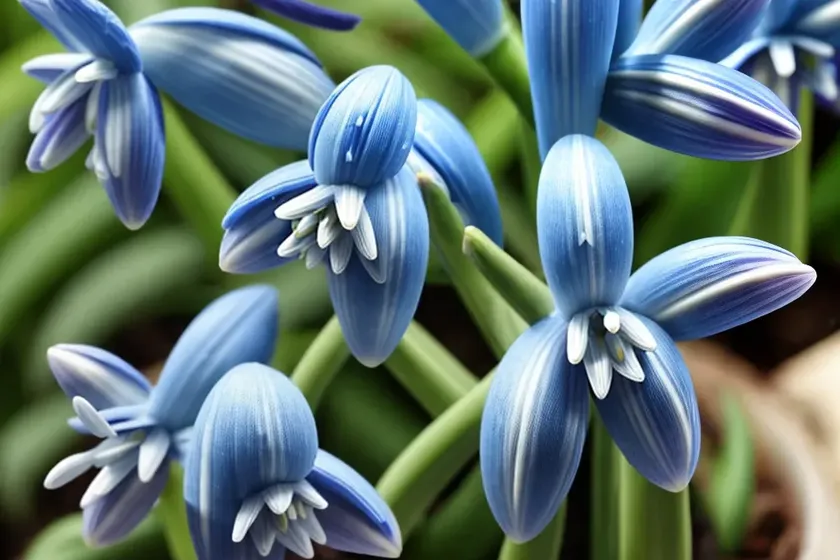
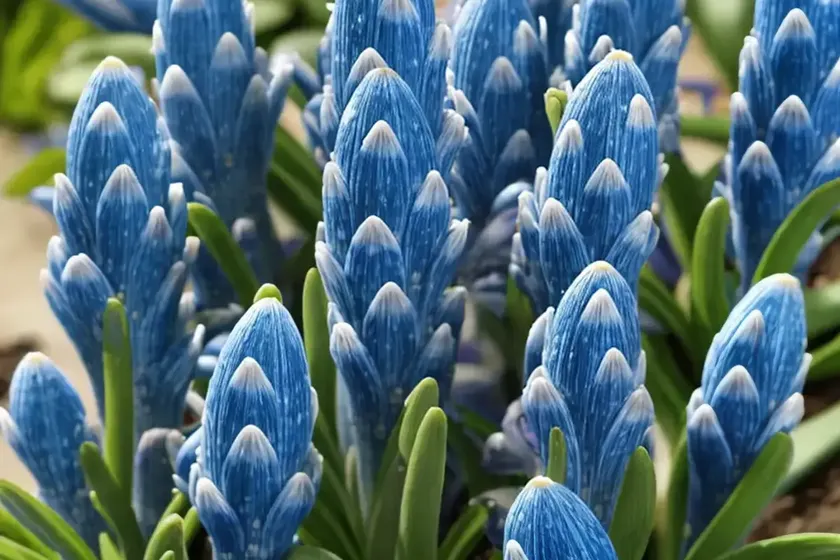
Scilla bifolia, or Alpine Squill, is a charming perennial bulbous plant that belongs to the Asparagaceae family. This plant is native to Europe and is known for its stunning blooms and adaptability to various growing conditions. It is characterized by its delicate, bell-shaped flowers that can range in color from pale blue to deep violet. The foliage consists of strap-like leaves that add to the plant’s visual appeal. With the right care and cultivation, Scilla bifolia can thrive in gardens, landscapes, and even containers, making it a versatile and popular choice among gardening enthusiasts.
Key Takeaways – Scilla bifolia (Alpine Squill)
Before diving into the specific care requirements and uses of Scilla bifolia, let’s take a closer look at the key takeaways associated with this captivating plant:
- Scientific Name: Scilla bifolia
- Family: Asparagaceae
- Common Name: Alpine Squill
- Plant Type: Perennial bulbous plant
- Flower Characteristics: Bell-shaped flowers in shades of blue and violet
- Foliage: Strap-like leaves
- Adaptability: Well-suited for gardens, landscapes, and containers
- Native Habitat: Indigenous to Europe
Now that we have an overview of Scilla bifolia, let’s explore its culture, uses, and care requirements in detail.
Culture of Scilla bifolia
The culture of a plant encompasses various aspects of its growth and requirements. Understanding the cultural needs of Scilla bifolia is essential for ensuring its health and vitality. From soil conditions to sunlight exposure, each element contributes to the overall well-being of the plant.
Water
Scilla bifolia thrives in well-draining soil and requires moderate moisture levels. During the growing season, it is important to ensure that the soil is consistently moist but not waterlogged. Adequate watering is essential for the development of healthy foliage and vibrant blooms. However, it’s crucial to avoid overwatering, as it can lead to root rot and other problems.
Sunlight
When it comes to sunlight, Scilla bifolia performs best in partial shade to full sun. In regions with hot climates, providing some protection from the intense midday sun can benefit the plant. Finding the right balance of sunlight exposure is key to promoting robust growth and abundant flowering.
Fertilizer
While Scilla bifolia is relatively low-maintenance, providing a balanced fertilizer during the active growing period can enhance its performance. A slow-release fertilizer rich in nutrients such as nitrogen, phosphorus, and potassium can support the plant’s growth and flowering. Care should be taken to follow the recommended application rates to prevent over-fertilization.
Soil
The soil requirements of Scilla bifolia are fairly straightforward. It thrives in well-draining, loamy soil with a slightly acidic to neutral pH. Amending the soil with organic matter such as compost or leaf mold can improve its texture and fertility. Good soil preparation is essential before planting the bulbs to ensure optimal conditions for root establishment and growth.
Uses of Scilla bifolia
Scilla bifolia offers a myriad of uses, making it a versatile addition to gardens and landscapes. Whether you are looking to enhance the visual appeal of your outdoor spaces or seeking a plant with medicinal or historical significance, Alpine Squill has much to offer.
Garden Design
When incorporated into garden beds, borders, or woodland settings, Scilla bifolia adds a delightful touch of color and elegance. Its graceful flowers and foliage make it a desirable choice for creating enchanting spring displays. Additionally, pairing it with other early-blooming perennials can result in captivating garden compositions.
Naturalizing
One of the notable uses of Scilla bifolia is its ability to naturalize in suitable environments. When planted in optimal conditions, this plant can multiply and form charming colonies, creating a naturalistic and effortlessly beautiful landscape. Naturalizing Alpine Squill is a popular practice among gardeners aiming to establish vibrant spring displays that return year after year.
Medicinal Properties
Beyond its ornamental value, Scilla bifolia has historical significance due to its medicinal properties. The plant contains compounds that have been traditionally used for various medicinal purposes. While the use of its active constituents requires caution and expertise, it highlights the multifaceted nature of this enchanting plant.
Pruning Scilla bifolia
Pruning is an essential aspect of plant care, and Scilla bifolia is no exception. Proper pruning can help enhance the plant’s appearance, maintain its health, and promote blooming. However, it’s important to approach pruning with care, taking into account the specific requirements of Alpine Squill.
Deadheading
Removing spent flowers, a practice known as deadheading, can prolong the blooming period of Scilla bifolia. By preventing the production of seeds, deadheading encourages the plant to invest its energy into developing strong bulbs and foliage, leading to improved flowering in subsequent seasons.
Foliage Maintenance
After the blooming period, the foliage of Scilla bifolia should be allowed to remain until it naturally withers and yellows. During this time, the foliage continues to photosynthesize, allowing the bulbs to store energy for the following year’s growth. Once the foliage has completely faded, it can be trimmed back to ground level.
Propagation of Scilla bifolia
The propagation of Scilla bifolia allows gardeners to expand their plantings and share the beauty of Alpine Squill with others. Understanding the methods of propagation is essential for ensuring successful reproduction and establishment of new plants.
Division
Dividing established clumps of Scilla bifolia is a common method of propagation. This process involves carefully lifting the bulbs from the ground and separating them into smaller sections, each with viable roots and growing points. These divisions can then be replanted in suitable locations to establish new colonies of exquisite blooms.
Seed Propagation
While division is the primary method of propagation for Scilla bifolia, it is possible to grow new plants from seeds. Collecting mature seeds and sowing them in well-prepared soil can result in the emergence of seedlings. However, this method requires patience as it may take several years for the seedlings to mature and begin flowering.
Container Cultivation of Scilla bifolia
In addition to being an excellent choice for garden and landscape plantings, Scilla bifolia can thrive in containers. The compact size and charming appearance of Alpine Squill make it well-suited for container cultivation, allowing individuals with limited space to enjoy its beauty.
Container Selection
When selecting containers for growing Scilla bifolia, it is important to choose ones that provide adequate drainage and space for the bulbs to develop. Consideration should also be given to the aesthetic appeal of the containers, as they contribute to the overall visual impact of the plantings.
Potting Mix
Using a well-draining potting mix is essential for container cultivation of Scilla bifolia. A mixture that combines components such as peat moss, perlite, and compost can provide the necessary balance of moisture retention and aeration. Additionally, incorporating a slow-release fertilizer into the potting mix can supply essential nutrients to the bulbs over an extended period.
Care Requirements
While the basic care requirements for container-grown Scilla bifolia are similar to those for plants in the ground, additional attention may be needed due to the specific conditions of container cultivation. Regular monitoring of moisture levels, sunlight exposure, and fertilization is crucial for ensuring the health and vigor of the plants.
Popularity of Scilla bifolia
The popularity of Scilla bifolia stems from its captivating aesthetic qualities, adaptability, and ease of cultivation. As more gardeners and landscape enthusiasts discover the charm of Alpine Squill, its presence in horticultural settings continues to grow.
Gardeners’ Choice
Gardeners are drawn to the beauty of Scilla bifolia, finding inspiration in its delicate flowers and graceful form. The plant’s ability to naturalize and thrive in diverse environments makes it an appealing choice for creating enchanting displays and enhancing the visual appeal of outdoor spaces.
Landscaping Trend
In landscape design, the versatility of Scilla bifolia is recognized and valued. Whether used in mass plantings, mixed borders, or rock gardens, its contribution to the early spring landscape is both striking and enduring. The increasing trend of incorporating native and adaptable plants further elevates the popularity of this charming species.
Container Gardening Appeal
With the rise in container gardening, Scilla bifolia has gained attention as a desirable plant for potted arrangements and balcony gardens. Its ability to bring a splash of color and elegance to compact spaces has contributed to its increasing popularity among urban and small-space gardeners.
Common Diseases of Scilla bifolia
Like any other plant, Scilla bifolia is susceptible to certain diseases and disorders that can impact its growth and overall health. Recognizing the symptoms of common diseases is essential for implementing timely and effective management strategies.
Botrytis Blight
Botrytis blight, caused by the fungus Botrytis spp., can affect the foliage and flowers of Scilla bifolia. This disease manifests as brown spots on the leaves and flowers, often accompanied by a fuzzy gray growth. To manage Botrytis blight, it is important to improve air circulation, avoid overhead watering, and remove infected plant parts.
Bulb Rot
Bulb rot, often caused by excessive soil moisture and poor drainage, can lead to the deterioration of Scilla bifolia bulbs. Affected bulbs may exhibit soft, mushy areas and a foul odor. To prevent bulb rot, it is crucial to plant bulbs in well-draining soil and avoid overwatering.
Viral Diseases
Several viral diseases can affect Scilla bifolia, resulting in symptoms such as mottled or distorted foliage, stunted growth, and weakened overall vigor. These diseases are often spread by pests and can be challenging to manage. Preventing the introduction and spread of viruses through proper sanitation and pest control is crucial for reducing the risk of viral infections.
Disease Diagnosis and Management
Diagnosing and managing diseases in Scilla bifolia requires attentiveness and proactive measures. By identifying the signs of common diseases and implementing appropriate strategies, gardeners can protect and preserve the health of their plants.
Monitoring
Regular monitoring of Scilla bifolia plants is essential for detecting any signs of disease at an early stage. Inspecting the foliage, flowers, and bulbs for unusual spots, discoloration, or other abnormalities can help in identifying potential issues before they escalate.
Cultural Practices
Implementing cultural practices that promote good plant health is an effective way to reduce the incidence of diseases in Scilla bifolia. This includes providing the appropriate growing conditions, such as well-draining soil, proper irrigation, and adequate sunlight. Additionally, practicing good sanitation by removing any diseased plant material can help prevent the spread of pathogens.
Integrated Pest and Disease Management
Incorporating integrated pest and disease management techniques can aid in preventing and managing diseases in Scilla bifolia. This approach involves using a combination of cultural, physical, and biological control methods, along with judicious use of low-impact pesticides when necessary. By taking a holistic and environmentally responsible approach, gardeners can maintain the health and vitality of their plants.
Common Pests Affecting Scilla bifolia
In addition to diseases, Scilla bifolia may also be susceptible to pests that can negatively impact its growth and appearance. Identifying common pests and understanding their life cycles is crucial for implementing effective pest management strategies.
Slugs and Snails
Slugs and snails are common pests that can feed on the foliage and flowers of Scilla bifolia, causing extensive damage. Their presence is often indicated by characteristic silvery trails and irregular holes in the leaves. To control slugs and snails, various methods such as handpicking, barriers, and natural predators can be employed.
Bulb-Attacking Insects
Certain insects, such as bulb mites and larvae of bulb flies, can infest the bulbs of Scilla bifolia, leading to damage and deterioration. Infested bulbs may show signs of shriveling, decay, or visible feeding damage. Inspecting bulbs before planting and using pest-resistant varieties can help in preventing infestations.
Aphids
Aphids, small soft-bodied insects, can cluster on the foliage and stems of Scilla bifolia, feeding on plant sap and potentially transmitting viral diseases. Their presence may result in distorted growth and weakened plant vigor. Natural predators, physical removal, or the use of insecticidal soaps can aid in controlling aphid populations.
Botanist’s Tips for Growing Scilla bifolia
Obtaining insights and recommendations from experienced botanists can provide valuable guidance for successfully growing Scilla bifolia. These tips encompass various aspects of plant care and cultivation, offering practical advice for enthusiasts and horticultural professionals.
Planting Depth
When planting Scilla bifolia bulbs, it is important to adhere to the recommended planting depth. Generally, bulbs should be planted at a depth that is three times their diameter. Proper planting depth ensures that the bulbs are adequately protected and positioned for optimal growth.
Mulching
Applying a layer of organic mulch around Scilla bifolia can provide several benefits, including moisture retention, weed suppression, and insulation. Organic mulches such as shredded leaves or pine straw can help maintain consistent soil moisture levels and protect the bulbs during temperature fluctuations.
Wildlife Habitat Enhancement
The allure of Scilla bifolia extends beyond its visual appeal, as it can also contribute to habitat enhancement for wildlife. The flowers of Alpine Squill attract pollinators such as bees and butterflies, playing a role in supporting local ecosystems. Incorporating native plants like Scilla bifolia into garden designs can aid in fostering diverse wildlife populations.
Fun Facts about Scilla bifolia
Beyond its horticultural significance, Scilla bifolia possesses intriguing characteristics and historical connections that add to its allure. Exploring some fun facts about this enchanting plant sheds light on its cultural, ecological, and aesthetic relevance.
-
Botanical Heritage: Scilla bifolia is part of a diverse genus that includes numerous species with distinctive attributes. Its botanical heritage extends to various regions across Europe and beyond, contributing to the richness of plant biodiversity.
-
Cultural Symbolism: Throughout history, certain plants, including Scilla bifolia, have been associated with symbolism and folklore. Aspects such as flower color, form, and ecological resilience have contributed to the cultural significance of Alpine Squill in different contexts.
-
Ecological Adaptations: The ecological adaptations of Scilla bifolia showcase its capacity to thrive in diverse habitats and climate conditions. Its ability to naturalize and form resilient populations underscores its ecological resilience.
-
Botanical Illustration: The charm of Scilla bifolia has been captured through botanical illustrations that highlight the intricate details of its flowers, foliage, and growth habits. These artistic representations serve as a testament to the plant’s aesthetic appeal and botanical significance.
Links to External Resources
For further exploration of Scilla bifolia and related topics, the following links to external resources offer valuable information, insights, and references:
- Royal Horticultural Society – Scilla bifolia
- Missouri Botanical Garden – Plant Finder: Scilla bifolia
- American Society for the Prevention of Cruelty to Plants – Alpine Squill: A Delightful Spring Wildflower
- University of Florida IFAS Extension – Bulbs for Florida
- The Plant List – Scilla bifolia
The allure of Scilla bifolia, or Alpine Squill, spans a rich tapestry of horticultural, ecological, and cultural significance. From its exquisite blooms to its adaptability in various settings, this charming plant continues to captivate the hearts of gardeners, landscape enthusiasts, and nature lovers. By exploring its uses, cultivation, and unique attributes, we gain a deeper appreciation for the enchanting world of Scilla bifolia.
As we conclude our journey through the captivating realm of Alpine Squill, let us carry forth the inspiration and insights gained from this exploration. Whether it’s embellishing a garden with its delicate flowers, learning from its botanical heritage, or observing its ecological contributions, the enduring appeal of Scilla bifolia invites us to cherish and celebrate the wonders of the natural world.
Gardening enthusiasts and nature aficionados alike can find joy and fulfillment in nurturing and embracing the splendor of Scilla bifolia, a plant that embodies the timeless beauty and resilience of the plant kingdom.
As we bid farewell to this comprehensive guide, may the essence of Scilla bifolia continue to flourish in our hearts and landscapes, inspiring a deeper connection with the enchanting world of plants.