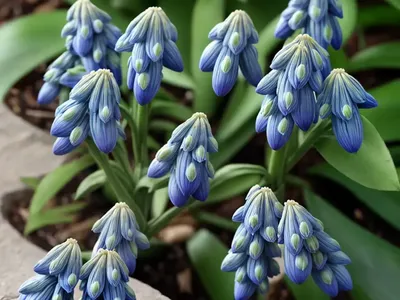
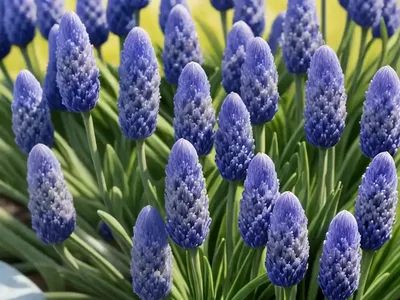
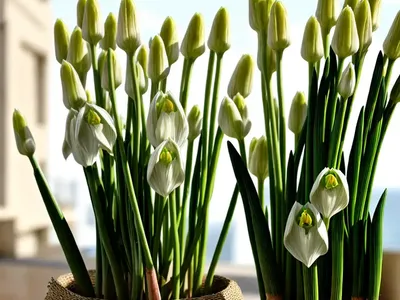
Siberian Squill (Scilla Siberica)
Siberian squill (Scilla siberica) is a charming spring-flowering bulb native to the woodlands of Siberia that has found its way into gardens worldwide..
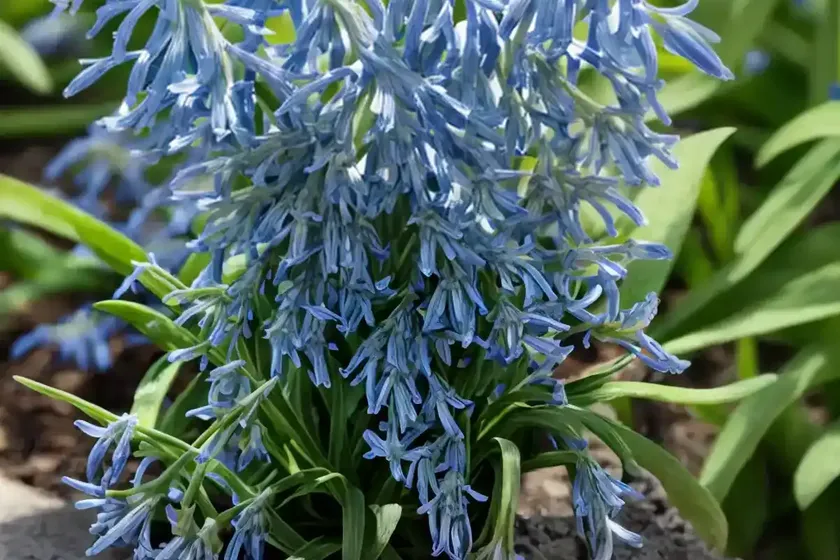
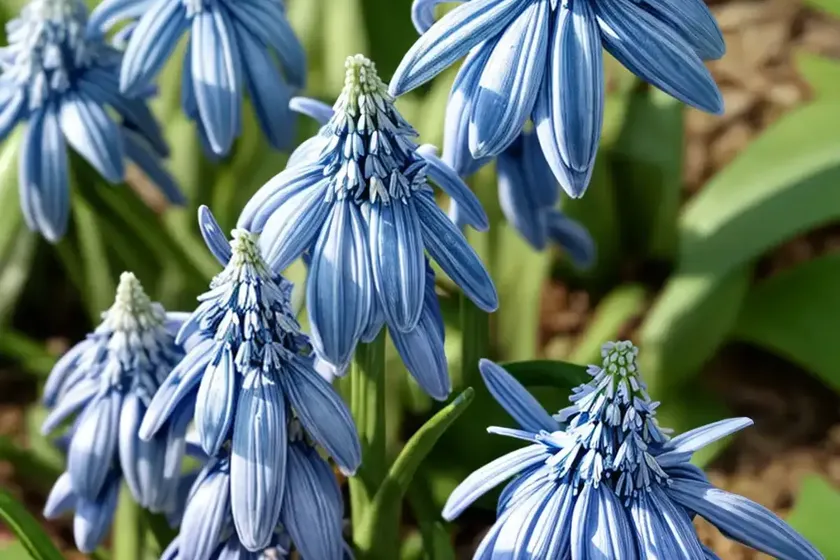
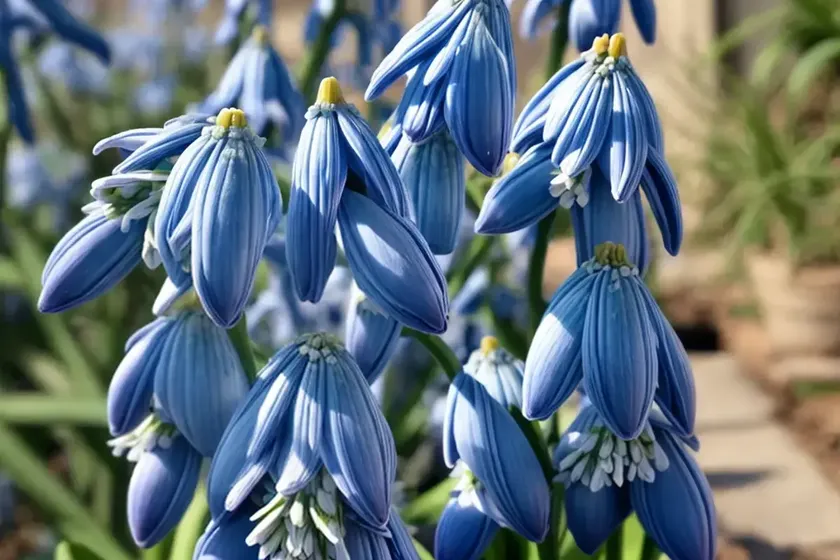
Siberian squill (Scilla siberica) is a charming spring-flowering bulb native to the woodlands of Siberia that has found its way into gardens worldwide. This petite yet resilient plant is adored for its early-blooming, vivid blue flowers that carpet the ground, heralding the arrival of spring. In this comprehensive guide, we will explore the culture, uses, and care of Siberian squill, and discover why it has become a favorite among gardeners.
What is Siberian Squill (Scilla siberica)?
Siberian squill, scientifically known as Scilla siberica, belongs to the Asparagaceae family and is a perennial bulbous plant. It is esteemed for its ability to naturalize and form long-lasting colonies of delicate blue blooms. The species was introduced to the ornamental horticulture trade in the 19th century and has since captivated the hearts of gardeners with its striking visual appeal and low-maintenance nature.
The botanical characteristics of Siberian squill include:
- Botanical Name: Scilla siberica
- Common Name: Siberian squill, wood squill, spring beauty
- Plant Type: Perennial bulb
- Flower Color: Blue
- Blooming Season: Early spring
- Native Range: Siberia
Key Takeaways – Siberian Squill (Scilla siberica)
Before delving into the details of cultivating Siberian squill, let’s take a look at some key characteristics and benefits of this delightful plant:
Culture
- Low-maintenance perennial bulb
- Ideal for naturalizing and mass planting
- Provides early spring color to the garden
- Adaptable to diverse growing conditions
Uses
- Groundcover for woodland gardens
- Edging or border plant
- Pollinator-friendly species
- Suitable for rock gardens and containers
Now, let’s explore the essential aspects of caring for Siberian squill.
Siberian Squill Care
Proper care is essential for the successful growth and prolific blooming of Siberian squill. This section covers the different aspects of caring for this charming spring bulb, including water, sunlight, fertilizer, soil, pruning, and propagation.
Water
Siberian squill is a drought-tolerant plant once established, but it benefits from regular watering during its active growth period, especially in the absence of rainfall. Adequate moisture is crucial for the development of its foliage and flowers. However, it is important to prevent waterlogging, as overly wet conditions can lead to bulb rot.
Sunlight
Siberian squill thrives in partial to full sunlight. It is well-suited for woodland gardens and areas with dappled shade, making it an excellent choice for brightening up shaded spots.
Fertilizer
A balanced, all-purpose fertilizer applied in early spring can support the growth and flowering of Siberian squill. However, excessive fertilization should be avoided, as it can result in lush foliage at the expense of flowering.
Soil
Well-draining soil is crucial for the successful cultivation of Siberian squill. It adapts well to various soil types, from sandy loam to clay, as long as the soil is not waterlogged. A neutral to slightly acidic pH range is preferable for optimal growth.
Pruning
Siberian squill does not require extensive pruning. Deadheading spent flowers can help maintain the plant’s appearance and prevent self-seeding if desired. In late spring or early summer, the foliage begins to fade, at which point it can be removed once it has turned yellow and withered.
Propagation
Siberian squill can be propagated through division of its offsets or by sowing seeds. Division is typically carried out in late summer to early autumn, while seeds can be sown in fall for natural stratification and germination in the following spring.
Container Popularity
Siberian squill is increasingly popular for container gardening due to its compact size and ability to naturalize and bloom beautifully in confined spaces. When grown in containers, it can be enjoyed up close on patios, balconies, and other outdoor areas.
Container Common Diseases
Siberian squill is generally resistant to diseases, particularly when provided with suitable growing conditions. However, it may be susceptible to bulb rot if the soil is excessively wet or poorly drained. Proper soil drainage and avoidance of overwatering are key to preventing disease issues.
Disease Diagnosis
Symptoms of bulb rot in Siberian squill include rotting or discolored bulbs, stunted growth, and wilting foliage. Inspecting the bulbs for signs of decay and addressing any drainage issues can help prevent disease from affecting the plants.
Common Pests
Siberian squill is relatively pest-resistant, but it may occasionally attract pests such as slugs and snails, particularly in damp environments. These pests can be managed through physical or organic control methods, such as handpicking, barriers, or diatomaceous earth.
Botanist’s Tips
- When planting Siberian squill, consider massing the bulbs together to create a stunning display of blue flowers.
- Intersperse Siberian squill with later-blooming plants to extend the visual interest of the garden.
- Naturalize Siberian squill in a grassy area for a charming, wildflower-like effect.
Fun Facts
- Siberian squill is also known as wood squill due to its natural habitat in woodland settings.
- The bulbs of Siberian squill contain alkaloids that render them unpalatable to deer and other browsing animals.
Links to External Resources
For more information on Siberian squill, please visit the following resources:
- Royal Horticultural Society – Siberian Squill
- Missouri Botanical Garden – Scilla siberica
- The Spruce – Growing Siberian Squill
In conclusion, Siberian squill is a delightful and versatile addition to the spring garden, offering vibrant blue blooms, adaptability to various growing conditions, and resilience in the face of pests and diseases. Whether naturalized in a woodland setting, mass planted in flower beds, or showcased in containers, this charming bulb never fails to bring joy to the early spring landscape.
Plant Name: “Siberian Squill (Scilla siberica)”
NLP LSI Keywords:
1. Scilla siberica
2. Siberian squill flower
3. S. siberica bulbs
4. Planting Siberian squill
5. Siberian squill care
6. Growing Scilla siberica
7. Scilla siberica in gardens
8. Spring blooming bulbs
9. Blue flowering plants
10. Perennial bulbs
11. Early spring flowers
12. Naturalizing bulbs
13. Tiny blue flowers
14. Cold-hardy bulbs
15. Shade-loving plants
16. Deer-resistant bulbs
17. Bulbous plants
18. Woodland gardens
19. Low-maintenance flowers
20. Drought-tolerant plants
21. Bluebell family plants
22. Small flowering bulbs
23. Rock garden plants
24. Groundcover bulbs
25. Early blooming perennials
26. Native plants of Siberia
27. Ornamental bulb plants
28. Planting in clusters
29. Natural spring beauty
30. Scilla siberica species
31. Mass planting ideas
32. Low-growing flowers
33. Spring garden favorites
34. Spring landscape accents
35. Siberian squill varieties
36. Pollinator-friendly plants
37. Cold-tolerant flowers
38. Deer-resistant groundcovers
39. Scilla siberica border plants
40. Early spring color
41. Bulb gardening tips
42. Spring-flowering bulbs
43. Hardy perennial plants
44. Bluebell-like blooms
45. Scilla siberica groundcover
46. Small blue wildflowers
47. Gardening with bulbs
48. Bloom time for Siberian squill
49. Scilla siberica planting guide
50. Spring garden design ideas