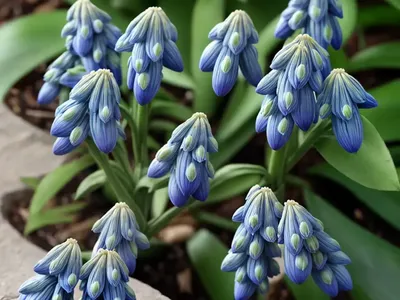
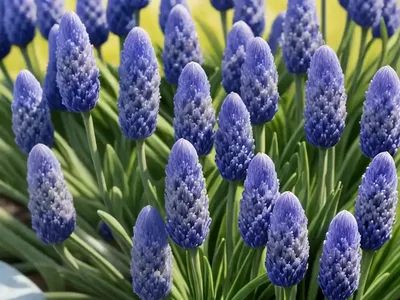
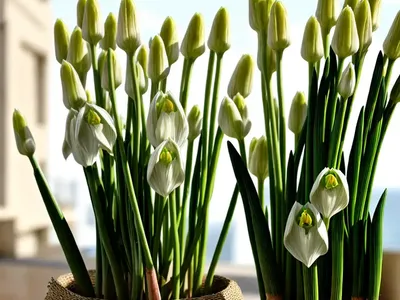
Scilla Hyacinthoides (Hyacinth Squill)
Plants are essential components of the environment, adding beauty, value, and functionality to our lives. One such fascinating plant is the Scilla.
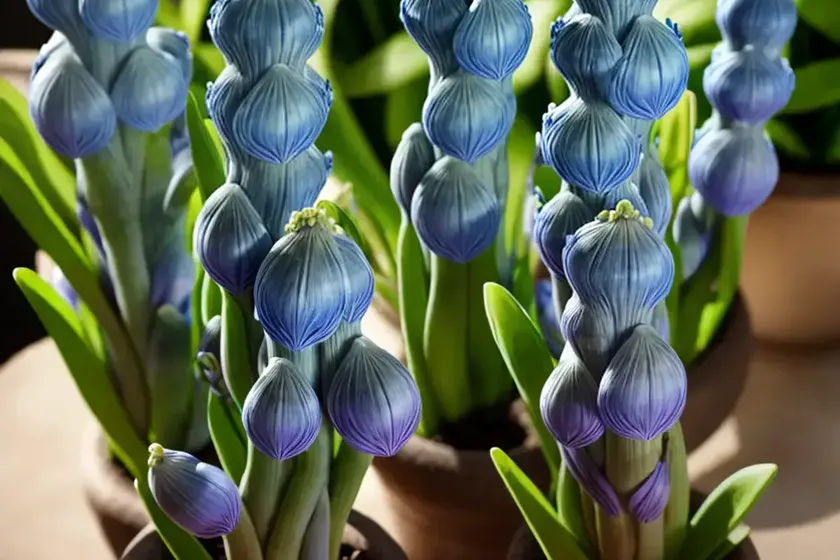
Introduction
Plants are essential components of the environment, adding beauty, value, and functionality to our lives. One such fascinating plant is the Scilla hyacinthoides, also known as Hyacinth Squill, which belongs to the Asparagaceae family. This plant is cherished for its stunning flowers and unique qualities, making it a popular choice for garden enthusiasts and horticulturists alike. In this comprehensive guide, we will explore the intricacies of Scilla hyacinthoides and gain insights into its culture, uses, care requirements, and much more.
What is Scilla hyacinthoides (Hyacinth Squill)?
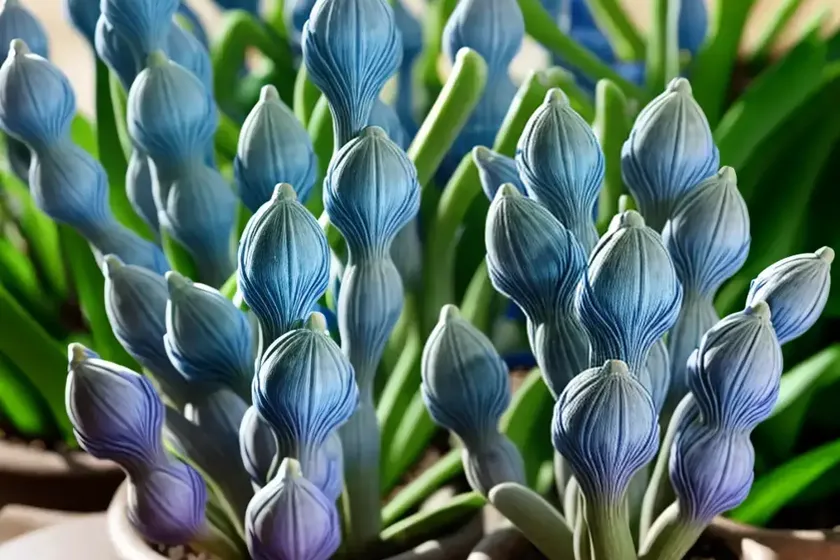
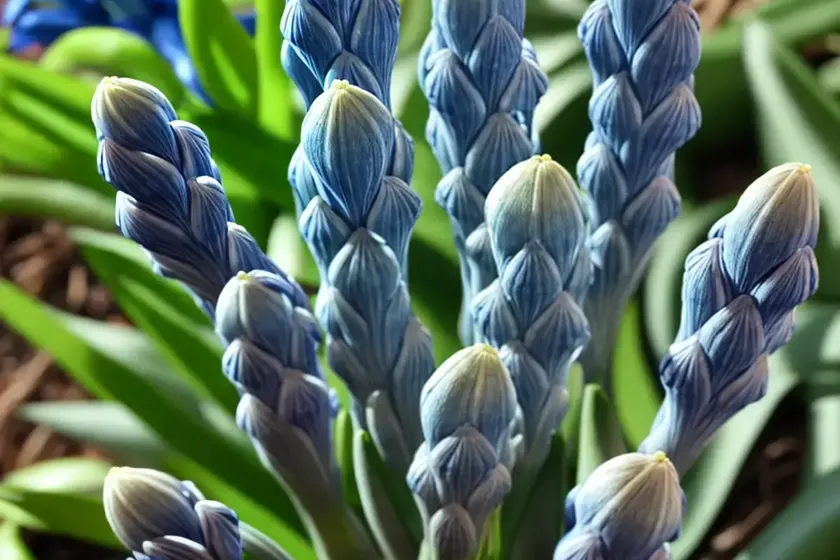
Scilla hyacinthoides, or Hyacinth Squill, is a perennial bulbous plant that originates from southeastern Europe and the Middle East. This stunning plant typically features bluish-purple, star-shaped flowers that emerge in the early spring, adding a burst of color to gardens and landscapes. The striking blooms and the plant’s adaptability have contributed to its popularity among gardening enthusiasts.
Plant Characteristics
Scientific Classification
- Family: Asparagaceae
- Genus: Scilla
- Species: hyacinthoides
Key Takeaways – Scilla hyacinthoides (Hyacinth Squill)
Before we delve into the detailed care and maintenance aspects of Hyacinth Squill, let’s outline key takeaways to provide a holistic view of this fascinating plant.
Culture
- Origin: Southeastern Europe and the Middle East
- Type: Perennial bulbous plant
- Flower Color: Bluish-purple
- Flowering Season: Early spring
Uses
- Decorative Purposes: Ornamental gardens, floral arrangements
- Landscaping: Adds color and visual interest to outdoor spaces
Now, let’s explore the essential care aspects, including water, sunlight, fertilizer, soil, pruning, propagation, and containers, to ensure the optimal growth and health of Scilla hyacinthoides.
Water
Proper watering is essential for the health and vitality of Scilla hyacinthoides. Understanding the plant’s water requirements and implementing suitable watering practices is crucial for its overall well-being.
Sunlight
Sunlight plays a crucial role in the growth and blooming of Scilla hyacinthoides. Adequate exposure to sunlight is essential to encourage robust foliage and vibrant blooms.
Fertilizer
Fertilization promotes healthy growth and enhances the flowering capacity of Scilla hyacinthoides. Choosing the right type of fertilizer and applying it at the appropriate time is pivotal for the plant’s nutrition.
Soil
The selection of suitable soil and understanding its composition is fundamental for the successful cultivation of Scilla hyacinthoides. A well-draining and nutrient-rich soil medium is essential for the plant’s sustenance.
Pruning
Pruning aids in maintaining the plant’s shape, removing diseased or damaged parts, and stimulating new growth. Proper pruning techniques are imperative to ensure the plant’s long-term health.
Propagation
Understanding the various methods of propagation, such as division and seed sowing, allows for the multiplication and expansion of Scilla hyacinthoides in gardens and landscapes.
Container Popularity
Scilla hyacinthoides is a favored choice for container gardening, adding elegance and charm to outdoor and indoor spaces.
With these foundational aspects in mind, let’s delve deeper into each of these care elements and gain insights into the best practices for nurturing Scilla hyacinthoides.
Water
Watering Needs
Scilla hyacinthoides thrives in moderately moist soil conditions, especially during its active growth and blooming phases. Adequate watering is crucial in the early spring when the plant is in its flowering stage. However, it’s essential to avoid over-watering, as this can lead to root rot and other water-related issues.
Watering Frequency
- Spring: Regular watering to maintain moderately moist soil
- Summer: Reduce watering frequency as the plant enters dormancy
- Fall: Resume regular watering as the plant prepares for its growth cycle
Sunlight
Sunlight Requirements
Scilla hyacinthoides exhibits a preference for partial shade to full sun conditions. In outdoor settings, providing the plant with ample exposure to sunlight is essential for robust growth and prolific blooming.
Indoor Gardening
When cultivating Scilla hyacinthoides indoors, ensure that it receives bright, indirect sunlight for several hours each day. Placing the plant near a south-facing window can provide the ideal light conditions for indoor growth.
Fertilizer
Fertilization Guidelines
Applying a balanced, water-soluble fertilizer with a formulation such as 10-10-10 in the early spring before the plant’s blooming phase can enhance its growth and flowering capacity. Additionally, a second application after the blooming period can support the plant’s overall vigor and build up its nutrient reserves for the next growth cycle.
Application Method
- Dilute the fertilizer according to the manufacturer’s instructions
- Apply the fertilizer directly to the soil, ensuring it reaches the root zone
- Water the plant after fertilization to facilitate nutrient absorption
Soil
Soil Conditions
Scilla hyacinthoides flourishes in well-draining, fertile soil that provides adequate aeration and moisture retention. A mixture of loamy and sandy soil with a slightly acidic to neutral pH level serves as an ideal growing medium for this plant.
Soil Amendments
Incorporating organic matter such as compost or well-rotted manure into the soil can enhance its texture, fertility, and moisture retention capabilities, providing an optimal environment for the plant’s growth.
Pruning
Pruning Techniques
Pruning dead or yellowing foliage, spent flowers, and any diseased or damaged parts promotes the plant’s overall health and aesthetics. Use sanitized pruning tools to prevent the spread of diseases and ensure clean cuts when removing unwanted plant parts.
Timing
Engage in regular pruning activities during the plant’s dormant phase or after the blooming period to maintain its shape and vitality.
Propagation
Division
Division involves carefully separating the plant’s bulbs and replanting them to establish new growth. Engage in division during the plant’s dormant phase, typically in the late summer or early autumn, to propagate Scilla hyacinthoides successfully.
Seed Sowing
Sowing seeds in a well-prepared seedbed or containers during the early autumn provides an opportunity for new plant establishment. However, bear in mind that seed propagation might take longer to yield blooming plants compared to division.
Container Popularity
Container Gardening Benefits
Cultivating Scilla hyacinthoides in containers offers several advantages, including:
– Flexibility: Easily move the plant to different locations based on sunlight and aesthetic preferences
– Space Optimization: Ideal for small gardens, balconies, and indoor spaces
– Aesthetic Appeal: Adds decorative value to outdoor living areas and indoor settings
Container Size
Select a container that provides ample space for the plant’s root system and allows for proper drainage. A depth of at least 10-12 inches is recommended to accommodate the plant’s bulb structure and support its growth.
Now that we have explored the core care requirements, let’s delve into the popularity, common diseases, and pest management associated with Scilla hyacinthoides.
Popularity
Garden and Landscape Appeal
Scilla hyacinthoides holds widespread popularity due to its remarkable attributes and contributions to outdoor and indoor spaces. Its vivid blooms, ease of cultivation, and versatility in various settings have solidified its status as a coveted plant choice among gardening enthusiasts.
Ornamental Use
- Gardens: Ideal for naturalizing in woodland gardens, borders, and flower beds
- Containers: Adds elegance to container plantings and balcony displays
- Landscapes: Complements rock gardens, slopes, and open grassy areas
Common Diseases
Disease Diagnosis
While Scilla hyacinthoides is generally resilient to many diseases, it can still be susceptible to certain fungal infections and rot issues. Common diseases include:
– Botrytis Blight: Presents as gray mold on foliage and flowers
– Root Rot: Caused by over-watering or poorly drained soil, leading to decay of the plant’s roots
Disease Management
- Preventive Measures: Ensure proper air circulation, adequate spacing, and well-draining soil to minimize disease risks
- Prompt Intervention: Remove and discard infected plant parts, and adjust watering practices to prevent disease spread
Common Pests
Pest Identification
Scilla hyacinthoides may encounter pest infestations, including:
– Slugs and Snails: Cause damage to foliage and flowers, especially in moist conditions
– Squirrels and Rodents: Occasionally dig up and consume the plant’s bulbs
Pest Control
- Natural Deterrents: Implementing physical barriers and natural deterrents like copper tape or eggshell barriers can deter slugs and snails
- Protective Measures: Use wire mesh or other protective measures to safeguard bulbs from rodent damage
Now, let’s immerse ourselves in the fascinating world of Scilla hyacinthoides with a botanist’s tips, fun facts, and external resources to further enrich our understanding of this captivating plant.
Botanist’s Tips
Expert Recommendations
- Spring Planting: Optimal time for establishing new Scilla hyacinthoides plants and ensuring robust spring blooms
- Ample Sunlight: Provide the plant with adequate sunlight for vibrant flower coloration and vigorous growth
- Drainage Considerations: Emphasize well-draining soil and containers to prevent moisture-related issues
Fun Facts
Intriguing Tidbits
- Symbolism: In historical contexts, the Hyacinth Squill has been associated with rebirth, youth, and constancy
- Deer Resistance: Known for its resistance to deer browsing, making it a practical choice in deer-prone areas
- Butterfly Attraction: The vibrant blooms of Scilla hyacinthoides can attract and support pollinating insects such as butterflies
Links to External Resources
For additional insights, tips, and information on Scilla hyacinthoides, explore the following external resources:
– Royal Horticultural Society: Growing Scilla
– University of Vermont Extension: Bulbs for Spring Bloom
– American Society for the Prevention of Cruelty to Animals: Toxic and Non-Toxic Plant List
– Gardenia: Scilla hyacinthoides
Conclusion
Scilla hyacinthoides, or Hyacinth Squill, is an enchanting plant that captivates the hearts of plant enthusiasts and adds splendor to various environments. By understanding its culture, care requirements, uses, and unique attributes, we can appreciate and cultivate this remarkable plant effectively. Whether gracing gardens, landscapes, or indoor spaces, Scilla hyacinthoides stands as a testament to nature’s beauty and resilience, enriching our lives with its exquisite blooms and enduring charm.
We hope this comprehensive guide has provided valuable insights and inspiration for your journey with Scilla hyacinthoides, empowering you to foster its growth and revel in its natural allure.
Remember to embrace the joy of nurturing and celebrating the magnificence of plants like the Hyacinth Squill, fostering a deeper connection with the natural world and the treasures it beholds.
Happy gardening!