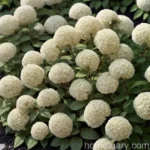
Spiraea douglasii (Western Spirea): A Comprehensive Guide
Plants are not merely greenery and decoration; they are living beings that serve numerous ecological, aesthetic, and even medicinal purposes. Spiraea douglasii, commonly known as Western Spirea, is one such plant that is not only beautiful but also has several ecological and horticultural benefits. In this comprehensive guide, we will delve deeper into the cultivation, care tips, uses, and interesting facts about Spiraea douglasii.
What is Spiraea douglasii (Western Spirea)?
Spiraea douglasii, a member of the Rosaceae family, is a deciduous shrub native to western North America. It is characterized by its dense, arching stems and clusters of small pink flowers that bloom in late spring to early summer. The plant is commonly found in moist, open forests, along streambanks, and in mountainous regions, thriving in a variety of habitats from sea level to mid-elevations.
The Western Spirea is known for its adaptability and resilience, making it a popular choice for horticultural and landscaping purposes. Its ability to attract wildlife, its ornamental flowers, and its ease of cultivation have made it a favorite among gardeners and horticulturists.
Key Takeaways – Spiraea douglasii (Western Spirea)
Let’s explore some key takeaways about Spiraea douglasii, encompassing its cultivation, care, uses, and ecological significance:
Cultivation
- Native to western North America
- Thrives in various habitats, including moist forests and mountainous regions
Care Tips
- Requires moderate watering
- Prefers full sun to partial shade
- Benefits from annual fertilization
Uses
- Ornamental garden shrub
- Wildlife habitat and pollinator attractant
- Erosion control and landscape design
Ecology
- Attracts pollinators and wildlife
- Fire-resistant properties
- Drought-tolerant once established
Now, let’s delve deeper into each of these aspects to understand how to cultivate and care for Spiraea douglasii, its uses in horticulture and ecologically, and various interesting facts about this fascinating plant.
Cultivation
Cultivating Spiraea douglasii requires an understanding of its natural habitat and preferences. By replicating its native conditions, you can ensure that the plant thrives and produces beautiful blooms season after season.
Water
The Western Spirea prefers moderate moisture, making it suitable for a variety of moisture conditions, from average to moist environments. When establishing new plants, adequate watering is essential to encourage root development and growth. Once established, Spiraea douglasii exhibits good drought tolerance, making it a resilient choice for landscapes and gardens.
Sunlight
Spiraea douglasii grows best in full sun to partial shade. It is adaptable to a range of light conditions, making it suitable for different garden settings. However, to encourage optimal flowering and growth, providing it with full sun for a significant portion of the day is recommended.
Fertilizer
Annual fertilization in early spring helps promote healthy growth and abundant flowering. A balanced, slow-release fertilizer can be applied around the base of the plant, following the instructions on the product label. Fertilizing in early spring provides the necessary nutrients to support the plant throughout the growing season.
Soil
The Western Spirea thrives in well-drained, loamy soil. It is adaptable to various soil types, including clay and sandy soils, as long as they are well-draining. Prior to planting, incorporating organic matter into the soil can improve its structure and fertility, providing an optimal growing environment for Spiraea douglasii.
Pruning
Pruning is an essential aspect of maintaining the health and aesthetic appeal of Spiraea douglasii. Proper pruning encourages strong, vigorous growth and enhances the plant’s natural form. Here are some key pruning techniques for Western Spirea:
- Spring Pruning: In late winter to early spring, prune out any dead or damaged branches. This helps promote new growth and allows for better air circulation within the plant.
- Blooms Pruning: After the flowering period, prune the spent flower clusters to encourage a second flush of blooms and maintain a neat appearance.
- Renewal Pruning: Every few years, consider performing renewal pruning by removing one-third of the oldest stems to stimulate new growth from the base of the plant.
Pruning techniques may vary based on the specific variety of Spiraea douglasii and the desired shape and size of the plant.
Propagation
Propagation of Spiraea douglasii can be achieved through several methods, including division, cuttings, and seed sowing. Each method has its unique advantages and challenges, offering flexibility for propagating new plants.
- Division: During the plant’s dormant season, division can be performed by carefully dividing the root ball into sections, each containing a portion of the root system and stems. These sections can then be replanted to establish new plants.
- Cuttings: Semi-hardwood cuttings taken in mid to late summer can be rooted to create new plants. Select healthy, non-flowering shoots and treat the cuttings with a rooting hormone to encourage successful rooting.
- Seed Sowing: Collecting seeds from mature seed heads and sowing them in a controlled environment can yield new seedlings. However, this method requires patience as it may take some time for the seedlings to reach a transplantable size.
Choose the propagation method that aligns with your resources and goals, whether it’s rapidly expanding the plant population or preserving a specific cultivar.
Container Popularity
The Western Spirea’s adaptability and ornamental appeal make it a popular choice for growing in containers. Container planting offers several advantages, including the ability to control soil conditions, enhance portability, and create focal points in garden designs.
Container Care
When growing Spiraea douglasii in containers, pay attention to the following care considerations:
- Soil: Use a well-draining potting mix that provides adequate aeration for the roots. Incorporating organic matter can help retain moisture and provide essential nutrients.
- Watering: Containers may require more frequent watering, especially during hot and dry periods. Monitor the soil moisture and water when the top inch of soil feels dry to the touch.
- Sunlight: Position the containers in an area that receives at least 6 hours of sunlight per day, ensuring that the plants have access to the light they need to thrive.
- Fertilization: Apply a balanced, slow-release fertilizer according to the product instructions to provide the necessary nutrients for container-grown Western Spirea.
Container-grown Spiraea douglasii can be a versatile addition to patios, balconies, and small gardens, bringing the beauty of this plant to confined spaces.
Common Diseases
Like all plants, Spiraea douglasii is susceptible to certain diseases that can affect its growth and overall health. Being aware of common diseases and their prevention can help maintain the vitality of the plant.
Disease Diagnosis
Common diseases that may affect Western Spirea include:
- Powdery Mildew: A fungal disease that appears as a white, powdery growth on the leaves, typically in humid conditions.
- Leaf Spot: Characterized by dark spots or lesions on the foliage, often caused by fungal pathogens.
- Root Rot: Excessive moisture or poor drainage can lead to root rot, causing the plant to exhibit wilting, yellowing leaves, and stunted growth.
By regularly inspecting the plant for signs of disease and promptly addressing any issues, you can mitigate the impact of these diseases and promote a healthy growing environment for Spiraea douglasii.
Common Pests
Pests can also pose a threat to Spiraea douglasii, potentially impacting its growth and flowering. Understanding common pests and implementing control measures can help protect the plant from pest-related damage.
Pest Control
Common pests that may affect Western Spirea include:
- Aphids: Small, sap-sucking insects that can cause distorted growth and the development of sticky honeydew on the foliage.
- Spider Mites: These tiny arachnids can cause stippling and discoloration of the leaves, impacting the plant’s overall appearance.
- Caterpillars: Certain caterpillar species may feed on the leaves of Spiraea douglasii, leading to defoliation and reduced plant vigor.
Implementing cultural practices, such as maintaining plant health and encouraging natural predators, can help manage pest populations. Additionally, targeted applications of horticultural oils or insecticidal soaps may be used to control pest infestations while minimizing harm to beneficial insects.
Botanist’s Tips
As a plant scientist, I recommend the following tips for cultivating and caring for Spiraea douglasii:
- Regularly monitor the plant for signs of stress, disease, or pests, and address any issues promptly to maintain its health and vitality.
- When selecting a planting location, consider the plant’s mature size and ensure it has adequate space to grow without becoming overcrowded.
- Incorporate Western Spirea into wildlife-friendly gardens to attract pollinators and support biodiversity in the surrounding environment.
- Experiment with companion planting to create visually appealing and ecologically beneficial combinations in your garden or landscape design.
By incorporating these botanist’s tips into your approach to growing Spiraea douglasii, you can enhance the plant’s performance and ecological contributions.
Fun Facts
To further appreciate the unique qualities of Spiraea douglasii, here are some fun facts about this fascinating plant:
- The plant’s species name, douglasii, honors the Scottish botanist David Douglas, who extensively explored western North America in the 19th century.
- Western Spirea’s attractive pink flowers provide a valuable nectar source for bees and other pollinators, supporting local pollinator populations.
- The plant’s arching growth habit and delicate foliage create an elegant, natural appearance in garden settings, enhancing its aesthetic appeal.
- Spiraea douglasii is an excellent choice for low-maintenance landscaping, providing seasonal interest and ecological benefits without requiring intensive care.
Links to External Resources
For further information on Spiraea douglasii and related topics, consider exploring the following resources:
- North American Native Plant Society
- Royal Horticultural Society
- The American Phytopathological Society
These resources provide valuable insights into native plant species, horticultural best practices, and plant pathology, offering a comprehensive perspective on the cultivation, care, and ecological significance of Spiraea douglasii.
As we conclude this comprehensive guide, I hope that you have gained a deeper understanding and appreciation for Spiraea douglasii, also known as Western Spirea. By incorporating this resilient and ecologically beneficial plant into your garden or landscape, you can enjoy its ornamental beauty while contributing to the preservation of native plant species and supporting local wildlife.
Plant Name: “Spiraea douglasii (Western Spirea)”