Salvia splendens (Scarlet Sage) – The Ultimate Guide
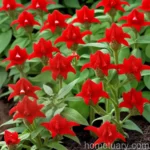
Salvia splendens, commonly known as Scarlet Sage, is a vibrant and popular flowering plant that belongs to the Lamiaceae family. This stunning plant is native to Brazil and is beloved for its brilliant red, tubular flowers that attract pollinators such as butterflies and hummingbirds. In this comprehensive guide, we will explore the various aspects of Scarlet Sage, including its cultural requirements, uses, propagation methods, common pests and diseases, and much more. Whether you are a seasoned gardener or just starting out, this guide will equip you with the knowledge needed to grow and care for Salvia splendens successfully.
What is Salvia splendens (Scarlet Sage)?
Salvia splendens is a species of flowering plant in the genus Salvia, which encompasses over 900 species of annuals, biennials, and perennials. Scarlet Sage is characterized by its slender, bright green leaves and striking, upright flower spikes that can reach heights of up to 2 feet. The plant blooms abundantly from late spring to early fall, adding a splash of color to gardens, borders, and containers.
Key Takeaways – Salvia splendens (Scarlet Sage)
Before delving into the intricacies of caring for Scarlet Sage, let’s take a look at some key takeaways that will be covered in this guide to provide a comprehensive understanding of this captivating plant:
- Scarlet Sage Varieties: Explore the diverse range of Salvia splendens cultivars, each offering unique colors and growth habits.
- Salvia splendens Colors: Discover the array of vibrant hues that Scarlet Sage flowers exhibit, including red, purple, pink, and white.
- Scarlet Sage Care Tips: Learn about the essential care practices necessary for maintaining healthy and flourishing Salvia splendens plants.
- Salvia splendens Characteristics: Understand the intrinsic features that define this species, from its foliage to its growth habit and flower morphology.
- Scarlet Sage Growing Conditions: Uncover the specific environmental requirements that are conducive to the optimal growth of Salvia splendens.
- Salvia splendens Planting Guide: Gain insights into the best practices for planting Scarlet Sage to ensure its successful establishment.
- Scarlet Sage Landscape Uses: Explore the versatile ways in which Salvia splendens can be incorporated into landscapes, including borders, edging, and containers.
- Salvia splendens Perennial or Annual: Determine whether Scarlet Sage is a perennial or annual plant and its longevity in different climates.
- Scarlet Sage Propagation Methods: Learn about the various techniques for propagating Salvia splendens, such as seeds, cuttings, and division.
- Salvia splendens Medicinal Uses: Gain an understanding of any potential medicinal properties or traditional uses of Scarlet Sage.
- Scarlet Sage Pruning Techniques: Master the art of pruning Salvia splendens to maintain its shape and encourage prolific flowering.
- Salvia splendens Companion Plants: Discover the ideal companion plants that complement and enhance the visual appeal of Scarlet Sage.
- Scarlet Sage Sun Exposure Needs: Understand the sunlight requirements essential for the healthy growth and flowering of Salvia splendens.
- Salvia splendens Water Requirements: Explore the optimal watering regimen that supports the well-being of Scarlet Sage plants.
- Scarlet Sage Soil Preferences: Learn about the soil characteristics that are favorable for the cultivation of Salvia splendens.
- Salvia splendens Pests and Diseases: Identify common pests and diseases that affect Scarlet Sage and the appropriate management strategies.
- Scarlet Sage Hardiness Zones: Determine the suitable hardiness zones for growing Salvia splendens and its adaptability to different climates.
- Salvia splendens Flower Morphology: Appreciate the intricate details of Scarlet Sage flowers and their visual appeal.
- Scarlet Sage Wildlife Attractant: Recognize the role of Salvia splendens in attracting beneficial wildlife, such as butterflies and hummingbirds.
- Salvia splendens Drought Tolerance: Assess the tolerance of Scarlet Sage to periods of drought and its water-saving capabilities.
- Scarlet Sage Container Gardening: Discover the potential for cultivating Salvia splendens in containers and the considerations for successful container gardening.
- Salvia splendens Blooming Period: Understand the duration and frequency of the breathtaking floral displays exhibited by Scarlet Sage.
- Scarlet Sage Cutting Garden: Explore the suitability of Salvia splendens for use in cutting gardens to create stunning floral arrangements.
- Salvia splendens Foliage Types: Appreciate the diversity of foliage characteristics among different varieties of Scarlet Sage.
- Scarlet Sage Landscape Design Ideas: Gain inspiration for incorporating Salvia splendens into landscape designs and garden layouts.
- Salvia splendens Flower Arrangement: Explore the potential for utilizing Scarlet Sage flowers in vibrant and long-lasting floral arrangements.
- Scarlet Sage Garden Border Ideas: Learn about the versatile uses of Salvia splendens for creating striking garden borders and edges.
- Salvia splendens Fall Care: Understand the specific care requirements essential for preparing Scarlet Sage for the fall season.
- Scarlet Sage Winter Protection: Discover the measures to safeguard Salvia splendens plants during the winter months to ensure their survival.
- Salvia splendens Spring Pruning: Master the art of pruning and rejuvenating Scarlet Sage plants as they emerge from dormancy in spring.
- Scarlet Sage Summer Maintenance: Uncover the essential maintenance practices required to support the vigorous growth and flowering of Salvia splendens during the summer months.
- Salvia splendens Best Varieties for Pots: Explore the top cultivars of Scarlet Sage that are well-suited for growing in pots and containers.
- Scarlet Sage Ground Cover Uses: Evaluate the potential for utilizing Salvia splendens as an attractive ground cover in various settings.
- Salvia splendens Attracting Butterflies: Recognize the role of Scarlet Sage in attracting and supporting butterfly populations in gardens and landscapes.
- Scarlet Sage Hummingbird Magnet: Appreciate the appeal of Salvia splendens as a magnet for hummingbirds, adding life and vibrancy to outdoor spaces.
- Salvia splendens Bee-Friendly Plant: Understand the significance of Scarlet Sage as a pollinator-friendly plant that supports bee populations.
- Scarlet Sage Fragrance and Aroma: Explore any distinctive scents or aromas associated with Salvia splendens flowers or foliage.
- Salvia splendens Plant Height: Gain an understanding of the typical height dimensions that Salvia splendens plants can attain.
- Scarlet Sage Foliage Color Variations: Appreciate the diversity of foliage colors and textures exhibited by different varieties of Scarlet Sage.
- Salvia splendens Shade Tolerant: Evaluate the tolerance of Salvia splendens to shaded conditions and its adaptability to diverse light levels.
- Scarlet Sage Indoor Gardening Tips: Discover the potential for growing Salvia splendens as an indoor plant and the considerations for successful indoor gardening.
- Salvia splendens Vertical Gardening: Uncover the innovative uses of Scarlet Sage in vertical gardening, adding vertical interest to gardens and landscapes.
- Scarlet Sage Cutting Propagation: Learn about the propagation of Salvia splendens through cuttings and the steps involved in this technique.
- Salvia splendens Seed Germination: Understand the process of germinating Scarlet Sage seeds and the best practices for successful seed propagation.
- Scarlet Sage Landscape Edging Ideas: Gain inspiration for using Salvia splendens as a striking and functional element in landscape edging.
- Salvia splendens Border Plantings: Explore the versatility of Scarlet Sage for creating visually stunning and diverse border plantings.
- Scarlet Sage Flower Bed Designs: Discover the potential for incorporating Salvia splendens into creative and captivating flower bed designs.
- Salvia splendens Heat Tolerance: Assess the ability of Scarlet Sage to thrive in hot and sunny conditions and its resistance to heat stress.
- Scarlet Sage Water-Wise Gardening: Recognize the suitability of Salvia splendens for water-wise and drought-resistant gardening practices.
- Salvia splendens Low-Maintenance Plant: Understand the ease of care and maintenance associated with growing Scarlet Sage, making it an ideal choice for low-maintenance landscapes.
Now that we have outlined the key takeaways, let’s delve into the detailed aspects of growing and caring for Salvia splendens, covering its culture, uses, water and sunlight requirements, soil preferences, propagation methods, common pests and diseases, and much more.
Culture
The cultural requirements of Salvia splendens encompass all the environmental and care factors essential for promoting its robust growth and prolific flowering. From understanding its need for sunlight to providing appropriate watering and fertilization, attending to the cultural needs of Scarlet Sage is integral to ensuring its health and vitality.
Uses
The uses of Salvia splendens extend from its ornamental value in landscapes and gardens to its potential medicinal properties. Whether utilized as a vibrant addition to flower beds, borders, and containers, or explored for its traditional uses in herbal medicine, Scarlet Sage offers diverse and multifaceted applications.
Water
Understanding the water requirements of Salvia splendens is crucial for maintaining its health and vigor. From establishing a balanced watering regimen to recognizing the signs of overwatering or drought stress, effectively managing the water needs of Scarlet Sage is essential for its overall well-being.
Sunlight
The sunlight requirements of Salvia splendens dictate its growth, flowering, and overall performance in different environmental conditions. By providing the appropriate level of sunlight, gardeners can ensure the optimal development and visual impact of Scarlet Sage plants.
Fertilizer
The role of fertilization in supporting the growth and blooming of Salvia splendens cannot be underestimated. Understanding the ideal fertilization practices and selecting the appropriate nutrients are crucial for enhancing the vitality and floral abundance of Scarlet Sage.
Soil
The soil preferences of Salvia splendens encompass factors such as texture, drainage, and nutrient composition, which collectively influence the plant’s ability to establish and thrive. By selecting the right soil and understanding its characteristics, gardeners can create an ideal growing environment for Scarlet Sage.
Pruning
Pruning plays a pivotal role in shaping the growth and appearance of Salvia splendens, as well as promoting continuous blooming. Mastering the art of pruning Scarlet Sage is essential for maintaining its form, controlling its size, and encouraging a profusion of vibrant flowers.
Propagation
The propagation of Salvia splendens encompasses various techniques, including seed sowing, stem cutting, and division, offering options for expanding and sharing the beauty of Scarlet Sage. Understanding the propagation methods is instrumental in reproducing and cultivating new plants from existing ones.
Container Popularity
The popularity of Salvia splendens for container gardening stems from its compact size, vibrant blooms, and versatility in various outdoor and indoor settings. By exploring its potential in containers, gardeners can elevate the visual appeal of their spaces and create stunning focal points.
Common Diseases
The susceptibility of Salvia splendens to certain diseases can impact its overall health and appearance. Identifying common diseases and understanding the signs of infection are crucial for implementing preventive measures and managing the health of Scarlet Sage plants.
Disease Diagnosis
Diagnosing diseases that affect Salvia splendens involves recognizing symptoms such as leaf wilting, discoloration, and abnormal growth patterns. By understanding the signs of disease, gardeners can take timely action to mitigate the spread and impact on Scarlet Sage.
Common Pests
Pests pose a potential threat to the well-being of Salvia splendens, including damaging foliage, inhibiting growth, and reducing floral displays. Recognizing common pests and implementing effective pest management strategies are essential for safeguarding the health and vitality of Scarlet Sage.
Botanist’s Tips
Incorporating insights from botanists and horticulturists can offer valuable guidance for growing and caring for Salvia splendens. From tips on cultivation and maintenance to innovative uses and design concepts, leveraging expert advice can enrich the experience of cultivating Scarlet Sage.
Fun Facts
Explore the intriguing and captivating aspects of Salvia splendens through fun facts that shed light on its cultural, historical, and ecological significance. From its role in attracting wildlife to its diverse uses and characteristics, delving into fun facts adds depth and interest to the allure of Scarlet Sage.
Links to External Resources
To supplement the comprehensive information provided in this guide, the following links to external resources offer additional insights, guidance, and resources for exploring the world of Salvia splendens and its cultivation:
- Royal Horticultural Society – Salvia splendens
- University of Florida IFAS Extension – Scarlet Sage
- Missouri Botanical Garden – Salvia splendens
- North Carolina State University – Growing Salvia
- Planting Flowers – Scarlet Sage Care Guide
- The Spruce – How to Grow and Care for Scarlet Sage
By exploring these external resources, gardeners and enthusiasts can gain further knowledge, guidance, and inspiration for cultivating Salvia splendens in their outdoor spaces and indoor settings.
In conclusion, Salvia splendens, or Scarlet Sage, stands as a captivating and vibrant addition to gardens, landscapes, and containers, offering a profusion of colorful blooms and ornamental value. By understanding its cultural requirements, uses, propagation methods, and potential challenges, enthusiasts can cultivate and enjoy the beauty of Scarlet Sage with confidence and success.
Whether sought after for its landscape appeal, wildlife-attracting properties, or ornamental versatility, Salvia splendens continues to captivate and inspire with its striking presence and floral abundance. With a deeper understanding of its characteristics, growing conditions, and care practices, Scarlet Sage can flourish as a stunning and enduring feature in diverse garden settings, enriching the outdoor experience for all who encounter its dazzling blooms.