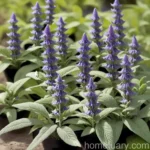
All About Salvia x sylvestris ‘Mainacht’ (Wood Sage)
Introduction
Plants have always been an integral part of human lives, providing us with food, oxygen, and a sense of tranquility. As a plant scientist, I find joy in exploring the remarkable world of plants and sharing that knowledge with others. In this blog post, I will delve into the fascinating features and care tips for Salvia x sylvestris ‘Mainacht’ – commonly known as Wood Sage. This perennial plant, with its stunning flowers and aromatic foliage, is a versatile addition to any garden or landscape.
Plant Name: Salvia x sylvestris ‘Mainacht’ (Wood Sage)
Before we dive into the details, let’s begin by understanding the distinctive features of Salvia x sylvestris ‘Mainacht’. Also known as Wood Sage, this perennial herb belongs to the family Lamiaceae. It is native to Europe and Western Asia, where it thrives in well-drained soils and ample sunlight.
Key Takeaways – Salvia x sylvestris ‘Mainacht’ (Wood Sage)
Salvia x sylvestris ‘Mainacht’ boasts a myriad of attributes that make it a sought-after plant for gardens, landscapes, and even container gardening. Before delving deeper into its characteristics, let’s explore some key takeaways.
- Plant Name: Salvia x sylvestris ‘Mainacht’ (Wood Sage)
- Common Names: ‘Mainacht’ Salvia, Sally Mainacht sage, Perennial Wood Sage
- Plant Type: Perennial
- Sunlight: Full sun to partial shade
- Water Needs: Moderate
- Soil Type: Well-draining, fertile soil
- Hardiness Zone: 4 – 8
- Height: 18 – 24 inches
- Spread: 18 – 24 inches
- Flowering Period: Late spring to early summer
Now that we have a glimpse of the basic features, let’s explore the plant’s cultural requirements in detail.
Culture
Understanding the cultural needs of Salvia x sylvestris ‘Mainacht’ is crucial for ensuring its optimal growth and development. From sunlight to soil pH, each aspect plays a vital role in nurturing this beautiful plant.
Sunlight
Wood Sage ‘Mainacht’ thrives in full sun to partial shade. When grown in regions with hot summers, providing some afternoon shade can prevent the plant from wilting. However, in cooler climates, full sun exposure is ideal for promoting abundant flowering and compact growth.
Water
Maintaining moderate moisture levels is essential for the well-being of Salvia x sylvestris ‘Mainacht’. It is important to water the plant deeply but infrequently, allowing the soil to dry partially between watering sessions. Once established, Wood Sage exhibits good drought tolerance, making it a resilient addition to water-wise landscapes.
Soil
The ideal soil for Salvia x sylvestris ‘Mainacht’ is well-draining, fertile, and loamy. It is important to ensure that the soil does not become waterlogged, as this can lead to root rot and other issues. Additionally, a slightly acidic to neutral soil pH ranging from 6.0 to 7.5 is optimal for the plant’s growth.
Uses
Salvia x sylvestris ‘Mainacht’ is prized for its ornamental and aromatic qualities, making it a versatile plant for various garden and landscape applications. From its vibrant flowers to its wildlife-friendly nature, this Wood Sage cultivar offers a plethora of uses.
Landscape Planting
Wood Sage ‘Mainacht’ provides an enchanting display in perennial borders, cottage gardens, and naturalistic landscapes. Its vibrant violet-blue flowers and compact growth habit make it an excellent choice for adding pops of color and texture to outdoor spaces.
Pollinator Gardens
The abundant nectar and pollen produced by Salvia x sylvestris ‘Mainacht’ flowers attract pollinators such as bees, butterflies, and hummingbirds. By incorporating this plant into pollinator gardens, you can support and enhance local ecosystems while enjoying the beauty of these beneficial insects.
Cut Flower Arrangements
The long-lasting blooms of ‘Mainacht’ Salvia make it a valuable addition to cut flower gardens. Whether used as a standalone feature or combined with other garden favorites, the flowers add an elegant touch to floral arrangements and bouquets.
Medicinal Uses
In addition to its ornamental value, some Salvia species, including Salvia x sylvestris, have a history of medicinal use. Wood Sage ‘Mainacht’ is known for its aromatic leaves, which have been traditionally used in herbal preparations. However, it is important to consult a healthcare professional before using any plant for medicinal purposes.
Fertilizer
Providing the appropriate nutrients is crucial for promoting the vigorous growth and flowering of Salvia x sylvestris ‘Mainacht’. When it comes to fertilization, a balanced, slow-release fertilizer can support the plant’s nutritional needs without promoting excessive vegetative growth.
Applying a granular, balanced fertilizer with an NPK ratio of 10-10-10 or similar in early spring can provide the necessary nutrients for the upcoming growing season. Additionally, incorporating a layer of organic compost around the base of the plant can enhance soil fertility and structure.
Pruning
Pruning Salvia x sylvestris ‘Mainacht’ is essential for maintaining its shape, prolonging its flowering period, and ensuring vigorous growth in the following seasons. Proper pruning techniques can help prevent the plant from becoming leggy and promote a more compact, bushy form.
Deadheading
Removing faded flowers, a process known as deadheading, is a simple yet effective form of pruning for Wood Sage ‘Mainacht’. By snipping off the spent blooms, you can encourage the plant to produce new flower buds, extending the overall flowering period and enhancing its visual appeal.
Spring Pruning
In early spring, it is beneficial to prune back the previous year’s growth to encourage fresh foliage and robust flowering. Trimming the stems to a height of 4-6 inches above the soil level can stimulate new growth and rejuvenate the plant for the upcoming season.
Maintenance Pruning
Throughout the growing season, it is advisable to remove any damaged, diseased, or overcrowded stems to maintain the plant’s health and vigor. Additionally, light pruning after the initial flowering can promote a more compact and bushy growth habit.
Propagation
The propagation of Salvia x sylvestris ‘Mainacht’ can be achieved through several methods, including division, softwood cuttings, and seed sowing. Each approach offers unique benefits and considerations, allowing gardeners to expand their Wood Sage collection or share this captivating plant with others.
Division
Dividing mature clumps of Wood Sage ‘Mainacht’ is a reliable method for creating new plants. This process is typically carried out in early spring or early autumn when the plant is not in active growth. By carefully lifting and separating the root mass, individual divisions can be replanted to establish new specimens.
Softwood Cuttings
Taking softwood cuttings from healthy, actively growing stems of Salvia x sylvestris ‘Mainacht’ can yield genetically identical plants. The cuttings are typically obtained in late spring to early summer and rooted in a suitable propagation medium under controlled conditions.
Seed Sowing
Growing ‘Mainacht’ Salvia from seed allows for the genetic variation and the excitement of observing the germination process. Sowing seeds in well-prepared seed trays or directly in the garden during the appropriate season can lead to the development of new, unique plants.
Container Popularity
Salvia x sylvestris ‘Mainacht’ is well-suited for container gardening, making it a popular choice for individuals with limited outdoor space or those seeking to enhance their patio, balcony, or rooftop gardens. The compact growth habit, vibrant flowers, and aromatic foliage of Wood Sage ‘Mainacht’ contribute to its appeal as a container plant.
Container Selection
When selecting a container for growing Salvia x sylvestris ‘Mainacht’, it is essential to choose a vessel that provides adequate drainage holes and sufficient space for the plant’s root system. A medium-sized, durable pot made from terracotta, plastic, or other suitable materials can support the plant’s growth and stability.
Soil Mix
Using a well-draining, high-quality potting mix is crucial for ensuring the health and vitality of Wood Sage ‘Mainacht’ in containers. A mixture of peat moss, perlite, and compost can provide the necessary aeration, moisture retention, and nutrient availability for the plant’s roots.
Watering Considerations
Container-grown Salvia x sylvestris ‘Mainacht’ may require more frequent watering than those planted in the ground, especially during hot, dry periods. It is important to monitor the soil moisture levels and water the plant when the top inch of the soil feels dry to the touch.
Common Diseases
While Salvia x sylvestris ‘Mainacht’ is relatively resistant to many common garden pests and diseases, it may occasionally encounter issues that can affect its overall health and appearance. Being aware of these potential problems and implementing preventive measures is crucial for maintaining a thriving Wood Sage plant.
Powdery Mildew
Powdery mildew, caused by fungal pathogens, can manifest as a powdery white substance on the leaves of Salvia x sylvestris ‘Mainacht’. To prevent this issue, providing adequate air circulation, avoiding overhead watering, and maintaining proper spacing between plants can mitigate the risk of powdery mildew.
Root Rot
Excessive soil moisture and poor drainage can create favorable conditions for root rot, a condition that can affect the roots of Salvia x sylvestris ‘Mainacht’. To prevent root rot, it is important to ensure well-draining soil and avoid waterlogged conditions, especially during the plant’s dormant period.
Gray Mold (Botrytis)
In high humidity or during periods of prolonged wetness, ‘Mainacht’ Salvia may be susceptible to gray mold, also known as Botrytis. Maintaining good air movement, minimizing leaf wetness, and promptly removing any affected plant debris can reduce the risk of this fungal disease.
Disease Diagnosis
Diagnosing diseases in plants, including Salvia x sylvestris ‘Mainacht’, involves careful observation of symptoms, understanding environmental factors, and, if necessary, seeking assistance from local horticultural extension services. By identifying the signs of disease early on, prompt and effective management strategies can be implemented.
Symptoms
The symptoms of disease in Wood Sage ‘Mainacht’ may include the presence of abnormal spots, lesions, discoloration, wilting, stunted growth, or unusual formations on the leaves, stems, or flowers. It is important to document the specific symptoms and their progression for accurate diagnosis.
Environmental Factors
Understanding the environmental conditions in which the plant is growing can provide valuable insights into the potential causes of disease. Factors such as temperature, humidity, soil moisture, and sunlight exposure can influence the likelihood and severity of plant diseases.
Professional Assistance
In instances where the diagnosis of a plant disease is challenging or uncertain, consulting with a knowledgeable plant healthcare professional or local extension services can offer valuable guidance. They can provide targeted recommendations for disease management and control.
Common Pests
Wood Sage ‘Mainacht’ is relatively resistant to many common garden pests, owing in part to its aromatic foliage and natural defenses. However, certain pests may still pose a threat to the plant, necessitating vigilance and, if needed, appropriate pest management strategies.
Aphids
Aphids, tiny sap-sucking insects, are a potential pest of Salvia x sylvestris ‘Mainacht’, particularly during periods of new growth. These pests can be managed through natural predators, insecticidal soaps, or strong blasts of water to dislodge them from the plant.
Spider Mites
Spider mites, minuscule arachnids that feed on plant juices, may infest Wood Sage ‘Mainacht’ under hot and dry conditions. Regularly inspecting the undersides of the leaves and using horticultural oils or insecticidal sprays can help control spider mite populations.
Snails and Slugs
In moist environments, snails and slugs can feed on the foliage of Salvia x sylvestris ‘Mainacht’, causing unsightly damage. Employing physical barriers, such as copper tape or diatomaceous earth, and removing hiding spots can assist in protecting the plant from these opportunistic pests.
Botanist’s Tips
In cultivating Salvia x sylvestris ‘Mainacht’, incorporating the following tips can contribute to the successful growth, flowering, and overall health of this captivating plant.
- Good Air Circulation: Enhance air movement around the plant to reduce the risk of fungal diseases, such as powdery mildew or gray mold.
- Mulching: Apply a layer of organic mulch around the base of the plant to conserve soil moisture, suppress weeds, and provide nutrients as it decomposes.
- Wildlife Integration: Integrate Wood Sage ‘Mainacht’ into wildlife-friendly gardens to support pollinators and contribute to biodiversity.
- Companion Planting: Pair Salvia x sylvestris ‘Mainacht’ with compatible companions such as Nepeta, Achillea, and Echinacea to create a harmonious and visually appealing garden display.
Fun Facts
Uncover some intriguing and delightful facts about Salvia x sylvestris ‘Mainacht’ that highlight its unique qualities and contributions to the natural world.
- Aroma: The aromatic foliage of Wood Sage ‘Mainacht’ emits a pleasant, herbal fragrance that adds sensory appeal to outdoor spaces.
- Historical Significance: The genus Salvia has historical associations with medicinal and culinary uses, lending a sense of heritage to ‘Mainacht’ Salvia.
- Cultural Symbolism: Salvia species have been linked to diverse cultural traditions and folklore, representing qualities such as wisdom, healing, and protection in various societies.
- Ethnobotanical Insights: Exploring the traditional uses of Salvia plants in different cultures offers valuable insights into their historical significance and practical applications.
Links to External Resources
To expand your knowledge and explore additional insights into Salvia x sylvestris ‘Mainacht’ (Wood Sage), consider visiting the following external resources:
- The Royal Horticultural Society (RHS) – Salvia x sylvestris ‘Mainacht’
- University of Maryland Extension – Growing Salvias
- Missouri Botanical Garden – Plant Finder
- American Horticultural Society – Plant Profile Database
Conclusion
Salvia x sylvestris ‘Mainacht’ embodies a culmination of captivating attributes, from its stunning flowers and aromatic foliage to its resilience and ecological contributions. By understanding its cultural needs, applications, and management strategies, we can foster a deeper appreciation for this remarkable plant and the natural world as a whole.
As a plant scientist, I encourage fellow enthusiasts and gardening aficionados to embrace the beauty and complexity of plants such as Salvia x sylvestris ‘Mainacht’, recognizing the intrinsic value they bring to our lives and the environment. Whether it’s the joy of observing pollinators amidst its blooms or the satisfaction of nurturing a thriving garden, Wood Sage ‘Mainacht’ offers a wealth of experiences for those who seek to connect with nature.
Remember, every plant has a story to tell and a role to play in the grand tapestry of life, and it is our privilege to be part of that narrative.
In this extensive blog post, we’ve explored the diverse facets of Salvia x sylvestris ‘Mainacht’ (Wood Sage), celebrating its ornamental beauty, cultural significance, and practical applications. From its role in pollinator gardens to its potential for container gardening, this captivating plant exemplifies the remarkable intersection of horticulture, ecology, and human engagement with the natural world.