Salvia Lyrata (Lyreleaf Sage): A Comprehensive Guide
What is Salvia Lyrata?
Salvia lyrata, commonly known as Lyreleaf Sage, is a herbaceous perennial belonging to the family Lamiaceae. This plant species is native to North America and can be found in a variety of habitats, including open woodlands, meadows, and along roadsides. It is prized for its attractive foliage and delicate, tubular flowers, making it a popular choice for landscaping and gardens.

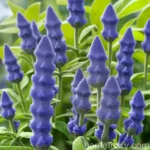
Figure 1: Salvia Lyrata
Key Takeaways – Salvia Lyrata (Lyreleaf Sage)
Before delving into the specifics of caring for Salvia lyrata, let’s take a look at a summary of its key attributes:
- Scientific Name: Salvia lyrata
- Common Name: Lyreleaf Sage
- Plant Type: Herbaceous Perennial
- Habitat: Native to North America – found in woodlands, meadows, and along roadsides
- Attractive Features: Eye-catching foliage and delicate tubular flowers
- Uses: Landscaping, gardens, and traditional medicine
- Growth Conditions: Tolerant of various soil and light conditions
Now that we have a general understanding of Salvia lyrata, let’s explore the specific care requirements for this fascinating plant.
Culture
Uses
Salvia lyrata has a wide range of uses, making it a versatile and valuable addition to gardens and landscapes. Some common uses of Lyreleaf Sage include:
- Landscaping: Its attractive foliage and flowers make it an appealing choice for adding visual interest to gardens and natural landscapes.
- Traditional Medicine: In some traditional medicinal practices, various parts of the plant are used for their purported healing properties.
- Wildlife Support: The flowers of Salvia lyrata attract pollinators, such as bees and butterflies, making it a beneficial addition to pollinator gardens.
Water
Salvia lyrata exhibits adaptability when it comes to water requirements. While it can tolerate occasional drought conditions, it generally thrives in moist, well-draining soil. When established, it can withstand short periods of drought, but regular watering is beneficial, especially during dry spells.
Sunlight
This plant species is adaptable to various light conditions, including full sun to partial shade. However, it generally prefers ample sunlight for optimal growth and flowering. When grown in shadier locations, it may produce fewer flowers and exhibit elongated growth patterns as it reaches for the available light.
Fertilizer
Salvia lyrata does not have particularly high fertilizer needs, but a light application of a balanced, all-purpose fertilizer in the spring can promote healthy growth and blooming. It is important not to over-fertilize, as an excess of nutrients can lead to leggy growth and a reduction in flowering.
Soil
Salvia lyrata is not overly particular about soil type and can thrive in a range of soil conditions, from loamy to sandy. The most important factor is the soil’s drainage capabilities, as this plant does not tolerate waterlogged conditions. A well-draining soil mix is crucial for preventing root rot and promoting healthy growth.
Pruning
Pruning Salvia lyrata is generally minimal, but removing spent flower stems can encourage the plant to produce additional blooms. In late winter or early spring, it can be beneficial to remove any dead or damaged foliage to promote new growth.
Propagation
Salvia lyrata can be propagated through several methods, including seed propagation and division. Here are the common propagation techniques for this plant:
- Seed Propagation: Collect mature seeds in the late summer or fall and sow them in prepared soil. Keep the soil consistently moist until germination occurs.
- Division: This method involves separating mature clumps of Salvia lyrata and replanting them in suitable locations. Spring is the ideal time for dividing established plants.
Container Popularity
While Salvia lyrata is often grown in garden beds and naturalistic settings, it can also thrive in containers. Its adaptability to different soil and light conditions makes it a suitable choice for container gardening, particularly for individuals with limited outdoor space.
Container Common Diseases
When grown in containers, Salvia lyrata may be susceptible to certain diseases, including root rot and powdery mildew. Proper container drainage and adequate air circulation can help prevent these issues.
Disease Diagnosis
Monitoring the plant for signs of wilting, yellowing foliage, or abnormal growth can aid in the early diagnosis of potential diseases. Prompt action, such as adjusting watering practices or applying appropriate treatments, can help address these concerns.
Common Pests
While generally resistant to most pests, Salvia lyrata may occasionally attract aphids or spider mites. Regularly inspecting the plant for signs of pest activity and employing appropriate pest control measures, such as insecticidal soap, can help maintain its health and vigor.
Botanist’s Tips
Highly adaptable and relatively low-maintenance, Salvia lyrata is an excellent choice for gardeners seeking a resilient and visually appealing plant. Here are some additional tips for cultivating and caring for this species:
- Native Range Consideration: When incorporating Salvia lyrata into garden designs or natural landscapes, consider its native range and growth habits to ensure optimal performance and ecological relevance.
- Companion Planting: Pair Salvia lyrata with other pollinator-friendly plants, such as Echinacea and Asclepias, to create a vibrant and wildlife-supportive garden space.
- Naturalized Areas: In suitable locations, allow Salvia lyrata to naturalize and spread, creating a beautiful ground cover that requires minimal maintenance.
Fun Facts
Salvia lyrata is not only a visually appealing plant species, but it also holds several fascinating characteristics and uses. Here are some fun facts about Lyreleaf Sage:
- The distinct shape of its leaves, resembling the musical instrument lyre, inspired its common name, Lyreleaf Sage.
- This plant species has a history of traditional medicinal use, with various indigenous communities utilizing its leaves and roots for their purported healing properties.
- Due to its attractiveness to pollinators, Salvia lyrata is often included in pollinator garden designs to support local wildlife populations.
Links to External Resources
To further explore the world of Salvia lyrata and gain valuable insights into its care and cultivation, consider the following external resources:
- Salvia lyrata Plant Profile – Lady Bird Johnson Wildflower Center
- Growing Salvia Lyrata – Missouri Botanical Garden
- Lyreleaf Sage: A Plant for Wildlife – University of Florida IFAS Extension
- Native Plants for Wildlife Habitat and Conservation Landscaping – North Carolina State University Extension
In conclusion, Salvia lyrata, with its adaptable nature, striking appearance, and ecological significance, deserves a place in diverse gardening and landscaping endeavors. By understanding its specific growth requirements and unique attributes, gardeners can successfully integrate this captivating plant into their outdoor spaces, promoting both aesthetic appeal and environmental benefits. Whether utilized as a pollinator-friendly perennial or a naturalistic ground cover, Salvia lyrata stands as a noteworthy addition to native plant landscapes and garden settings.