Salvia mellifera (Black Sage): A Comprehensive Guide
Salvia mellifera, commonly known as Black Sage, is a species of shrub in the family Lamiaceae. This evergreen plant is native to California and Baja California, thriving in the dry, scrubby landscapes of the region. Black Sage is known for its aromatic foliage, drought tolerance, and its significance in supporting native wildlife. The plant has garnered attention for its landscaping potential, ecological benefits, and various cultural uses. In this comprehensive guide, we will delve into the various aspects of Salvia mellifera, including its characteristics, cultivation, uses, and its role in sustainable gardening and conservation.
What is Salvia mellifera (Black Sage)?
Classification and Description
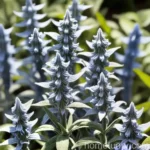
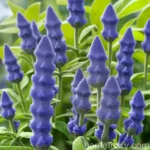
Salvia mellifera, commonly referred to as Black Sage, is a species belonging to the huge and diverse genus Salvia. The genus Salvia encompasses a wide range of herbs and shrubs, many of which are renowned for their aromatic foliage and attractive flowers. Salvia mellifera, in particular, is a woody shrub that typically grows to a height of 3 to 8 feet and spreads 4 to 6 feet wide. Its growth habit is bushy, with dense, dark green foliage that releases a strong, pleasant fragrance when crushed or brushed against. The leaves are narrow, elongated, and coated with fine hairs, contributing to the plant’s distinctive appearance and texture. The shrub produces clusters of tubular, purplish-blue flowers in the spring and into early summer, attracting pollinators such as bees and butterflies.
Ethnobotanical Significance
Salvia mellifera has been an integral part of the indigenous culture of California for centuries. It has been traditionally used by Native American tribes for various purposes, including medicinal, ceremonial, and culinary uses. Black Sage leaves were often used for their aromatic and medicinal properties, while the branches were burnt as incense during ceremonies. The plant has also been utilized for its culinary attributes, adding flavor to traditional dishes.
Key Takeaways – Salvia mellifera (Black Sage)
Before delving deeper into the various aspects of Black Sage, let’s glimpse at some key takeaways about this fascinating plant.
- Botanical Name: Salvia mellifera
- Common Name: Black Sage
- Family: Lamiaceae
- Native Habitat: California and Baja California
- Growth Form: Woody shrub
- Height: 3 to 8 feet
- Width: 4 to 6 feet
- Foliage: Dark green, aromatic, narrow leaves
- Flowers: Clusters of tubular, purplish-blue flowers
- Ecological Importance: Supports native wildlife, including pollinators
- Cultural Uses: Medicinal, ceremonial, and culinary
- Landscape Uses: Drought-tolerant landscaping, wildlife garden, and natural landscaping
Now that we have an overview of Salvia mellifera, let’s explore the plant’s cultivation, uses, and various aspects in detail.
Cultivation of Salvia mellifera (Black Sage)
The successful cultivation of Salvia mellifera relies on understanding its specific requirements in terms of water, sunlight, fertilizer, soil, and pruning. By aligning with the plant’s preferences, gardeners can ensure the optimal growth and health of Black Sage in their landscapes.
Water
Salvia mellifera is renowned for its exceptional drought tolerance, making it well-suited to the dry climates of California. Once established, Black Sage is capable of thriving with minimal supplemental irrigation. However, it is important to provide sufficient water during its initial establishment phase and during prolonged dry spells, especially in regions with little natural rainfall.
- Establishment Phase: Water newly planted Black Sage regularly to promote root establishment. A deep soaking every 7-10 days during the first growing season is generally sufficient, especially if there is no significant rainfall.
- Mature Plants: Once established, Black Sage typically requires minimal supplemental water. In most cases, natural rainfall is adequate to sustain the plant.
Sunlight
Salvia mellifera thrives in full sun to partial shade, displaying the best growth and blooming performance when provided with ample sunlight. When choosing a planting location for Black Sage, it is advisable to prioritize sites that receive at least 6 hours of direct sunlight per day.
- Optimal Sun Exposure: Select a location with full sun, providing 6 to 8 hours of direct sunlight daily for robust growth and prolific flowering.
- Partial Shade Considerations: In particularly hot climates, providing some protection from intense afternoon sun can be beneficial, especially during periods of extreme heat and drought.
Fertilizer
Black Sage does not demand frequent or heavy fertilization, as it is well-adapted to nutrient-poor soils and can thrive without extensive feeding. In fact, excessive fertilization can lead to overly lush growth at the expense of the plant’s natural form and aromatic qualities. For this reason, moderate and infrequent feeding, if necessary, is preferable.
- Fertilization Frequency: Apply a balanced, slow-release fertilizer sparingly in spring, if the soil is notably impoverished or if the plant exhibits signs of nutrient deficiencies.
- Organic Amendments: Incorporating organic matter or compost into the soil during planting can provide a steady, natural source of nutrients for Black Sage, promoting healthy growth.
Soil
Black Sage flourishes in well-draining, nutrient-poor soils, mirroring the conditions of its native habitat. The plant thrives in sandy or gravelly soils with low fertility, showcasing its adaptability to challenging growing conditions.
- Soil Type: Select well-draining soil with a sandy or gravelly texture to mimic the plant’s natural environment and prevent waterlogged conditions.
- Soil Amendment: If the native soil is clay-heavy and poorly draining, amending it with coarse sand and organic matter can improve its structure and drainage, creating a more suitable environment for Black Sage.
Pruning
Regular pruning can help maintain the desired shape and size of Salvia mellifera, enhance its overall appearance, and promote vigorous growth. Proper pruning techniques also aid in removing dead or damaged growth, improving the plant’s health and longevity.
- Pruning Timing: Perform major pruning in late winter or early spring, before active growth resumes. Light maintenance pruning can be conducted as needed throughout the growing season.
- Pruning Techniques: Use clean, sharp pruning shears to remove spent flowers, shape the plant, and thin out excessive growth, promoting better air circulation and reducing the risk of disease.
Uses of Salvia mellifera (Black Sage)
Medicinal Uses
Salvia mellifera has a rich history of traditional medicinal use, particularly among indigenous communities in California. The plant’s aromatic leaves were valued for their therapeutic properties and were employed in various remedies and treatments. Black Sage leaves were often utilized to create infusions and poultices, addressing ailments such as respiratory issues, sore throats, and digestive disturbances.
Culinary Uses
While not as widely recognized for its culinary applications as some other Salvia species, Salvia mellifera has been utilized to infuse flavor into certain dishes and beverages. The leaves of Black Sage can impart a distinctively aromatic and slightly bitter taste, contributing a unique flavor profile to culinary creations. In some instances, the leaves have been used to infuse teas or to flavor savory dishes, adding a subtle herbal dimension to the cuisine.
Ecological Significance
Salvia mellifera plays a vital ecological role, providing sustenance and habitat for native wildlife. The plant is a valuable nectar source for bees, butterflies, and other pollinators, attracting and supporting diverse insect populations. Additionally, the dense foliage and branching structure of Black Sage offer shelter and nesting sites for small birds and other wildlife, contributing to the overall biodiversity of the ecosystem.
Propagation of Salvia mellifera (Black Sage)
Propagating Salvia mellifera enables gardeners and conservationists to expand the presence of this remarkable plant, supporting its conservation and ecological significance. Black Sage can be propagated through various methods, including seeds, cuttings, and division, each of which offers distinct advantages and considerations.
Seed Propagation
Growing Salvia mellifera from seed can be a rewarding and cost-effective method of propagation, enabling the generation of numerous plants from a single seed source. When collecting seeds from existing Black Sage plants, ensuring genetic diversity and the preservation of locally adapted traits is essential for conservation purposes.
- Seed Collection: Gather mature seeds from healthy, established Salvia mellifera plants in late summer or early fall, once the seed heads have dried and turned brown.
- Germination Requirements: Sow the seeds in well-draining, sandy soil and provide consistent moisture until germination occurs, typically within a few weeks to a few months.
Stem Cuttings
Using stem cuttings to propagate Salvia mellifera allows for the rapid generation of new plants that are genetically identical to the parent. This method can be particularly useful when seeking to preserve specific traits or characteristics exhibited by a particular Black Sage specimen.
- Cutting Preparation: Select healthy, non-flowering stems and take 4-6 inch cuttings, removing the lower leaves and treating the cut end with a rooting hormone to encourage root development.
- Propagation Medium: Insert the cuttings into a well-draining propagation medium, such as a mixture of perlite and coarse sand, and maintain consistent moisture and high humidity until roots form.
Division
Dividing mature Salvia mellifera plants enables the creation of new individuals from established clumps, rejuvenating the existing plant and expanding its presence in the landscape. This method is particularly effective for propagating older plants with dense, sprawling growth habits.
- Division Technique: Carefully dig up the established Black Sage plant in late winter or early spring, dividing the root ball into several sections, each containing viable roots and shoots.
- Transplanting Considerations: Replant the divided sections in well-prepared soil, ensuring adequate water and protection from extreme conditions until new growth establishes.
Container Cultivation of Salvia mellifera (Black Sage)
While Salvia mellifera typically thrives in open landscapes, it can also be successfully grown in containers, enabling gardeners with limited space or challenging growing conditions to enjoy the plant’s unique attributes. Container cultivation of Black Sage necessitates attention to specific considerations to optimize the plant’s growth and well-being.
Popularity in Containers
Salvia mellifera has gained popularity as a container plant, owing to its compact growth habit, attractive foliage, and aromatic presence. The plant’s adaptability to container cultivation makes it well-suited for small gardens, patios, and urban landscapes.
- Container Selection: Choose a spacious, well-draining container with adequate depth to accommodate the plant’s root system and promote healthy growth.
- Soil Considerations: Use a high-quality, well-draining potting mix tailored for drought-tolerant plants, ensuring adequate aeration and moisture retention.
Common Diseases in Containers
While Salvia mellifera exhibits a notable resilience to many pests and diseases, certain issues can arise, particularly in container-grown specimens. Proper cultural practices and preventative measures can help mitigate the risk of common diseases and promote the plant’s vigor.
Disease Diagnosis
- Powdery Mildew: Symptoms may include the development of powdery, white patches on the leaves, typically occurring in humid or overcrowded conditions. Provide adequate air circulation and consider applying preventative fungicidal treatments.
Common Pests in Containers
Despite being relatively resistant to pests, particularly when provided with optimal growing conditions, Salvia mellifera may occasionally encounter pest-related challenges, especially in container settings.
Botanist’s Tips
- Aphids and Whiteflies: Monitor for the presence of aphids and whiteflies, especially during warmer months, and employ insecticidal soap or horticultural oils as needed to control infestations.
Fun Facts about Salvia mellifera (Black Sage)
As we uncover the multifaceted nature of Black Sage, let’s explore some intriguing and lesser-known facts about Salvia mellifera.
- Cultural Significance: Salvia mellifera holds a special place in the cultural traditions of Native American tribes in California, featuring in various ceremonies, rituals, and traditional remedies.
- Aromatic Qualities: The leaves of Black Sage possess a rich, aromatic fragrance, often described as balsamic or resinous, contributing to the plant’s appeal in gardens and natural landscapes.
- Wildlife Magnet: Salvia mellifera serves as a pollinator magnet, attracting bees, butterflies, and other beneficial insects with its nectar-rich flowers, supporting the overall biodiversity of the ecosystem.
Links to External Resources
To further enrich our understanding of Salvia mellifera and its diverse attributes, here are some valuable external resources for additional information and insights:
Conclusion
Salvia mellifera, or Black Sage, is not only an iconic California native plant but also a species of immense ecological and cultural significance. From its drought tolerance and medicinal uses to its capacity as a wildlife habitat and ecological cornerstone, Black Sage embodies the resilience and adaptation of native Californian flora. Through proper cultivation, its unique attributes can be harnessed to create sustainable, pollinator-friendly landscapes and wildlife-friendly gardens, emphasizing its crucial role in ecological preservation and sustainable gardening practices. By understanding and appreciating the remarkable characteristics and uses of Salvia mellifera, we can further promote its conservation, celebrate its heritage, and embrace its timeless value in our gardens and natural landscapes.