Salvia leucantha (Mexican Bush Sage): A Comprehensive Guide
Salvia leucantha, commonly known as Mexican Bush Sage, is a stunning and versatile perennial plant that is treasured by gardeners for its striking appearance and ease of care. This comprehensive guide will delve into the details of the Mexican Bush Sage plant, encompassing its cultural requirements, uses, pruning techniques, propagation methods, common diseases, and much more. Whether you are a seasoned horticulturist or a novice gardener, this guide will equip you with the knowledge to successfully cultivate and maintain Salvia leucantha in your garden.
What is Salvia leucantha (Mexican Bush Sage)?
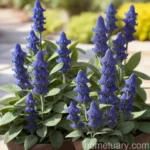
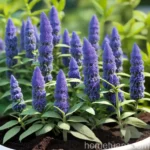
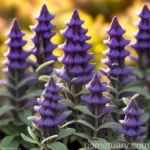
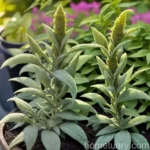
Salvia leucantha belongs to the Lamiaceae family and is native to Mexico and Central America. It is characterized by its velvety, purple-tinged flower spikes and soft, gray-green foliage, creating a visually captivating display. This herbaceous perennial is often grown for its ornamental value, attracting pollinators and adding a burst of color to gardens, landscapes, and container plantings.
Key Takeaways – Salvia leucantha (Mexican Bush Sage)
Before delving into the specific cultural aspects of Salvia leucantha, let’s outline the key takeaways associated with this remarkable plant:
- Botanical Name: Salvia leucantha
- Common Name: Mexican Bush Sage
- Family: Lamiaceae
- Native Habitat: Mexico and Central America
- Ornamental Features: Velvety, purple-tinged flower spikes and soft, gray-green foliage
- Cultural Uses: Ornamental, wildlife garden, medicinal, and culinary
- Water Requirements: Moderate
- Sunlight Needs: Full sun to partial shade
- Soil Preferences: Well-draining, fertile soil
- Flowering Period: Late summer to fall
- Height and Spread: 3-4 feet tall and wide
- Planting Guide: Recommended for USDA hardiness zones 8-11
- Common Pests: Aphids, spider mites
- Common Diseases: Powdery mildew, root rot
Now that we have a brief overview of Salvia leucantha, let’s delve into the specific cultural aspects and care requirements for cultivating and maintaining this captivating plant.
Culture
Uses
Salvia leucantha exhibits a diverse range of uses, making it a valuable addition to gardens and landscapes:
- Ornamental: The striking flower spikes and attractive foliage make Salvia leucantha a popular choice for ornamental plantings, borders, and cut flower arrangements.
- Wildlife Garden: The abundant nectar produced by the flowers attracts bees, butterflies, and hummingbirds, making it a valuable addition to wildlife-friendly gardens.
- Medicinal: In traditional medicine, various parts of the plant are used for their purported medicinal properties, including anti-inflammatory and antioxidant effects.
- Culinary: While not as widely utilized as some other culinary herbs, Salvia leucantha leaves can be used to infuse teas or add a subtle flavor to dishes.
Water
Proper watering is essential for the health and vigor of Salvia leucantha. While it is considered drought-tolerant once established, regular watering is crucial, particularly during the plant’s establishment phase and in periods of extended drought.
- Watering Schedule: For young plants or those undergoing drought conditions, water deeply once or twice a week. Once established, watering can be reduced to occasional deep waterings, allowing the soil to dry out between watering sessions.
- Watering Technique: Water at the base of the plant to minimize moisture on the foliage, which can contribute to disease development. Avoid overhead watering, especially in humid or excessively wet conditions.
Sunlight
Salvia leucantha thrives in locations that receive ample sunlight, and it is essential to provide the plant with the appropriate light conditions for optimal growth and flowering.
- Sunlight Requirements: Full sun is ideal for Salvia leucantha, ensuring that the plant receives at least 6-8 hours of direct sunlight each day. While it can tolerate partial shade, reduced sunlight may result in decreased flowering and a more open, leggy growth habit.
Fertilizer
Proper fertilization is essential for promoting healthy growth and abundant flowering in Salvia leucantha. However, excessive fertilization can lead to excessive vegetative growth at the expense of flower production.
- Fertilizer Type: Use a balanced, slow-release fertilizer formulated for flowering perennials. A formulation with an N-P-K ratio of 10-10-10 or similar is suitable for Salvia leucantha.
- Fertilizing Schedule: Apply fertilizer in early spring as new growth emerges, and consider a second application in mid-summer if the plant exhibits slow growth or pale foliage. Always follow the manufacturer’s instructions for application rates and methods.
Soil
The soil composition plays a vital role in the overall health and performance of Salvia leucantha, with well-draining, fertile soil being particularly beneficial for this plant.
- Soil Type: Salvia leucantha thrives in well-draining, loamy soil with a slightly acidic to neutral pH level (6.0-7.0). Avoid heavy, clay soils that retain excessive moisture and pose a risk of root rot.
- Soil Amendment: Incorporating organic matter such as compost or well-rotted manure into the soil at the time of planting can improve soil structure and fertility, benefiting the growth of Salvia leucantha.
Pruning
Pruning is an essential aspect of Salvia leucantha maintenance, contributing to a tidy appearance, increased flowering, and overall plant health.
- Pruning Time: In late winter to early spring, prune Salvia leucantha to remove any dead or damaged growth and encourage new growth.
- Pruning Technique: Use clean, sharp pruners to make clean cuts just above a set of healthy leaves or nodes. Additionally, consider deadheading spent flowers to promote continuous blooming.
Propagation
Salvia leucantha can be propagated through several methods, including seeds, cuttings, and division.
- Propagation from Cuttings: Take semi-ripe cuttings from healthy, actively growing shoots in late spring or early summer. Remove the lower leaves and plant the cuttings in a well-draining rooting medium. Provide bottom heat and maintain high humidity to encourage root development.
- Propagation from Division: As the plant matures, it may develop dense clumps that can be divided in early spring. Carefully lift the plant, and using a sharp, clean knife or spade, divide the root ball into sections with several shoots. Replant the divisions in prepared soil and water thoroughly.
Container Popularity
Salvia leucantha is well-suited for container cultivation, offering an attractive and versatile option for gardeners with limited space or those seeking to showcase the plant on patios, decks, or balconies.
- Container Selection: Choose a large, well-draining container with adequate drainage holes to prevent waterlogging. A pot with a diameter of at least 18 inches is recommended to accommodate the plant’s root system.
- Container Soil: Use a high-quality, well-draining potting mix designed for perennial or flowering plants. Consider adding a layer of gravel or horticultural charcoal at the bottom of the pot to enhance drainage.
Common Diseases
While relatively resilient, Salvia leucantha is susceptible to certain diseases that can impact its overall health and appearance.
Disease Diagnosis
Being able to identify and diagnose common diseases affecting Salvia leucantha is crucial for implementing effective management strategies.
- Powdery Mildew: This fungal disease appears as a powdery white coating on the leaves and stems, typically in humid conditions. Good air circulation and avoiding overhead watering can help prevent powdery mildew.
- Root Rot: Excessive soil moisture or poorly draining soil can lead to root rot in Salvia leucantha. Symptoms include wilting, yellowing foliage, and a foul odor from the roots. Addressing the underlying moisture issues and improving soil drainage is key to preventing and managing root rot.
Common Pests
Several pests may infest Salvia leucantha, affecting its growth and overall health. Vigilance and prompt intervention are essential for managing pest infestations effectively.
- Aphids: These small, soft-bodied insects can cluster on the tender growth of Salvia leucantha, sucking plant juices and causing distortion of the foliage. Insecticidal soap or a strong blast of water can help control aphid populations.
- Spider Mites: Spider mites are common pests that can cause stippling and discoloration of the foliage. Regularly inspect the undersides of leaves for fine webbing and mites, and treat infestations with horticultural oil or insecticidal soap.
Botanist’s Tips
As a plant scientist, my experience and expertise allow me to share valuable insights and tips for cultivating and caring for Salvia leucantha:
- Companion Plants: Pair Salvia leucantha with companion plants that complement its growth habits and provide contrasting colors and textures. Suitable companions may include ornamental grasses, Coreopsis, Echinacea, and Russian Sage.
- Winter Care: In regions with colder winters, provide a layer of mulch around the base of the plant to insulate the roots and protect them from freezing temperatures. Additionally, consider cutting back the plant once it goes dormant in late fall or early winter to tidy up the garden.
Fun Facts
- The specific epithet “leucantha” is derived from the Greek words “leukos” (white) and “anthos” (flower), alluding to the white woolly flowers of the plant.
- Salvia leucantha is often used in butterfly gardens, serving as a nectar source for numerous butterfly species.
Links to External Resources
For further information and resources on Salvia leucantha, consider exploring the following links:
- Salvia Leucantha: A Plant for All Seasons
- Salvia leucantha – Mexican Bush Sage
- Growing Mexican Bush Sage
- Salvia leucantha – University of Florida, Institute of Food and Agricultural Sciences
In conclusion, Salvia leucantha, or Mexican Bush Sage, is a captivating plant with a multitude of uses and ornamental value. By understanding its cultural requirements, propagation methods, and potential issues, gardeners can successfully cultivate and enjoy the beauty of this resilient and versatile perennial. Whether incorporated into wildlife gardens, container plantings, or traditional landscapes, Salvia leucantha is sure to leave a lasting impression with its delightful blooms and lush foliage.