Rosa The Albrighton Rambler (Rambling Rose): A Complete Care Guide
Introduction to Rosa The Albrighton Rambler (Rambling Rose)
Rosa The Albrighton Rambler is a captivating and elegant rambling rose that has carved its place in gardens and landscapes with its stunning display of blooms and vigorous growth habit. This variety is celebrated for its charming characteristics and versatility, making it a popular choice among gardening enthusiasts. In this comprehensive guide, we will delve into the world of Rosa The Albrighton Rambler, exploring its cultural significance, uses, care requirements, and much more.
Key Takeaways – Rosa The Albrighton Rambler (Rambling Rose)
Before we embark on our exploration of Rosa The Albrighton Rambler, let’s take a quick look at the key takeaways that we will be covering in this article:
- Understanding the cultural significance of Rosa The Albrighton Rambler.
- Exploring the various uses of this remarkable rambling rose.
- Identifying the crucial factors for successfully growing and maintaining Rosa The Albrighton Rambler, including water, sunlight, fertilizer, soil, pruning, and propagation.
- Discussing the container cultivation of this variety and its popularity in this form.
- Shedding light on the common diseases and pests that can affect Rosa The Albrighton Rambler, along with diagnosis and control measures.
- Presenting fun facts and tips from botanists to enhance your experience with this delightful rambling rose.
Now, let’s immerse ourselves in the enchanting world of Rosa The Albrighton Rambler and uncover the secrets to nurturing and enjoying this splendid plant to its fullest potential.
What is Rosa The Albrighton Rambler (Rambling Rose)?
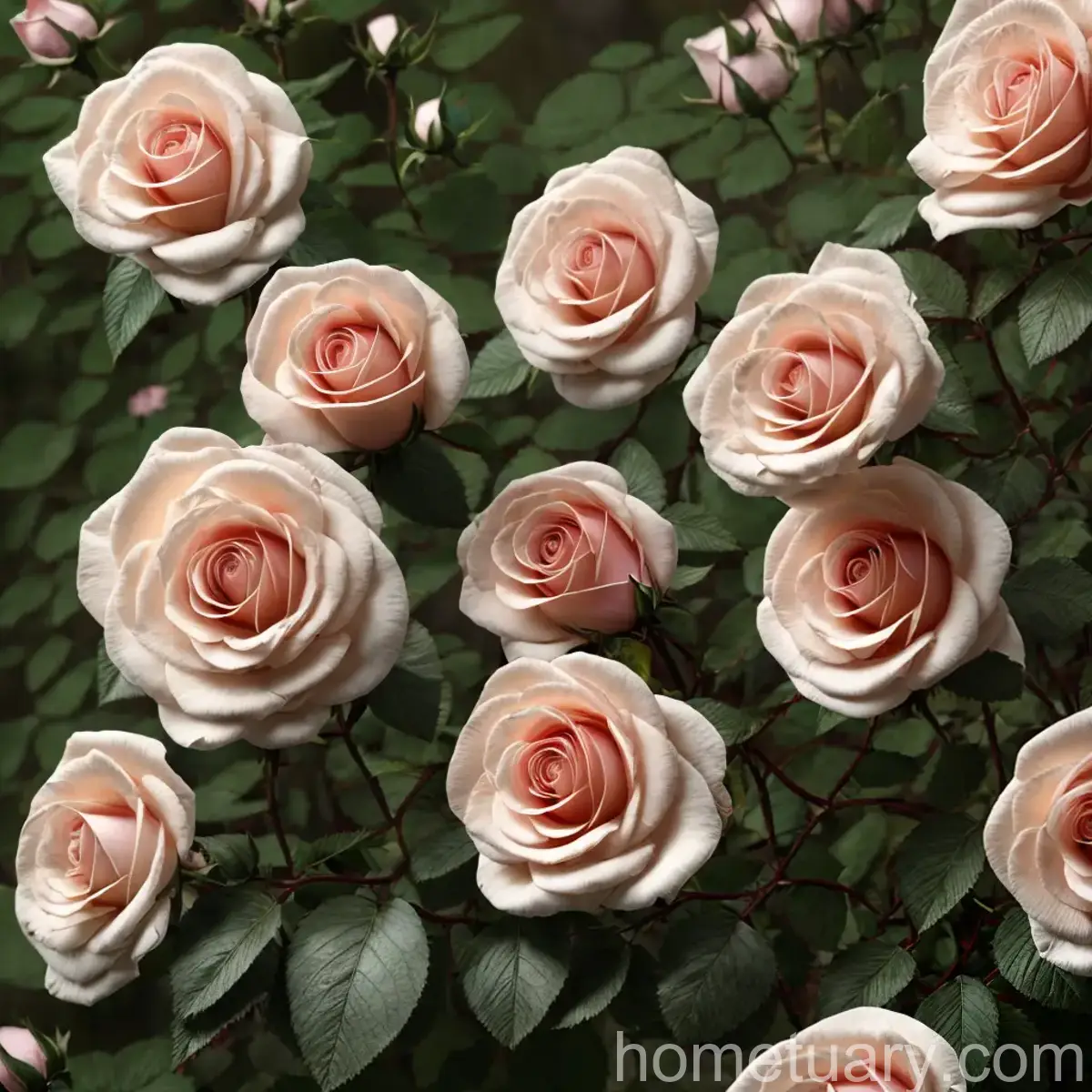
Rosa The Albrighton Rambler, known for its botanical name Rosa ‘Ausmake,’ is a vigorous and exuberant rambling rose variety that belongs to the Rosaceae family. This remarkable rose cultivar is celebrated for its profuse clusters of semi-double, soft pink flowers, exuding a delightful fragrance that fills the air with its sweet and captivating scent. The blooms are elegantly complemented by its glossy, dark green foliage, adding to the overall allure of this breathtaking plant.
The impressive vigor and abundant flowering of Rosa The Albrighton Rambler make it an ideal choice for adorning trellises, arches, pergolas, and other structures, creating captivating displays of color and fragrance in gardens and landscapes. Its ability to cover large areas and its graceful cascading habit make it a standout performer, adding a touch of romance and elegance to any setting.
Culture of Rosa The Albrighton Rambler
The culture of Rosa The Albrighton Rambler encompasses the profound appreciation and cultivation of this exquisite rambling rose variety. It symbolizes the art of nurturing and celebrating the beauty and vitality of this plant, embracing its botanical significance and intrinsic charm. The cultural significance of Rosa The Albrighton Rambler extends beyond its physical attributes, capturing the essence of its enchanting presence in various cultural contexts, including literature, art, and horticulture.
Uses of Rosa The Albrighton Rambler
Rosa The Albrighton Rambler is a versatile and multi-faceted plant, offering a myriad of uses that cater to both practical and aesthetic purposes. From ornamental garden displays to floral arrangements, this exceptional rambling rose adds a touch of sophistication and natural splendor to a wide range of settings. Its cascading growth habit and abundant blooms make it an attractive choice for vertical gardening, landscaping, and creating captivating focal points in outdoor spaces.
Beyond its ornamental value, Rosa The Albrighton Rambler also serves as a source of nectar for pollinators, contributing to the ecological balance and biodiversity of its surroundings. Additionally, its fragrant blooms make it a charming addition to cutting gardens, providing an abundant supply of blossoms for floral decorations and indoor enjoyment.
Water Requirements for Rosa The Albrighton Rambler
Proper watering is essential for the health and vitality of Rosa The Albrighton Rambler, ensuring that it receives an adequate and consistent water supply to support its vigorous growth and floral abundance. Understanding the specific water requirements of this rambling rose is crucial for maintaining optimal moisture levels in the soil and promoting a thriving and resilient plant.
-
Watering Frequency: Rosa The Albrighton Rambler benefits from regular, deep watering, especially during dry periods and the active growing season. Aim to provide water when the soil begins to dry out, ensuring that the root zone receives ample moisture without becoming waterlogged.
-
Soil Moisture: The soil should be moist but well-draining, allowing excess water to escape freely and preventing waterlogged conditions that can lead to root rot and other moisture-related issues. Regularly check the soil moisture level and adjust the watering frequency based on environmental factors and the plant’s specific needs.
Sunlight Requirements for Rosa The Albrighton Rambler
Sunlight plays a pivotal role in shaping the growth, blooming, and overall performance of Rosa The Albrighton Rambler, making it essential to understand and provide the appropriate sunlight conditions for this remarkable rambling rose variety.
-
Full Sun Exposure: Rosa The Albrighton Rambler thrives in full sun, benefiting from at least 6-8 hours of direct sunlight each day. Select a planting location that receives ample sunshine, maximizing the plant’s exposure to the sun’s energy and promoting robust growth and prolific flowering.
-
Partial Shade: While Rosa The Albrighton Rambler prefers full sun, it can tolerate partial shade, making it suitable for locations with some dappled sunlight or filtered light. However, to ensure the best performance and flowering potential, prioritize planting in a sunny spot that offers the ideal light conditions for this rambling rose.
Fertilizer for Rosa The Albrighton Rambler
Applying appropriate fertilizers is crucial for providing Rosa The Albrighton Rambler with essential nutrients to support its growth, blooming, and overall vigor. By understanding the specific fertilizer requirements of this rambling rose, you can nourish and enrich the soil, promoting a healthy and thriving plant.
-
Balanced Fertilizer: Choose a well-balanced, slow-release fertilizer formulated for roses and flowering plants. The balanced NPK (nitrogen, phosphorus, potassium) ratio supports healthy foliage, robust blooms, and overall plant vitality, ensuring that Rosa The Albrighton Rambler receives the necessary nutrients for optimal growth.
-
Application Timing: Apply fertilizer in early spring, just as the new growth begins, to provide a nutrient boost for the upcoming growing season. Additionally, a second application in midsummer can further support the plant’s blooming and overall health, promoting a continuous display of blossoms and lush foliage.
Soil Requirements for Rosa The Albrighton Rambler
Understanding the soil preferences of Rosa The Albrighton Rambler is essential for creating an optimal growing environment that supports its vigor, root development, and flowering potential. By selecting the right soil type and making necessary soil amendments, you can ensure that this rambling rose thrives and flourishes in its chosen location.
-
Well-Draining Soil: Rosa The Albrighton Rambler thrives in well-draining soil that prevents water from pooling around the roots, reducing the risk of root rot and other moisture-related issues. Incorporate organic matter, such as compost or well-rotted manure, into the soil to improve its drainage and nutrient content, creating an ideal growing medium for this plant.
-
pH Level: Aim for a slightly acidic to neutral soil pH ranging from 6.0 to 7.0, providing a favorable pH environment that supports nutrient availability and root uptake. Conduct a soil pH test and amend the soil as needed to achieve the optimal pH range for Rosa The Albrighton Rambler’s growth and performance.
Pruning Rosa The Albrighton Rambler
Pruning plays a crucial role in shaping the growth habit, blooming potential, and overall appearance of Rosa The Albrighton Rambler, making it a fundamental aspect of its care and maintenance. By understanding the pruning requirements and techniques for this rambling rose, you can promote a well-structured and floriferous plant that adds beauty and elegance to its surroundings.
-
Pruning Timing: Conduct major pruning in late winter or early spring, before the onset of new growth. This timing allows for the removal of dead or damaged wood, shaping the plant, and stimulating fresh growth for the upcoming season.
-
Pruning Techniques: When pruning Rosa The Albrighton Rambler, focus on removing spent flowers, weak or crossing branches, and any diseased or damaged wood. Additionally, consider thinning out the older growth to encourage new shoots and maintain a balanced and open growth habit.
Propagation of Rosa The Albrighton Rambler
Propagating Rosa The Albrighton Rambler offers an opportunity to expand your collection of this captivating rambling rose and share its beauty with others. By utilizing effective propagation methods, such as cuttings or layering, you can cultivate new plants from established ones, preserving and proliferating this remarkable variety.
-
Cuttings: Propagate Rosa The Albrighton Rambler using semi-hardwood cuttings taken from healthy, disease-free stems. Prepare the cuttings, dip them in rooting hormone, and plant them in a well-draining propagation medium. Ensure consistent moisture and warmth to support root development, allowing the cuttings to establish and grow into new plants.
-
Layering: Another method for propagating Rosa The Albrighton Rambler involves utilizing layering, where a portion of a stem is encouraged to root while still attached to the parent plant. This process allows for the development of new roots and the subsequent separation of the rooted section to establish a new plant.
Container Cultivation of Rosa The Albrighton Rambler
While Rosa The Albrighton Rambler is renowned for its sprawling growth habit in garden settings, it can also thrive in containers, bringing its charm and elegance to patios, balconies, and other confined spaces. Discovering the best practices for container cultivation and maintenance of this rambling rose enables you to enjoy its beauty and fragrance in a more controlled environment.
-
Container Selection: Choose a spacious and sturdy container that provides ample room for root development and stability for the growing plant. Select a container with adequate drainage holes to prevent waterlogging and ensure proper soil aeration.
-
Growing Medium: Use a well-draining potting mix suitable for roses and perennial plants, enriching it with organic matter to support the plant’s nutrient needs and moisture retention. Maintain proper soil moisture in the container, avoiding extremes of dryness or waterlogging.
-
Support Structure: As a rambling rose, Rosa The Albrighton Rambler benefits from a support structure within the container, such as a trellis or obelisk, to guide its growth and encourage upward and lateral expansion. Secure the support structure firmly to prevent toppling as the plant grows and matures.
Popularity of Rosa The Albrighton Rambler in Containers
The enduring popularity of Rosa The Albrighton Rambler in container cultivation reflects its adaptability and visual appeal in confined spaces, making it a sought-after choice for balcony gardens, urban landscapes, and other settings with limited ground space. The captivating blooms and cascading growth habit of this rambling rose translate seamlessly to container environments, adding a touch of charm and natural elegance to outdoor spaces.
Common Diseases Affecting Rosa The Albrighton Rambler
Despite its resilience and vigor, Rosa The Albrighton Rambler is susceptible to certain diseases that can impact its health and blooming potential. Recognizing and understanding the common diseases affecting this rambling rose is essential for implementing preventive measures and timely interventions to safeguard the plant from potential threats.
-
Powdery Mildew: This fungal disease manifests as powdery white patches on the foliage, impacting the plant’s overall vigor and aesthetic appeal. Regular monitoring, proper air circulation, and targeted fungicidal treatments can help manage and prevent powdery mildew.
-
Black Spot: Black spot disease appears as black or dark brown spots on the leaves, leading to defoliation and weakening of the plant. Implementing good sanitation practices, such as removing and disposing of infected leaves, and utilizing fungicidal sprays can aid in controlling black spot.
-
Downy Mildew: Downy mildew causes yellowing and browning of the leaves, often accompanied by a fuzzy, purplish-gray growth on the undersides. Promoting good air circulation, avoiding overhead watering, and applying appropriate fungicidal treatments can help mitigate downy mildew issues.
Diagnosis and Control of Diseases in Rosa The Albrighton Rambler
Diagnosing and controlling diseases in Rosa The Albrighton Rambler involves vigilant monitoring, prompt identification of symptoms, and targeted management strategies to address specific disease issues. By adopting preventive measures and taking timely action against potential threats, you can safeguard the health and vitality of this remarkable rambling rose.
-
Regular Inspection: Routinely inspect the plant for any signs of disease, including unusual spots, discoloration, or unusual growth on the foliage and stems. Early detection allows for immediate intervention and reduces the risk of disease spread.
-
Cultural Practices: Implement cultural practices that promote overall plant health, such as maintaining proper spacing between plants, providing good air circulation, and avoiding overhead watering that can lead to increased humidity and disease development.
-
Fungicidal Treatments: When necessary, apply targeted fungicidal sprays or treatments to manage and control specific diseases affecting Rosa The Albrighton Rambler. Follow product instructions and recommendations for optimal efficacy and safety.
Common Pests Affecting Rosa The Albrighton Rambler
While Rosa The Albrighton Rambler is resilient against many environmental stresses, it can encounter pest infestations that pose potential threats to its growth and blooming. Identifying the common pests affecting this rambling rose and implementing effective pest management strategies are essential for protecting the plant and preserving its health and vitality.
-
Aphids: These small, soft-bodied insects can cluster on the new growth and undersides of leaves, feeding on plant sap and causing leaf distortion and honeydew secretion. Utilize insecticidal soaps or horticultural oils to control aphid populations and minimize their impact on the plant.
-
Spider Mites: Spider mites are tiny arachnids that infest the foliage, leading to stippling, webbing, and overall weakening of the plant. Mitigate spider mite infestations by employing natural predators, such as predatory mites, or using targeted insecticidal treatments.
-
Thrips: Thrips are slender, winged insects that can cause damage to the buds and flowers of Rosa The Albrighton Rambler, leading to discoloration and distortion. Utilize specialized insecticides and cultural practices to manage thrips and reduce their impact on the plant.
Botanist’s Tips for Growing Rosa The Albrighton Rambler
Drawing from the expertise and insights of botanists, we can uncover valuable tips and recommendations for growing and maintaining Rosa The Albrighton Rambler, ensuring that we provide optimal care and create an ideal environment for this remarkable rambling rose variety.
-
Optimal Trellising: When training and guiding the growth of Rosa The Albrighton Rambler, prioritize the use of sturdy trellises or support structures that can accommodate the plant’s robust growth and provide ample space for its cascading stems and blooming clusters.
-
Ample Air Circulation: Promote good air circulation around the plant by allowing sufficient spacing between Rosa The Albrighton Rambler and neighboring plants or structures. Enhanced air movement reduces the risk of disease development and fosters overall plant health.
-
Regular Monitoring: Stay attentive to the plant’s growth, blooming patterns, and overall health, conducting routine monitoring to detect any signs of disease, pest infestations, or cultural issues that may impact its well-being.
Fun Facts about Rosa The Albrighton Rambler
Exploring the enchanting world of Rosa The Albrighton Rambler unveils an array of fascinating and captivating facts that enrich our understanding and appreciation of this remarkable rambling rose. From its historical significance to its charming characteristics, these fun facts add a layer of intrigue and delight to the experience of cultivating and enjoying this captivating plant.
-
History and Heritage: Rosa The Albrighton Rambler traces its origins to the renowned David Austin Roses, a distinguished breeding program celebrated for its innovative and exquisite rose varieties that capture the essence of romance and elegance.
-
Fragrance and Aroma: The blooms of Rosa The Albrighton Rambler exude a delightful fragrance, reminiscent of classic old roses, enveloping its surroundings in a sweet and alluring scent that captivates the senses.
-
Cascading Beauty: With its vigorous growth habit and graceful cascading stems, Rosa The Albrighton Rambler creates a stunning visual display as it adorns arches, pergolas, and other structures, adding an enchanting touch of natural beauty to any setting.
Links to External Resources
For further exploration and in-depth information about Rosa The Albrighton Rambler and related topics, consider following the links to external resources provided below:
- Royal Horticultural Society (RHS) – Rosa ‘The Albrighton Rambler’ (Ausmake)
- American Rose Society – Growing Roses
- University of California Statewide Integrated Pest Management Program – Roses: Diseases and abiotic disorders
In conclusion, Rosa The Albrighton Rambler (Rambling Rose) stands as a testament to the timeless allure and captivating beauty of garden roses, offering a multitude of uses, cultural significance, and symbolic charm. By immersing ourselves in the world of this remarkable rambling rose, we gain valuable insights into its care, maintenance, and enchanting presence in the garden. Whether adorning trellises, containers, or expansive landscapes, Rosa The Albrighton Rambler captivates with its exquisite blossoms, fragrant aura, and cascading elegance, leaving a lasting impression of natural splendor and romance.
Investing in the cultivation of Rosa The Albrighton Rambler enriches our outdoor spaces and connects us to the enduring legacy of classic garden roses, evoking a sense of beauty, grace, and timeless allure that transcends generations. This remarkable rambling rose invites us to embark on a journey of discovery, appreciation, and nurturing, enriching our lives with its enduring charm and captivating presence.
As we unravel the intricacies of growing and celebrating Rosa The Albrighton Rambler, we embrace the artistry of gardening and the profound connection to nature, fostering a deeper appreciation for the botanical wonders that grace our world.
Remember, whether you are a dedicated gardening enthusiast or a newcomer to the world of roses, the timeless appeal of Rosa The Albrighton Rambler awaits, inviting you to experience the splendor of classic garden roses and the enduring romance of nature’s most captivating blooms.