Salvia Azurea Var. Grandiflora (Pitcher Sage)
Salvia azurea var. grandiflora, commonly known as Pitcher Sage, is a stunning herbaceous perennial plant that belongs to the Lamiaceae family. Native to.
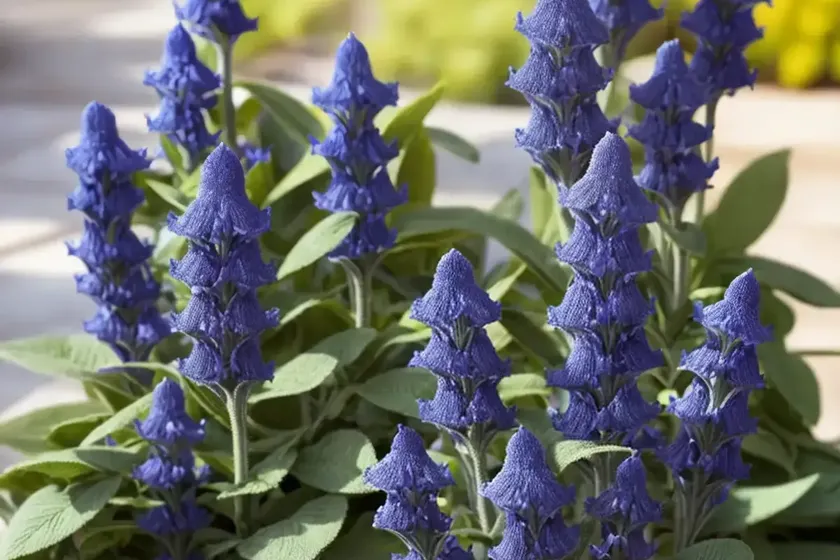
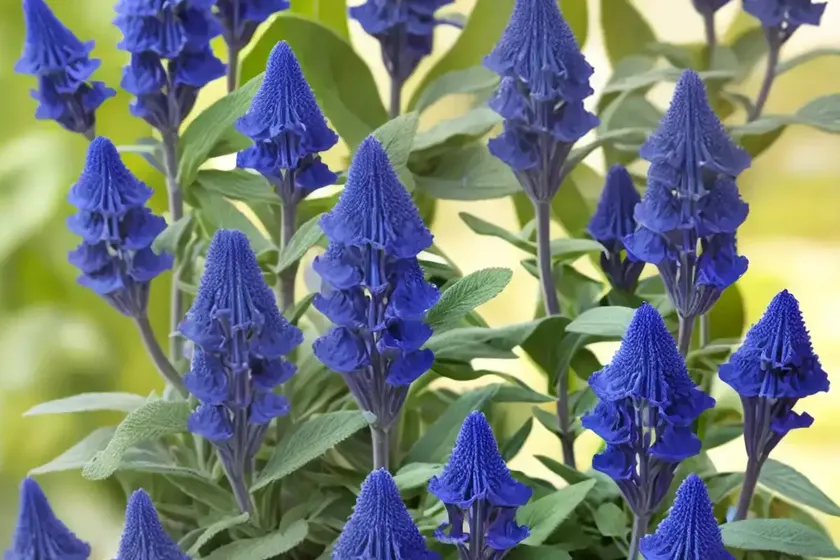
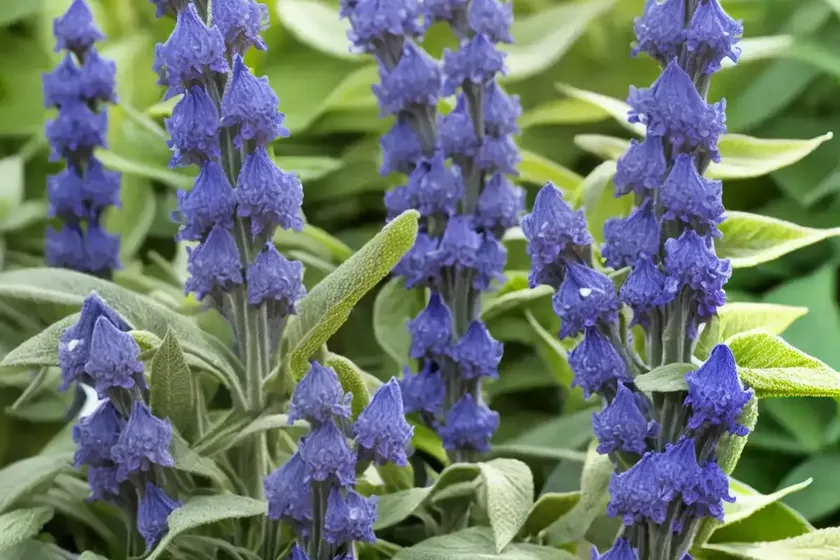
Salvia azurea var. grandiflora, commonly known as Pitcher Sage, is a stunning herbaceous perennial plant that belongs to the Lamiaceae family. Native to North America, this beautiful plant has captured the hearts of gardeners and plant enthusiasts with its striking blue flowers and impressive adaptability.
In this comprehensive guide, we will delve into the world of Salvia azurea var. grandiflora, exploring its cultural requirements, uses, propagation techniques, common diseases and pests, as well as fun facts and botanist’s tips for cultivating and caring for this remarkable plant.
What is Salvia Azurea var. Grandiflora (Pitcher Sage)?
Salvia azurea var. grandiflora, also known as the Pitcher Sage, is a herbaceous perennial plant that is native to North America. It is characterized by its vibrant blue flowers and attractive foliage, making it a popular choice for garden borders, meadows, and naturalistic landscapes. This species is a member of the larger Salvia genus, which comprises over 900 species of plants, including annuals, biennials, and perennials.
Key Takeaways – Salvia Azurea var. Grandiflora (Pitcher Sage)
Before delving into the specifics of Salvia azurea var. grandiflora, let’s highlight the key takeaways about this remarkable plant.
- Plant Name: Salvia azurea var. grandiflora (Pitcher Sage)
- Common Names: Pitcher Sage
- Family: Lamiaceae
- Native Habitat: North America
- Growth Habit: Herbaceous Perennial
- Flower Color: Blue
- Attracts: Pollinators and Wildlife
- Drought Tolerance: High
- Sun Exposure: Full Sun to Partial Shade
- Low Maintenance: Yes
- Medicinal Uses: Potential
- Deer Resistance: Moderate
- Hardiness: Zones 5-9
- Water-Wise Plant: Yes
- Blooming Period: Late Summer to Early Fall
Now, let’s dive into the specific aspects of the culture, uses, and care of Salvia azurea var. grandiflora.
Culture
Cultivating Salvia azurea var. grandiflora requires an understanding of its specific cultural requirements to ensure its optimal growth and development. From selecting the right location to understanding its water and sunlight needs, the cultural aspects play a critical role in the successful cultivation of Pitcher Sage.
Water
Salvia azurea var. grandiflora is known for its excellent drought tolerance, making it well-suited for dry, arid conditions. However, well-drained soil is essential for its overall health and vigor. The plant generally prefers moderate moisture levels, especially during its establishment period. Once established, it can thrive with minimal supplemental watering, making it a valuable addition to water-wise landscapes.
Sunlight
In terms of sunlight requirements, Salvia azurea var. grandiflora flourishes in full sun to partial shade. Providing ample sunlight not only promotes prolific blooming but also enhances the plant’s overall resilience and vigor. When selecting a location for planting, ensure that it receives at least 6-8 hours of direct sunlight daily for optimal growth.
Fertilizer
Pitcher Sage is known for its low-maintenance nature, and excessive fertilization is generally not required. However, incorporating a balanced, slow-release fertilizer in early spring can support healthy growth and flowering. Select a fertilizer with a balanced NPK ratio, such as 10-10-10, and apply it according to the manufacturer’s recommendations.
Soil
Salvia azurea var. grandiflora thrives in various soil types as long as they are well-drained. It prefers moderately fertile, loamy soils with a slightly acidic to neutral pH. Prior to planting, it is beneficial to amend the soil with organic matter, such as compost or well-rotted manure, to enhance its moisture retention and nutrient content.
Pruning
Proper pruning is essential for maintaining the compact form and promoting abundant flowering in Salvia azurea var. grandiflora. Pruning is typically performed in early spring to remove any damaged or dead foliage and encourage new growth. Additionally, deadheading spent flowers throughout the blooming season can prolong the flowering period and prevent self-seeding in garden settings.
Uses
Salvia azurea var. grandiflora offers a myriad of uses, ranging from its ornamental value in landscapes to its potential medicinal and ecological benefits.
Garden Design
Pitcher Sage is a versatile plant that adds an exquisite touch to various garden designs, including cottage gardens, prairie plantings, and naturalistic landscapes. Its vibrant blue flowers create a captivating display, especially when planted in large drifts or mixed borders. Additionally, its low maintenance nature and wildlife-attracting properties make it an ideal choice for sustainable and wildlife-friendly gardens.
Wildlife Benefits
The nectar-rich flowers of Salvia azurea var. grandiflora attract a diverse array of pollinators, including bees, butterflies, and hummingbirds. By incorporating this plant in garden settings, gardeners can contribute to supporting local pollinator populations and fostering a thriving ecological balance.
Medicinal Uses
While further research is warranted, some species within the Salvia genus have been traditionally used for their potential medicinal properties. Salvia azurea var. grandiflora may possess certain therapeutic compounds that could make it a valuable addition to medicinal herb gardens.
Propagation
Propagating Salvia azurea var. grandiflora allows for the expansion of its presence in gardens and landscapes while offering an opportunity to share its beauty with other gardening enthusiasts.
Division
Division is a common method of propagating Pitcher Sage, particularly during the plant’s dormant season in early spring. By carefully dividing the plant’s root mass, each division can be replanted in favorable locations, allowing for the establishment of new clumps and enhancing the plant’s overall presence in the landscape.
Seed Propagation
While relatively slow to establish from seed, Salvia azurea var. grandiflora can be propagated through seeds. To promote successful germination, seeds can be sown indoors in early spring or directly in the garden bed after the last frost date. It is important to maintain consistent moisture levels to support the germination process and facilitate the establishment of young seedlings.
Container Popularity
The adaptable nature of Salvia azurea var. grandiflora makes it well-suited for container gardening, offering a charming and low-maintenance addition to outdoor spaces, patios, and balconies.
Container Considerations
When growing Pitcher Sage in containers, select a well-draining potting mix that mimics the plant’s preferred soil conditions. Ensure that the container has adequate drainage holes to prevent waterlogging, as excessive moisture can compromise the plant’s overall health.
Maintenance
Container-grown Salvia azurea var. grandiflora may require slightly more attention to watering, as the limited soil volume can lead to quicker moisture depletion. Regular monitoring of soil moisture and appropriate watering practices are essential for supporting the plant’s growth and vitality.
Common Diseases
Salvia azurea var. grandiflora is relatively resistant to most common plant diseases, particularly when grown in favorable conditions with proper cultural care. However, it is essential to be mindful of potential diseases that may affect the plant’s health.
Powdery Mildew
In humid, poorly ventilated conditions, Pitcher Sage may be susceptible to powdery mildew, a fungal disease characterized by a powdery white growth on the foliage. To prevent this issue, ensure proper air circulation around the plant, avoid overhead watering, and consider applying preventive fungicidal treatments if conditions are conducive to powdery mildew development.
Root Rot
Overly saturated soil or poor drainage can lead to root rot in Salvia azurea var. grandiflora. To mitigate this risk, ensure that the plant is grown in well-draining soil and that excess water is allowed to escape freely from the root zone. Additionally, carefully monitor watering practices to avoid waterlogging the root system.
Disease Diagnosis
Diagnosing potential diseases affecting Salvia azurea var. grandiflora requires a keen eye for identifying specific symptoms and understanding the underlying causes of plant ailments.
Symptom Recognition
When inspecting Pitcher Sage for signs of disease, watch for abnormalities such as wilting, yellowing foliage, unusual spots or lesions, or any unusual growth patterns. These symptoms can provide valuable clues in diagnosing potential diseases affecting the plant.
Professional Consultation
In cases of uncertainty or severe disease symptoms, seeking the expertise of a local horticulturist, plant pathologist, or extension office can provide valuable insights and recommendations for addressing specific disease issues affecting Salvia azurea var. grandiflora.
Common Pests
Salvia azurea var. grandiflora is relatively resistant to most pest infestations due to its aromatic foliage and overall resilience. However, several common garden pests may occasionally pose a threat to the plant’s health.
Aphids
Aphids, small sap-sucking insects, may occasionally cluster on the tender shoots and buds of Pitcher Sage, causing distortion of new growth and potential transmission of plant viruses. Regular monitoring and using a strong jet of water to dislodge aphids can help manage infestations without the need for chemical intervention.
Spider Mites
Spider mites, tiny arachnids that feed on plant sap, may infest Salvia azurea var. grandiflora, particularly in hot, dry conditions. To discourage spider mite infestations, ensure that the plant receives adequate moisture and consider using methods such as insecticidal soaps to manage populations if necessary.
Botanist’s Tips
As a plant scientist and enthusiast, I offer the following tips for growing and caring for Salvia azurea var. grandiflora based on both scientific knowledge and practical experience.
- Choose the Right Location: Select a sunny, well-drained location for planting to support the plant’s optimal growth and flowering.
- Monitor Soil Moisture: While drought-tolerant, ensuring consistent moisture during the establishment period is crucial for successful plant establishment.
- Incorporate Companion Plants: Pair Pitcher Sage with complementary plants to create visually appealing combinations and provide additional support for local pollinators.
- Regular Assessment: Perform regular visual assessments of the plant for early detection of potential issues, including diseases and pest infestations.
- Celebrate Diversity: Embrace the diverse range of Salvia species and varieties, and consider incorporating multiple Salvia selections to create captivating displays and support pollinator populations.
Fun Facts
Exploring the intriguing characteristics and attributes of Salvia azurea var. grandiflora reveals a host of fascinating and fun facts about this delightful plant.
- The specific epithet “azurea” in the plant’s scientific name refers to the striking azure, or sky-blue, color of its flowers, which is a key defining feature of this species.
- Pitcher Sage is a favorite among pollinators, particularly butterflies and bees, due to the rich nectar content of its flowers and its captivating floral display.
- Salvia species, including Salvia azurea var. grandiflora, have been used in traditional medicine for their potential anti-inflammatory and antimicrobial properties, showcasing the multifaceted value of these plants.
- The hardiness of Pitcher Sage, coupled with its low maintenance nature, makes it an excellent choice for novice gardeners and those seeking resilient, long-lasting plantings.
Links to External Resources
To further expand your knowledge and explore additional information about Salvia azurea var. grandiflora and related topics, I have curated a collection of external resources for your reference:
- Salvia azurea var. grandiflora – Missouri Botanical Garden
- Pitcher Sage: Salvia azurea var. grandiflora – Chicago Botanic Garden
- Growing Salvia: Tips at a Glance – University of Vermont Extension
Explore these resources to gain a deeper understanding of Pitcher Sage and its cultivation, uses, and ecological significance.
In conclusion, Salvia azurea var. grandiflora, with its captivating blooms, ecological benefits, and diverse uses, exemplifies the remarkable qualities of native plant species. By integrating this beautiful plant into our landscapes and home gardens, we not only celebrate its aesthetic allure but also contribute to fostering a healthy and sustainable environment for both plants and pollinators.
Achieving a harmonious balance between practical gardening knowledge and an appreciation for the ecological roles of plants like Salvia azurea var. grandiflora can enrich our connection with nature and yield a multitude of rewards for both us and the environment.
As a plant scientist, I invite you to explore the enchanting world of Salvia azurea var. grandiflora and embrace the beauty and resilience of this exceptional plant. Whether you are a seasoned gardener, a wildlife enthusiast, or a curious observer of the natural world, there is much to be gained from uncovering the captivating traits and values of Pitcher Sage. Let its azure blooms and ecological contributions inspire you on your journey towards a deeper appreciation of the botanical wonders that surround us.


