Salvia Mexicana ‘Limelight’ (Mexican Sage): A Complete Guide
Salvia mexicana ‘Limelight’, commonly known as Mexican Sage or Limelight Sage, is a stunning plant that has gained popularity among gardeners for its vibrant foliage and beautiful flowers. In this comprehensive guide, we will explore the characteristics, growth requirements, care tips, and various uses of Salvia mexicana ‘Limelight’, providing essential insights for both novice and experienced gardeners.
What is Salvia mexicana ‘Limelight’?
Salvia mexicana ‘Limelight’ is a herbaceous perennial plant that belongs to the mint family, Lamiaceae. It is native to Mexico, where it thrives in the wild, gracing the landscape with its striking appearance. This cultivar is renowned for its large, tropical-looking leaves and eye-catching flowers that add a touch of exotic elegance to any garden.
The ‘Limelight’ cultivar is particularly prized for its striking lime-green foliage, which provides a captivating contrast to its vibrant red flowers. This unique combination makes it a coveted addition to ornamental gardens, where it serves as a focal point and enhances the overall visual appeal.
Key Takeaways – Salvia mexicana ‘Limelight’
Culture
Common Name: Mexican Sage, Limelight Sage
Scientific Name: Salvia mexicana ‘Limelight’
Family: Lamiaceae (Mint family)
Plant Type: Herbaceous perennial
Native: Mexico
Uses
- Ornamental: Landscapes, borders, and container gardens
- Culinary: Aromatic leaves for flavoring
- Medicinal: Traditionally used for various ailments
- Aromatherapy: Aromatic properties
Water
Moderate watering requirements; well-drained soil.
Sunlight
Full to partial sun; thrives in bright, sunny conditions.
Fertilizer
Balanced fertilizer during the growing season.
Soil
Rich, well-draining soil; adaptable to various soil types.
Pruning
Regular deadheading for prolonged flowering.
Propagation
By seeds or stem cuttings.
Container Popularity
Well-suited for container gardening; brings tropical flair to outdoor spaces.
Common Diseases
Resistant to most common diseases; mildew may occur in humid conditions.
Common Pests
Generally pest-resistant; occasional susceptibility to aphids and spider mites.
Botanist’s Tips
- Provide ample space for vigorous growth.
- Mulching helps retain moisture and regulate soil temperature.
- Ideal for attracting pollinators and beneficial insects to the garden.
Fun Facts
- The aromatic leaves are known for their soothing fragrance and are used in herbal preparations.
- Salvia mexicana ‘Limelight’ is a favorite of hummingbirds and butterflies.
Links to External Resources
Explore further on Royal Horticultural Society and Missouri Botanical Garden.
With a comprehensive overview of the plant’s key characteristics and uses, it’s time to delve deeper into the specifics of growing and caring for Salvia mexicana ‘Limelight’.
Salvia mexicana ‘Limelight’ Characteristics
Salvia mexicana ‘Limelight’ exhibits several distinct characteristics that make it an appealing choice for gardeners. Here are some key features that set this cultivar apart:
-
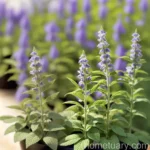
Foliage: The most striking feature of ‘Limelight’ is its large, lime-green leaves, which provide a tropical ambiance to the garden. The leaves are broadly ovate with a velvety texture, adding an exotic touch to the overall appearance.
-
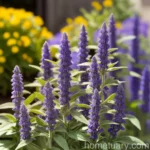
Flowers: The plant produces showy spikes of bright red flowers that emerge from the attractive lime-green foliage. The striking color contrast between the leaves and flowers creates a visually captivating display.
-
Growth Habit: ‘Limelight’ is a vigorous grower, often reaching heights of 4 to 6 feet and spreading 3 to 4 feet wide. Its robust growth habit makes it an ideal choice for filling in larger garden spaces or adding a lush backdrop to the landscape.
-
Fragrance: The foliage emits a pleasant, aromatic scent, which adds to its allure. The aromatic leaves are valued for their fragrance and used for various purposes, including culinary and medicinal applications.
-
Wildlife Attraction: The vibrant flowers are highly attractive to pollinators, including bees, butterflies, and hummingbirds, making ‘Limelight’ an excellent choice for wildlife gardens.
-
Adaptability: Salvia mexicana ‘Limelight’ exhibits a good level of adaptability, thriving in a range of soil types and climatic conditions. It is known for its resilience and ability to withstand various environmental stressors.
Now that we have a better understanding of the plant’s unique characteristics, let’s delve into the specifics of growing and caring for Salvia mexicana ‘Limelight’.
Growing Salvia mexicana ‘Limelight’
Planting Guide
When it comes to planting Salvia mexicana ‘Limelight’, there are several key factors to consider to ensure its successful establishment and growth. Here’s a comprehensive planting guide to follow:
-
Timing: Plant ‘Limelight’ in spring after the threat of frost has passed, or in early fall to allow the roots to establish before winter.
-
Site Selection: Choose a site with well-drained soil and ample sunlight. The plant thrives in full sun to partial shade, with at least 6 hours of sunlight per day for optimal growth and flowering.
-
Soil Preparation: Prepare the planting site by loosening the soil and amending it with organic matter to improve drainage and fertility. ‘Limelight’ tolerates a wide range of soil types but performs best in fertile, well-draining soil.
-
Spacing: Provide adequate spacing between plants to accommodate their spreading growth habit. Space multiple plants at least 3 to 4 feet apart to allow for proper air circulation and prevent overcrowding.
-
Planting Depth: When planting ‘Limelight’, ensure that the crown of the plant sits at ground level. Gently firm the soil around the plant and water thoroughly to settle the soil and remove air pockets.
Watering Requirements
Proper watering is essential for the health and vigor of Salvia mexicana ‘Limelight’. While the plant exhibits good drought tolerance once established, consistent moisture is crucial, especially during the establishment phase and prolonged dry spells. Here are some key watering guidelines to follow:
-
Establishment: Water newly planted ‘Limelight’ regularly to support root establishment. Provide sufficient water to moisten the entire root zone, ensuring that the soil remains evenly moist but not waterlogged.
-
Mature Plants: Once established, ‘Limelight’ benefits from moderate watering, allowing the soil to partially dry out between waterings. Water deeply and thoroughly, providing enough moisture to reach the deeper roots.
-
Container Plants: If growing ‘Limelight’ in containers, monitor the soil moisture levels closely, especially during hot and dry periods. Containers may require more frequent watering to prevent the soil from drying out completely.
-
Signs of Overwatering/Underwatering: Keep an eye out for signs of overwatering, such as yellowing leaves or waterlogged soil, and adjust the watering frequency as needed. Conversely, wilting or drooping foliage may indicate the need for more frequent watering.
-
Mulching: Applying a layer of organic mulch around the base of the plant helps conserve moisture, regulate soil temperature, and reduce weed competition. Mulching also contributes to overall soil health and fertility.
Sunlight Needs
Salvia mexicana ‘Limelight’ thrives in bright, sunny conditions and is well-suited to full sun to partial shade. Adequate sunlight is essential for promoting robust growth, flowering, and vibrant foliage. Here are some sunlight-related care tips for ‘Limelight’:
-
Full Sun: Plant ‘Limelight’ in a location that receives at least 6 to 8 hours of direct sunlight each day for optimal performance. Full sun exposure encourages lush foliage and prolific flowering.
-
Partial Shade: While ‘Limelight’ prefers full sun, it can tolerate partial shade, especially in regions with intense summer heat. However, prolonged shade may result in reduced flowering and less vibrant foliage.
-
Morning Sun, Afternoon Shade: In areas with hot summers, providing morning sun exposure and afternoon shade can help protect the plant from the harsh midday sun while still allowing for adequate light levels.
-
Container Growth: When growing ‘Limelight’ in containers, ensure that the plants receive ample sunlight, positioning the containers in a sunny location or moving them to different spots to maximize sun exposure.
Soil Conditions
Providing the right soil conditions is crucial for the health and vitality of Salvia mexicana ‘Limelight’. While the plant exhibits good adaptability to different soil types, incorporating key soil management practices can enhance its overall growth and performance. Here are some essential soil-related considerations:
-
Well-Draining Soil: ‘Limelight’ thrives in well-draining soil and is sensitive to waterlogged conditions. Ensure that the planting site or container has well-drained soil to prevent water stagnation around the roots.
-
Soil Amendment: Amend the soil with organic matter, such as compost or well-rotted manure, to improve its structure, fertility, and moisture retention capabilities. Incorporating organic amendments also enhances soil microbial activity and nutrient availability.
-
pH Level: While ‘Limelight’ is adaptable to a wide pH range, it generally prefers slightly acidic to neutral soil with a pH range of 6.0 to 7.0. Conducting a soil pH test can help determine the appropriate soil amendments, if needed.
-
Soil Moisture: Regularly monitor soil moisture levels, especially during the establishment phase and in containers. Avoid allowing the soil to dry out completely, as consistent moisture is essential for healthy growth and flowering.
-
Mulching: Apply a layer of organic mulch around the base of the plant, leaving a small gap around the stem to prevent moisture-related issues. Mulching helps conserve soil moisture, suppress weed growth, and improve soil structure over time.
Fertilization
Applying a balanced fertilizer helps provide essential nutrients for the vigorous growth and flowering of Salvia mexicana ‘Limelight’. Here are some vital fertilizer-related tips and guidelines to consider:
-
Timing: Fertilize ‘Limelight’ in early spring as new growth emerges, and again in midsummer to support continuous flowering and overall plant vitality. Avoid late-season fertilization, as it may stimulate new growth that is susceptible to frost damage.
-
Fertilizer Type: Use a balanced, all-purpose fertilizer with a formulation such as 10-10-10 or 20-20-20 to provide a steady supply of nitrogen, phosphorus, and potassium, along with essential micronutrients.
-
Application Method: Scatter the fertilizer evenly around the base of the plant, following the recommended application rates specified on the product label. Water the plant thoroughly after fertilization to facilitate nutrient uptake.
-
Container Plants: For potted ‘Limelight’, consider using a slow-release fertilizer or a liquid fertilizer diluted to half-strength to prevent over-fertilization and potential root burn.
-
Organic Alternatives: Organic options, such as compost tea or fish emulsion, can serve as effective alternatives to synthetic fertilizers, providing a gentle and sustainable nutrient source for the plant.
Pruning
Pruning and deadheading contribute to the overall health, appearance, and flowering longevity of Salvia mexicana ‘Limelight’. Proper pruning practices help promote new growth, maintain a tidy appearance, and prevent the plant from becoming overly leggy. Here are some pruning recommendations for ‘Limelight’:
-
Deadheading: Regularly remove spent flowers to encourage continuous blooming throughout the growing season. Deadheading redirects the plant’s energy into producing new flowers rather than forming seeds.
-
Cutting Back: In regions with mild winters, consider cutting back ‘Limelight’ in late fall to early winter to remove any frost-damaged or unsightly growth. This promotes a tidier appearance and encourages renewed growth in the following season.
-
Spring Pruning: In early spring, inspect the plant for any winter damage or dead stems and prune them back to healthy growth points. This helps rejuvenate the plant and stimulates new growth for the upcoming season.
-
Shape and Size Control: As ‘Limelight’ is a vigorous grower, periodic pruning helps maintain its size and shape, preventing it from overpowering nearby plants or encroaching on pathways.
-
Sterilize Tools: Use clean, sharp pruning shears to make precise cuts and minimize the risk of introducing diseases. Sterilize the pruning tools with rubbing alcohol or a diluted bleach solution between uses to prevent the spread of pathogens.
Propagation
Salvia mexicana ‘Limelight’ can be propagated through various methods, including seeds and stem cuttings. Propagation allows for the multiplication of plants and provides an opportunity to share this captivating species with other gardening enthusiasts. Here are some propagation tips for ‘Limelight’:
-
Seed Propagation: Collect ripe seeds from the spent flower spikes and sow them in a well-prepared seed-raising mix. Keep the soil consistently moist and provide warm, bright conditions for germination. Transplant the seedlings into individual pots once they develop several true leaves.
-
Stem Cuttings: Take 4 to 6-inch stem cuttings from healthy, actively growing ‘Limelight’ plants. Remove the lower leaves from the cuttings and dip the cut ends in a rooting hormone to encourage root development. Plant the cuttings in a well-draining potting mix and provide the necessary care for successful rooting.
-
Division: While less common, ‘Limelight’ can also be propagated through division by carefully separating the root ball into smaller sections. Each division should have ample roots and vigorous growth points to ensure successful establishment.
-
Propagation Timing: Spring and early summer are generally favorable times for propagating ‘Limelight’, as the plant is actively growing and readily forms new roots or shoots.
-
Care for Propagules: Provide consistent moisture and protection from intense sun or extreme temperatures for newly propagated plants to support their establishment and growth.
With a strong foundation in the requirements for growing and caring for Salvia mexicana ‘Limelight’, it’s crucial to explore the specific maintenance needs, common pests and diseases, and the myriad ways in which this exceptional plant can be utilized in diverse garden settings.
Salvia mexicana ‘Limelight’ Maintenance
Watering and Soil
Maintain a consistent watering schedule, providing enough moisture to keep the soil evenly moist but not waterlogged. Regularly check the soil moisture levels and adjust the watering frequency based on environmental conditions and the plant’s growth stage. Additionally, monitor the soil for signs of compaction, and aerate if necessary to improve water penetration and root oxygenation.
Fertilization and Nutrient Management
Continue fertilizing ‘Limelight’ as per the recommended schedule, ensuring that the plant receives essential nutrients for robust growth and flowering. Regularly assess the plant’s nutrient status and adjust the fertilization regimen based on any signs of deficiency or excess. Consider using organic fertilizers or soil amendments to enrich the soil and promote long-term soil health.
Mulching and Weed Control
Maintain a layer of organic mulch around the base of ‘Limelight’ to conserve soil moisture, suppress weed growth, and insulate the soil. Regularly replenish the mulch layer as needed to ensure adequate coverage and reap the benefits of improved soil structure and microbial activity. Conduct routine weed control to prevent competing vegetation from encroaching on the plant and depleting essential resources.
Pest and Disease Management
Monitor ‘Limelight’ regularly for signs of common pests, such as aphids and spider mites, and promptly address any infestations using environmentally friendly control methods. By practicing vigilant pest management, you can minimize the impact of pests and protect the plant’s overall health and vitality. Additionally, keep an eye out for any signs of mildew in humid conditions and take preventive measures to mitigate its spread.
Seasonal Maintenance
Provide adequate support, such as staking or trellising, to prevent tall, flowering stems from bending or flopping in the wind. Conduct seasonal pruning and shaping to maintain the plant’s size, shape, and overall appearance, ensuring that it harmonizes with the surrounding garden elements. Remove any damaged, diseased, or dead foliage to promote better air circulation and minimize pest and disease pressure.
Monitoring and Observation
Regularly observe ‘Limelight’ for any changes in growth, leaf color, or flowering patterns, as these can provide valuable insights into the plant’s health and well-being. Pay attention to any signs of stress or nutrient deficiencies and take proactive measures to address them promptly. By staying attuned to the plant’s needs, you can provide targeted care and maintain its optimal growing conditions.
With these maintenance practices in place, ‘Limelight’ can thrive and continue to grace the garden with its vibrant presence. Now, let’s delve into the common pests and diseases that may affect Salvia mexicana ‘Limelight’ and explore effective management strategies for protecting the plant.
Common Pests
Aphids (Aphidoidea)
Aphids are small, soft-bodied insects that are commonly found on the tender new growth of plants, including Salvia mexicana ‘Limelight’. These sap-sucking pests can cause distortion of new shoots, yellowing of leaves, and the formation of sticky honeydew. To manage aphids:
-
Natural Predators: Encourage the presence of beneficial insects, such as ladybugs and lacewings, which feed on aphids and help control their populations.
-
Horticultural Oils: Use horticultural oils to suffocate and eliminate aphids while minimizing the impact on beneficial insects. Apply the oils according to the product label and avoid spraying when temperatures are excessively high.
-
Water Sprays: Use a strong stream of water to dislodge aphids from the plant, reducing their numbers and alleviating the immediate infestation.
Spider Mites (Tetranychidae)
Spider mites are tiny arachnids that feed on the undersides of leaves, causing stippling, webbing, and overall decline in plant vigor. ‘Limelight’ may be susceptible to spider mite infestations, particularly in hot, dry conditions. To manage spider mites:
-
Spraying with Water: Regularly spray the undersides of the leaves with a forceful stream of water to dislodge and remove spider mites, their eggs, and the fine webbing.
-
Insecticidal Soap: Apply insecticidal soap according to the manufacturer’s instructions to effectively control spider mites while minimizing harm to beneficial insects and other wildlife.
-
Maintain Moisture Levels: Spider mites thrive in dry conditions, so maintaining adequate soil moisture and humidity levels can deter their establishment and reduce their impact on ‘Limelight’.
Whiteflies (Aleyrodidae)
Whiteflies are small, winged insects that congregate on the undersides of leaves and can cause damage by feeding on plant sap. Infestations may lead to yellowing, wilting, and stunted growth of affected foliage. To manage whiteflies:
-
Reflective Mulch: Utilize reflective mulch around ‘Limelight’, as it can deter whiteflies by disrupting their orientation and reducing their attraction to the plants.
-
Yellow Sticky Traps: Place yellow sticky traps near ‘Limelight’ to capture adult whiteflies and reduce their population within the garden.
-
Biological Control: Introduce natural enemies of whiteflies, such as parasitic wasps and predatory insects, to provide long-term control and minimize the need for chemical interventions.