Plant Scientist’s Guide to Salvia elegans (Pineapple Sage)
Salvia elegans, commonly known as Pineapple Sage, is a delightful and versatile plant that belongs to the mint family, Lamiaceae. With its striking foliage and vibrant red flowers, this herbaceous perennial is not only visually appealing but also has several cultural, culinary, and medicinal uses. In this comprehensive guide, we will explore the various facets of Salvia elegans, from its cultural requirements to its potential uses in cooking, traditional medicine, and garden design.
What is Salvia elegans (Pineapple Sage)?
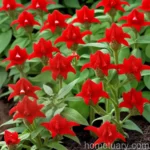
Salvia elegans, which hails from the highlands of Mexico and Guatemala, is a species of flowering herb that has gained popularity as a garden ornamental, culinary herb, and medicinal plant. It is characterized by its aromatic, ovate leaves with a pineapple-like scent when crushed, as well as its tubular, scarlet flowers that attract pollinators like bees and hummingbirds.
Key Takeaways – Salvia elegans (Pineapple Sage)
Before delving into the specifics of growing and using Salvia elegans, let’s highlight the key takeaways:
- Medicinal Uses: Salvia elegans has been traditionally used for its medicinal properties, offering potential health benefits.
- Cultural Uses: It is valued for its ornamental qualities, culinary applications, and role in attracting wildlife.
- Adaptability: Salvia elegans can be cultivated in containers, making it suitable for a range of gardening scenarios.
- Common Diseases and Pests: Like all plants, Pineapple Sage is susceptible to certain diseases and pest infestations which require appropriate management strategies.
- Botanist’s Tips: We will provide expert insights and recommendations for cultivating and caring for Salvia elegans.
Now, let’s explore the various facets of Salvia elegans in detail.
Culture
Cultivating Salvia elegans successfully involves understanding its specific cultural requirements, including its preferred conditions for growth and development.
Water
Salvia elegans thrives in well-draining soil and appreciates regular watering, particularly during dry spells. However, it is important to avoid overwatering, as excessive moisture can lead to root rot and other issues. Adequate moisture levels are essential for fostering healthy foliage and flower production.
Sunlight
Pineapple Sage performs best when grown in full sun, although it can tolerate partial shade in hot climates. Providing ample sunlight ensures vigorous growth, enhances the plant’s aromatic properties, and promotes abundant flowering.
Fertilizer
Applying a balanced, slow-release fertilizer in spring can support the growth of Salvia elegans. However, excessive nitrogen-rich fertilizers should be avoided, as they can stimulate excessive vegetative growth at the expense of flowering.
Soil
Well-draining, loamy soil with a slightly acidic to neutral pH (6.0-7.0) is ideal for cultivating Salvia elegans. Amending the soil with organic matter such as compost can improve its structure and fertility, providing an optimal growing medium for the plant.
Pruning
Regular pruning and deadheading can help maintain the form of Salvia elegans and prolong its blooming period. Trimming back the plant in early spring encourages fresh growth and stimulates the production of new flowers. Additionally, removing spent blooms prevents the plant from expending energy on seed production, redirecting its resources towards new growth and blooming.
Uses
Salvia elegans offers a myriad of uses, ranging from its incorporation in culinary preparations to its potential as a medicinal herb and an ornamental addition to the garden.
Propagation
Salvia elegans can be propagated through both seeds and stem cuttings. Seed propagation is relatively straightforward and can be accomplished by sowing the seeds in a well-prepared seed-starting mix. For those preferring a quicker method, stem cuttings taken from healthy, non-flowering shoots in spring or early summer can be rooted in a suitable growing medium to produce new plants.
Container Popularity
The compact growth habit and ornamental appeal of Salvia elegans make it a popular choice for container gardening. Its trailing growth habit lends itself well to hanging baskets and decorative pots, allowing gardeners to showcase this striking plant on patios, balconies, and other outdoor spaces.
Common Diseases
While Salvia elegans is generally robust, it can be vulnerable to certain diseases and conditions that may affect its health and vitality. Common diseases that may affect Pineapple Sage include:
- Powdery Mildew: This fungal disease can manifest as a white, powdery coating on the leaves, impacting the plant’s overall vigor and aesthetics.
- Root Rot: Overly wet soil conditions can lead to root rot, causing the plant to wilt and exhibit signs of decline.
- Fungal Leaf Spots: These can appear as dark, water-soaked lesions on the foliage, potentially reducing the plant’s capacity for photosynthesis.
Disease Diagnosis
Diagnosing and effectively managing potential diseases affecting Salvia elegans is crucial for maintaining its well-being. Visual inspection of the plant, coupled with an understanding of prevalent diseases and their symptoms, can aid in accurate diagnosis. Timely intervention through cultural practices, such as improving air circulation and avoiding overhead watering, or targeted treatments with fungicides, can help mitigate the impact of diseases on the plant.
Common Pests
Salvia elegans can also be subject to infestations by various pests, including:
- Aphids: These tiny, sap-sucking insects can congregate on the undersides of leaves, affecting the overall health of the plant.
- Spider Mites: These arachnids can cause stippling and webbing on the foliage, leading to diminished vigor and compromised aesthetics.
- Whiteflies: These small, winged insects can be found on the undersides of the leaves, draining the plant’s sap and potentially transmitting viral diseases.
Botanist’s Tips
As a seasoned plant scientist, I offer the following insights and tips for cultivating and caring for Salvia elegans:
- Adequate Spacing: When planting Salvia elegans in the garden, ensure sufficient spacing between individual plants to promote air circulation and reduce the risk of disease.
- Mulching: Applying a layer of organic mulch around the base of the plant can help conserve soil moisture, suppress weed growth, and provide a uniform and aesthetically pleasing backdrop for the vibrant foliage and flowers.
- Disease Prevention: Proactive measures, such as sanitation, proper irrigation practices, and vigilant monitoring, can significantly reduce the incidence of diseases and pest-related issues in Salvia elegans.
- Harvesting: When harvesting Pineapple Sage leaves for culinary or medicinal use, opt for young, tender foliage and utilize it fresh or dried to capture its delightful aroma and flavor.
Fun Facts
Salvia elegans, with its intriguing characteristics and versatile applications, presents several fun and fascinating facts that deepen our appreciation for this remarkable plant:
- Culinary Delight: The pineapple-scented leaves of Salvia elegans are not only a treat for the senses but can also impart a delightful flavor to teas, beverages, and culinary creations.
- Attracting Wildlife: Pineapple Sage’s vibrant red flowers are a magnet for pollinators like bees and hummingbirds, contributing to the ecological diversity and vibrancy of the garden.
- Historical Significance: The traditional uses of Salvia species in indigenous cultures, as well as their valued role in folk medicine, underscore the enduring cultural significance of these plants across different civilizations.
Links to External Resources
For those interested in further exploring the diverse facets of Salvia elegans, the following links to external resources provide valuable information and insights:
- Royal Horticultural Society – Salvia elegans
- University of Florida – Salvia elegans
- Missouri Botanical Garden – Pineapple Sage
- The Herb Society of America – Salvia elegans
Conclusion
Salvia elegans, as an enchanting and multifaceted plant, continues to captivate gardeners, herbal enthusiasts, and culinary aficionados with its aromatic foliage, vibrant flowers, and diverse potential uses. From its adaptability to container gardening to its appeal to pollinators, this herbaceous perennial exemplifies the intricate interplay between horticulture, herbalism, and ecological dynamics. By understanding its cultural requirements, exploring its use in cooking and traditional medicine, and appreciating its ornamental allure, we can fully embrace the charm and versatility of Salvia elegans in our gardens and everyday lives.