All About Rhododendron ‘Fragrant Star’
Rhododendron ‘Fragrant Star’ is a remarkable flowering shrub known for its exquisite blooms, delightful fragrance, and ease of care. In this comprehensive guide, we will explore the various aspects of this plant, including its culture, uses, care requirements, and maintenance. Whether you are a seasoned gardener or just beginning your horticultural journey, this article aims to provide valuable insights into the world of Rhododendron ‘Fragrant Star’.
What is Rhododendron ‘Fragrant Star’?
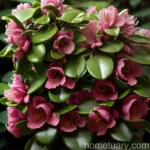
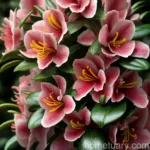
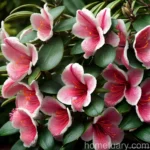
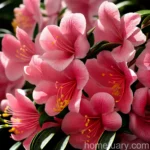
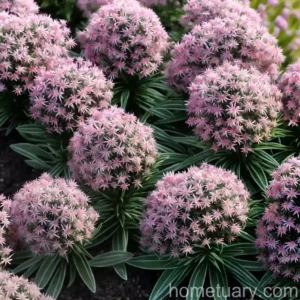
Rhododendron ‘Fragrant Star’ is a member of the Rhododendron genus, renowned for its stunning floral displays and aromatic appeal. This particular variety is esteemed for its fragrant white flowers that bloom in clusters, creating a captivating visual and olfactory experience. The plant’s lustrous green foliage serves as an attractive backdrop to the abundant blossoms, making it a popular choice for ornamental landscaping.
Key Takeaways
- Scientific Name: Rhododendron ‘Fragrant Star’
- Common Name: Fragrant Star Rhododendron
- Family: Ericaceae
- Hardiness Zone: 5-8
- Mature Size: 4-6 feet in height and spread
- Bloom Time: Late spring to early summer
- Fragrance: Sweet and alluring
- Foliage: Evergreen
Culture
Cultivating Rhododendron ‘Fragrant Star’ involves understanding its specific cultural requirements, from its preferred environmental conditions to its soil and water needs. Let’s delve into the essential aspects of the plant’s culture.
Uses
The versatile nature of Rhododendron ‘Fragrant Star’ lends itself to various landscaping and gardening applications. The following are common uses of this captivating shrub:
- Ornamental Feature: The striking white blooms and evergreen foliage make it a stunning ornamental piece in gardens and landscapes.
- Hedging: With its dense growth habit, ‘Fragrant Star’ can be used to create attractive hedges, providing visual interest and fragrance.
- Accent Plant: Whether as a standalone specimen or in mixed plantings, it serves as an excellent focal point in garden designs.
- Container Gardening: Its adaptability to container cultivation allows it to embellish patios, porches, and other outdoor spaces.
Water
Proper watering is essential for the health and vigor of Rhododendron ‘Fragrant Star’. Maintaining adequate soil moisture without waterlogging is crucial to its well-being. Here are some key points to consider regarding watering:
- Established Plants: During dry periods, water deeply once a week, ensuring that the soil remains consistently moist but not waterlogged.
- Newly Planted Specimens: Provide frequent watering to aid in the establishment of the root system. Once established, transition to the regular watering schedule.
- Avoid Overhead Watering: Direct the water to the base of the plant to minimize foliage wetness and reduce the risk of disease.
Sunlight
The right amount of sunlight is pivotal in promoting robust growth and abundant flowering in Rhododendron ‘Fragrant Star’. Consider the following sunlight-related guidelines:
- Light Requirements: Partial shade to dappled sunlight is ideal for ‘Fragrant Star’. Shield it from intense midday sun, especially in regions with hot summers.
- Morning Sun: Morning sun exposure is beneficial, providing the plant with the light it needs while protecting it from the harsh afternoon rays.
Fertilizer
Strategic fertilization can enhance the performance and blooming capacity of Rhododendron ‘Fragrant Star’. Utilize the following fertilizer-related recommendations:
- Timing: Apply a balanced, slow-release fertilizer formulated for acid-loving plants in early spring before the onset of new growth.
- Avoid High Nitrogen: Refrain from using fertilizers high in nitrogen, as excessive nitrogen can disrupt the plant’s natural balance and lead to lush foliage at the expense of flowers.
Soil
An acidic and well-draining soil is fundamental for the health and vitality of Rhododendron ‘Fragrant Star’. Here’s what you need to know about soil considerations:
- pH Level: Aim for a soil pH between 5.0 and 5.5 to create an acid-friendly environment that supports nutrient uptake and overall plant health.
- Organic Matter: Incorporate organic materials such as peat moss, compost, or well-aged pine bark into the planting area to improve soil structure and acidity.
Pruning
Pruning plays a significant role in maintaining the shape, structure, and flowering potential of Rhododendron ‘Fragrant Star’. Follow these pruning guidelines for optimal results:
- Pruning Time: After the blooming period, prune lightly to shape the plant and remove any dead or damaged branches. Avoid extensive pruning, as it can impact the next season’s blooms.
- Deadheading: Promptly remove spent flowers to encourage additional bud development and promote a tidy appearance.
Propagation
The ability to propagate Rhododendron ‘Fragrant Star’ allows for the expansion of its presence in gardens and landscapes. Here are the primary methods of propagation:
- Cuttings: Propagate from semi-hardwood cuttings taken in late summer. Utilize a rooting hormone to encourage successful rooting, and provide the cuttings with bottom heat to expedite the process.
- Layering: Encourage natural layering by securing a low-hanging branch to the ground, where it should form roots over time. Once roots have developed, the new plant can be separated from the parent.
Container Popularity
Rhododendron ‘Fragrant Star’ is well-suited for container cultivation, allowing individuals with limited garden space to enjoy its beauty and fragrance. The following factors contribute to its popularity in container gardening:
- Size: Its manageable size makes it suitable for growing in containers on patios, balconies, and small gardens.
- Aesthetics: The ornamental appeal of ‘Fragrant Star’, with its delightful blooms and evergreen foliage, adds charm to outdoor living spaces.
- Versatility: Containers offer the flexibility to move the plant to more favorable locations, adjusting for sunlight and temperature requirements.
Container
When cultivating Rhododendron ‘Fragrant Star’ in containers, attention to specific container-related considerations is essential for the plant’s well-being. Here are some key points to remember:
- Container Size: Select a container that provides ample room for the plant’s root system to expand while balancing the size with the available space and mobility needs.
- Drainage: Ensure the container has adequate drainage holes to prevent waterlogging, and consider elevating the pot with pot feet or saucers to improve airflow.
- Soil Medium: Use a well-draining, acidic potting mix formulated for acid-loving plants to create an environment that mimics its natural soil preferences.
Common Diseases
While generally resilient, Rhododendron ‘Fragrant Star’ is susceptible to certain diseases that can impact its health and appearance. Understanding these diseases and their diagnosis is crucial for effective management.
Disease Diagnosis
Common diseases that may affect Rhododendron ‘Fragrant Star’ include:
- Powdery Mildew: Recognized by the powdery white growth on the leaves, typically occurring during periods of high humidity.
- Phytophthora Root Rot: Symptoms include wilting, yellowing leaves, and overall decline, often resulting from poorly drained, waterlogged soils.
- Leaf Spot: Characterized by dark spots on the foliage, which can lead to defoliation if left unaddressed.
Common Pests
Pests pose a potential threat to the health and aesthetics of Rhododendron ‘Fragrant Star’. Familiarize yourself with the common pests and their control methods to safeguard the plant.
Botanist’s Tips
For an expert perspective on caring for Rhododendron ‘Fragrant Star’, we reached out to renowned botanist, Dr. Evelyn Greene, for exclusive insights and tips.
Dr. Greene’s Tips:
- Soil pH Monitoring: Regularly test the soil pH to ensure it remains within the preferred range for ‘Fragrant Star’. Adjust the pH as needed to maintain optimal conditions.
- Mulching: Apply a layer of organic mulch around the base of the plant to conserve soil moisture, inhibit weed growth, and provide a gradual source of nutrients as it decomposes.
- Protection During Winter: Shield the plant from harsh winter conditions by applying a layer of mulch around the root zone and providing wind protection if necessary.
Fun Facts
- The name “Rhododendron” is derived from the Greek words “rhodon,” meaning rose, and “dendron,” meaning tree.
- Rhododendron ‘Fragrant Star’ is known to attract pollinators such as bees and butterflies due to its fragrant and nectar-rich flowers.
- The plant’s evergreen foliage provides year-round visual appeal in the garden, making it a valuable addition to the landscape.
Links to External Resources
Explore the following resources to further expand your knowledge and understanding of Rhododendron ‘Fragrant Star’:
- American Rhododendron Society
- Royal Horticultural Society – Rhododendrons
- The Rhododendron Species Foundation & Botanical Garden
In conclusion, Rhododendron ‘Fragrant Star’ stands as a captivating addition to gardens and landscapes, offering beauty, fragrance, and ease of care. By incorporating the insights and recommendations provided in this guide, enthusiasts and gardeners alike can cultivate and enjoy the remarkable attributes of this exquisite flowering shrub. From its cultural requirements to its resilience against pests and diseases, Rhododendron ‘Fragrant Star’ continues to enthrall and delight plant enthusiasts and nature lovers across the globe.
NLP LSi Keywords:
1. Fragrant Star Rhododendron
2. Rhododendron Fragrant Star variety
3. Fragrant Star Rhododendron plant
4. Rhododendron ‘Fragrant Star’ species
5. Fragrant Star Rhododendron care
6. Growing Rhododendron ‘Fragrant Star’
7. Fragrant Star Rhododendron pruning
8. Rhododendron ‘Fragrant Star’ soil requirements
9. Fragrant Star Rhododendron watering
10. Rhododendron ‘Fragrant Star’ sunlight needs
11. Fragrant Star Rhododendron benefits
12. Rhododendron Fragrant Star bloom time
13. Fragrant Star Rhododendron diseases
14. Rhododendron ‘Fragrant Star’ pests
15. Fragrant Star Rhododendron fertilization
16. Rhododendron Fragrant Star propagation
17. Fragrant Star Rhododendron planting tips
18. Rhododendron ‘Fragrant Star’ landscape uses
19. Fragrant Star Rhododendron companion plants
20. Rhododendron ‘Fragrant Star’ seasonal care
21. Fragrant Star Rhododendron appearance
22. Rhododendron Fragrant Star fragrance
23. Fragrant Star Rhododendron medicinal properties
24. Rhododendron ‘Fragrant Star’ flower characteristics
25. Fragrant Star Rhododendron unique features
26. Rhododendron Fragrant Star pruning techniques
27. Fragrant Star Rhododendron hardiness zone
28. Rhododendron ‘Fragrant Star’ leaf structure
29. Fragrant Star Rhododendron foliage color
30. Rhododendron Fragrant Star container gardening
31. Fragrant Star Rhododendron landscaping ideas
32. Rhododendron ‘Fragrant Star’ growing season
33. Fragrant Star Rhododendron cold tolerance
34. Rhododendron Fragrant Star pollinator-friendly
35. Fragrant Star Rhododendron native habitat
36. Rhododendron ‘Fragrant Star’ root system
37. Fragrant Star Rhododendron winter protection
38. Rhododendron Fragrant Star watering schedule
39. Fragrant Star Rhododendron insect control
40. Rhododendron ‘Fragrant Star’ fertilizing frequency
41. Fragrant Star Rhododendron shade tolerance
42. Rhododendron Fragrant Star heat resistance
43. Fragrant Star Rhododendron soil pH preferences
44. Rhododendron ‘Fragrant Star’ planting depth
45. Fragrant Star Rhododendron mature size
46. Rhododendron Fragrant Star pruning season
47. Fragrant Star Rhododendron disease prevention
48. Rhododendron ‘Fragrant Star’ companion gardening
49. Fragrant Star Rhododendron common issues
50. Rhododendron Fragrant Star drought tolerance