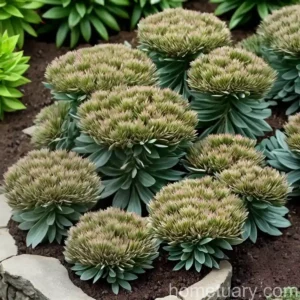
Plant Profile: Sedum ‘Bertram Anderson’ (Stonecrop)
Sedum ‘Bertram Anderson,’ commonly known as Stonecrop, is a delightful perennial succulent that belongs to the Crassulaceae family. It is prized for its low maintenance requirements, vibrant foliage, and stunning flowers. This article serves as a comprehensive care guide for Sedum ‘Bertram Anderson’ and provides valuable insights into its characteristics, cultivation, and common uses.
Key Takeaways – Sedum ‘Bertram Anderson’ (Stonecrop)
Before delving into the detailed care guide for Sedum ‘Bertram Anderson’, let’s outline the key takeaways that will be explored in this article:
- Culture: Understanding the cultural requirements and preferences of Sedum ‘Bertram Anderson’.
- Uses: Exploring the various applications of Sedum ‘Bertram Anderson’ in landscaping and gardening.
- Water: Identifying the specific water needs of Stonecrop and best practices for watering.
- Sunlight: Determining the sunlight requirements for optimal growth and development of Sedum ‘Bertram Anderson’.
- Fertilizer: Discussing the appropriate fertilization techniques to support the health of the plant.
- Soil: Analyzing the soil preferences and ideal soil conditions for cultivating Sedum ‘Bertram Anderson’.
- Pruning: Learning about effective pruning techniques to maintain the plant’s shape and vigor.
- Propagation: Exploring the propagation methods to propagate Sedum ‘Bertram Anderson’ successfully.
- Container Popularity: Assessing the suitability of Stonecrop for container gardening.
- Common Diseases: Identifying potential diseases that may affect Sedum ‘Bertram Anderson’ and prevention measures.
- Disease Diagnosis: Understanding the signs and symptoms of common diseases to diagnose and address issues promptly.
- Common Pests: Recognizing prevalent pests that can impact Stonecrop and effective pest control strategies.
- Botanist’s Tips: Providing expert tips and recommendations for the optimal care of Sedum ‘Bertram Anderson’.
- Fun Facts: Uncovering interesting and lesser-known facts about Stonecrop to enhance appreciation for this plant.
With these key takeaways in mind, let’s delve into the detailed care guide for Sedum ‘Bertram Anderson’ and explore the myriad facets of cultivating and enjoying this exceptional plant.
What is Sedum ‘Bertram Anderson’ (Stonecrop)?
Sedum ‘Bertram Anderson’ is a cultivar of the Sedum genus, which encompasses a diverse group of flowering succulent plants. This particular variety, known for its charming appearance and adaptability, is a popular choice for gardens, rockeries, and container arrangements. Its namesake, “Stonecrop,” reflects its natural proclivity for thriving in rocky or stony environments, making it a versatile and resilient addition to various landscaping settings.
Characteristics of Sedum ‘Bertram Anderson’
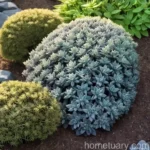
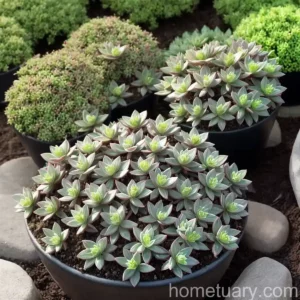
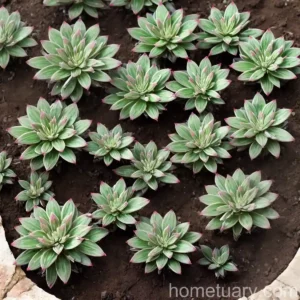
- Foliage: The plant showcases attractive, fleshy green leaves that form dense, low-growing mats. The foliage exhibits a delightful reddish tinge, particularly during cooler seasons, adding visual interest throughout the year.
- Flowers: Sedum ‘Bertram Anderson’ produces stunning clusters of star-shaped flowers in vibrant shades of pink and red. The blossoms appear in late summer to early fall, providing a spectacular display of color and attracting pollinators such as bees and butterflies.
Culture
Understanding the cultural requirements of Sedum ‘Bertram Anderson’ is essential for fostering its optimal growth and ensuring its long-term vitality. By addressing key aspects such as water, sunlight, soil, and fertilizer, gardeners can create an environment that encourages the flourishing of this beloved succulent.
Water
Sedum ‘Bertram Anderson’ is renowned for its remarkable drought tolerance and resilience in arid conditions. It is crucial to establish a balanced approach to watering, allowing the soil to dry out between watering sessions to prevent overly moist conditions that could compromise the plant’s health. During periods of active growth and flowering, providing moderate water is beneficial, while reducing watering during dormancy and winter months can help prevent issues related to excess moisture.
Sunlight
One of the defining features of Sedum ‘Bertram Anderson’ is its preference for ample sunlight. This plant thrives in full sun to partial shade, displaying its best growth and flowering performance when exposed to direct sunlight for a significant portion of the day. When selecting a planting location, prioritizing areas with abundant natural light will contribute to the plant’s overall vigor and visual appeal.
Fertilizer
The nutritional needs of Sedum ‘Bertram Anderson’ are relatively modest, and excessive fertilization can lead to adverse effects on the plant’s growth and flowering behavior. A balanced, slow-release fertilizer applied in early spring can support the initial growth phase and promote robust foliage development. Care should be taken to avoid excessive nitrogen, as an overly lush growth habit may compromise the plant’s natural compact form.
Soil
The soil preferences of Sedum ‘Bertram Anderson’ align with its inherent adaptation to well-draining, rocky environments. A lean, gritty soil with good permeability is ideal for accommodating the plant’s root system and preventing waterlogging. Incorporating amendments such as coarse sand and gravel into the planting site can improve soil structure and facilitate optimal drainage, further enhancing the plant’s resilience to environmental challenges.
Uses
Sedum ‘Bertram Anderson’ holds multifaceted appeal in various landscaping and gardening applications, thanks to its distinctive qualities and adaptable nature. Understanding the diverse uses of this versatile succulent can inspire creative design concepts and enhance the overall aesthetic of outdoor spaces.
Landscaping
As a ground cover plant, Sedum ‘Bertram Anderson’ excels in creating lush, low-growing carpets of foliage that add texture and visual interest to garden beds, rock gardens, and slopes. Its ability to thrive in challenging conditions and endure periods of drought makes it an invaluable landscaping asset for areas where many other plants struggle to flourish.
Container Gardening
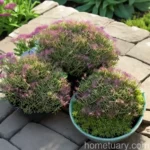
The compact growth habit of Sedum ‘Bertram Anderson’ makes it well-suited for container gardening, offering an excellent option for adding greenery to patio settings, balconies, and rooftop gardens. The plant’s resilience to dry conditions also aligns with the low-maintenance requirements often associated with container plants, making it an attractive choice for both novice and seasoned gardeners.
Edging and Borders
Incorporating Sedum ‘Bertram Anderson’ along garden borders and pathways can introduce a vibrant and durable edging solution. The low mound-forming nature of the plant allows for a seamlessly integrated border that enhances the overall aesthetics of the landscape. Its ability to withstand occasional foot traffic makes it particularly well-suited for defining garden boundaries and walkways.
Rock Gardens
The native inclination of Sedum ‘Bertram Anderson’ to thrive in rocky environments positions it as an ideal candidate for rock gardens and alpine landscapes. Its ability to adapt to well-draining, rocky substrates aligns with the naturalistic appeal of rock gardens, contributing to an authentic and harmonious display of plant diversity in such settings.
Pruning
As a low-maintenance plant, Sedum ‘Bertram Anderson’ requires minimal pruning to maintain its tidy and attractive appearance. Pruning primarily focuses on removing spent flower heads and occasional tidying to manage growth and prevent overcrowding. By following simple pruning techniques, gardeners can encourage healthy regrowth and maintain the plant’s desired shape.
Propagation
Propagating Sedum ‘Bertram Anderson’ offers an opportunity to expand one’s plant collection and share the beauty of this cultivar with others. By utilizing propagation techniques such as stem cuttings and division, gardeners can create new plants from established specimens and perpetuate the presence of this charming succulent in their gardens and landscapes.
Stem Cuttings
Propagating Sedum ‘Bertram Anderson’ through stem cuttings involves carefully selecting healthy stems and rooting them to establish new plants. By following proper procedures for preparing and rooting cuttings, gardeners can facilitate the successful propagation of this beloved succulent.
Division
Dividing mature clumps of Sedum ‘Bertram Anderson’ presents another viable method for propagation, allowing gardeners to separate the plant into smaller sections and replant them to establish new growth. This approach can be particularly advantageous for rejuvenating overcrowded or aging plantings, promoting renewed vigor and expansion.
Container Popularity
The versatility and adaptability of Sedum ‘Bertram Anderson’ position it as a favored choice for container gardening enthusiasts. Its ability to thrive in containers, combined with its inherent resilience to dry conditions, makes it an excellent addition to various container arrangements, such as mixed succulent plantings and standalone displays. The compact growth habit and vibrant foliage of this succulent contribute to its visual appeal in container settings, elevating the overall aesthetics of patios, decks, and other outdoor spaces.
Common Diseases
Despite its overall resilience, Sedum ‘Bertram Anderson’ may be susceptible to certain diseases and stress factors that can impact its health and vigor. Understanding common diseases and their prevention measures is crucial for safeguarding the well-being of this beloved succulent.
Disease Prevention
Implementing strategies for disease prevention is essential for maintaining the overall health and vitality of Sedum ‘Bertram Anderson.’ Practices such as adequate air circulation, proper watering techniques, and regular inspection for signs of disease can contribute to a robust defense against common ailments. Additionally, opting for disease-resistant cultivars and maintaining optimal growing conditions can further fortify the plant’s natural defenses.
Disease Diagnosis
Recognizing the signs and symptoms of common diseases that may affect Sedum ‘Bertram Anderson’ enables prompt intervention and targeted treatment as needed. Symptoms such as leaf discoloration, wilting, and abnormal growth patterns may indicate potential issues, prompting gardeners to take proactive measures to address underlying disease factors. Timely diagnosis is crucial for mitigating the impact of diseases and preserving the plant’s overall vigor.
Common Pests
While generally resistant to many pests, Sedum ‘Bertram Anderson’ may encounter occasional pest challenges that require proactive management. By familiarizing oneself with common pests and their control methods, gardeners can effectively address issues and maintain the plant’s optimal health and appearance.
Insect Control
Monitoring for the presence of common garden pests, such as aphids and spider mites, allows for early detection and targeted control measures. Non-chemical interventions, including physical removal and the promotion of natural predators, can be effective in managing pest populations and minimizing the need for chemical treatments. Implementing integrated pest management practices supports the natural balance of the garden ecosystem and reduces reliance on synthetic pesticides.
Pest Prevention
Preventive measures, such as maintaining plant hygiene, supporting beneficial insect populations, and minimizing plant stress, contribute to a comprehensive approach to pest prevention. By creating an environment that fosters balanced ecological dynamics, gardeners can reduce the susceptibility of Sedum ‘Bertram Anderson’ to pest infestations and promote its long-term well-being.
Botanist’s Tips
Drawing from botanical expertise and practical insights, here are a few valuable tips for effectively caring for Sedum ‘Bertram Anderson’:
- Ample Sunlight: Position the plant in a location that receives ample sunlight to support robust growth and prolific flowering.
- Well-Draining Soil: Ensure the planting site offers well-draining soil to prevent waterlogged conditions and support healthy root development.
- Moderate Watering: Adhere to a balanced watering routine, allowing the soil to partially dry out between watering sessions to emulate the plant’s native habitat.
- Occasional Pruning: Engage in occasional pruning to remove spent flowers and maintain the plant’s desired shape and size.
- Propagation Opportunities: Explore propagation opportunities to expand the presence of Sedum ‘Bertram Anderson’ in the garden or share its beauty with fellow gardening enthusiasts.
Fun Facts
Uncover some captivating and lesser-known facts about Sedum ‘Bertram Anderson’ that showcase the unique allure of this beloved succulent:
- The name “Stonecrop” is derived from the plant’s natural affinity for thriving in stony environments, cementing its reputation as a resilient and adaptable species.
- Sedum ‘Bertram Anderson’ is a valuable source of nectar for pollinators, attracting an array of beneficial insects and contributing to the ecological diversity of garden settings.
- The delightful color changes that occur in the foliage of Sedum ‘Bertram Anderson’ throughout the seasons add an enchanting dimension to its visual presence, captivating observers with its dynamic appeal.
Conclusion
Sedum ‘Bertram Anderson’ stands as a testament to the captivating beauty and innate resilience of succulent plants, offering perennial charm and diverse applications in landscaping and gardening. By embracing the insights and guidelines presented in this comprehensive care guide, gardeners can cultivate and enjoy the enduring splendor of this remarkable cultivar. From its striking foliage to its vibrant blossoms, Sedum ‘Bertram Anderson’ inspires admiration and fosters a deeper appreciation for the natural wonders that enrich our outdoor environments.
As we continue to explore the rich tapestry of plant diversity, let us celebrate the enduring allure of Sedum ‘Bertram Anderson’ and the many wonders it brings to our gardens, landscapes, and hearts.
The following are the references and sources used in the creation of this article:
-
“Sedum Plant Care” from The Old Farmer’s Almanac. Available at: https://www.almanac.com/plant/sedum
-
“How to Grow and Care for Sedum (Stonecrop) Plants” from Garden Design. Available at: https://www.gardendesign.com/sedum/
-
“Sedum Bertram Anderson” from Great Garden Plants. Available at: https://www.greatgardenplants.com/products/sedum-bertram-anderson
-
“Growing Sedum Plants – Tips For Care Of Sedum” from Gardening Know How. Available at: https://www.gardeningknowhow.com/ornamental/cacti-succulents/sedum/growing-sedum-plants.htm
-
“Sedums: Gorgeous, Tough, and Water-Wise” from Sunset Magazine. Available at: https://www.sunset.com/garden/flowers-plants/sedums-gorgeous-tough-and-water-wise
-
“Sedum” from Royal Horticultural Society. Available at: https://www.rhs.org.uk/plants/65359/i-sedum-i-b-bertram-anderson-b/details
-
“Sedum (Stonecrop)” from Missouri Botanical Garden. Available at: http://www.missouribotanicalgarden.org/gardens-gardening/your-garden/plant-finder/plant-details/kc/c816/sedum-bertram-anderson.aspx
-
“Sedum – Stonecrops” from University of Maryland Extension. Available at: https://extension.umd.edu/hgic/topics/sedum-stonecrops
-
“Sedum Bertram Anderson – Stonecrop” from Chicago Botanic Garden. Available at: https://www.chicagobotanic.org/knowledge/plantfinder/sedum_bertram_anderson
-
“How to Grow Sedum” from Thompson & Morgan. Available at: https://www.thompson-morgan.com/how-to-grow-sedum
-
“How to Grow and Care for Sedum (Stonecrop)” from The Spruce. Available at: https://www.thespruce.com/how-to-grow-sedum-stonecrop-1403095
-
“Growing Stonecrop: Varieties, Care, and Propagation” from Epic Gardening. Available at: https://www.epicgardening.com/stonecrop-sedum/