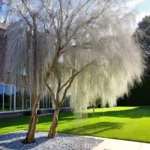
Salix babylonica var. pekinensis ‘Tortuosa’ (Corkscrew Willow)
Salix babylonica var. pekinensis ‘Tortuosa’, commonly known as the Corkscrew Willow, is a captivating tree with unique twisted branches and a graceful, weeping form. This distinctive willow variety is a fascinating addition to any garden or landscape. In this comprehensive guide, we will delve into the culture, uses, care requirements, propagation, common diseases, and botanist’s tips for Salix babylonica var. pekinensis ‘Tortuosa’, also referred to as the Corkscrew Willow.
What is Salix babylonica var. pekinensis ‘Tortuosa’?
Salix babylonica var. pekinensis ‘Tortuosa’ is a deciduous tree belonging to the family Salicaceae. This cultivar is a hybrid of Salix babylonica and Salix matsudana, and it is often referred to as the Tortuosa Willow or the Corkscrew Willow due to its characteristic twisted, contorted branches. The unique form of the Corkscrew Willow makes it a popular choice for ornamental planting in parks, gardens, and along water bodies.
The foliage of Salix babylonica var. pekinensis ‘Tortuosa’ consists of narrow, lance-shaped leaves, which emerge as a vibrant green in spring and transition to a rich yellow hue in autumn before falling off for the winter. It is a fast-growing tree, capable of reaching heights of 30 to 40 feet with a spread of 20 to 30 feet, making it a striking focal point in any landscape.
Key Takeaways – Salix babylonica var. pekinensis ‘Tortuosa’ (Corkscrew Willow)
- Scientific Name: Salix babylonica var. pekinensis ‘Tortuosa’
- Common Names: Corkscrew Willow, Twisted Willow, Peking Willow, Tortuosa Willow, Corkscrew Willow tree, and more.
- Family: Salicaceae
- Growth Habit: Deciduous, fast-growing, weeping tree
- Foliage: Narrow, lance-shaped green leaves turning yellow in autumn
- Height: 30 to 40 feet
- Spread: 20 to 30 feet
Now, let’s explore the various aspects of the culture, uses, and care requirements for the Salix babylonica var. pekinensis ‘Tortuosa’ to understand how to best care for this intriguing tree.
Culture of Salix babylonica var. pekinensis ‘Tortuosa’ (Corkscrew Willow)
Understanding the cultural requirements of the Corkscrew Willow is essential for ensuring its optimal growth and health. This section will cover its water needs, sunlight requirements, preferred soil conditions, and more.
Water
Salix babylonica var. pekinensis ‘Tortuosa’ thrives in moist to wet soil conditions, making it an ideal choice for planting near ponds, streams, or other water features. It is important to ensure that the tree receives an adequate water supply, especially during dry periods, to support its vigorous growth and to prevent stress-related issues. However, the tree is also tolerant of occasional flooding, which adds to its adaptability to various environments.
Sunlight
As a sun-loving tree, the Corkscrew Willow performs best when planted in full sunlight. It requires at least 6 to 8 hours of direct sunlight daily to promote healthy growth and the development of its characteristic twisted branches. Insufficient sunlight may result in sparse foliage and less pronounced branching patterns.
Soil
The Corkscrew Willow thrives in moist, well-draining soil. While it prefers loamy soil that retains moisture but does not become waterlogged, it can also tolerate a wide range of soil types, including sandy and clay soils. It is adaptable to both acidic and alkaline soil pH levels, further enhancing its versatility in varied growing conditions.
Uses of Salix babylonica var. pekinensis ‘Tortuosa’ (Corkscrew Willow)
Salix babylonica var. pekinensis ‘Tortuosa’ serves several practical and aesthetic purposes in landscaping and horticulture. Understanding its uses can help homeowners, gardeners, and landscape professionals make informed decisions about incorporating this distinct tree into their outdoor spaces.
Ornamental Value
One of the primary uses of the Corkscrew Willow is its ornamental value. The unique growth habit, characterized by twisted and contorted branches, makes it a visually striking addition to gardens, parks, and public spaces. Its weeping form adds a sense of elegance and movement to the landscape, making it a popular choice for creating focal points or accentuating water features.
Erosion Control
Due to its vigorous growth and robust root system, Salix babylonica var. pekinensis ‘Tortuosa’ is often used for erosion control along riverbanks, lakeshores, and other areas prone to soil erosion. The dense network of roots helps stabilize the soil and reduce the risk of erosion, making it an environmentally beneficial choice for such applications.
Habitat Enhancement
The Corkscrew Willow also plays a role in enhancing wildlife habitats. Its dense, weeping canopy and abundant branches provide nesting sites and shelter for various bird species, contributing to the biodiversity of natural ecosystems. Additionally, the tree’s nutritious catkins and foliage attract insects and small mammals, further enriching the local ecosystem.
Care Requirements for Salix babylonica var. pekinensis ‘Tortuosa’ (Corkscrew Willow)
Proper care and maintenance are crucial for the long-term health and vitality of Salix babylonica var. pekinensis ‘Tortuosa’. From watering and sunlight to fertilization and pruning, this section will outline the essential care requirements for this unique willow variety.
Water
yaml

Watering Guidelines for Salix babylonica var. pekinensis 'Tortuosa':

- Keep the soil consistently moist, especially during the tree's establishment phase.

- Provide supplemental watering during dry spells to prevent drought stress.

- Avoid overwatering, as this can lead to waterlogged soil and root rot.
Sunlight
yaml

Sunlight Recommendations for Salix babylonica var. pekinensis 'Tortuosa':

- Plant in an area with full sunlight exposure to promote vigorous growth and the development of twisted branches.

- Ensure the tree receives 6 to 8 hours of direct sunlight daily for optimal health and visual appeal.
Fertilizer
yaml

Fertilization Tips for Salix babylonica var. pekinensis 'Tortuosa':

- Apply a balanced, slow-release fertilizer in early spring to provide essential nutrients for the growing season.

- Consider using a fertilizer specifically formulated for trees and shrubs.

- Avoid over-fertilization, as excessive nutrients can lead to rapid, weak growth and may negatively impact the tree's overall health.
Soil
yaml

Preferred Soil Conditions for Salix babylonica var. pekinensis 'Tortuosa':

- Plant in moist, well-draining soil to support healthy root development.

- While tolerant of various soil types, the tree thrives in loamy soil that retains moisture without becoming waterlogged.

- Maintain a neutral pH level in the soil for optimal nutrient uptake and overall growth.
Pruning
yaml

Pruning Guidelines for Salix babylonica var. pekinensis 'Tortuosa':

- Prune the tree during the dormant season to shape its weeping form and enhance its aesthetic appeal.

- Remove any dead, damaged, or diseased branches to maintain the tree's overall health and appearance.

- Avoid excessive pruning, as the unique branching pattern is a key feature of the Corkscrew Willow's ornamental value.
Propagation
yaml

Propagation Techniques for Salix babylonica var. pekinensis 'Tortuosa':

- Propagate the Corkscrew Willow through hardwood cuttings taken in late winter or early spring.

- Use a rooting hormone to promote successful root development in the cuttings.

- Place the cuttings in a well-draining growing medium and maintain adequate moisture levels until roots form.
Container Popularity
Salix babylonica var. pekinensis ‘Tortuosa’ is also popular for container planting, allowing homeowners and gardeners with limited space to enjoy the unique beauty of this weeping willow variety. When grown in containers, it is important to ensure proper care, including adequate watering and suitable potting mix to support healthy growth.
Common Diseases
yaml

Common Diseases Affecting Salix babylonica var. pekinensis 'Tortuosa':

1. **Canker Diseases:** These fungal infections can cause sunken, necrotic areas on the tree's branches and trunk.

2. **Powdery Mildew:** A fungal disease that appears as powdery white patches on the foliage, leading to reduced photosynthetic capacity.

3. **Root Rot:** Excessive moisture in the soil can lead to root rot, manifested by wilting foliage and overall decline in tree health.

4. **Willow Scab:** A fungal disease causing dark, sunken lesions on the leaves and stems, potentially leading to defoliation.
Disease Diagnosis
Diagnosing and managing diseases affecting Salix babylonica var. pekinensis ‘Tortuosa’ is essential for maintaining its health and vitality. Proper identification of symptoms and timely intervention can help mitigate the impact of diseases and prevent long-term damage to the tree.
Common Pests
yaml

Common Pests that May Affect Salix babylonica var. pekinensis 'Tortuosa':

1. **Aphids:** Small, sap-sucking insects that can cause curling and distortion of the tree's foliage.

2. **Willow Leaf Beetle:** Larvae and adult beetles feed on the leaves, potentially leading to extensive defoliation if left uncontrolled.

3. **Gypsy Moth:** Caterpillars of the gypsy moth can consume the tree's foliage, posing a threat to its overall health.

4. **Scale Insects:** These small, immobile pests can infest the twigs and branches, leading to weakened growth and dieback.
Botanist’s Tips
yaml

Botanist's Tips for Growing Salix babylonica var. pekinensis 'Tortuosa':

1. **Provide Adequate Moisture:** Ensure the tree receives sufficient water, especially during its early years to promote healthy root establishment.

2. **Select a Sunny Site:** Plant the tree in a location with full sunlight exposure to encourage robust growth and the development of twisted branches.

3. **Monitor for Pests and Diseases:** Regularly inspect the foliage and branches for signs of pest infestation or disease, and take appropriate measures for control if needed.

4. **Prune Wisely:** When pruning the Corkscrew Willow, focus on removing dead or damaged branches while preserving its unique, weeping form.
Fun Facts about Salix babylonica var. pekinensis ‘Tortuosa’ (Corkscrew Willow)
- The twisted branches of the Corkscrew Willow are often used in floral arrangements and crafts due to their distinctive form and visual appeal.
- In traditional Chinese medicine, certain parts of the Salix babylonica species are used for their medicinal properties, including pain relief and fever reduction.
- The willow tree has historical and cultural significance, often evoking themes of grace, flexibility, and resilience in various literary and artistic works.
Links to External Resources
To further enhance your knowledge of Salix babylonica var. pekinensis ‘Tortuosa’ and its cultivation, the following external resources provide valuable insights, tips, and additional information:
- Royal Horticultural Society – Corkscrew Willow
- University of Florida IFAS Extension – Corkscrew Willow Fact Sheet
In conclusion, Salix babylonica var. pekinensis ‘Tortuosa’, known as the Corkscrew Willow, offers a blend of ornamental beauty, natural resilience, and habitat-enhancing qualities, making it a captivating choice for landscape and garden enthusiasts. By understanding its cultural requirements, care guidelines, and versatile uses, you can appreciate the unique charm of this twisted willow and create a thriving environment for its distinctive growth. Whether planted by water bodies, in ornamental landscapes, or in containers, the Corkscrew Willow stands out as a testament to the fascinating diversity of the plant kingdom.