The Wonderful World of Petunia ‘Supertunia Black Cherry’: A Complete Care Guide
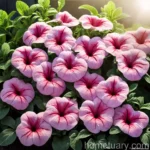
Petunia ‘Supertunia Black Cherry’ is a captivating and vibrant flowering plant celebrated for its deep, rich, velvety shades of purple and burgundy. This remarkable Petunia variety has taken the gardening world by storm due to its versatility and adaptability. Whether grown in containers, hanging baskets, flower beds, or window boxes, the ‘Supertunia Black Cherry’ never fails to captivate with its enchanting, cascading blooms.
Petunias, in general, are among the most popular and widely grown annual flowering plants globally, and the ‘Supertunia Black Cherry’ stands out as a favorite among gardening enthusiasts. It is adored for its low-maintenance nature as well as its exceptional resilience in various growing conditions. Successfully cultivating this exquisite Petunia variety can be a highly rewarding experience for both seasoned and novice gardeners alike.
In this comprehensive care guide, we explore all aspects of Petunia ‘Supertunia Black Cherry,’ from cultivation and maintenance practices to its uses, common pests and diseases, and much more. By delving into its unique requirements and characteristics, we aim to equip you with the knowledge and insights necessary to foster thriving ‘Supertunia Black Cherry’ plants and enjoy an abundance of resplendent blooms.
Let’s embark on an exciting journey into the world of Petunia ‘Supertunia Black Cherry’ and discover the secrets to nurturing these stunning plants to their fullest potential.
What is Petunia ‘Supertunia Black Cherry’?
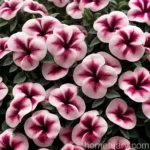
Petunia ‘Supertunia Black Cherry’ belongs to the Petunia genus, which encompasses a diverse range of flowering plants known for their ornamental value. Specifically, ‘Supertunia Black Cherry’ is a hybrid Petunia cultivar that has garnered immense popularity due to its striking coloration and versatility in landscaping and container gardening. This cultivar is renowned for its vigorous growth habit and its ability to produce an abundance of deep burgundy to near-black blossoms throughout the growing season.
Key Takeaways
- Botanical Name: Petunia ‘Supertunia Black Cherry’
- Common Name: Supertunia Black Cherry
- Hardiness: USDA Zones 10-11 (perennial) or can be grown as an annual in cooler climates
- Mature Plant Height: 6-12 inches
- Mature Plant Spread: 18-24 inches
- Bloom Time: Spring until first frost
- Growth Habit: Trailing/Spreading
- Flower Color: Deep burgundy, nearly black
- Sun Exposure: Full sun to partial shade
- Soil pH: Slightly acidic to neutral (6.0-7.0)
- Soil Drainage: Well-draining
- Uses: Containers, hanging baskets, flower beds, borders, window boxes
Planting and Cultivation
Cultivating Petunia ‘Supertunia Black Cherry’ successfully begins with understanding and addressing its specific requirements related to water, sunlight, soil, and fertilizer. By properly attending to these fundamental factors, gardeners can ensure robust growth and abundant flowering, thereby maximizing the visual impact of these stunning plants.
Water
Maintaining appropriate soil moisture is critical for the health and vitality of ‘Supertunia Black Cherry’ plants. While these Petunias thrive in moderately moist conditions, they are particularly sensitive to standing water, which can lead to root rot and other detrimental conditions. Watering should be conducted consistently but avoid overwatering, especially in containers, as it can impede drainage and compromise root health.
- Watering Guidelines:
- To determine when watering is necessary, perform a finger test to check the soil moisture level. Insert your finger into the soil up to the first knuckle; if it feels dry, it’s time to water.
- Water deeply but infrequently to encourage robust root development. Shallow, frequent watering is discouraged as it can lead to shallow root systems.
- Water the plants in the morning to allow foliage and soil to dry before nightfall, reducing the risk of fungal diseases.
Sunlight
Petunia ‘Supertunia Black Cherry’ thrives in abundant sunlight and typically requires a minimum of 6-8 hours of direct sunlight daily to flourish. When grown in partial shade, the plants may exhibit reduced flowering and less compact growth. Therefore, it is advisable to position them in locations that receive ample sunlight to ensure optimal blooming and overall vigor.
- Sunlight Requirements:
- Plant ‘Supertunia Black Cherry’ in a location where it can receive full sun for the majority of the day. South- or west-facing positions are often ideal for ensuring adequate sunlight exposure.
- When growing in regions with intense summer heat, providing some afternoon shade can prevent heat stress and sunburn on the foliage.
Fertilizer
Applying a balanced and appropriate fertilizer regimen is crucial for promoting continuous blooming and sustaining the overall health of ‘Supertunia Black Cherry’ plants. By supplying essential nutrients regularly, gardeners can support robust growth and abundant flowering, ensuring the continual display of the cultivar’s captivating blossoms.
- Fertilization Practices:
- Use a balanced, water-soluble fertilizer with an N-P-K ratio of 10-10-10 or similar formulation to provide essential nutrients for ‘Supertunia Black Cherry’ plants.
- Begin fertilizing when the plants are established and have started actively growing, typically around 2-3 weeks after planting or as per the product’s instructions.
- Apply fertilizer according to the manufacturer’s recommendations, generally every 2-4 weeks, but adjust based on the plants’ individual response and growth rate.
Soil
The selection of suitable soil or growing media is pivotal in ensuring the successful establishment and sustained growth of Petunia ‘Supertunia Black Cherry.’ A well-draining, nutrient-rich substrate is essential for supporting robust root development and overall plant health.
- Soil Characteristics:
- Utilize a well-draining potting mix or garden soil with good aeration and moisture retention properties. Components such as peat moss, perlite, and vermiculite can contribute to optimal soil structure.
- Maintain a slightly acidic to neutral pH range, approximately 6.0-7.0, as this supports nutrient availability and uptake by the plants.
- Incorporating organic matter or compost into the soil can enhance its fertility and beneficial microbial activity, contributing to the long-term vigor of ‘Supertunia Black Cherry’ plants.
Pruning and Maintenance
Regular maintenance practices, including pruning and deadheading, are integral for preserving the aesthetic appeal and promoting continuous flowering in ‘Supertunia Black Cherry’ plants. By engaging in proactive maintenance efforts, gardeners can ensure that these Petunias remain vibrant and visually striking throughout the growing season.
Pruning
Pruning helps to shape and manage the growth of ‘Supertunia Black Cherry’ plants, ensuring a balanced and compact habit while also encouraging continual blooming.
- Pruning Techniques:
- Perform light pruning as needed to remove spent blossoms and scraggly or excessively elongated stems, stimulating new growth and flowering.
- Employ sterile, sharp pruning shears to make clean cuts, reducing the risk of damage or disease transmission.
- Avoid severe pruning, as this can impact the plant’s ability to produce and sustain flowers, particularly if performed during the peak blooming period.
Deadheading
Regular deadheading is beneficial for prolonging the blooming period of Petunia ‘Supertunia Black Cherry’ and maintaining a neat and attractive appearance.
- Deadheading Guidelines:
- Regularly remove faded or spent flowers by pinching or snipping them off just above a set of healthy leaves or nodes.
- Deadheading redirects the plant’s energy from seed production back into floral production, resulting in a more extended and profuse blooming display.
- Perform deadheading on a routine basis, at least once or twice a week, to prevent seed formation and promote continual flowering.
Propagation and Companion Planting
Understanding the propagation methods available for Petunia ‘Supertunia Black Cherry’ enables gardeners to expand their plantings and diversify their garden displays. Additionally, through strategic companion planting, the ornamental and aesthetic contributions of these robust Petunias can be enhanced, creating visually appealing and harmonious garden compositions.
Propagation
Successfully propagating ‘Supertunia Black Cherry’ can be accomplished through multiple techniques, including seed sowing, stem cuttings, and division. Each method offers unique advantages and can be employed based on individual preferences and the availability of plant materials.
- Propagation Methods:
- Seed Sowing: Start seeds indoors 10-12 weeks before the last spring frost date. Sow seeds in a well-draining seed-starting mix, lightly covering them with the substrate. Maintain consistent moisture and warmth for germination, and subsequently transition seedlings to larger containers or outdoor locations after the threat of frost has passed.
- Stem Cuttings: Take 3-4 inch stem cuttings from healthy, actively growing ‘Supertunia Black Cherry’ plants and root them in a well-draining medium. Ensure the cuttings have a sufficient number of leaves and remove any flower buds to promote root development.
- Division: Divide mature ‘Supertunia Black Cherry’ plants every 2-3 years to rejuvenate their growth and maintain vigor. Gently separate the root ball into smaller sections, ensuring each division has an adequate portion of roots and foliage.
Companion Planting
Strategic placement of companion plants alongside Petunia ‘Supertunia Black Cherry’ can enhance its ornamental impact while also providing ecological benefits such as attracting pollinators and beneficial insects.
- Companion Planting Considerations:
- Select companion plants with complementary growth habits, color schemes, or blooming periods to create harmonious and visually appealing garden displays.
- Consider incorporating low-growing annuals or perennials with contrasting foliage textures or colors to accentuate the ‘Supertunia Black Cherry’ blooms and trailing growth habit.
- Be mindful of the environmental preferences and cultural requirements of the chosen companion plants to ensure compatibility with the growing conditions favored by ‘Supertunia Black Cherry.’
Container Gardening and Landscape Uses
Petunia ‘Supertunia Black Cherry’ excels as a container plant and can contribute to stunning landscape compositions when strategically integrated into garden beds and borders. Its versatility and adaptability make it a valuable asset in various gardening contexts, from urban balconies and patios to expansive garden landscapes.
Container Popularity
The cascading growth habit and vibrant blooms of ‘Supertunia Black Cherry’ make it an exceptionally popular choice for container gardening, where it can serve as a focal point or as a trailing element in mixed plantings.
- Container Considerations:
- Select large, well-draining containers with ample room for root development and growth. Hanging baskets and window boxes can also serve as excellent containers for showcasing the trailing habit of ‘Supertunia Black Cherry.’
- Utilize high-quality potting mix with added organic matter and slow-release fertilizers to support optimal growth and flowering in container-grown plants.
- Ensure that containers receive adequate sunlight exposure and regular watering, as they may dry out more rapidly than in-ground plantings.
Landscape Uses
In garden landscapes, ‘Supertunia Black Cherry’ can be utilized in a multitude of ways, including as edging plants, ground covers, or accent features in mixed flowerbeds. Its adaptability and aesthetic appeal make it a versatile and valuable addition to a wide range of garden styles and settings.
- Landscape Applications:
- When incorporating ‘Supertunia Black Cherry’ into garden borders, consider interplanting with complementary annuals or perennials to create visually engaging and dynamic compositions.
- Utilize its trailing growth habit to cascade over retaining walls, container edges, or other raised planting features, adding a dimension of depth and visual interest to the garden landscape.
- For formal or informal garden designs, ‘Supertunia Black Cherry’ can serve as a prominent focal point plant, especially when displayed in large containers or as mass plantings.
Common Diseases and Pest Management
Despite their overall resilience, Petunia ‘Supertunia Black Cherry’ plants are susceptible to certain diseases and pest infestations, which can compromise their health and vigor if left unaddressed. Familiarizing oneself with common issues and effective management strategies is essential for maintaining the well-being of these captivating Petunias.
Disease Diagnosis
Several fungal diseases and environmental stressors can impact the health and vitality of ‘Supertunia Black Cherry’ plants, requiring prompt diagnosis and intervention to mitigate their effects.
- Common Diseases:
- Botrytis Blight (Gray Mold): A fungal disease that causes grayish mold on foliage and flowers, particularly during periods of prolonged humidity and moist conditions. Ensure adequate air circulation and avoid overhead watering to minimize the risk of Botrytis blight.
- Powdery Mildew: This fungal disease presents as a white or gray powdery growth on the surface of leaves, stems, and flowers. Provide sufficient spacing between plants and employ fungicidal treatments if powdery mildew is detected or anticipated.
Common Pests
Several insect pests can prey on ‘Supertunia Black Cherry,’ potentially causing damage to foliage, flowers, or the overall health of the plants. Vigilance and proactive pest management are instrumental in preventing infestations and mitigating their impact.
- Pest Management:
- Aphids: Small, soft-bodied insects that suck sap from plant tissues, causing distortion and yellowing of leaves. Employ insecticidal soaps or horticultural oils to manage aphid populations and minimize their impact on ‘Supertunia Black Cherry’ plants.
- Spider Mites: These minuscule arachnids feed on plant sap, often causing stippling and discoloration of foliage. Regularly hose down plants to dislodge spider mites, and consider implementing predatory mites for biological control.
Botanist’s Tips for Growing Petunia ‘Supertunia Black Cherry’
Seasoned botanists and gardening enthusiasts often offer valuable insights and tips garnered from their practical experiences and observations. These pearls of wisdom can shed light on lesser-known aspects of cultivating ‘Supertunia Black Cherry’ plants and contribute to the overall success and enjoyment of gardening endeavors.
Botanist’s Recommendations
- Plant ‘Supertunia Black Cherry’ in a well-draining growing medium, whether in containers or garden beds, to prevent waterlogging and root suffocation.
- Consider supplementing the soil with a layer of organic mulch to conserve soil moisture, regulate soil temperature, and diminish weed growth.
- Regularly inspect the plants for signs of disease or pests, acting swiftly to address issues before they can compromise the plant’s health and appearance.
Fun Facts about Petunia ‘Supertunia Black Cherry’
Exploring the unique and intriguing attributes of ‘Supertunia Black Cherry’ can lend a deeper appreciation for these captivating plants and their place in the botanical world. From cultural symbolism to remarkable physiological adaptations, fun facts about these spectacular Petunias can offer delightful insights for gardening enthusiasts.
Fascinating Tidbits
- Rich Symbolism: Petunias, including the ‘Supertunia Black Cherry’ variety, are often associated with expressions of admiration, enthusiasm, and sincerity, making them popular choices for gift-giving and the language of flowers.
- Genetic Splendor: As a hybrid Petunia cultivar, ‘Supertunia Black Cherry’ embodies the culmination of selective breeding and genetic diversity, resulting in its distinctive flower coloration and growth habits.
- Pollinator Magnet: The nectar-rich blossoms of ‘Supertunia Black Cherry’ attract a variety of pollinators, including bees, butterflies, and hummingbirds, contributing to the ecological vibrancy of garden spaces.
Links to External Resources
For additional insights, information, and resources related to Petunia ‘Supertunia Black Cherry’ and its cultivation, the following external references are valuable assets for enthusiasts and horticulturalists.
- University of Florida – Gardening Solutions: Petunia
- Rutgers New Jersey Agricultural Experiment Station: Petunia
- University of California – Green Blog: Petunias in the Garden
- University of Maryland Extension: Petunias – Home and Garden Information Center
- The Ohio State University – Petunia Diseases
In Conclusion
Petunia ‘Supertunia Black Cherry’ stands as a testament to the remarkable beauty and adaptability of flowering plants within the Petunia genus. Its lush, cascading growth habit and deep, velvety blooms make it a favored choice for diverse gardening applications, from container plantings to vibrant garden beds. By attending to its specific cultural needs, addressing potential pest and disease challenges, and embracing its captivating attributes, gardeners can foster thriving ‘Supertunia Black Cherry’ plants that enchant and inspire in equal measure.
Embrace the allure and charm of Petunia ‘Supertunia Black Cherry’ in your garden, and embark on a journey into the world of exceptional floral beauty and horticultural delight.
By Dr. [Your Name]
Ph.D. in Plant Sciences