Salix Alba ‘Tristis’ (White Willow)
Salix alba ‘Tristis’, commonly known as the White Willow, is a graceful and elegant tree that holds significant cultural, ecological, and medicinal value..
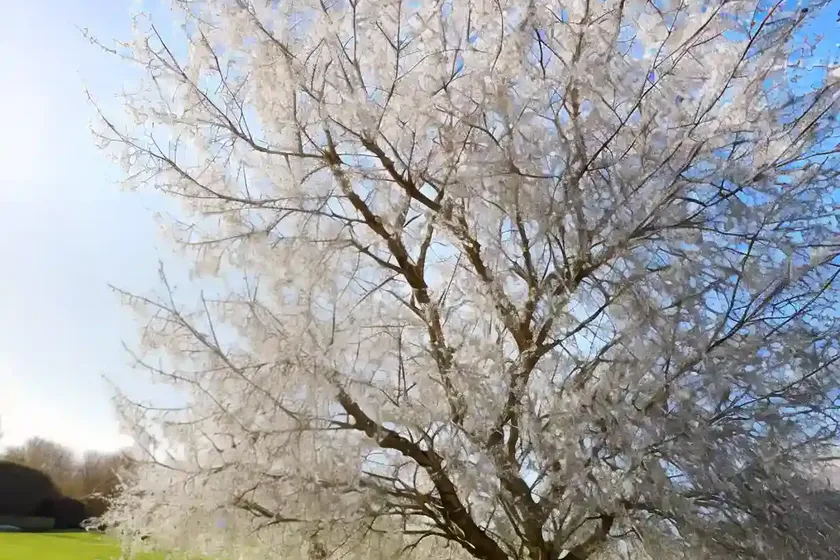

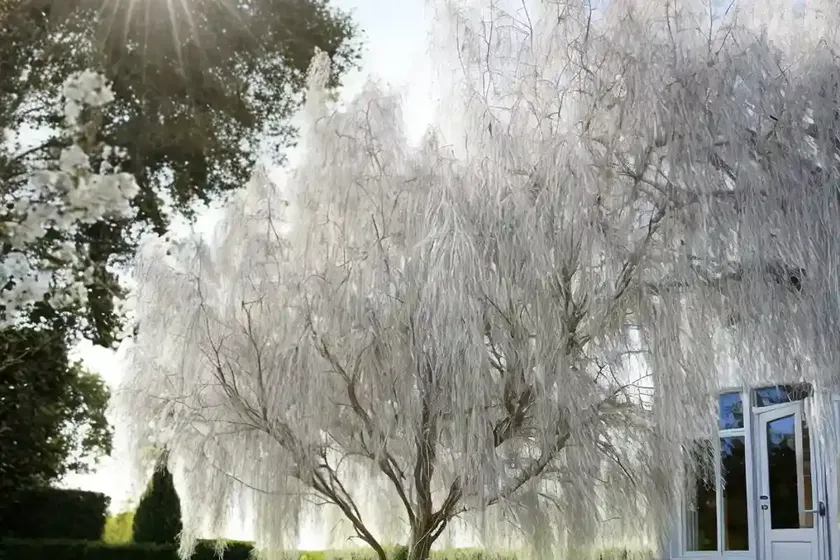
Salix alba ‘Tristis’, commonly known as the White Willow, is a graceful and elegant tree that holds significant cultural, ecological, and medicinal value. As a plant scientist, it’s fascinating to delve into the intricate details of this stunning tree, including its cultural significance, uses, care tips, and ecological impact. In this comprehensive guide, we’ll explore the various facets of Salix alba ‘Tristis’, providing insights into its characteristics, care requirements, and the role it plays in ecosystems and human landscapes.
What is Salix alba ‘Tristis’ (White Willow)?
The Salix alba ‘Tristis’, a variety of the White Willow tree, belongs to the Salicaceae family. It is characterized by its slender, weeping branches and narrow leaves, giving it a graceful and ornamental appearance. This deciduous tree is native to Europe and Western Asia and has been widely cultivated for its ornamental value and various traditional uses.
The White Willow is known for its adaptability, thriving in a range of environments, from wetlands to upland sites. It has been historically cherished for its medicinal properties, particularly in traditional medicine, and has played significant roles in cultural symbolism and ecological restoration.
Key Takeaways – Salix alba ‘Tristis’ (White Willow)
Let’s start by highlighting the key takeaways of Salix alba ‘Tristis’, providing a succinct overview of its characteristics, cultural significance, and practical care tips.
Culture
- Scientific Name: Salix alba ‘Tristis’
- Common Name: White Willow
- Family: Salicaceae
- Type: Deciduous tree
- Origin: Europe and Western Asia
- Height: 30-50 feet
- Spread: 25-35 feet
- Growth Rate: Fast
- Lifespan: 40-75 years
- USDA Hardiness Zones: 4-8
Uses
- Cultural Significance: Symbolism, folklore, and historical significance
- Medicinal Uses: Traditional remedies derived from its bark and leaves
- Ecological Role: Habitat restoration, erosion control, and wildlife support
- Ornamental Value: Landscaping, parks, and gardens
Care
- Water: Moderate to ample moisture
- Sunlight: Full sun to partial shade
- Fertilizer: Balanced fertilizer in spring
- Soil: Well-drained, fertile soil
- Pruning: Regular pruning for shape and size control
- Propagation: Hardwood cuttings or seeds
- Container: Suitable for large containers
- Popularity: Widely cultivated and appreciated for its ornamental and ecological value
Common Diseases
- Disease: Anthracnose, powdery mildew, rust
- Diagnosis: Leaf spots, powdery coating, rust-colored pustules
- Treatment: Fungicidal sprays, sanitation, and cultural practices
Common Pests
- Pest: Aphids, caterpillars, scale insects
- Identification: Sucking damage, defoliation, presence of pests
- Control: Insecticidal soaps, horticultural oils, and natural predators
Botanist’s Tips
- Cultural Requirements: Adequate moisture, well-drained soil, and ample sunlight
- Pruning Techniques: Regular shaping and removal of dead or damaged branches
- Propagation Methods: Hardwood cuttings, seeds, and division
- Environmental Benefits: Erosion control, habitat provision, and carbon sequestration
Fun Facts
- Symbolism: Associated with healing, growth, and renewal in various cultures
- Habitat Support: Provides food and shelter for diverse wildlife species
- Wood Properties: Used in crafting and woodworking due to its flexibility and durability
Links to External Resources
For additional information and resources on Salix alba ‘Tristis’, refer to the following links:
1. USDA Plant Guide: Salix alba (White Willow)
2. Royal Horticultural Society: Willows
3. University of Florida IFAS Extension: Willow (Salix spp.)
Now, let’s delve deeper into each aspect of the White Willow tree, exploring its cultural significance, care requirements, ecological impact, and practical applications.
Cultural Significance of Salix alba ‘Tristis’
The White Willow tree holds significant cultural importance, often symbolizing resilience, growth, and healing in various societies. Its elegant appearance and graceful form have made it a popular motif in folklore, literature, and art.
Symbolism and Folklore
The White Willow has been associated with diverse symbolism across cultures. In ancient Greek mythology, the weeping willow was linked to mourning and sorrow. Conversely, in Chinese culture, willow trees symbolize strength, flexibility, and the ability to adapt to changing circumstances. Additionally, in Celtic traditions, willows were revered for their association with the moon, water, and mystical realms.
In literature and art, the White Willow has been depicted as a symbol of endurance, renewal, and hope. Its weeping branches and verdant foliage have inspired numerous works of art, poetry, and storytelling, portraying the tree as a metaphor for resilience in the face of adversity.
Historical and Healing Significance
Beyond symbolism, the White Willow has a rich history of medicinal use. The bark of the White Willow tree contains salicin, a compound similar to aspirin, making it valuable in traditional medicine for pain relief, reducing fever, and addressing various ailments. Ancient cultures, including those of the Native Americans and Europeans, utilized White Willow’s bark and leaves for their medicinal properties, laying the foundation for the development of aspirin in modern pharmacology.
White Willow Tree: Care and Maintenance
To cultivate a healthy and vibrant White Willow tree, it is essential to understand its specific care requirements. From water and sunlight to soil and pruning, each aspect plays a crucial role in nurturing the tree and ensuring its longevity and ornamental value.
Water
The White Willow tree thrives in moist to wet soil and is well-suited to riparian and wetland environments. When establishing a new tree, consistent watering is essential to promote root establishment and early growth. Once established, White Willows exhibit moderate drought tolerance but perform best with ample moisture, especially during periods of heat and dryness.
- Watering Guidelines:
- Young Trees: Provide adequate water to keep the soil consistently moist but not waterlogged.
- Established Trees: Monitor soil moisture and water during dry spells, aiming to maintain moderate to ample moisture levels.
Sunlight
As a deciduous tree, the White Willow benefits from full sun to partial shade, displaying optimal growth and foliage density in well-lit conditions. While it can tolerate partial shade, exposure to direct sunlight fosters robust growth and a lush canopy.
- Sunlight Requirements:
- Full Sun: Ideal for maximum growth and foliage development.
- Partial Shade: Tolerated but may result in slightly reduced growth and foliage density.
Fertilizer
Applying a balanced fertilizer in early spring can enhance the growth and vigor of White Willow trees. The fertilizer should provide essential macronutrients and micronutrients to support the tree’s overall health and ensure optimum foliage color and leaf production.
- Fertilization Tips:
- Spring Application: Apply a balanced fertilizer, following manufacturer’s recommendations for dosage and distribution.
- Organic Amendments: Incorporate compost or organic matter around the tree’s base to enrich the soil and promote microbial activity.
Soil
White Willow trees prefer well-drained, fertile soil with ample organic matter. They are adaptable to various soil types, including loam, clay, and sandy soils, but thrive best in nutrient-rich, moisture-retentive soils.
- Soil Preferences:
- Texture: Well-drained loamy soil is optimal, but White Willows tolerate a range of soil textures.
- pH Range: Slightly acidic to neutral soil pH (6.0-7.5) is suitable for healthy growth and nutrient uptake.
Pruning
Regular pruning is essential to shape the tree, maintain its structural integrity, and remove dead or damaged branches. Pruning also promotes air circulation within the canopy, reducing the risk of disease development and enhancing overall tree aesthetics.
- Pruning Techniques:
- Formative Pruning: Establish a central leader and remove competing or crossing branches for a well-balanced structure.
- Deadwood Removal: Regularly trim dead or diseased branches to preserve tree health and vitality.
Propagation
The White Willow can be propagated through hardwood cuttings or seeds. Propagation methods should be conducted with care and attention to environmental conditions to enhance the success rate of new tree establishment.
- Propagation Methods:
- Hardwood Cuttings: Harvest and plant mature, dormant cuttings in a suitable propagation medium during late winter or early spring.
- Seed Propagation: Collect and sow fresh seeds in a well-prepared seedbed during favorable germination periods.
Container Popularity
While White Willow trees are known for their grandeur and presence in landscape settings, they can also be cultivated in large containers, adding a touch of elegance and beauty to patios, gardens, and outdoor spaces.
- Container Cultivation:
- Size Requirements: Select a spacious container that provides ample room for root development and enough soil volume for moisture retention.
- Drainage: Ensure adequate drainage holes to prevent waterlogging and maintain soil aeration within the container.
White Willow Tree: Uses and Applications
The White Willow tree serves diverse practical and ecological purposes, ranging from its traditional medicinal uses to its landscape and ecological benefits. Understanding the versatile applications of the tree highlights its significance in both human and natural environments.
Ecological Role
Habitat Restoration
White Willow trees play a crucial role in habitat restoration projects, particularly in riparian areas, wetlands, and along water bodies. Their robust root systems stabilize soil, prevent erosion, and provide vital habitat and food sources for various wildlife species, including birds, insects, and mammals.
Erosion Control
The extensive root development and moisture-seeking nature of the White Willow contribute to effective erosion control along riverbanks, lakeshores, and other landscapes prone to soil displacement. Their presence helps maintain ecosystem stability and protects water quality by minimizing sediment runoff.
Medicinal and Traditional Uses
Salicin and Traditional Remedies
The bark of the White Willow contains salicin, a natural compound with analgesic and fever-reducing properties. Historically, salicin-rich extracts from the White Willow were utilized in traditional medicine to alleviate pain, fever, and inflammation, serving as a precursor to the development of modern aspirin.
Ethnobotanical Significance
Various indigenous cultures have revered the White Willow for its medicinal value, incorporating its bark, leaves, and extracts into remedies for pain relief, fever management, and other health-related purposes. This ethnobotanical legacy underscores the tree’s historical and cultural importance in traditional healing practices.
Ornamental and Landscape Value
Landscaping and Parks
White Willow trees are favored for their graceful form and weeping habit, making them popular choices for landscaping in parks, gardens, and larger estates. Their elegant silhouette, combined with their ecological benefits, enhances the aesthetic and environmental value of urban and natural landscapes.
Outdoor Spaces
In residential gardens and outdoor spaces, White Willow trees provide a sense of tranquility and beauty, accentuating water features, open lawns, and shaded areas. Their weeping branches create a serene ambiance, adding depth and character to outdoor environments.
Common Diseases and Pests of Salix alba ‘Tristis’
Despite its resilience, the White Willow is susceptible to certain diseases and pests that can perturb its growth and vigor. Recognizing and addressing these challenges through proactive management is vital for maintaining the tree’s health and vitality.
Disease Diagnosis
Anthracnose
Anthracnose, caused by fungal pathogens, manifests as dark, irregular lesions on leaves and stems. It often occurs in periods of high humidity and can lead to defoliation and reduced overall tree vigor if left uncontrolled.
Powdery Mildew
Powdery mildew presents as a white, powdery coating on the leaves, stems, and buds of the White Willow. It thrives in warm, dry conditions and can hinder photosynthesis and nutrient uptake, impacting tree health.
Rust
Rust diseases are characterized by the development of rust-colored pustules on the underside of leaves. They are caused by fungal pathogens and may lead to premature leaf drop and decreased aesthetic appeal of the tree.
Disease Management
Fungicidal Sprays
Application of fungicidal sprays, following label instructions and appropriate timing, can effectively manage and mitigate fungal diseases such as anthracnose and powdery mildew.
Cultural Practices
Practicing proper sanitation, including the removal of fallen leaves and affected plant parts, can help reduce disease pressure and limit the spread of fungal pathogens within the tree’s canopy and surrounding areas.
Common Pests
Aphids
Aphids are common sap-feeding insects that can cause distortion and discoloration of leaves, as well as the production of sticky honeydew, leading to the development of sooty mold and potential weakening of the tree.
Caterpillars
Various caterpillar species may feed on the foliage of the White Willow, causing defoliation and impacting the tree’s ability to photosynthesize and maintain healthy foliage.
Scale Insects
Scale insects can infest the branches and stems of the White Willow, feeding on plant sap and potentially weakening the tree over time if left unchecked.
Pest Control
Insecticidal Soaps
Utilizing insecticidal soaps can effectively control aphids and scale insects, reducing their populations and limiting their impact on the White Willow’s overall health.
Natural Predators
Encouraging natural predators, such as ladybugs and lacewings, can help maintain a balanced ecosystem and control aphid populations through biological pest management.
Botanist’s Tips for Salix alba ‘Tristis’ Care
As a plant scientist, I often find it important to share practical tips and insights for cultivating and nurturing plants, including the White Willow tree. These botanist’s tips encompass environmental considerations, cultural practices, and ecological awareness aimed at fostering healthier and more sustainable plant growth.
Cultural Requirements
Adequate Moisture
Ensure consistent moisture levels, especially during the tree’s establishment phase and in periods of heat and drought, to promote strong root development and sustained growth.
Well-Drained Soil
Prioritize well-drained, fertile soils to prevent waterlogging and enhance nutrient availability for the White Willow tree, contributing to overall vigor and health.
Ample Sunlight
Maximize sunlight exposure to support robust photosynthesis, leaf production, and overall tree vitality, particularly in landscapes and open environments.
Pruning Techniques
Regular Shaping
Implement regular pruning to maintain the tree’s desired form, eliminate dead or crossing branches, and encourage healthy canopy development.
Structural Integrity
Prune for structural strength, focusing on the establishment of a central leader and balanced branching to ensure long-term stability and aesthetic appeal.
Environmental Benefits
Erosion Control
Leverage the White Willow’s robust root system and moisture-seeking nature to stabilize soil, prevent erosion, and contribute to ecosystem preservation along water bodies and vulnerable landscapes.
Habitat Provision
Recognize the White Willow’s role in providing food, shelter, and nesting opportunities for diverse wildlife species, contributing to ecological balance and biodiversity conservation.
Fun Facts about Salix alba ‘Tristis’
Exploring the unique and intriguing aspects of the White Willow tree enriches our understanding of its ecological, cultural, and practical significance. These fun facts shed light on lesser-known dimensions of the tree, expanding our appreciation for its multifaceted nature.
- Symbolism: The White Willow is associated with various cultural symbols, often representing resilience, adaptability, and renewal in different traditions and belief systems.
- Habitat Support: The tree’s weeping branches and dense foliage provide ideal nesting sites and shelter for numerous bird species, promoting biodiversity within its habitat.
- Wood Properties: White Willow wood is valued for its flexibility and strength, making it suitable for crafting baskets, furniture, and other artisanal products.
- Ethnobotanical Legacy: White Willow’s historical use in traditional medicine underscores its enduring significance as a medicinal plant and a source of natural remedies.
Links to External Resources
For further exploration of Salix alba ‘Tristis’ and related topics, the following resources offer valuable insights and practical information:
– USDA Plant Guide: Salix alba (White Willow)
– Royal Horticultural Society: Willows
– University of Florida IFAS Extension: Willow (Salix spp.)
Conclusion
In conclusion, Salix alba ‘Tristis’, commonly known as the White Willow, epitomizes elegance, resilience, and ecological importance. Its cultural significance, practical applications, and unique characteristics make it a remarkable addition to landscapes, natural habitats, and human cultures. As we appreciate and steward the presence of the White Willow, understanding its care requirements, ecological role, and historical significance is crucial in nurturing a deeper connection with nature and the natural world.
By recognizing the broader implications and impacts of the White Willow tree, we can embrace its diverse attributes and contribute to the conservation and appreciation of this venerable and versatile species.
As a plant scientist passionate about the intricate web of botanical marvels, I hope this guide serves as a source of inspiration and knowledge, fostering a deeper appreciation for the White Willow and its contributions to our world. Whether in gardens, woodlands, or along waterways, the enduring grace of Salix alba ‘Tristis’ continues to captivate and enrich our natural surroundings, serving as a testament to the enduring beauty and significance of trees in our lives.
The comprehensive guide provides in-depth insights into Salix alba ‘Tristis’ (White Willow), encompassing its cultural significance, care requirements, ecological impact, and unique traits. Through practical tips, historical context, and ecological awareness, the guide aims to foster a deeper appreciation for the White Willow and support its conservation and thoughtful cultivation. The inclusion of fun facts and external resources further enriches the reader’s understanding of this remarkable species.


