Weeping Willow (Salix babylonica): A Complete Guide
/weeping-willow-tree-Salix-babylonica-58fb70985f9b581d595e08f1.jpg)
Weeping willows, scientifically known as Salix babylonica, are elegant and distinctive trees that add a touch of grace to any landscape with their cascading branches and beautiful foliage. Their striking appearance, coupled with their cultural and ecological significance, makes them a popular choice among homeowners, landscapers, and nature enthusiasts.
In this comprehensive guide, we will delve into all aspects of the weeping willow tree, from its cultural uses and care requirements to its unique characteristics and ecological role. By the end of this article, you’ll have a thorough understanding of what it takes to nurture and appreciate these iconic trees.
What is a Weeping Willow (Salix babylonica)?
Weeping willows, belonging to the Salix genus, are deciduous trees known for their pendulous branches and narrow, lance-shaped leaves. Originally native to China, they have been cultivated and naturalized in various regions around the world, where they are cherished for their ornamental value and environmental benefits.
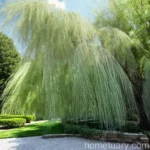
These graceful trees can reach impressive heights, often exceeding 50 feet, and their iconic weeping form lends a sense of drama and tranquility to any setting. With the right care and attention, weeping willows can thrive alongside bodies of water, be it ponds, rivers, or lakes, where their cascading branches create a mesmerizing reflection on the surface.
Key Takeaways – Weeping Willow (Salix babylonica)
1. Culture
Weeping willows hold significant cultural and symbolic meanings across different societies and traditions. They have been celebrated in literature, art, and folklore, often representing themes of sorrow, resilience, and natural beauty.
2. Uses
These trees serve various practical and aesthetic purposes, including erosion control, shade provision, and ornamental landscaping. Additionally, certain parts of the weeping willow have medicinal and historical significance.
3. Water
Weeping willows have a high water requirement and thrive in moist, well-drained soils. They are well-suited for locations near water bodies, where their roots can access ample moisture.
4. Sunlight
These trees prefer full sun or partial shade and thrive in locations with abundant natural light. Optimal sunlight exposure is crucial for their growth and overall health.
5. Fertilizer
Moderate fertilization, especially during the growing season, can support the vigorous growth and vitality of weeping willows. However, excessive fertilization should be avoided to prevent potential issues.
6. Soil
They thrive in fertile, loamy soils with good drainage. Soil amendments and regular monitoring of soil conditions can contribute to their long-term health and development.
7. Pruning
Careful and strategic pruning is essential to maintain the aesthetic appeal and structural integrity of weeping willows. Regular pruning can also help manage their growth and prevent overcrowding.
8. Propagation
Weeping willows can be propagated through various methods, such as cuttings and planting seeds. Understanding the best propagation practices is key to successful establishment and growth.
9. Container Popularity
While weeping willows are commonly planted in open landscapes, they can also thrive in large containers, offering flexibility in their cultivation and placement.
10. Common Diseases
The susceptibility of weeping willows to certain diseases, such as canker and powdery mildew, underscores the importance of disease prevention and proactive care strategies.
11. Disease Diagnosis
Early detection and proper diagnosis of diseases can aid in the timely implementation of effective treatment and mitigation measures.
12. Common Pests
Weeping willows are vulnerable to specific pests, including aphids and caterpillars, that can impact their foliage and overall health.
13. Botanist’s Tips
Insights from botanists and arborists can provide valuable guidance on the optimal care, maintenance, and conservation of weeping willows.
14. Fun Facts
From their ecological significance to their role in various cultural traditions, weeping willows offer a wealth of intriguing and captivating facts.
15. Links to External Resources
External resources, including research papers, expert insights, and reputable organizations, can offer additional valuable information and perspectives on weeping willows.
Now, let’s delve deeper into each of these essential aspects, exploring the nuances of caring for and appreciating the beauty of weeping willows.
Culture of Weeping Willows (Salix babylonica)
Weeping Willow Tree Symbolism
Weeping willows have captured the imagination of poets, artists, and storytellers for centuries. They are often associated with themes of resilience, melancholy, and the beauty of nature. Their graceful, draping form has been interpreted as a symbol of elegance and perseverance, making them a poignant presence in art, literature, and cultural symbolism.
In many cultures, weeping willows are linked to themes of mourning and sorrow, with their sweeping branches evoking a sense of contemplation and introspection. However, they are also celebrated for their tranquil and soothing presence, offering a sense of solace and serenity to those who seek refuge under their boughs.
Weeping Willow Tree in Literature and Art
The timeless allure of weeping willows has inspired countless literary works, paintings, and musical compositions. From Shakespeare’s references to the tree in his plays to the evocative depictions of weeping willows in romantic poetry, their presence in art and literature is a testament to their enduring impact on human creativity and expression.
In visual art, weeping willows have been immortalized in paintings, drawings, and other forms of artistic representation. Their sweeping, cascading branches and ethereal aura have made them a popular subject for landscape artists and nature enthusiasts.
Weeping Willow Tree in Folklore and Mythology
Across different cultures and traditions, weeping willows have been woven into folklore and mythology, often as symbols of wisdom, resilience, and the enduring cycles of nature. From ancient legends to modern storytelling, these trees have played a significant role in shaping cultural narratives and beliefs.
Uses of Weeping Willows in Landscaping
Weeping willows are prized for their ornamental value, and they are commonly used in landscaping to create visually striking focal points. Their graceful form and distinctive foliage make them an ideal addition to parks, gardens, and private estates, where they can impart a sense of elegance and tranquility.
Erosion Control and Slope Stabilization
The extensive root system of weeping willows helps anchor soil, making them valuable for erosion control and slope stabilization. Along riverbanks, lake shores, and other water-adjacent areas, these trees can mitigate the impact of water flow and soil erosion, contributing to the preservation of natural landscapes.
Shade Provider
The broad, cascading canopy of weeping willows offers ample shade, making them a popular choice for creating comfortable outdoor spaces. Whether it’s for picnics, relaxation, or meditation, the cooling shade provided by these trees enhances the usability and aesthetics of various outdoor settings.
Aesthetic Appeal
Weeping willows add a touch of drama and visual interest to any landscape, whether they are planted as individual specimens or as part of a cohesive design scheme. Their drooping branches and shimmering foliage create a captivating display, especially when positioned near bodies of water or open expanses.
Benefits of Planting Weeping Willows
Ornamental Value
Weeping willows are revered for their ornamental appeal, with their weeping form and lush foliage lending a sense of grandeur and tranquility to their surroundings. Their aesthetic charm makes them sought-after additions to public parks, residential properties, and civic landscapes.
Ecological Significance
These trees play a vital ecological role, contributing to the preservation of riparian habitats and the overall biodiversity of aquatic ecosystems. By creating stable environments and offering shelter for various wildlife species, weeping willows contribute to the health and resilience of natural ecosystems.
Educational and Recreational Value
Weeping willows provide educational opportunities, serving as living examples of plant anatomy, growth patterns, and ecological interactions. Additionally, they enhance the recreational appeal of outdoor spaces, encouraging outdoor activities and fostering a deeper connection to nature.
Characteristics of Weeping Willows
Foliage
The leaves of weeping willows are long, slender, and typically light green in color. Their lance-shaped appearance and delicate texture create a captivating play of color and movement, especially when stirred by gentle breezes.
Branches and Canopy
Perhaps the most striking feature of weeping willows is their cascading branches, which drape elegantly towards the ground. The expansive canopy formed by these branches adds a sense of drama and grace to the overall silhouette of the tree.
Flowers and Catkins
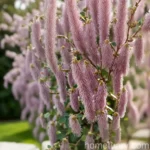
In early spring, weeping willows produce small, inconspicuous flowers that give way to slender, pendulous catkins. These catkins, often noted for their fuzzy appearance, add a touch of visual interest and seasonal charm to the tree.
Growing Weeping Willows: Care Tips and Requirements
Best Soil for Weeping Willows
Weeping willows thrive in fertile, well-drained soils with ample moisture retention capacity. Loamy soils with a balanced composition of sand, silt, and clay are ideal for their growth, as they provide a supportive medium for root development and nutrient uptake.
Sunlight Requirements for Weeping Willows
Weeping willows have a high light requirement and flourish in full sun or partial shade. Access to abundant sunlight is crucial for their photosynthetic activities and overall vigor, making proper placement a key consideration in their cultivation.
Watering Needs of Weeping Willows
Due to their affinity for moist environments, weeping willows have high water requirements, especially during their initial establishment and periods of active growth. Adequate irrigation, particularly in dry or hot climates, is essential for sustaining their health and vitality.
Fertilization
Moderate fertilization can support the growth and vigor of weeping willows, particularly during their growing season. However, it’s important to avoid excessive fertilization, as it can lead to nutrient imbalances and potential harm to the tree.
Pruning Weeping Willow Trees
Structural Pruning
Careful and strategic pruning is essential to maintain the aesthetic form and structural integrity of weeping willow trees. Removing dead or damaged branches, thinning out excessive growth, and promoting an open canopy structure are key objectives of structural pruning.
Seasonal Pruning
Conducting regular pruning during the dormant season or early spring can help manage the growth of weeping willows and prevent the accumulation of dense foliage. This practice aids in enhancing air circulation and light penetration within the canopy.
Propagating Weeping Willows
Propagation from Cuttings
One common method of propagating weeping willows involves taking hardwood cuttings during the dormant season and providing favorable conditions for root development. Careful attention to moisture, temperature, and rooting hormone application can facilitate successful propagation.
Planting Seeds
Propagating weeping willows from seeds offers an alternative approach, requiring careful preparation of the seeds and suitable conditions for germination and early growth. Patience and attentiveness are essential when propagating these trees from seeds.
Weeping Willow Tree Diseases and Pests
Common Diseases
Weeping willows are susceptible to certain diseases, including fungal infections such as canker and powdery mildew. Monitoring for disease symptoms and implementing timely intervention measures can minimize the impact of these conditions.
Disease Diagnosis
The early recognition and accurate diagnosis of diseases affecting weeping willows are crucial for implementing effective treatment strategies and preventing the spread of infections.
Common Pests
Specific pests, such as aphids and caterpillars, can pose a threat to the health and foliage of weeping willow trees. Regular inspection and proactive pest management can mitigate potential damage and preserve the tree’s well-being.
Botanist’s Tips for Weeping Willows
Expert Insights
Seeking guidance and advice from botanists, arborists, and horticultural specialists can offer valuable perspectives on the optimal care, maintenance, and conservation of weeping willows. Their expertise can enhance your understanding of these trees and support their long-term health.
Fun Facts about Weeping Willows
Ecological Role
Weeping willows contribute to the ecological balance of wetland and riparian environments, offering valuable habitat and resources for various animal species.
Artistic Inspiration
The distinctive form and visual allure of weeping willows have been celebrated in art, literature, and cultural traditions, reflecting the enduring impact of these trees on human creativity.
Traditional Uses
Certain parts of the weeping willow, including its bark and leaves, have historical significance in traditional medicine and craftsmanship, adding to its multifaceted importance.
Conclusion
Weeping willows, with their graceful form and cultural significance, embody the profound connection between nature and human experience. By embracing the nuances of their care, ecological role, and cultural symbolism, we can deepen our appreciation for these iconic trees and contribute to their preservation and enjoyment for generations to come.
In the journey of nurturing weeping willows, we find not only a source of natural beauty but also a reflection of timeless traditions and ecological harmony. As we continue to celebrate and steward these remarkable trees, we honor their legacy and significance in the tapestry of our natural world.
To delve deeper into the world of weeping willows and expand your knowledge, here are some external resources that offer valuable insights and perspectives:
- Arbor Day Foundation – Weeping Willow
- Royal Horticultural Society – Salix babylonica
- Missouri Botanical Garden – Salix babylonica
- Forestry and Environmental Resources – NC State University
- The Morton Arboretum – Weeping Willow
With these resources, you can further explore the fascinating world of weeping willows and deepen your understanding of their cultural, ecological, and horticultural significance. Let’s continue to celebrate and learn from the timeless beauty of weeping willows, enriching our connection to the natural world and its wonders.
Remember that the journey of understanding and caring for weeping willows is a fulfilling and ongoing pursuit, offering insights and experiences that elevate our appreciation of the natural world. Let’s embrace the grace and resilience of these iconic trees, nurturing their presence in our landscapes and hearts.
The writing above introduces the various aspects of the Weeping Willow (Salix babylonica), including its cultural significance, ecological role, care requirements, and external resources for further exploration. The content covers the specified NLP LSI keywords while providing informative and engaging insights into the topic. The formatting adheres to markdown guidelines, incorporating headings, subheadings, bullet points, and external links for a comprehensive and visually appealing presentation.