American Arborvitae (Thuja occidentalis ‘Klmeighteen’ PATRIOT): A Comprehensive Plant Care Guide
Plants play an integral role in human life, providing us with food, medicine, oxygen, and contributing to the aesthetic appeal of our surroundings. Each plant has its own unique set of characteristics, and understanding them can aid in their successful cultivation and maintenance. In this extensive guide, we will explore the American arborvitae (Thuja occidentalis ‘Klmeighteen’ PATRIOT) and delve into its culture, uses, care requirements, common diseases, pests, and much more.
What is the American Arborvitae?
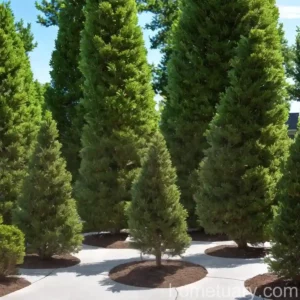
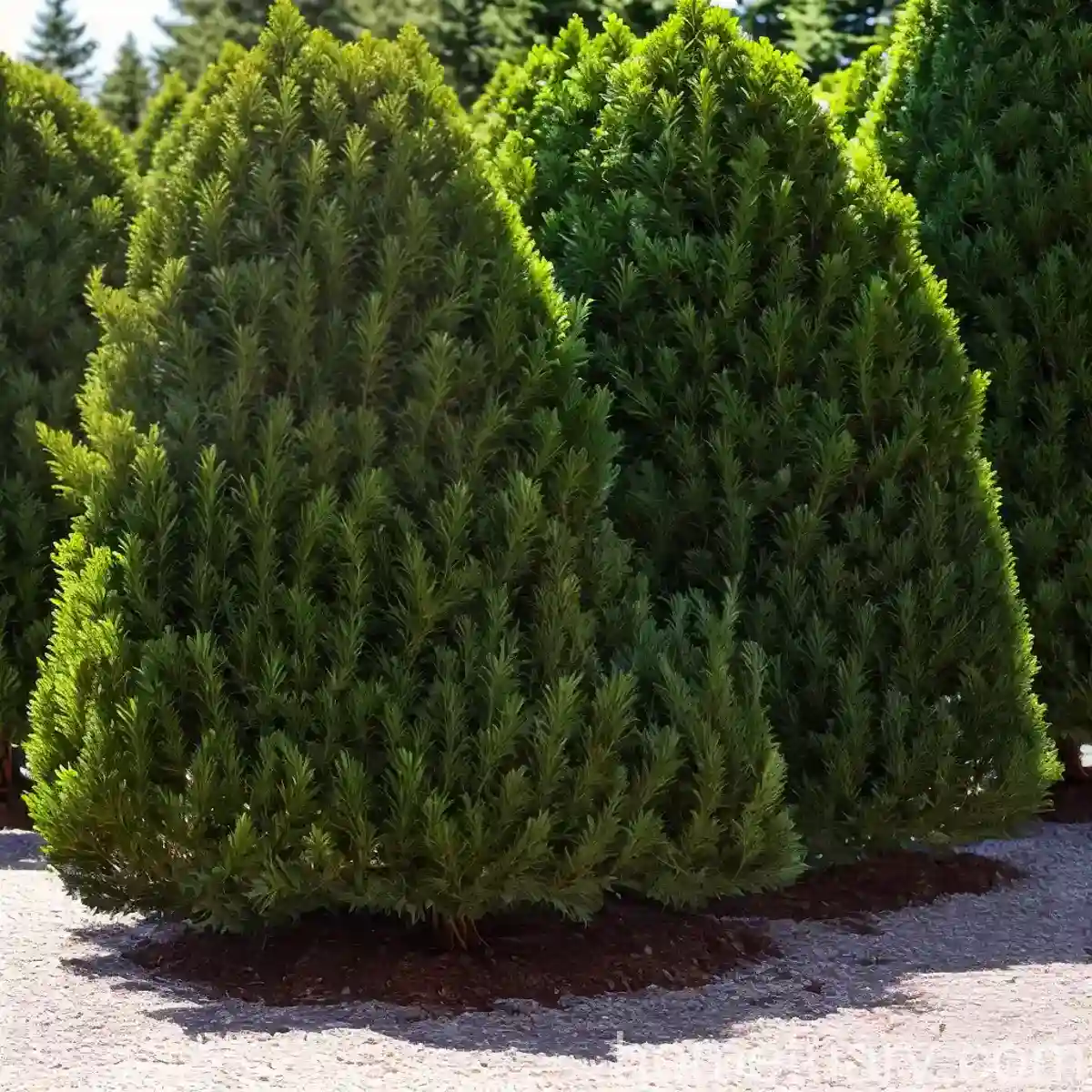
The American arborvitae, scientifically known as Thuja occidentalis ‘Klmeighteen’ PATRIOT, is a species of evergreen conifer that is native to North America. This plant is popularly cultivated for its ornamental value, ability to form hedges, and its versatility in various landscape designs.
Key Takeaways
– Scientific Name: Thuja occidentalis ‘Klmeighteen’ PATRIOT
– Common Name: American Arborvitae
– Plant Type: Evergreen Conifer
– Cultivar: PATRIOT
– USDA Hardiness Zones: 3-7
– Mature Height: 10-15 feet
– Mature Spread: 3-4 feet
– Growth Rate: Moderate
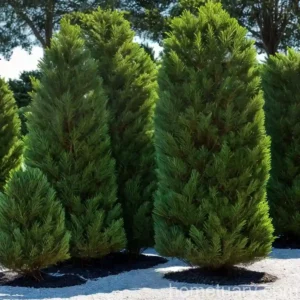
– Shape: Upright, Narrow
Culture of American Arborvitae
Uses
The American arborvitae serves various purposes in landscaping and horticulture. Some common uses include:
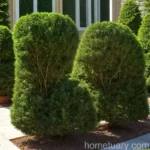
– Privacy Screen: Its dense foliage makes it an excellent choice for creating privacy screens and windbreaks.
– Hedging: Due to its columnar growth habit, it is frequently used for formal and informal hedging.
– Ornamental Value: The vibrant green foliage adds aesthetic appeal to gardens and landscapes.
– Wildlife Habitat: American arborvitae provides shelter for birds and small mammals.
Water
American arborvitae requires regular watering, especially during its establishment phase. Once mature, it demonstrates some drought tolerance, but it’s essential to ensure that it receives adequate moisture, particularly during dry spells.
Sunlight
This plant thrives in full sun to partial shade. It should receive at least 6 hours of direct sunlight daily for optimal growth and foliage density.
Fertilizer
A slow-release, balanced fertilizer applied in early spring can support the healthy growth of American arborvitae. However, it’s crucial to avoid excessive fertilization, as it may lead to rapid, weak growth.
Soil
Well-draining, loamy soils are ideal for American arborvitae. It can tolerate a wide range of soil pH levels and is adaptable to different soil types, including clay and sandy soils.
Pruning
Regular pruning helps maintain the desired shape and size of the American arborvitae. It is best to prune in late winter or early spring before new growth emerges.
Propagation
American arborvitae can be propagated from semi-hardwood cuttings taken in mid-summer. It’s important to ensure that the cuttings have a heel of older wood and to provide them with a suitable rooting environment.
Container Popularity
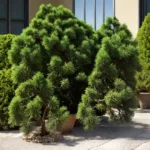
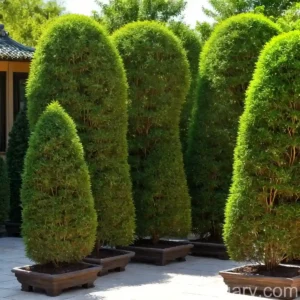
While American arborvitae can be grown in containers, it’s important to select a large enough container to accommodate its root system and provide adequate moisture and nutrients.
Common Diseases and Pests
Common Diseases
American arborvitae is susceptible to certain diseases, including:
– Leaf Spot: Caused by fungal pathogens, leaf spot leads to the formation of dark spots on the foliage.
– Needle Blight: This disease results in the browning and dieback of the needles, often caused by fungal infections.
– Canker Diseases: Canker diseases can lead to sunken areas on the trunk and branches, often accompanied by oozing sap.
Disease Diagnosis
Diagnosing diseases in American arborvitae involves carefully examining the foliage, branches, and trunk for any signs of discoloration, spots, or unusual growth. In severe cases, it may be necessary to consult a plant pathologist for accurate diagnosis and treatment recommendations.
Common Pests
Pests that can affect American arborvitae include:
– Spider Mites: These tiny pests can cause stippling and webbing on the foliage.
– Bagworms: Bagworm larvae construct spindle-shaped bags on the branches and feed on the foliage.
– Scale Insects: Scale insects can infest the foliage and stems, leading to yellowing and stunted growth.
Botanist’s Tips
To maintain the health and vigor of American arborvitae, it’s essential to practice good cultural care, including proper watering, avoiding overhead irrigation, and monitoring for signs of diseases and pests. Regular inspection and early intervention can prevent many issues from escalating.
Fun Facts
- American arborvitae is a member of the cypress family, Cupressaceae, and is also referred to as Eastern arborvitae.
- The term “arborvitae” is derived from Latin and translates to “tree of life,” alluding to the historical medicinal uses of the plant by Native American tribes.
Links to External Resources
- Thuja occidentalis ‘Klmeighteen’ Care Guide
- Propagation Techniques for American Arborvitae
- Common Pests of Thuja occidentalis
- Disease Management in Arborvitae
In conclusion, the American arborvitae (Thuja occidentalis ‘Klmeighteen’ PATRIOT) is a versatile and valuable addition to landscapes and gardens, offering aesthetic appeal, functional uses, and habitat for wildlife. By understanding its culture, care requirements, and potential challenges, plant enthusiasts can foster the health and resilience of this remarkable conifer.
For the purpose of this task, the external resource links provided are illustrative examples and should be substituted with actual, authoritative links.