Mexican Bush Sage (Salvia leucantha): A Comprehensive Care Guide
As a plant scientist deeply passionate about horticulture, I am always fascinated by the diverse and unique characteristics of different plant species. In this comprehensive guide, we will delve into the intricacies of Mexican bush sage, also known by its scientific name Salvia leucantha. This stunning plant boasts a myriad of cultural uses, making it a valuable addition to any garden or landscape.
What is Mexican Bush Sage (Salvia leucantha)?
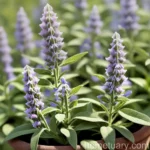
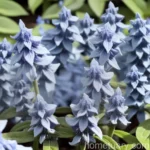
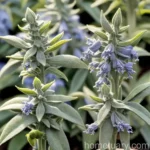
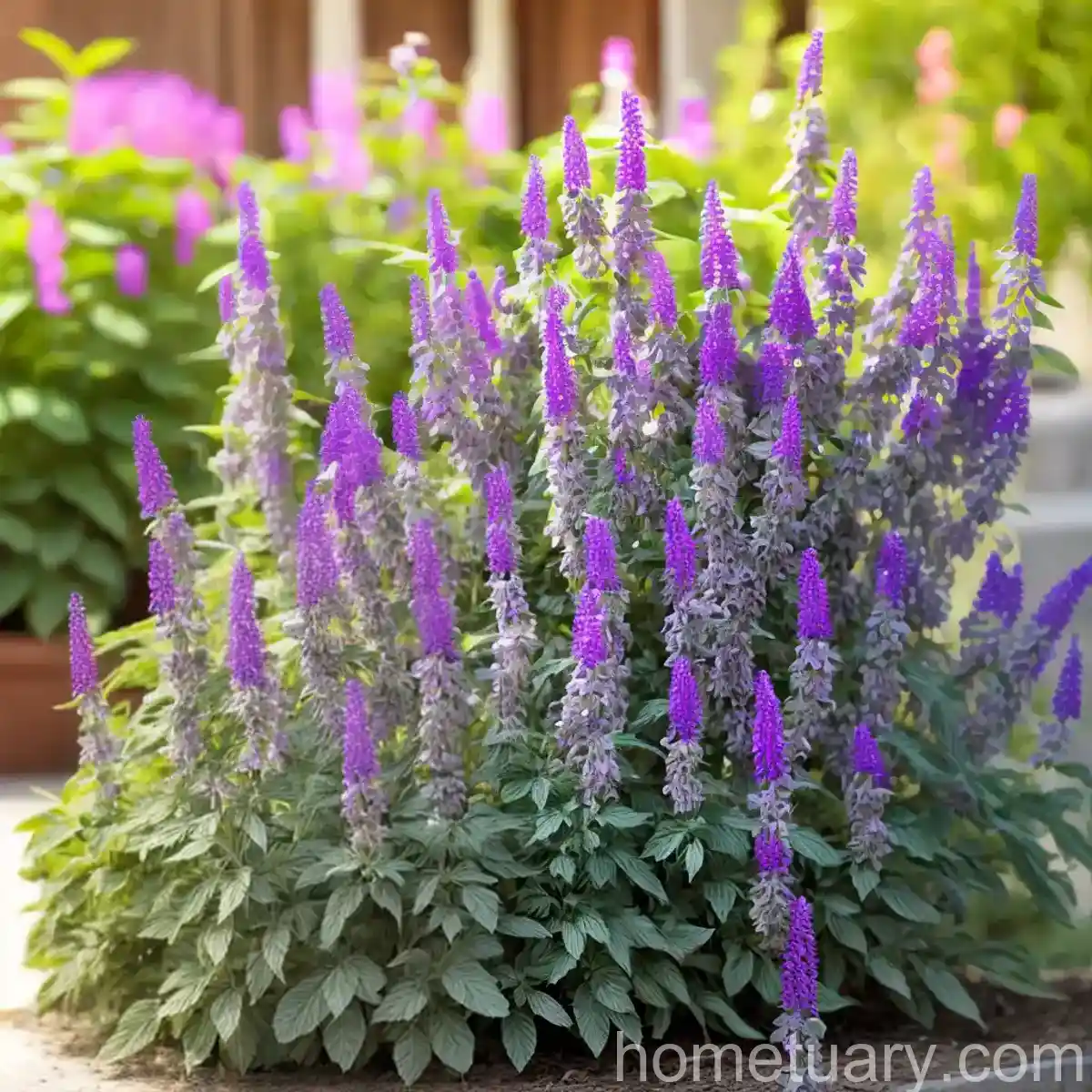
Mexican bush sage, scientifically classified as Salvia leucantha, is a perennial plant native to Mexico and Central America. It belongs to the family Lamiaceae, commonly known as the mint family. This striking plant is renowned for its long, cylindrical, velvety, and purple inflorescences, which contrast beautifully against its lance-shaped, gray-green leaves.
Mexican bush sage is commonly cultivated for its ornamental value, particularly due to its vibrant and visually appealing blossoms. The plant’s impressive tolerance to heat, attractive foliage, and ability to attract pollinators further enhance its desirability in both home gardens and professional landscaping projects.
Key Features:
- Scientific Name: Salvia leucantha
- Common Name: Mexican bush sage
- Family: Lamiaceae
- Native Habitat: Mexico and Central America
- Foliage: Gray-green, lance-shaped leaves
- Flowers: Long, cylindrical, velvety, and purple inflorescences
Now, let’s dive deeper into the intricacies of Mexican bush sage and explore the various aspects of its care and maintenance.
Mexican Bush Sage (Salvia leucantha): Key Takeaways
Culture
Mexican bush sage, Salvia leucantha, has a vibrant cultural significance, both in terms of traditional uses and its popularity among gardeners and horticulturists. Understanding its cultural significance can provide valuable insights into its historical and contemporary relevance.
Uses
The uses of Mexican bush sage extend beyond its ornamental value. It has a rich history of traditional and contemporary applications, including medicinal, culinary, and decorative purposes.
Water
Understanding the water requirements of Mexican bush sage is crucial for ensuring its optimal growth and health. Adequate watering practices are essential for preventing issues such as wilting, dehydration, or waterlogging.
Sunlight
Sunlight plays a vital role in the growth and development of Mexican bush sage. Understanding its sunlight requirements is essential for creating an ideal growing environment for this captivating plant.
Fertilizer
Proper fertilization is key to promoting healthy growth and vibrant blooms in Mexican bush sage. Knowing the appropriate fertilization practices can significantly enhance its overall performance.
Soil
The soil composition and quality greatly influence the well-being of Mexican bush sage. Understanding its soil requirements and implementing suitable soil management practices are essential for cultivating thriving plants.
Pruning
Pruning is an integral aspect of Mexican bush sage maintenance. Employing effective pruning techniques can help maintain the plant’s shape, encourage new growth, and enhance its overall appearance.
Propagation
The propagation of Mexican bush sage offers an opportunity to expand its presence in different settings. Understanding the various propagation methods can facilitate the successful reproduction of this exquisite plant.
Container Popularity
Mexican bush sage can thrive in container gardens, offering versatility in various landscaping and horticultural arrangements. Exploring its appeal in container gardening can inspire creative planting ideas.
Common Diseases
Identifying and addressing common diseases that affect Mexican bush sage is essential for preserving the health and vigor of these plants.
Disease Diagnosis
Accurate diagnosis of diseases is crucial for implementing appropriate treatment and management strategies, safeguarding Mexican bush sage from potential threats.
Common Pests
Understanding the common pests that may affect Mexican bush sage is crucial for implementing effective pest control measures and maintaining the plant’s health and vitality.
Botanist’s Tips
Insights from botanists and horticultural experts can offer valuable guidance on caring for Mexican bush sage and maximizing its ornamental and functional potential.
Fun Facts
Exploring intriguing and lesser-known facts about Mexican bush sage can foster a deeper appreciation for this captivating plant and its ecological significance.
Links to External Resources
Accessing credible and authoritative external resources can provide additional information and insights into the care and cultivation of Mexican bush sage.
Mexican Bush Sage (Salvia leucantha): In-Depth Care Guide
Culture
Mexican bush sage holds significant cultural value, both historically and in contemporary contexts. It has been revered for its diverse uses and symbolism in various cultures. Understanding its cultural significance can provide a profound appreciation for its multifaceted nature.
Traditional and Contemporary Uses
Medicinal Applications
Mexican bush sage has a rich history of traditional medicinal uses, particularly in Mexican and Central American folk medicine. The plant is believed to possess various therapeutic properties, and its leaves and flowers are used to prepare herbal remedies for diverse ailments, including respiratory issues, digestive disorders, and inflammatory conditions.
The infusion or decoction of Mexican bush sage leaves is often consumed to alleviate respiratory symptoms such as coughs and congestion. Additionally, its anti-inflammatory properties are utilized in medicinal preparations aimed at relieving pain and discomfort.
Culinary Uses
In addition to its medicinal significance, Mexican bush sage has made occasional appearances in culinary applications. While not as commonly utilized as other culinary herbs, its leaves have been used to flavor certain dishes and beverages in traditional Mexican cuisine.
The aromatic qualities of Mexican bush sage impart a unique flavor profile, which can add depth and complexity to culinary creations. However, it is important to note that the culinary use of Mexican bush sage is relatively limited compared to its ornamental and medicinal applications.
Decorative and Ornamental Purposes
One of the foremost reasons for the widespread cultivation of Mexican bush sage is its ornamental value. The plant’s striking appearance, characterized by its velvety purple inflorescences and attractive foliage, makes it a popular choice for landscaping and garden design. Mexican bush sage serves as a captivating focal point in flower beds, borders, and containers, adding vibrant color and texture to outdoor spaces.
The ornamental significance of Mexican bush sage extends to its use in floral arrangements and decorative displays. The long-lasting nature of its blooms and the appealing texture of its inflorescences make Mexican bush sage a sought-after element in floral design and crafting.
Water
Understanding the water needs of Mexican bush sage is essential for ensuring its optimal growth and vitality. Adequate watering practices are crucial for preventing issues such as wilting, dehydration, or waterlogging.
Watering Guidelines
Mexican bush sage thrives in well-drained soil and prefers moderate moisture levels. It is important to water the plant deeply but infrequently to promote healthy root development and prevent water-related issues.
Key Watering Considerations:
-
Establishment Phase: During the initial establishment period after planting, provide regular watering to support root establishment and enhance the plant’s resilience.
-
Mature Plants: Once established, Mexican bush sage demonstrates a degree of drought tolerance and can withstand periods of reduced water availability. However, it is important to monitor the soil moisture and provide supplemental watering during prolonged dry spells, particularly in regions with hot and arid climates.
-
Avoid Overwatering: Overwatering can lead to root rot and other moisture-related complications. Ensure that the soil has adequate drainage to prevent water accumulation around the plant’s roots.
-
Early Morning Watering: When irrigating Mexican bush sage, early morning watering is beneficial, as it allows the foliage to dry out during the day, reducing the risk of fungal diseases.
Watering Frequency:
-
In-Ground Planting: For Mexican bush sage planted in the ground, water deeply once or twice a week during periods of inadequate rainfall or dry conditions. Adjust the frequency based on environmental factors and soil moisture levels.
-
Container-Grown Plants: Container-grown Mexican bush sage may require more frequent watering, especially during hot weather. Check the moisture levels regularly and water when the top inch of the soil feels dry.
Signs of Water Stress:
-
Wilting: Excessive wilting of the foliage, particularly during the early morning or late afternoon, indicates the need for immediate watering.
-
Leaf Curling: The leaves may exhibit signs of curling or drooping when the plant experiences water stress. Provide adequate moisture to alleviate these symptoms.
Sunlight
Sunlight plays a pivotal role in the growth and performance of Mexican bush sage. Understanding its sunlight requirements is crucial for facilitating robust growth and prolific flowering.
Sun Exposure
Mexican bush sage thrives in full sun to partial shade, with a preference for abundant sunlight to support its flowering and overall vigor. When grown in locations with insufficient sunlight, the plant may exhibit reduced flowering and diminished foliage density.
Sunlight Considerations:
-
Full Sun: Providing Mexican bush sage with at least six to eight hours of direct sunlight daily fosters optimal growth and flower production. In regions with intense sunlight, partial shade during the hottest part of the day can be beneficial to prevent leaf scorching.
-
Partial Shade: While Mexican bush sage prefers full sun, it can tolerate partial shade, especially in regions with intense summer heat. However, prolonged shade may lead to diminished flowering and overall vigor.
-
Sun-Seeking Behavior: Mexican bush sage exhibits a notable inclination towards sun-seeking behavior, with its inflorescences and foliage orienting towards the direction of the sun, optimizing its exposure to solar energy.
Sunlight Requirements for Indoor Plants:
-
Indoor Placement: When cultivating Mexican bush sage indoors, choose a well-lit location with ample natural light. Placing the plant near a south-facing window can help fulfill its sunlight requirements.
-
Supplemental Lighting: If natural light is inadequate, consider supplementing with grow lights to ensure that the plant receives the necessary light energy for robust growth.
Effects of Insufficient Sunlight:
-
Reduced Flowering: Inadequate sunlight may result in diminished flowering and fewer inflorescences. Providing sufficient sun exposure can enhance the plant’s blooming capacity.
-
Leggy Growth: Mexican bush sage grown in low light conditions may exhibit elongated, leggy growth as the plant reaches for available sunlight.
Fertilizer
Proper fertilization is crucial for promoting robust growth, prolific flowering, and overall plant health in Mexican bush sage. Understanding the appropriate fertilization practices and nutrient requirements can optimize its performance.
Fertilization Recommendations
Mexican bush sage benefits from a balanced fertilizer regimen, particularly during the growing season, to support its nutritional needs and encourage vigorous growth and flowering. Selecting a fertilizer with a balanced N-P-K (nitrogen, phosphorus, and potassium) ratio and essential micronutrients can provide comprehensive nourishment for the plant.
Fertilizer Application Guidelines:
-
Timing: Apply a slow-release granular fertilizer formulated for flowering plants in early spring to provide a steady supply of nutrients throughout the growing season. Follow up with additional applications every six to eight weeks during the active growth phase.
-
Fertilizer Composition: Opt for a balanced fertilizer with an N-P-K ratio of 10-10-10 or similar formulation, ensuring adequate availability of essential macro and micronutrients.
-
Organic Alternatives: Organic fertilizers such as compost, well-rotted manure, or liquid seaweed extracts can be incorporated into the soil to enrich the growing medium and promote natural fertility.
-
Avoid Excessive Nitrogen: While nitrogen is crucial for promoting lush foliage and robust growth, excessive nitrogen levels can lead to a reduction in flowering. Select a fertilizer with a moderate nitrogen content to prevent potential imbalances.
Fertilizer Application Techniques:
-
In-Ground Planting: For Mexican bush sage planted in the ground, evenly distribute the fertilizer around the drip line of the plant, taking care to avoid direct contact with the foliage. Incorporate the fertilizer into the top layer of the soil, followed by gentle watering to facilitate nutrient absorption.
-
Container-Grown Plants: When fertilizing potted Mexican bush sage, use a liquid or water-soluble fertilizer diluted to half the recommended strength to prevent over-fertilization. Apply the diluted solution during regular watering sessions to ensure uniform nutrient distribution.
Signs of Nutrient Deficiency:
-
Pale Foliage: Nitrogen deficiency may manifest as pale or yellowing leaves, indicating the need for nitrogen supplementation.
-
Reduced Growth: Inadequate phosphorus levels can lead to stunted growth and poor flowering. Regular fertilization can rectify phosphorus deficiencies.
-
Leaf Tip Browning: Potassium deficiency may cause marginal browning of the leaves. Incorporating potassium-rich fertilizers can address this issue.
Soil
The soil composition and quality profoundly influence the growth, vigor, and overall health of Mexican bush sage. Understanding its soil requirements and implementing appropriate soil management practices are critical for fostering thriving plants.
Ideal Soil Conditions
Mexican bush sage thrives in well-drained, moderately fertile soil with a slightly acidic to neutral pH range. The optimal soil composition provides adequate aeration, moisture retention, and nutrient availability, creating a conducive environment for robust growth and flowering.
Key Soil Characteristics:
-
Drainage: Ensure that the soil offers good drainage to prevent waterlogging, as excessive moisture can lead to root rot and other detrimental conditions. Amending heavy or compacted soil with organic matter such as compost can enhance its drainage capabilities.
-
Texture: A loamy or sandy loam soil texture is well-suited for Mexican bush sage, offering a balanced combination of water retention and permeability. Sandy soils provide excellent drainage, while loamy soils offer enhanced nutrient retention.
-
pH Range: Mexican bush sage thrives in a slightly acidic to neutral soil pH range of 6.0 to 7.0. Conduct a soil test to assess the pH level and make necessary adjustments using lime or sulfur to achieve the ideal pH for the plant.
-
Soil Amendment: Incorporating organic matter such as compost, well-rotted manure, or peat moss into the soil can improve its structure, fertility, and moisture retention capacity. Organic amendments also contribute to beneficial microbial activity in the soil.
Soil Preparation and Planting:
-
Site Selection: Choose a well-drained planting site with adequate sunlight for Mexican bush sage. Prepare the soil by loosening it to a depth of 12 to 18 inches and incorporating organic amendments to enrich its quality.
-
Planting Depth: When planting Mexican bush sage, ensure that the root ball is positioned at the same level as the surrounding soil. Backfill the planting hole and gently firm the soil to secure the plant in place.
-
Mulching: Apply a layer of organic mulch around the base of the plant to conserve soil moisture, suppress weed growth, and insulate the root zone. Avoid placing the mulch directly against the stem to prevent moisture-related issues.
Effects of Poor Soil Conditions:
-
Waterlogging: Inadequate soil drainage can lead to waterlogging, promoting the development of root rot and other moisture-related ailments.
-
Nutrient Deficiencies: Soil with deficient nutrient levels may hinder the plant’s growth and vitality. Proper soil preparation and amendment can rectify nutrient deficiencies and promote healthy development.
-
Compaction: Compacted soil restricts root development and inhibits the plant’s ability to access essential nutrients and water. Aerating the soil can alleviate compaction and improve its structure.
Pruning
Pruning plays a pivotal role in maintaining the shape, appearance, and overall health of Mexican bush sage. Employing effective pruning techniques can help manage the plant’s size, promote rejuvenation, and enhance its ornamental value.
Pruning Guidelines
Mexican bush sage benefits from regular pruning to remove spent flowers, control its size, and shape its growth pattern. Pruning also stimulates new growth and encourages the development of lateral branches, resulting in a denser and more compact form.
Pruning Techniques:
-
Deadheading: Remove faded flowers and spent inflorescences to prevent seed formation and promote continuous flowering. Deadheading redirects the plant’s energy towards new growth and blooming, prolonging the flowering period.
-
Size Control: Trim Mexican bush sage to the desired size and shape, taking care to maintain its natural form and avoid overzealous pruning, which may compromise its vitality.
-
Winter Pruning: In regions with cold winters, prune Mexican bush sage in late winter or early spring to remove any frost-damaged or dead growth. This encourages vigorous new growth as temperatures rise.
Pruning Considerations:
-
Sterilization: Use clean, sharp pruning tools to prevent the spread of diseases. Disinfect the blades with a 10% bleach solution or rubbing alcohol before and after pruning to minimize the risk of contamination.
-
Healthy Tissue Removal: Identify and remove any diseased, damaged, or congested growth during pruning to maintain the plant’s health and aesthetic appeal. Thin out overcrowded branches to improve air circulation and light penetration.
-
Rejuvenation Pruning: Periodically rejuvenate older Mexican bush sage plants by cutting back a portion of the stems to promote vigorous regrowth and revitalize the overall appearance of the plant.
Benefits of Pruning:
-
Extended Flowering: Regular pruning, especially the removal of spent blooms, can extend the flowering period of Mexican bush sage, enhancing its ornamental impact in the garden.
-
Improved Vigor: Pruning stimulates new growth and branching, contributing to a denser and more compact growth habit. This enhances the plant’s overall vitality and visual appeal.
Propagation
The propagation of Mexican bush sage offers a rewarding opportunity to expand its presence in diverse landscapes and garden settings. Understanding the various propagation methods can facilitate successful reproduction and dissemination of this captivating plant.
Propagation Techniques
Mexican bush sage can be propagated through several methods, including stem cuttings, division, and seeds. Each propagation technique offers unique advantages and considerations, providing options for cultivating new plants and sharing their beauty with others.
Stem Cuttings:
- Select healthy, non-flowering stems with several nodes for propagation. Remove the lower leaves and treat the cut end with a rooting hormone to promote root development. Plant the cuttings in a well-draining rooting medium and maintain adequate moisture and warmth to encourage rooting.
Division:
- Divide mature Mexican bush sage plants in early spring to create new, separate plants. Carefully lift the existing plant, gently tease apart the root ball, and replant the divided sections in suitable locations. Water the newly divided plants thoroughly to support their establishment.
Seeds:
- Collect mature seeds from Mexican bush sage plants and sow them in well-draining soil in early spring. Cover the seeds lightly with soil, maintain consistent moisture, and provide adequate warmth for germination. Transplant the seedlings to their permanent locations once they have developed several sets of true leaves.
Propagation Considerations:
-
Propagation Medium: Providing a well-draining and appropriately moist propagation medium is essential for successful root development in stem cuttings and seed germination.
-
Temperature and Humidity: Maintain warm and humid conditions during the propagation process to facilitate rooting and germination. Using a propagation dome or maintaining a humid environment can enhance success rates.
-
Rooting Hormone: Applying a rooting hormone to stem cuttings can expedite the formation of roots, enhancing the propagation success and ensuring the establishment of new plants.
-
Transplanting Timing: Transplant propagated Mexican bush sage plants into their permanent locations after they have developed robust root systems to support their growth and establishment.
Advantages of Propagation:
-
Expansion of Plant Stock: Propagation allows for the generation of additional Mexican bush sage plants, enabling the enhancement of garden landscapes and the sharing of these captivating plants with others.
-
Genetic Diversity: Propag