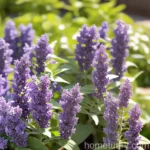
Sage (Salvia nemorosa ‘Rosenwein’ ROSE WINE): A Comprehensive Plant Guide
Introduction
Plants have always been an integral part of our lives, and their diverse range never ceases to amaze us. One such plant that has garnered attention for its beauty, fragrance, and multipurpose use is the sage (Salvia nemorosa ‘Rosenwein’ ROSE WINE). In this comprehensive guide, we will delve into the intricacies of this captivating plant, exploring its cultural significance, uses, care requirements, propagation, common diseases, and much more.
What is Sage (Salvia nemorosa ‘Rosenwein’ ROSE WINE)?
Sage, scientifically known as Salvia nemorosa ‘Rosenwein’ ROSE WINE, is a perennial herbaceous plant that belongs to the mint family, Lamiaceae. This enchanting plant is characterized by its aromatic foliage, stunning spiked inflorescences, and a myriad of practical and ornamental uses. The ‘Rosenwein’ variety, in particular, is prized for its rose wine-colored blooms, adding a pop of color and elegance to any garden or landscape.
Key Takeaways
- Plant Name: Salvia nemorosa ‘Rosenwein’ ROSE WINE
- Common Name: Rose Wine Sage
- Family: Lamiaceae
- Growth Habit: Perennial
- Flower Color: Rose wine-colored
- Uses: Culinary, Medicinal, Ornamental
Culture
Understanding the cultural requirements of sage plants is essential for ensuring their optimal growth and development. Let’s explore the key cultural aspects associated with this captivating herb.
Water
Sage plants are renowned for their ability to tolerate drought conditions, making them particularly suitable for water-wise gardening and landscapes. However, during the initial establishment phase and extended periods of dry weather, adequate watering is essential to promote healthy growth and flowering. It’s important to strike a balance, avoiding waterlogged soil while ensuring sufficient moisture to support the plant’s vitality.
Sunlight
One of the defining characteristics of sage plants is their preference for full sun exposure. Providing a minimum of 6-8 hours of direct sunlight daily is crucial for robust growth and abundant flowering. In regions with scorching summers, some light afternoon shade can be beneficial to prevent excessive stress on the plants.
Fertilizer
Sage plants are relatively low-maintenance and generally do not have high fertilizer requirements. A balanced, slow-release fertilizer applied in spring as new growth emerges can provide the necessary nutrients for healthy development. It’s important to avoid excessive nitrogen fertilization, as this can lead to lush foliage at the expense of flowering.
Soil
Well-draining, moderately fertile soil is ideal for sage plants. They thrive in slightly alkaline to neutral soil pH and detest waterlogged conditions, which can lead to root rot. Amending the soil with organic matter, such as compost, can enhance its structure and fertility, promoting optimal growth and vigor.
Pruning
Pruning sage plants serves multiple purposes, including maintaining their shape, enhancing air circulation, and promoting continuous flowering. Here are some key tips for effectively pruning sage:
- Deadhead spent blooms: Removing faded flowers encourages the plant to produce new blooms, extending the flowering period and enhancing visual appeal.
- Trimming leggy growth: Cutting back excessively long or leggy stems helps maintain a compact and bushy growth habit, preventing the plant from becoming lanky.
- Annual rejuvenation: Performing a comprehensive pruning session in early spring revitalizes the plant, stimulating fresh growth and promoting a robust, healthy form.
Propagation
Sage plants can be propagated through various methods, each offering its unique advantages and considerations. Here are the primary methods for propagating sage:
- Seed Propagation: Growing sage from seeds is an economical and straightforward method, particularly suitable for large-scale propagation. Sowing the seeds in well-draining seed starting mix and maintaining consistent moisture levels can yield a bountiful supply of young sage plants.
- Division: Dividing mature sage plants allows for the rapid multiplication of desirable varieties. It’s best carried out in early spring, separating the plant into sections with healthy roots and shoots, which can then be replanted to establish new specimens.
- Cuttings: Propagating sage from stem cuttings is a reliable and efficient method for maintaining the genetic integrity of the parent plant. Selecting healthy, non-flowering shoots, and rooting them in a moist, well-aerated medium can yield rooted cuttings ready for transplanting in a matter of weeks.
Container Popularity
The allure of sage plants as container specimens is undeniable, offering a myriad of benefits and opportunities for versatile garden design. Here are some key reasons for the popularity of sage in containers:
- Space-efficient: Sage plants can thrive in relatively compact containers, making them suitable for balconies, patios, and small outdoor spaces.
- Herb Gardens: Including sage in herb gardens and kitchen container gardens provides easy access to fresh foliage for culinary endeavors while adding visual interest and fragrance.
- Ornamental Display: The vibrant, aromatic foliage and striking flowers of sage plants make them an excellent choice for ornamental container displays, adding beauty and charm to any outdoor setting.
Common Diseases
While sage plants are generally resilient, they can be susceptible to certain diseases under unfavorable growing conditions. Recognizing and understanding these common diseases is crucial for implementing effective preventive strategies and treatments. Let’s explore some of the prevalent diseases that can affect sage:
Disease Diagnosis
| Disease | Symptoms | Management |
|---|---|---|
| Powdery Mildew | White powdery spots on leaves and stems | Improve air circulation, avoid overhead watering, apply fungicides if necessary |
| Root Rot | Wilting, yellowing leaves, and rotten roots | Ensure well-draining soil, avoid overwatering, apply fungicide treatments |
| Botrytis Blight | Gray mold on leaves and flowers | Remove affected plant parts, improve air circulation, apply fungicides if necessary |
Implementing good cultural practices, such as providing adequate air circulation, avoiding overwatering, and maintaining proper plant spacing, can significantly reduce the incidence and severity of these diseases.
Common Pests
Sage plants are generally resistant to pest infestations, attributed to their aromatic foliage and natural deterrent properties. However, certain pests may still pose a threat to these resilient herbs. Understanding the common pests and their management is crucial for preserving the health and vigor of sage plants.
| Pest | Symptoms | Management |
|---|---|---|
| Aphids | Clusters of small, soft-bodied insects on new growth | Spray with insecticidal soap or neem oil, encourage natural predators like ladybugs and lacewings |
| Spider Mites | Webbing on leaves, stippled appearance, weakened growth | Regularly mist foliage, apply horticultural oil, introduce predatory mites |
Vigilance and early intervention are key in effectively managing pest infestations, minimizing potential damage to sage plants.
Botanist’s Tips
As a plant scientist with a deep appreciation for sage plants, I’ve gathered some valuable tips to enhance your experience and success in growing and caring for these remarkable herbs:
- Companion Planting: Interplanting sage with companion herbs such as thyme, rosemary, and lavender can enhance the overall health of the herb garden and deter pest infestations.
- Harvesting Techniques: When harvesting sage leaves, opt for pruning rather than plucking individual leaves, as this promotes bushier growth and abundant foliage.
- Winter Protection: In regions with harsh winters, providing a layer of mulch around the base of sage plants can offer insulation and protection from extreme cold.
Fun Facts
Uncover some intriguing and delightful facts about sage plants that showcase their remarkable nature and cultural significance:
- Sage has been revered for centuries for its medicinal properties and is associated with wisdom, longevity, and immortality in various cultures and traditions.
- The aromatic oils present in sage leaves and blooms are often used in perfumery and aromatherapy for their soothing and therapeutic properties.
- In ancient Roman and Greek civilizations, sage was considered a sacred herb and was used in religious ceremonies and rituals.
Links to External Resources
For further exploration and in-depth information on sage plants, consider visiting the following reputable external resources:
- Royal Horticultural Society (RHS) – Sage: A Comprehensive Guide
- The Herb Society – Salvia nemorosa ‘Rosenwein’ Profile
- University of Maryland Medical Center – Medicinal Uses of Sage
- Missouri Botanical Garden – Growing and Care of Salvia nemorosa
In conclusion, sage (Salvia nemorosa ‘Rosenwein’ ROSE WINE) stands as a captivating and versatile herb that transcends mere ornamental beauty, offering a myriad of culinary, medicinal, and cultural contributions. By understanding its cultural requirements, uses, propagation methods, and pest and disease management, enthusiasts and gardeners can enrich their appreciation and cultivation of this extraordinary plant.
Now, armed with a wealth of knowledge and insights, it’s time to embark on a fulfilling journey of nurturing and celebrating the unparalleled charm of sage plants in our gardens and landscapes.
Note: The information provided in this guide is intended for educational and informational purposes. For specific cultivation and usage advice related to sage (Salvia nemorosa ‘Rosenwein’ ROSE WINE), it’s recommended to consult local horticultural experts and extension services for region-specific recommendations and guidance.