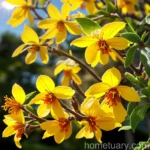
The Fascinating World of Plants
Plants are an integral part of our environment, providing sustenance, shelter, and aesthetic beauty. From the grand oak trees of forests to the delicate ferns adorning our gardens, plants have an incredible diversity and offer a multitude of benefits. As a plant scientist, I am passionate about unraveling the mysteries and wonders of the plant kingdom. In this comprehensive guide, we will explore the various facets of plants, including their types, care requirements, and the fascinating role they play in our lives.
What is a Plant?
Plants are living organisms belonging to the kingdom Plantae. They are known for their ability to photosynthesize, using the energy from sunlight to convert carbon dioxide and water into organic compounds, primarily sugars. This process is vital not only for the plants themselves but also for the entire ecosystem, as it forms the basis of the food chain.
Plants exhibit a wide array of forms, from towering trees to tiny mosses. They are characterized by their cell walls composed of cellulose, chlorophyll for photosynthesis, and the absence of mobility. This stationary nature of plants contrasts with animals, which can move to seek out food, mates, or shelter.
Key Takeaways
Let’s delve into the key aspects that define plants and their cultivation:
- Types of Plants: Discussing the diverse categories of plants, including indoor, outdoor, popular species, and various specialized categories such as medicinal, ornamental, and aromatic plants.
- Care and Cultivation: Exploring the essential factors that contribute to the thriving of plants, such as water, sunlight, soil, fertilizer, and pruning.
- Propagation and Growth: Understanding how plants reproduce and grow, including the stages of their life cycle and different methods of propagation.
- Pests and Diseases: Addressing the common afflictions that affect plants, along with strategies for diagnosis, prevention, and management.
- Botanist’s Tips: Providing insights and recommendations from a professional perspective to assist plant enthusiasts in nurturing their green companions.
Now, let’s embark on an enriching journey through the captivating realm of plants, encompassing their diverse uses, care requirements, and the marvels they bring into our lives.
Plant Culture
The culture of plants encompasses the techniques and practices involved in their cultivation and maintenance. Understanding the cultural requirements of different plants is essential for ensuring their optimal growth and vitality.
Whether you are an avid gardener or a newcomer to plant care, incorporating the right cultural practices can make a significant difference in the health and appearance of your plants. Let’s delve into some key aspects of plant culture:
Water
Water is an essential element for the survival of plants, playing a crucial role in various physiological processes such as nutrient transport and photosynthesis. Understanding the watering needs of different plants is fundamental for their well-being.
Watering Plants:
- Frequency: Different plants have varying watering needs based on their species, size, and environmental conditions. While some plants thrive in consistently moist soil, others prefer periods of drying out between watering.
- Methods: Tailoring the watering method to suit the plant’s requirements is crucial. Some plants benefit from watering at the base to prevent moisture-related diseases, while others, such as ferns, appreciate misting to maintain humidity.
- Quality: Using clean, preferably room-temperature water is advisable for watering plants. Watering with chlorine or salt-laden water can lead to detrimental effects on plant health.
Sunlight
Sunlight is the primary source of energy for plants, driving the process of photosynthesis and influencing numerous aspects of their growth and development.
Sunlight Requirements for Plants:
- Direct vs. Indirect Sunlight: Understanding the sunlight preferences of plants is essential. Some plants thrive in direct sunlight, while others prefer shaded or partially shaded conditions.
- Duration: Monitoring the duration of sunlight exposure is crucial, ensuring that plants receiving intense sunlight are not subjected to scorching, while those requiring more light are adequately exposed.
Fertilizer
Fertilizers provide plants with essential nutrients that may be deficient in the soil, promoting healthy growth and robustness.
Plant Fertilizers:
- Types: There are various types of fertilizers, including synthetic and organic options, each offering specific benefits. Understanding the nutritional requirements of plants aids in selecting the most suitable fertilizer.
- Application: Adhering to the recommended application rates and schedules prevents over-fertilization, which can harm plants. Carefully incorporating fertilizer into the soil or as a foliar spray ensures effective nutrient uptake by the plants.
Soil
The composition and quality of soil significantly impact the well-being of plants, influencing factors such as nutrient availability, water retention, and aeration.
Soil Types for Plants:
- pH and Composition: Different plants have specific soil pH and composition preferences. Understanding these requirements is essential for providing the optimal growing medium for plants, ensuring their vigor and vitality.
- Amendments: Incorporating organic matter, such as compost or peat moss, can enhance soil structure and fertility, promoting favorable conditions for plant growth.
Pruning
Pruning is a horticultural practice involving the selective removal of plant parts, such as branches, shoots, or flowers, to improve plant health and appearance.
Pruning Techniques:
- Purpose: Pruning serves various objectives, including shaping plants, removing diseased or damaged parts, and stimulating new growth.
- Timing: Understanding the appropriate timing for pruning specific plants is essential, as improper timing can detrimentally impact their growth and flowering.
Plant Propagation
Propagation refers to the process of creating new plants from existing ones, enabling the expansion of plant populations and the preservation of desirable traits.
Propagation Methods
Plants can be propagated through various methods, each offering unique advantages and considerations.
- Seed Propagation: Growing plants from seeds is a common and rewarding method, offering genetic diversity and the potential for discovering unique traits in the offspring.
- Cutting Propagation: Propagating plants from cuttings involves taking a portion of a healthy parent plant and encouraging it to develop roots, leading to the formation of a new individual.
- Division: Some plants can be divided into multiple segments, each capable of growing into a new plant. This method is particularly useful for perennial plants with clumping growth habits.
Container Gardening
Container gardening provides a versatile approach to cultivating plants, offering flexibility in terms of space, mobility, and design.
Choosing the Right Pot for Plants
- Size and Drainage: Selecting appropriately sized pots with adequate drainage holes is crucial for ensuring the well-being of plants. Proper drainage prevents waterlogging, which can lead to root rot and other issues.
- Material: Different materials, such as terracotta, plastic, or ceramic, offer distinct benefits. Considering factors such as insulation, weight, and aesthetics helps in choosing the suitable pot material for specific plants.
Plant Popularity
Plants have garnered immense popularity for their aesthetic appeal, health benefits, and the sense of tranquility they bring to indoor and outdoor spaces.
Common Plants
Indoor Plants
Indoor plants have gained widespread popularity for enhancing interior décor, purifying the air, and uplifting moods. The following are some popular indoor plants:
Main Content
Popular Plant Species
Lorem ipsum dolor sit amet, consectetur adipiscing elit. Curabitur tristique risus eu varius consequat. Fusce eleifend odio erat, id fermentum quam consequat nec. Pellentesque habitant morbi tristique senectus et netus et malesuada fames ac turpis egestas.
| Plant Name     | Scientific Name     | Characteristics     |

|:--------------:|:-------------------:|:-------------------:|

| Peace Lily     | Spathiphyllum spp.  | Air-purifying, requires low light |

| Snake Plant    | Sansevieria spp.    | Low-maintenance, thrives in low light |

| Pothos         | Epipremnum aureum   | Trailing habit, adaptable to various light conditions |

| Monstera      | Monstera deliciosa  | Striking foliage, prefers bright, indirect light |
Outdoor Plants
Outdoor plants contribute to the lushness and vibrancy of garden landscapes, offering a diverse array of colors, shapes, and fragrances.
Edible Plants
Edible plants provide nourishment and culinary excitement, encouraging people to cultivate their own fresh produce.
Medicinal Plants
Plants with medicinal properties have played a significant role in traditional healing practices and continue to be valuable sources of therapeutic compounds.
Aromatic Plants
The enchanting fragrances of aromatic plants add sensory delight to gardens and living spaces, with many species possessing therapeutic benefits.
Common Diseases
Plants are susceptible to various diseases caused by pathogens such as fungi, bacteria, and viruses. Understanding the symptoms and treatments for common plant diseases is crucial for safeguarding their health.
Main Content
Table: Common Plant Diseases and Treatments
| Disease | Symptoms | Treatment |
|---|---|---|
| Powdery Mildew | White powdery spots on leaves | Neem oil spray, pruning affected parts |
| Leaf Spot | Dark spots on leaves, leaf yellowing | Improve air circulation, apply copper fungicide |
| Root Rot | Wilting, yellowing, and mushy roots | Adjust watering, improve soil drainage |
| Botrytis Blight | Gray mold on flowers and foliage | Remove affected parts, improve air circulation |
| Fusarium Wilt | Wilting, yellowing, and stunted growth | Remove affected plants, sterilize soil |
Disease Diagnosis
Diagnosing plant diseases involves observing and analyzing symptoms to identify the causative agents and develop appropriate treatment strategies.
- Symptom Identification: Recognizing the specific symptoms exhibited by plants, such as leaf discoloration, wilting, or abnormal growth, aids in narrowing down the potential causes of disease.
- Laboratory Analysis: In cases of complex or unidentified diseases, laboratory testing for pathogens and other disease agents may be necessary to determine the precise diagnosis.
Common Pests
Pests pose a significant threat to the well-being of plants, causing damage to foliage, flowers, and roots.
Pest Control for Plants
Implementing effective pest control measures is essential for safeguarding plants from infestations and minimizing the damage caused by pests.
- Natural Predators: Encouraging the presence of beneficial insects and predators, such as ladybugs and lacewings, helps in controlling pest populations.
- Organic Products: Utilizing organic pest control products, such as neem oil and insecticidal soaps, offers environmentally friendly solutions for managing pests.
Botanist’s Tips
As a plant scientist, I have gathered valuable insights and recommendations for caring for plants, ensuring their flourishing and resilience.
Botanist’s Recommendations
- Observation: Regularly observing plants for signs of changes in growth, foliage color, or the presence of pests and diseases enables early intervention and effective management.
- Research: Conducting thorough research on the specific cultural requirements of plants, including their water, sunlight, and soil preferences, empowers enthusiasts to provide optimal care.
- Patience: Understanding that plants undergo growth cycles and may exhibit seasonal changes in appearance fosters patience and a deeper connection with the natural processes of plant life.
Fun Facts
Fascinating Plant Trivia
- The largest flower in the world, Rafflesia arnoldii, can grow up to three feet in diameter and emits a foul odor reminiscent of rotting meat to attract pollinators.
- The “talking” Mimosa pudica plant exhibits rapid leaf movements in response to touch or other external stimuli, a captivating display of plant sensitivity.
- The ancient practice of bonsai involves meticulously shaping and pruning trees to create miniature, aesthetically pleasing versions of their full-sized counterparts, emphasizing the artistry of plant care.
Links to External Resources
For further in-depth exploration of plants and their cultivation, I recommend referring to the following resources:
- Royal Horticultural Society – A wealth of information on gardening, plant care, and horticultural practices.
- Missouri Botanical Garden – Extensive botanical resources, including plant databases, educational materials, and conservation initiatives.
- American Society for Horticultural Science – Scholarly publications and research insights into horticulture and plant science.
Plant Name: “s)”
Now that we have delved into the multifaceted world of plants, gaining insights into their care, propagation, and the enchanting diversity they offer, it is time to apply these learnings to foster the well-being of our green companions. Whether you are tending to a serene indoor garden or nurturing a riotous outdoor landscape, understanding the nuances of plant culture and utilizing the best practices for their care elevates the experience of plant stewardship. As we embrace the marvels of the plant kingdom, may our interactions with plants bring joy, tranquility, and a profound appreciation for the bountiful gifts they bestow upon us.