Hamamelis Mollis ‘Early Bright’ (Chinese Witch Hazel) – A Comprehensive Guide
Hamamelis Mollis ‘Early Bright’, also known as Chinese Witch Hazel, is a stunning ornamental shrub that adds a burst of color and fragrance to any garden. With its vibrant yellow flowers and delightful scent, this cultivar is a popular choice for landscape design and brings seasonal interest to any outdoor space. In this comprehensive guide, we will explore the culture, uses, care requirements, and maintenance of Hamamelis Mollis ‘Early Bright’, providing valuable insights for both novice gardeners and experienced horticulturists.
What is Hamamelis Mollis ‘Early Bright’ (Chinese Witch Hazel)?
Hamamelis Mollis ‘Early Bright’ is a cultivar of Hamamelis mollis, commonly known as Chinese Witch Hazel. It is a deciduous shrub that belongs to the family Hamamelidaceae. The Chinese Witch Hazel is native to China and thrives in temperate regions. The cultivar ‘Early Bright’ is cherished for its vibrant, fragrant flowers that bloom in late winter to early spring, providing much-needed color and fragrance during the colder months.
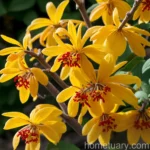
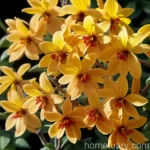
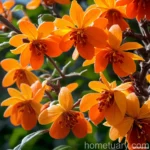
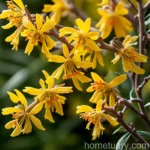
These shrubs typically exhibit a spreading habit and can reach a height and spread of 15-20 feet, making them suitable for both large and small gardens. The unique flowers of Hamamelis Mollis ‘Early Bright’ emerge in clusters and boast a rich, golden-yellow hue, standing out against the backdrop of winter landscapes.
Key Takeaways – Hamamelis Mollis ‘Early Bright’ (Chinese Witch Hazel)
Before delving into the specifics of the culture, uses, and care requirements of Hamamelis Mollis ‘Early Bright’, let’s summarize the key points associated with this delightful shrub.
Culture
- Botanical Name: Hamamelis Mollis ‘Early Bright’
- Common Name: Chinese Witch Hazel
- Plant Type: Deciduous shrub
- Flower Color: Golden-yellow
- Foliage: Green, oval to obovate, turning vibrant shades of yellow in fall
- Fragrance: Delightful, spicy scent
- Hardiness Zone: 5-8
- Landscape Use: Borders, woodland gardens, and mixed shrub borders
Uses
- Ornamental Value: Winter blooms, fragrant flowers, fall foliage color
- Landscape Design: Adds seasonal interest, suitable for naturalistic and formal garden styles
- Fragrance: Attracts pollinators and provides a delightful sensory experience
Care
- Water Requirements: Moderate watering, well-drained soil
- Sunlight: Partial to full sun
- Fertilizer: Minimal fertilizer needs
- Soil: Moist, acidic, loamy soil
- Pruning: Minimal pruning required, remove dead or damaged branches
- Propagation: Softwood cuttings, layering
Maintenance
- Disease Resistance: Generally disease-free, occasional pest issues
- Hardiness: Reliable performance in temperate climates
- Container Gardening: Suitable for large containers
- Wildlife Attraction: Pollinator-friendly, winter interest
Now, let’s explore each of these aspects in detail to gain a comprehensive understanding of Hamamelis Mollis ‘Early Bright’ and how to care for this captivating shrub.
Culture of Hamamelis Mollis ‘Early Bright’
Water
Chinese Witch Hazel plants have moderate water requirements. While they are tolerant of short periods of drought once established, it is essential to ensure the soil remains consistently moist, especially during the growing season. Adequate moisture is crucial for the development of healthy, vibrant flowers and foliage.
Watering Tips:
- Established Plants: Water deeply once a week during dry spells
- Mulching: Apply a layer of mulch around the base of the shrub to retain soil moisture
- Avoid Waterlogging: Ensure proper drainage to prevent waterlogged soil, which can lead to root rot
Sunlight
Hamamelis Mollis ‘Early Bright’ thrives in partial to full sun. While it can tolerate some shade, providing ample sunlight will encourage robust growth and prolific blooming. When selecting a planting site, prioritize locations with good sun exposure, especially during the morning hours.
Sunlight Requirements:
- Optimal Conditions: Full morning sun, dappled afternoon shade
- Shade Tolerance: Can tolerate partial shade, but flowering may be reduced
Fertilizer
Chinese Witch Hazel plants have minimal fertilizer needs and can thrive without heavy feeding. A light application of a balanced, slow-release fertilizer in early spring can support healthy growth and flowering. However, it is crucial to avoid excessive fertilization, as it can lead to an imbalance in the plant’s overall health.
Fertilizing Guidelines:
- Timing: Apply fertilizer in early spring, before new growth emerges
- Balanced Formula: Choose a balanced, slow-release fertilizer to provide essential nutrients
- Avoid Over-Fertilizing: Use fertilizers sparingly to prevent nutrient imbalances and potential damage to the plant
Soil
The soil requirements of Hamamelis Mollis ‘Early Bright’ are relatively straightforward. It thrives in moist, well-drained, acidic soil with a loamy texture. Prior to planting, amending the soil with organic matter such as compost or peat moss can improve its structure and fertility, creating an ideal growing environment for the shrub.
Soil Preparation:
- pH Level: Acidic soil with a pH of 5.5-6.5
- Moisture Retention: Well-drained soil to prevent waterlogging
- Soil Amendments: Incorporate organic matter to improve soil texture and fertility
Pruning and Propagation Techniques
Pruning
The pruning requirements for Hamamelis Mollis ‘Early Bright’ are minimal, focusing primarily on the removal of dead or damaged wood to maintain the shrub’s health and appearance. Additionally, selective pruning can help shape the plant and encourage a more open, airy growth habit, allowing sunlight to penetrate the interior of the shrub.
Pruning Guidelines:
- Timing: Prune in late spring or early summer after the shrub has finished blooming
- Remove Deadwood: Trim out any dead or diseased branches to promote overall plant health
- Selective Pruning: Thin out crowded growth to improve air circulation and light penetration
Propagation
Propagation of Hamamelis Mollis ‘Early Bright’ can be achieved through softwood cuttings or layering. Both methods are relatively straightforward and can be performed by experienced gardeners or horticulturists.
Softwood Cuttings:
- Timing: Take softwood cuttings in early summer when the plant is actively growing
- Preparation: Select healthy, non-flowering shoots for the cuttings
- Propagation Medium: Use a well-draining potting mix for rooting the cuttings
Layering:
- Process: Bend a low-growing, flexible stem to the ground and cover a section with soil
- Rooting: Roots will form at the point of contact with the soil, and the new plant can be separated once established
Hamamelis Mollis ‘Early Bright’ in Containers
Chinese Witch Hazel cultivars, including Hamamelis Mollis ‘Early Bright’, can thrive in containers, making them versatile options for patio gardens, urban landscapes, and small outdoor spaces. When grown in containers, these shrubs bring seasonal interest and fragrance to outdoor living areas, providing a delightful sensory experience for garden enthusiasts.
Container Considerations:
- Container Size: Select a large, sturdy container to accommodate the shrub’s mature size
- Drainage: Ensure adequate drainage holes to prevent waterlogging
- Potting Mix: Use a well-draining, acidic potting mix tailored for woody plants
- Sun Exposure: Position the container in a location with optimal sunlight
Popularity of Hamamelis Mollis ‘Early Bright’
The popularity of Hamamelis Mollis ‘Early Bright’ stems from its captivating attributes, including vibrant winter blooms, delightful fragrance, and striking fall foliage color. These features make it a sought-after choice for discerning gardeners and landscaping professionals looking to incorporate unique, visually engaging plants into their designs.
In addition to its ornamental value, the Chinese Witch Hazel’s resilience and adaptability further contribute to its popularity. It thrives in a range of growing conditions and brings a touch of elegance to various garden styles, from naturalistic woodland settings to more formal, structured landscapes.
Common Diseases and Pests
Disease Resistance
Hamamelis Mollis ‘Early Bright’ is generally resistant to most common plant diseases. However, environmental stressors or unfavorable growing conditions can weaken the shrub and make it more susceptible to issues such as leaf spot or powdery mildew. Ensuring proper cultural care, including adequate watering, proper pruning, and suitable soil conditions, can help maintain the plant’s vigor and natural resistance to diseases.
Disease Diagnosis and Treatment
Diagnosing and treating potential diseases in Hamamelis Mollis ‘Early Bright’ involves careful observation and proactive measures to address any issues before they impact the plant’s overall health. Common signs of disease include:
- Leaf Spot: Dark or discolored spots on the leaves
- Powdery Mildew: White, powdery fungal growth on the foliage
- Twig Blight: Dieback of branches and stem tissues
If any of these symptoms are observed, prompt action, such as improving air circulation, removing infected plant material, and applying appropriate fungicidal treatments, can help mitigate the spread of diseases and restore the shrub’s vitality.
Common Pests
While Chinese Witch Hazel is generally resistant to many pests, occasional infestations may occur, particularly in stressed or weakened plants. Common pests that may affect Hamamelis Mollis ‘Early Bright’ include:
- Aphids: Small, sap-sucking insects that can distort new growth
- Scale Insects: Flat, oval-shaped pests that can cause yellowing and wilting of foliage
- Spider Mites: Minute pests that can cause stippling and discoloration of leaves
Vigilant monitoring and early intervention, such as the use of horticultural oils or insecticidal soaps, can help manage pest populations and protect the shrub from potential damage.
Botanist’s Tips for Growing Hamamelis Mollis ‘Early Bright’
To ensure the successful cultivation and enjoyment of Hamamelis Mollis ‘Early Bright’, aspiring gardeners and horticultural enthusiasts can benefit from the following expert tips:
- Seasonal Pruning: Schedule pruning activities during the appropriate times to avoid disrupting the shrub’s natural growth cycles or flowering patterns.
- Soil Testing: Conduct periodic soil tests to monitor pH levels and nutrient content, making adjustments as needed to maintain optimal growing conditions.
- Mulching: Apply a layer of organic mulch around the base of the shrub to conserve moisture, suppress weed growth, and insulate the soil during temperature fluctuations.
- Observation: Regularly inspect the plant for signs of stress, diseases, or pests, taking prompt action to address any issues and preserve the shrub’s health.
- Winter Protection: In colder climates, consider providing winter protection, such as burlap wrapping, to shield the shrub from harsh winds and temperature extremes.
Fun Facts about Hamamelis Mollis ‘Early Bright’
To deepen our appreciation for Hamamelis Mollis ‘Early Bright’ and the Chinese Witch Hazel species, let’s explore some intriguing and lesser-known facts:
- The Hamamelis genus is valued for its historical medicinal uses, with various species, including H. virginiana, being utilized in traditional herbal remedies.
- Chinese Witch Hazel flowers are often described as fragrant, with a spicy, sweet scent that captivates the senses and attracts pollinators.
- The vibrant fall foliage of Hamamelis Mollis ‘Early Bright’ adds a final burst of color to the landscape before the onset of winter, creating a memorable seasonal transition.
Links to External Resources
For further exploration of Chinese Witch Hazel and additional insights into the cultivation and care of Hamamelis Mollis ‘Early Bright’, consider referencing the following external resources:
- Royal Horticultural Society – Hamamelis Mollis
- Missouri Botanical Garden – Witch hazel
- University of Maryland Extension – Witch Hazel for Year-Round Interest
As we conclude this comprehensive guide to Hamamelis Mollis ‘Early Bright’ (Chinese Witch Hazel), I hope that it has enriched your understanding and appreciation of this delightful ornamental shrub. Whether you are considering adding it to your garden or seeking to enhance your horticultural knowledge, the unique qualities and seasonal charm of Hamamelis Mollis ‘Early Bright’ make it a captivating addition to any outdoor landscape.