Plant Scientist’s Guide to Rudbeckia fulgida var. deamii (Black-Eyed Susan)
Rudbeckia fulgida var. deamii, commonly known as Black-Eyed Susan, is a stunning perennial plant that belongs to the Asteraceae family. This vibrant flowering plant is native to North America and has been a favorite among gardeners and horticulturists for its striking, daisy-like blooms and low maintenance requirements.
In this comprehensive guide, we will delve into various aspects related to the cultivation, care, and uses of Rudbeckia fulgida var. deamii. From its cultural requirements to common diseases and pests, this article aims to provide valuable insights into nurturing and enjoying the beauty of this iconic plant.
What is Rudbeckia fulgida var. deamii (Black-Eyed Susan)?
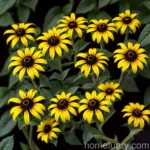
Rudbeckia fulgida var. deamii, also known as Orange Coneflower or Black-Eyed Susan, is a clump-forming herbaceous perennial that typically reaches a height of 24 to 36 inches. It is characterized by its abundant, golden-yellow flowers with dark brown or black centers, which bloom from mid-summer to early fall. The plant’s dark green foliage serves as a beautiful backdrop to the vibrant flowers, adding to its visual appeal.
This plant is an excellent choice for garden borders, meadows, and naturalized landscapes, attracting butterflies and other pollinators with its nectar-rich blooms. With proper care and maintenance, Rudbeckia fulgida var. deamii can thrive and enhance the aesthetics of any garden or landscape.
Key Takeaways – Rudbeckia fulgida var. deamii (Black-Eyed Susan)
Here are the key takeaways for growing and caring for Rudbeckia fulgida var. deamii:
- Cultural Requirements: Understanding the cultural needs of the plant, including soil, water, sunlight, and fertilization.
- Uses: Exploring the diverse uses of Rudbeckia fulgida var. deamii in landscaping, wildlife habitats, and medicinal applications.
- Water: Learning about the watering requirements to maintain healthy growth and vibrant blooms.
- Sunlight: Understanding the plant’s preference for sunlight exposure and its impact on flowering.
- Fertilizer: Identifying the appropriate fertilization practices to promote robust growth and prolific blooming.
- Soil: Evaluating the soil preferences and preparing an optimal growing medium for the plant.
- Pruning: Knowing the importance of pruning and the techniques to maintain the plant’s shape and vitality.
- Propagation: Exploring the methods for propagating Rudbeckia fulgida var. deamii for expanding its presence in the garden.
- Container Popularity: Understanding the appeal and feasibility of growing Black-Eyed Susan in containers.
- Common Diseases and Pests: Recognizing the potential diseases and pests that may affect the plant and implementing preventive measures.
With these key elements in mind, let’s delve into the detailed care and cultivation guidelines for Rudbeckia fulgida var. deamii.
Rudbeckia Fulgida var. Deamii Plant Care
Culture
Cultivating Rudbeckia fulgida var. deamii involves understanding and meeting its specific cultural requirements. Proper attention to the plant’s needs ensures healthy growth, abundant flowering, and overall vigor.
Uses
Rudbeckia fulgida var. deamii serves numerous purposes, contributing to the beauty of gardens, supporting wildlife, and even offering potential medicinal benefits.
- Landscaping: Black-Eyed Susan is a popular choice for adding vibrant color and visual interest to garden beds, borders, and naturalized landscapes.
- Wildlife Habitat: The nectar-rich blooms of Rudbeckia fulgida var. deamii attract butterflies, bees, and other pollinators, making it an important plant for supporting local ecosystems.
- Medicinal Uses: In traditional medicine, certain parts of the plant are believed to possess healing properties and have been used for various remedies.
Water
Watering is a crucial aspect of caring for Rudbeckia fulgida var. deamii. While the plant is relatively tolerant of dry conditions, consistent moisture is essential, especially during the establishment phase and periods of prolonged drought.
- Watering Requirements: Provide regular watering, particularly during dry spells, to ensure the soil remains consistently moist but not waterlogged.
- Drought Tolerance: Established plants exhibit good drought tolerance, making them suitable for xeriscaping and low-water landscapes.
Sunlight
As a sun-loving perennial, Rudbeckia fulgida var. deamii thrives in full to partial sunlight. Adequate exposure to sunlight is vital for promoting vigorous growth and profuse flowering.
- Sun Exposure: Plant in a location that receives at least 6 to 8 hours of direct sunlight per day for the best flowering performance.
- Shade Tolerance: While the plant prefers full sun, it can tolerate partial shade, particularly in regions with intense afternoon sun.
Fertilizer
Fertilization plays a significant role in enhancing the growth and blooming of Rudbeckia fulgida var. deamii. The application of balanced fertilizers and organic amendments can provide the necessary nutrients for robust and healthy plants.
- Fertilization Schedule: Apply a balanced, slow-release fertilizer in early spring to promote strong growth and prolific flowering.
- Organic Amendments: Incorporate compost or well-rotted manure into the soil before planting to improve soil fertility and structure.
Soil
Understanding the soil preferences and preparing a suitable growing medium is essential for establishing healthy and resilient Rudbeckia fulgida var. deamii plants.
- Well-Drained Soil: Plant in well-drained, loamy soil to prevent waterlogging and root rot.
- Soil pH: The plant tolerates a wide range of soil pH levels, but slightly acidic to neutral soils are ideal for optimal growth.
Pruning
Pruning is an important maintenance practice that helps manage the plant’s size, remove spent blooms, and encourage reblooming.
- Deadheading: Regular deadheading of faded flowers promotes continuous blooming and prevents self-seeding.
- Spring Pruning: In late spring, trim back any dead or damaged growth to rejuvenate the plant and maintain a tidy appearance.
Propagation
Expanding the presence of Rudbeckia fulgida var. deamii in the garden can be achieved through various propagation methods, allowing for the creation of new plants from existing ones.
- Division: Divide mature clumps in early spring or fall to create new plants and rejuvenate established ones.
- Seed Propagation: Collecting and sowing ripe seeds in the garden or prepared seed-starting trays can yield new plants.
Container Popularity
The compact nature and striking blooms of Rudbeckia fulgida var. deamii make it an excellent candidate for container gardening, allowing for versatile and portable displays of color.
- Container Selection: Choose well-draining, appropriately-sized containers to accommodate the plant’s root system and growth habits.
- Soil and Watering: Use a high-quality potting mix and provide regular watering to ensure adequate moisture in the containers.
Now that we have explored the essential aspects of Rudbeckia fulgida var. deamii care and cultivation, let’s move on to understanding the plant’s popularity, common diseases, and pests.
Popularity
Rudbeckia fulgida var. deamii’s popularity extends beyond its ornamental appeal, as it also offers several practical and ecological benefits. Its widespread popularity can be attributed to the following factors:
- Visual Appeal: The vibrant, daisy-like flowers and dark green foliage make it a visually striking addition to gardens and landscapes.
- Low Maintenance: Black-Eyed Susan is relatively low maintenance, requiring minimal care once established, making it an attractive choice for busy gardeners.
- Wildlife Attraction: The plant’s nectar-rich blooms attract butterflies, bees, and other beneficial pollinators, contributing to the overall biodiversity of the garden.
- Naturalization: Rudbeckia fulgida var. deamii can be used to naturalize open spaces and meadows, promoting a more natural and diverse landscape.
Common Diseases
While Rudbeckia fulgida var. deamii is generally resilient, it can be susceptible to certain diseases under unfavorable conditions. Being aware of these potential threats and practicing good cultural care can help prevent and manage common diseases.
- Powdery Mildew: Fungal disease that appears as a white powdery coating on the leaves, often caused by poor air circulation and high humidity.
- Leaf Spot: Fungal infections that manifest as dark spots or lesions on the foliage, leading to aesthetic and potential health issues for the plant.
- Root Rot: Excessive soil moisture or poor drainage can lead to root rot, causing wilting, yellowing, and eventual decline of the plant.
Disease Diagnosis
Early diagnosis and intervention are crucial for managing plant diseases effectively. Monitoring the plant for symptoms and implementing preventive measures can help mitigate the impact of common diseases.
Powdery Mildew
- Symptoms: White, powdery patches on the upper surfaces of leaves, often accompanied by stunted growth.
- Preventive Measures: Improve air circulation, avoid overhead watering, and consider fungicidal treatments if necessary.
Leaf Spot
- Symptoms: Dark, irregular spots on the foliage, which may enlarge and coalesce, leading to leaf yellowing and drop.
- Preventive Measures: Remove affected plant material, encourage good airflow, and maintain proper sanitation practices to prevent disease spread.
Root Rot
- Symptoms: Wilting, yellowing, and eventual collapse of the plant, often accompanied by a foul odor and dark, mushy roots.
- Preventive Measures: Improve soil drainage, avoid overwatering, and consider using fungicidal treatments as a last resort.
Common Pests
In addition to diseases, Rudbeckia fulgida var. deamii may encounter certain pest species that can impact its health and vigor. Identifying and addressing these potential threats is essential for maintaining the plant’s vitality.
- Aphids: Small, soft-bodied insects that feed on plant sap, leading to distorted growth and potential virus transmission.
- Thrips: Tiny, slender insects that can cause stippling and silvering of the foliage, leading to aesthetic damage.
Pest Control
Implementing effective pest control measures can help manage infestations and minimize the impact on Rudbeckia fulgida var. deamii.
Aphids
- Control Methods: Use a strong blast of water to dislodge aphids, introduce natural predators like ladybugs, or consider insecticidal soap or neem oil treatments.
Thrips
- Control Methods: Remove and destroy infested plant material, maintain good garden hygiene, and consider insecticidal treatments if populations become problematic.
Botanist’s Tips
In addition to the essential care guidelines, here are some expert tips from botanists and horticulturists to enhance the success of Rudbeckia fulgida var. deamii cultivation:
- Companion Planting: Pair Black-Eyed Susan with other native perennials, grasses, and shrubs to create diverse and ecologically valuable plant communities.
- Wildlife Benefit: Recognize the role of Rudbeckia fulgida var. deamii as a valuable resource for pollinators and other wildlife, contributing to biodiversity conservation efforts.
Fun Facts
- The species name “fulgida” means “shining” or “glistening,” referring to the bright and radiant appearance of the plant’s flowers.
- Black-Eyed Susan is the state flower of Maryland, symbolizing the vibrant beauty of the region’s natural landscapes.
- The plant’s cheerful blooms and easy-going nature have inspired its use in various cultural associations and floral arrangements.
Links to External Resources
For further information and resources on Rudbeckia fulgida var. deamii, explore the following links:
- The Royal Horticultural Society – Rudbeckia Fulgida
- Missouri Botanical Garden – Black-Eyed Susan
- University of Florida IFAS Extension – Rudbeckia Fulgida var. Deamii
- North Carolina State University Extension – Black-Eyed Susan in the Garden
With its striking appearance, ecological value, and versatility in the garden, Rudbeckia fulgida var. deamii stands as a testament to the beauty and resilience of native plants. By understanding its unique characteristics and adopting best horticultural practices, both novice and experienced gardeners can enjoy the vibrant allure of this iconic plant while supporting local biodiversity.
As we conclude this in-depth guide to Rudbeckia fulgida var. deamii (Black-Eyed Susan), I hope you’ve gained valuable insights into cultivating, enjoying, and appreciating this remarkable perennial. Whether adorning landscapes, supporting pollinators, or offering moments of natural beauty, Black-Eyed Susan continues to captivate and inspire gardeners across the globe.
Remember, the vibrant blooms of Rudbeckia fulgida var. deamii not only add visual delight to our surroundings but also contribute to the intricate web of life that surrounds us, making them an invaluable asset to any garden and a beacon of nature’s enduring splendor.