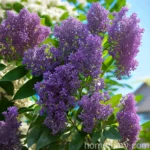
Syringa ‘Red Pixie’ (Lilac): A Comprehensive Guide
Syringa ‘Red Pixie’, commonly known as Lilac, is a charming and fragrant flowering plant that captivates gardeners with its vibrant colors and intoxicating fragrance. As a plant scientist with a passion for horticulture, I am excited to delve into the world of Syringa ‘Red Pixie’ and provide you with a comprehensive guide on its care, cultivation, and use in the garden.
What is Syringa ‘Red Pixie’ (Lilac)?
Syringa ‘Red Pixie’ is a compact and deciduous shrub that belongs to the olive family (Oleaceae). This delightful cultivar is renowned for its stunning clusters of fragrant, deep pinkish-red flowers that bloom in spring, creating an enchanting display of color and fragrance. The botanical name for Lilac is Syringa, and it encompasses a diverse group of flowering shrubs and trees that are beloved for their ornamental value.
Key Takeaways – Syringa ‘Red Pixie’ (Lilac)
Before delving into the specifics of caring for Syringa ‘Red Pixie’, let’s take a look at the key takeaways that encapsulate the essence of this charming plant:
- Plant Name: Syringa ‘Red Pixie’ (Lilac)
- Botanical Family: Oleaceae
- Characteristics: Compact, deciduous shrub with deep pinkish-red, fragrant flowers
- Cultural Importance: Ornamental plant used in gardens and landscapes
- Fragrance: Highly fragrant blooms that attract pollinators and delight garden enthusiasts
- Popularity: Widely cultivated for its beauty and charm in gardens and landscapes
Now, let’s explore the various aspects of caring for and using Syringa ‘Red Pixie’ in the garden.
Culture
Uses
Syringa ‘Red Pixie’ is primarily grown for its ornamental value, adding beauty and fragrance to gardens, landscapes, and outdoor spaces. Its compact growth habit and colorful blooms make it a popular choice for borders, hedges, and standalone specimens in garden beds.
Water
Proper watering is essential for the health and vitality of Syringa ‘Red Pixie’. During the initial establishment phase, regular watering is crucial to help the plant develop a strong root system. Once established, Lilacs are relatively drought-tolerant but benefit from occasional deep watering during extended dry periods. It’s important to avoid overwatering, as excessive moisture can lead to root rot and other moisture-related issues.
Sunlight
Syringa ‘Red Pixie’ thrives in full to partial sunlight. It is essential to provide the plant with at least 6-8 hours of direct sunlight daily to ensure healthy growth and prolific flowering. Insufficient sunlight can result in sparse foliage and reduced flower production.
Fertilizer
Proper fertilization is crucial for promoting healthy growth and abundant flowering in Syringa ‘Red Pixie’. A balanced, slow-release fertilizer formulated for flowering shrubs can be applied in early spring before new growth emerges. Additionally, side-dressing with compost or well-rotted manure can provide supplemental nutrients to the soil, supporting the plant’s overall health.
Soil
Lilacs prefer well-draining soil with a slightly acidic to neutral pH. Amending the soil with organic matter such as compost, peat moss, or well-rotted manure can improve soil structure and fertility, creating an optimal growing environment for Syringa ‘Red Pixie’.
Pruning
Pruning plays a vital role in maintaining the shape, size, and vigor of Syringa ‘Red Pixie’. Proper pruning also encourages abundant flowering and prevents the development of a dense, tangled canopy that can impede air circulation and sunlight penetration. Here are some essential pruning tips for Syringa ‘Red Pixie’:
- Timing: Prune immediately after flowering to avoid removing potential flower buds for the following year.
- Deadheading: Remove spent blooms to promote continuous flowering and prevent the formation of seeds.
- Thinning: Thin out crowded or crossing branches to improve airflow and light penetration.
- Rejuvenation: Periodically perform rejuvenation pruning by removing older, woody stems to stimulate new growth and maintain a healthy, vigorous plant.
Propagation
Syringa ‘Red Pixie’ can be propagated through several methods, including:
- Softwood Cuttings: Take softwood cuttings in early summer and root them in a well-draining propagation mix.
- Layering: Encourage the formation of roots on a low-hanging branch by covering a section of the stem with soil or a rooting medium.
- Division: Divide mature clumps of Lilac to create new plants, ensuring that each division has a sufficient root system and foliage to support its growth.
Each propagation method offers a unique approach to multiplying Syringa ‘Red Pixie’ and expanding its presence in the garden.
Container Popularity
Syringa ‘Red Pixie’ is well-suited for container cultivation, allowing gardeners with limited space or specific design preferences to enjoy the beauty of this charming Lilac. When grown in containers, the plant’s compact growth habit and fragrant blooms make it an excellent choice for patios, balconies, and small outdoor spaces.
Container Common Diseases
While Syringa ‘Red Pixie’ is relatively resilient, it can be susceptible to certain diseases when grown in containers. Some common diseases to watch out for include:
- Powdery Mildew: This fungal disease can manifest as a white, powdery coating on the leaves, compromising the plant’s overall health and appearance.
- Leaf Spot: Fungal leaf spot diseases can cause dark spots to develop on the foliage, potentially leading to leaf drop and reduced vigor.
- Root Rot: Excessive moisture in container-grown plants can contribute to the development of root rot, which manifests as wilting, yellowing foliage, and overall decline.
Awareness of these potential diseases and proactive measures to prevent their occurrence are essential for maintaining the health and vitality of Syringa ‘Red Pixie’ in containers.
Disease Diagnosis
Diagnosing plant diseases can be a complex process, requiring careful observation and consideration of various factors such as symptoms, environmental conditions, and cultural practices. When encountering potential diseases affecting Syringa ‘Red Pixie’, it is essential to:
- Conduct Visual Inspection: Carefully examine the plant for any abnormal symptoms such as discoloration, lesions, or unusual growth patterns.
- Consider Environmental Factors: Assess the prevailing environmental conditions, including moisture levels, temperature, and sunlight exposure, as these factors can influence disease development.
- Consult Resources: Utilize reputable plant disease resources and diagnostic tools to aid in identifying and addressing specific diseases affecting Lilacs.
By employing a systematic approach to disease diagnosis, gardeners can effectively manage and mitigate the impact of diseases on Syringa ‘Red Pixie’.
Common Pests
Syringa ‘Red Pixie’ can face potential threats from various pests, including:
- Aphids: These small, sap-sucking insects can cause damage to the foliage and transmit viral diseases to the plant.
- Lilac Borers: The larvae of borers can tunnel into the stems of Lilacs, potentially causing dieback and decline.
- Leaf Miners: These pests can create tunneling patterns in the leaves, leading to aesthetic damage and potential weakening of the plant.
Vigilance and prompt intervention are essential for controlling and mitigating pest infestations in Syringa ‘Red Pixie’.
Botanist’s Tips
As a plant scientist, I have gathered valuable insights and tips for successfully caring for Syringa ‘Red Pixie’:
- Promote Healthy Soil: Prioritize soil health by incorporating organic amendments and fostering a diverse soil ecosystem to support the plant’s growth and vitality.
- Monitor Moisture Levels: Strike a balance with watering, ensuring that the soil is consistently moist but not waterlogged, especially during the plant’s early growth stages.
- Observe Pruning Best Practices: Adhere to proper pruning techniques to maintain the plant’s shape, encourage vigorous growth, and stimulate abundant flowering.
- Cultivate Biodiversity: Integrate a diverse selection of plants in the garden to support pollinators, enhance ecosystem resilience, and create a visually captivating landscape.
Taking these tips into consideration can contribute to the overall success and well-being of Syringa ‘Red Pixie’ in the garden.
Fun Facts
To further enrich your understanding and appreciation of Syringa ‘Red Pixie’, here are some captivating fun facts about this delightful Lilac:
- Fragrance Description: The blooms of Syringa ‘Red Pixie’ emit a sweet, floral fragrance that perfumes the air and captivates the senses, making it a favorite for floral arrangements and perfumery.
- Focal Point in Gardens: With its vibrant, eye-catching blooms and compact form, Syringa ‘Red Pixie’ serves as a captivating focal point in garden beds, attracting attention and admiration from all who encounter it.
- Wildlife Attraction: Lilacs, including Syringa ‘Red Pixie’, entice an array of pollinators such as bees, butterflies, and hummingbirds, contributing to the overall biodiversity of the garden.
By exploring these fun facts, you can gain a deeper appreciation for the unique charm and allure of Syringa ‘Red Pixie’.
Links to External Resources
For further exploration of Syringa ‘Red Pixie’ and its diverse facets, I recommend the following external resources:
– Royal Horticultural Society: Lilac
– North Carolina State University Extension: Lilacs
– University of Illinois Extension: Growing Lilacs
These resources provide comprehensive insights, cultivation guidelines, and valuable information on Syringa ‘Red Pixie’, enriching your knowledge and understanding of this captivating plant.
In conclusion, Syringa ‘Red Pixie’ (Lilac) encapsulates the essence of ornamental beauty and fragrant charm, making it a delightful addition to gardens, landscapes, and outdoor spaces. By embracing the principles of proper care, cultivation, and appreciation for its unique attributes, you can cultivate a thriving and captivating display of Syringa ‘Red Pixie’ in your own garden. I hope this comprehensive guide has provided you with valuable insights and inspiration for exploring the enchanting world of Syringa ‘Red Pixie’.
Remember, a healthy and flourishing garden begins with a strong foundation of knowledge, passion, and care for the remarkable plants that enrich our lives and surroundings. Happy gardening!