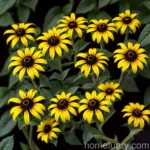
Rudbeckia ‘Summerina Orange’ (Black-Eyed Susan): A Comprehensive Guide
Rudbeckia ‘Summerina Orange’, commonly known as Black-Eyed Susan, is a stunning perennial plant that belongs to the sunflower family, Asteraceae. It is renowned for its vibrant orange blooms and exceptional versatility in various garden settings. This comprehensive guide will delve into the various aspects of Rudbeckia ‘Summerina Orange’, offering valuable insights into its culture, uses, care requirements, and much more.
What is Rudbeckia ‘Summerina Orange’?
Rudbeckia ‘Summerina Orange’ is a hybrid variety that exhibits the characteristic features of both Rudbeckia and Echinacea species. It boasts large, striking orange flowers with a prominent dark central cone, giving rise to its common name, Black-Eyed Susan. This perennial plant is celebrated for its long-lasting blooms and resilience, making it a popular choice among gardeners and landscaping enthusiasts.
Key Takeaways – Rudbeckia ‘Summerina Orange’
Before delving into the specifics of cultivating Rudbeckia ‘Summerina Orange’, it is essential to highlight the key takeaways associated with this captivating plant.
- Stunning orange flowers with a contrasting dark central cone
- Versatile and adaptable to various garden settings
- Resilient and long-lasting blooms, perfect for adding color to the landscape
- Attracts pollinators, making it a valuable addition to wildlife-friendly gardens
- Low maintenance requirements, suitable for both beginners and experienced gardeners
Culture
Uses
Rudbeckia ‘Summerina Orange’ is celebrated for its diverse uses in garden and landscaping settings, owing to its vibrant blooms and adaptability. It can be employed in the following ways:
- Border plantings: The striking orange flowers make Rudbeckia ‘Summerina Orange’ an ideal choice for creating vibrant borders and edgings in garden beds.
- Mixed plantings: This versatile plant can be paired with other perennials, annuals, or ornamental grasses to create visually captivating mixed plantings.
- Wildlife gardens: With its ability to attract pollinators, such as bees and butterflies, this plant adds ecological value to wildlife-friendly gardens.
Water
Rudbeckia ‘Summerina Orange’ exhibits moderate water requirements and thrives in well-drained soil. While it can tolerate dry conditions once established, regular watering is essential during its initial growth phase and prolonged periods of drought.
Sunlight
This perennial plant is classified as a sun-loving species, requiring full sunlight to thrive and produce an abundance of vibrant blooms. It is best suited to garden settings that receive at least 6-8 hours of direct sunlight daily.
Fertilizer
When it comes to fertilization, Rudbeckia ‘Summerina Orange’ benefits from a balanced, slow-release fertilizer applied in early spring. Additionally, incorporating organic matter into the soil during planting helps provide the essential nutrients for robust growth and prolific flowering.
Soil
Rudbeckia ‘Summerina Orange’ thrives in well-drained, moderately fertile soil. It can adapt to a range of soil types, including loamy, sandy, or clay soils, as long as adequate drainage is ensured.
Pruning
Pruning of Rudbeckia ‘Summerina Orange’ is primarily focused on deadheading to encourage prolonged blooming and maintain a tidy appearance. By removing spent flowers, the plant directs its energy into producing new blooms, thereby extending the flowering period.
Propagation
Propagating Rudbeckia ‘Summerina Orange’ can be achieved through various methods, including division, seed propagation, and stem cuttings. Each approach offers unique advantages and is suitable for different gardening preferences and scenarios.
Container Popularity
The adaptability of Rudbeckia ‘Summerina Orange’ to container gardening has contributed to its popularity among urban and space-constrained gardeners. Its vibrant blooms and low maintenance requirements make it an excellent choice for brightening up patios, balconies, and other outdoor living spaces.
Common Diseases
Rudbeckia ‘Summerina Orange’ exhibits good resistance to most common plant diseases. However, being proactive in maintaining optimal growing conditions and practicing good garden hygiene can significantly reduce the risk of potential issues.
Disease Diagnosis
In the rare event of disease symptoms manifesting on Rudbeckia ‘Summerina Orange’, it is essential to accurately diagnose the specific condition for effective and targeted treatment. Common diseases to be vigilant against include powdery mildew, leaf spot, and root rot.
Common Pests
The resilience of Rudbeckia ‘Summerina Orange’ extends to its ability to withstand pest pressures. While it is generally resistant to most pests, occasional sightings of aphids, caterpillars, or leaf-mining insects may occur. Vigilance and prompt intervention can effectively mitigate potential pest infestations.
Botanist’s Tips
For aspiring gardeners seeking to cultivate Rudbeckia ‘Summerina Orange’ with success, the following tips offer valuable insights and recommendations:
- Adequate sunlight: Ensure that the plant receives sufficient sunlight to promote vigorous growth and prolific flowering.
- Well-drained soil: Prioritize well-drained soil to prevent waterlogging and promote healthy root development.
- Regular deadheading: Engage in regular deadheading to encourage continuous blooming and maintain the plant’s aesthetic appeal.
- Wildlife attraction: Leverage the plant’s ability to attract beneficial pollinators by incorporating it into wildlife-friendly garden designs.
Fun Facts
In addition to its ornamental value and ecological significance as a pollinator-friendly plant, Rudbeckia ‘Summerina Orange’ offers several fascinating and lesser-known facts:
- Traditional medicine: Historically, certain Native American tribes utilized parts of the Black-Eyed Susan plant for medicinal purposes, including treating various ailments.
- Symbolism: Black-Eyed Susan flowers have been associated with symbolism, often representing encouragement, motivation, and positive perspectives in floral language.
Links to External Resources
To further enrich one’s knowledge and understanding of Rudbeckia ‘Summerina Orange’ and its cultivation, the following external resources provide valuable insights, tips, and additional information:
- Rudbeckia Varieties – The Spruce
- Growing Black-Eyed Susan – HGTV
- Rudbeckia ‘Summerina Orange’ – Gardening Know How
In conclusion, Rudbeckia ‘Summerina Orange’ stands as a remarkable addition to any garden or landscape, offering captivating blooms, ecological benefits, and minimal maintenance requirements. By incorporating this versatile plant into various garden designs and settings, individuals can enjoy its exceptional beauty and contribute to the vitality of their outdoor spaces.