Rudbeckia ‘Summerina Yellow’ (Black-Eyed Susan): A Complete Plant Guide
Rudbeckia ‘Summerina Yellow’, commonly known as Black-Eyed Susan, is a stunning perennial plant that adds vibrant color and a touch of wildlife to any garden. In this comprehensive guide, we will delve into the characteristics, care requirements, propagation techniques, landscape uses, and much more about this beautiful plant. Whether you are a seasoned gardener or just starting, this guide will provide you with all the essential information to successfully grow and enjoy Rudbeckia ‘Summerina Yellow’ in your garden.
Key Takeaways – Rudbeckia ‘Summerina Yellow’ (Black-Eyed Susan)
Before we delve into the specific details of Rudbeckia ‘Summerina Yellow’, let’s take a quick look at the key takeaways:
- Scientific Name: Rudbeckia ‘Summerina Yellow’
- Common Name: Black-Eyed Susan
- Plant Type: Perennial
- Watering: Moderate
- Sunlight: Full sun
- Soil Type: Well-draining, fertile soil
- Maintenance: Low
- Hardiness Zones: 4-9
- Height: 18-24 inches
- Spread: 18-24 inches
Now, let’s explore each aspect of Rudbeckia ‘Summerina Yellow’ in detail.
What is Rudbeckia ‘Summerina Yellow’ (Black-Eyed Susan)?
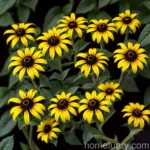
Rudbeckia ‘Summerina Yellow’, a member of the Asteraceae family, is a striking perennial known for its daisy-like flowers with dark brown centers that bloom from mid-summer to early fall. The vibrant yellow petals of this plant bring a cheerful and warm ambiance to any garden and attract beautiful pollinators such as butterflies and bees.
Culture
Uses
Rudbeckia ‘Summerina Yellow’ is a versatile plant that can be used in various garden settings, including:
- Garden Beds: The bright yellow flowers of Black-Eyed Susan create a stunning display when planted in garden beds and borders.
- Cut Flower Gardens: The long stems of Rudbeckia ‘Summerina Yellow’ make it an excellent choice for cut flower arrangements.
- Wildlife Gardens: This plant attracts pollinators, making it a valuable addition to wildlife-friendly gardens.
Water
Proper watering is essential for the health and vitality of Rudbeckia ‘Summerina Yellow’. Here are some crucial watering tips:
- Consistent Moisture: While Black-Eyed Susan is relatively drought-tolerant, it thrives with consistent moisture, especially during hot and dry spells.
- Avoid Waterlogging: Ensure that the soil is well-draining to prevent waterlogging, which can lead to root rot.
Sunlight
As a sun-loving plant, Rudbeckia ‘Summerina Yellow’ thrives in full sunlight:
- Sun Requirements: Plant the Black-Eyed Susan in an area that receives at least 6-8 hours of direct sunlight per day for optimal growth and blooming.
Fertilizer
Proper fertilization can enhance the growth and bloom of Rudbeckia ‘Summerina Yellow’:
- Balanced Fertilizer: Use a balanced, all-purpose fertilizer in the spring to provide essential nutrients for healthy growth and prolific flowering.
Soil
Choosing the right soil is crucial for the success of Rudbeckia ‘Summerina Yellow’:
- Well-Draining Soil: Ensure that the soil is well-draining to prevent waterlogging, which can be detrimental to the plant’s health.
- Fertile Soil: Black-Eyed Susan thrives in fertile soil enriched with organic matter.
Pruning
Pruning is an essential aspect of maintaining the health and appearance of Rudbeckia ‘Summerina Yellow’:
- Deadheading: Regularly deadhead faded flowers to encourage continuous blooming and prevent self-seeding.
- Fall Cleanup: Trim the plant back in the fall to tidy up the garden and prepare for the next growing season.
Propagation
Rudbeckia ‘Summerina Yellow’ can be propagated through various methods:
- Division: Divide mature clumps in the spring to create new plants and rejuvenate existing ones.
- Seed Propagation: Collect and sow seeds in the fall for new plant establishment.
Container Popularity
Due to its compact growth habit and vibrant blooms, Rudbeckia ‘Summerina Yellow’ is a popular choice for container gardening:
- Container Size: Choose a medium-sized container with adequate drainage for optimal growth.
- Aesthetics: The bright flowers of Black-Eyed Susan add a pop of color to any outdoor space when grown in containers.
Common Diseases
While Rudbeckia ‘Summerina Yellow’ is relatively disease-resistant, it can encounter certain issues:
- Powdery Mildew: This fungal disease can affect the plant, especially in humid conditions, leading to a white powdery coating on the leaves.
- Septoria Leaf Spot: Leaf spot diseases may occur in prolonged periods of wet weather, causing brown spots on the foliage.
Disease Diagnosis
If you notice any signs of disease on your Rudbeckia ‘Summerina Yellow’, such as unusual spots on the leaves or powdery residue, it is important to diagnose the issue accurately:
- Consult a Plant Specialist: Seek advice from a plant expert or horticulturist to diagnose and treat any diseases affecting your Black-Eyed Susan.
Common Pests
Black-Eyed Susan can encounter certain pests that may affect its health and appearance:
- Aphids: These small insects may cluster on the new growth and flower buds, causing damage to the plant.
- Japanese Beetles: These beetles feed on the foliage and flowers, potentially causing severe damage to the plant if left untreated.
Botanist’s Tips
Here are some valuable tips from botanists and plant experts for growing and caring for Rudbeckia ‘Summerina Yellow’:
- Companion Planting: Pair Black-Eyed Susan with other sun-loving perennials such as coneflowers, coreopsis, and ornamental grasses for a vibrant and diverse garden display.
- Pollinator Attraction: Create a welcoming environment for pollinators by planting Rudbeckia ‘Summerina Yellow’ alongside other nectar-rich flowers to support the local ecosystem.
- Winter Care: Provide some protection for the plant in the winter by applying a layer of mulch to insulate the roots and protect them from frost.
Fun Facts
- The name “Rudbeckia” honors the 17th-century Swedish botanist Olof Rudbeck, while the common name “Black-Eyed Susan” is derived from the dark brown center of the flower.
- Rudbeckia ‘Summerina Yellow’ is a native plant to North America, where it thrives in meadows, prairies, and open woodlands.
Links to External Resources
For further information and resources on Rudbeckia ‘Summerina Yellow’ and related topics, you can explore the following links:
- Plant Care Guides: Gardeners’ World
- Wildlife Gardening: National Wildlife Federation
- Disease Management: University of Maryland Extension
Now that we have covered essential aspects of Rudbeckia ‘Summerina Yellow’, including its care requirements, cultural significance, and propagation techniques, you are well-equipped to cultivate and appreciate the beauty of this remarkable perennial plant. Whether you are planning to enhance your garden’s visual appeal, attract pollinators, or create stunning floral arrangements, Rudbeckia ‘Summerina Yellow’ is an excellent choice that will bring joy and vibrancy to your outdoor space.