Symphytum officinale (Common Comfrey): A Comprehensive Guide
Symphytum officinale, commonly known as Common Comfrey, is an herbaceous perennial plant that has been used for centuries for its medicinal properties. In this comprehensive guide, we will explore the various aspects of this remarkable plant, including its culture, uses, care requirements, and interesting facts.
What is Symphytum officinale (Common Comfrey)?
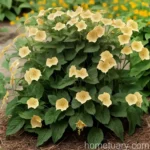
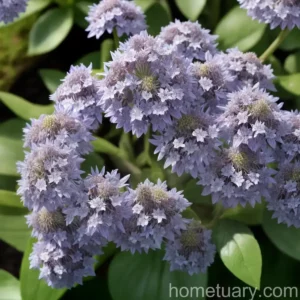
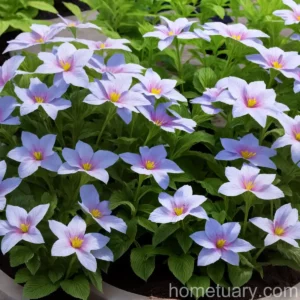
Symphytum officinale is a member of the Boraginaceae family and is native to Europe and parts of Asia. It is characterized by its hairy, lance-shaped leaves and clusters of bell-shaped flowers that can be blue, purple, pink, or white in color. The plant can reach a height of 2 to 3 feet and has a robust, sprawling growth habit.
Key Takeaways
Before delving into the specifics of Symphytum officinale, let’s highlight some key takeaways about this remarkable plant.
- Common Name: Common Comfrey
- Scientific Name: Symphytum officinale
- Family: Boraginaceae
- Native Habitat: Europe and parts of Asia
- Growth Habit: Herbaceous perennial
- Medicinal Uses: Traditional remedies for various ailments
- Cultural Significance: Historically used in herbal medicine and as a companion plant in permaculture
Now that we have a general overview of Symphytum officinale, let’s explore its culture, uses, and care requirements in detail.
Culture of Symphytum officinale
Water
Symphytum officinale thrives in moist soil and requires regular watering, especially during dry periods. It is essential to keep the soil consistently damp but not waterlogged to prevent root rot. Providing adequate moisture is crucial, particularly during the plant’s active growth phases to support healthy foliar and root development.
Sunlight
Common Comfrey prefers partial to full sun, although it can tolerate some shade. When grown in partial shade, the plant may exhibit slightly reduced flowering compared to those grown in full sun. Selecting a well-drained location with adequate sunlight is essential for promoting optimal growth and flowering in Symphytum officinale.
Fertilizer
When it comes to fertilizer requirements, Common Comfrey tends to be relatively low-maintenance. It generally does not require heavy fertilization, as overly rich soil can lead to excessive leafy growth at the expense of flowering. However, incorporating organic matter into the soil during planting can provide essential nutrients for the plant’s initial establishment.
Soil
Symphytum officinale thrives in rich, loamy soil with good drainage. Soil that retains too much moisture can increase the risk of root diseases, so maintaining well-drained conditions is crucial. Additionally, a slightly acidic to neutral soil pH (6.0-7.0) is ideal for supporting the plant’s nutrient uptake and overall health.
Pruning
Pruning Common Comfrey can help maintain a compact and tidy appearance, especially in garden settings. It is advisable to remove old, spent flowers to promote continuous blooming and prevent the plant from diverting energy into seed production. Additionally, trimming back excessively tall or sprawling growth can help manage the plant’s overall appearance and prevent it from overcrowding other garden plants.
Propagation
Symphytum officinale can be propagated through various methods, including division, root cuttings, and seed sowing.
- Division: Divide mature clumps in early spring or autumn, ensuring that each division has sufficient root mass and growing points to establish new plants.
- Root Cuttings: Take 3-4 inch root cuttings and plant them horizontally in a well-prepared, moist growing medium, keeping them evenly damp until new growth emerges.
- Seed Sowing: Sow seeds directly into well-prepared soil in spring or autumn, keeping the area consistently moist until germination occurs.
Container Popularity
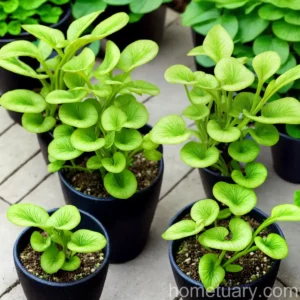
Common Comfrey is well-suited to container growth, making it a versatile plant for both indoor and outdoor settings. Its attractive foliage and charming bell-shaped flowers add a touch of natural beauty to balconies, patios, and small gardens. When grown in containers, it is essential to provide adequate space for the plant’s robust root system and ensure proper drainage to prevent waterlogging.
Container Common Diseases
While Common Comfrey is relatively resistant to many common plant diseases, container-grown specimens may be susceptible to certain issues related to moisture levels and root health. The following are potential diseases that may affect Comfrey plants when grown in containers:
-
Root Rot: Overly damp or waterlogged soil can lead to root rot, causing wilting, yellowing leaves, and stunted growth. Ensuring proper drainage and avoiding waterlogged conditions is crucial in preventing root rot in container-grown Comfrey.
-
Powdery Mildew: In humid or poorly ventilated environments, Common Comfrey may be susceptible to powdery mildew, which presents as a white, powdery coating on the leaves. Maintaining adequate air circulation and avoiding overhead watering can help prevent this issue.
Disease Diagnosis
When assessing potential diseases in Common Comfrey, careful observation of the plant’s overall appearance and symptoms is essential for accurate diagnosis. Common signs of disease or stress in Comfrey plants include wilting, yellowing or browning foliage, stunted growth, and abnormal leaf spots or coatings. By closely monitoring the plant and identifying any deviations from its healthy state, prompt intervention and appropriate treatment can be implemented to address the issue effectively.
Common Pests
Common Comfrey is relatively resistant to many pests due to its robust nature and hairy foliage. However, certain pests may still pose potential challenges in specific growing conditions. Some common pests that may affect Symphytum officinale include:
-
Aphids: These small, sap-sucking insects can cluster on the tender new growth of Comfrey plants, leading to distorted foliage and reduced plant vigor. Natural predators, such as ladybugs, can help control aphid populations, and insecticidal soaps are also effective for managing infestations.
-
Slugs and Snails: These mollusks can feed on the foliage of Common Comfrey, causing irregular holes and damage to the leaves. Implementing physical barriers, such as copper tape or diatomaceous earth, can deter slugs and snails from reaching the plant.
-
Spider Mites: In hot, dry conditions, spider mites may infest Comfrey plants, leading to stippled, discolored foliage and fine webbing on the undersides of leaves. Regularly spraying the plant with water and maintaining adequate humidity can help prevent spider mite infestations.
Botanist’s Tips
For enthusiasts and aspiring botanists interested in incorporating Symphytum officinale into their botanical pursuits, the following tips can enhance their experience with the plant:
-
Species Identification: When studying Common Comfrey in the wild or in cultivated settings, carefully observe its distinctive hairy foliage, clustered bell-shaped flowers, and robust growth habit for accurate species identification.
-
Medicinal Properties: Delve into the rich history of common Comfrey as a traditional medicinal herb and explore the diverse medicinal uses attributed to the plant across different cultures and historical periods.
-
Cultural Significance: Investigate the historical, cultural, and symbolic significance of Symphytum officinale in folklore, herbalism, and traditional medicine to gain a deeper appreciation of its multifaceted role in human societies.
Fun Facts
To provide a more captivating and engaging exploration of Symphytum officinale, the following fun facts about Common Comfrey can add a delightful touch to the readers’ experience:
-
Comfrey Folklore: Common Comfrey has a rich history in folklore, with various legends and tales associating the plant with healing, magic, and protection in different cultures.
-
Historical Uses: Throughout history, Common Comfrey has been utilized for a wide range of purposes, including as a medicinal herb, a soil-enriching plant in permaculture, and a source of natural dye for textiles.
-
Ecological Role: Common Comfrey plays a valuable ecological role as a dynamic accumulator, drawing up nutrients from the soil and enriching its biomass, making it a beneficial companion plant in sustainable gardening practices.
Links to External Resources
For further exploration of Symphytum officinale and related topics, the following external resources can provide valuable insights and additional information:
-
Medicinal Plants: Comfrey: A comprehensive research article examining the medicinal properties and traditional uses of Common Comfrey.
-
Growing Comfrey: The Royal Horticultural Society’s guide to growing and caring for Common Comfrey, including cultivation tips and best practices.
-
The Permaculture Research Institute: An insightful article on the ecological and agricultural benefits of incorporating Common Comfrey in permaculture systems.
In conclusion, Symphytum officinale, or Common Comfrey, stands as a captivating and versatile plant that has garnered centuries of attention for its diverse uses and cultural significance. From its medicinal properties to its horticultural potential, Common Comfrey continues to captivate plant enthusiasts, herbalists, and researchers alike, offering a wealth of intriguing attributes to explore and appreciate.
By delving into the multifaceted aspects of this remarkable plant, we gain a deeper understanding of its ecological, cultural, and botanical significance, enriching our connection to the natural world and the wealth of botanical wonders it holds. Whether studied for its healing properties, grown as a charming garden ornamental, or incorporated into sustainable gardening practices, Symphytum officinale remains a treasured botanical gem worthy of admiration and exploration.