The Rhododendron Encore Autumn Princess: A Gardener’s Guide
Introduction
Plants are essential elements of the environment which provide food, oxygen, and habitat for myriad forms of life. They also contribute to the aesthetics of the environment, bringing beauty and tranquility to our surroundings. One such plant that stands out for its stunning beauty and unique characteristics is the Rhododendron Encore Autumn Princess. In this comprehensive guide, we will explore everything there is to know about this exquisite plant, from its description to its care and maintenance, so that gardeners and plant enthusiasts can cultivate and appreciate this remarkable species to the fullest.
What is the Rhododendron Encore Autumn Princess?
The Rhododendron Encore Autumn Princess, a member of the Encore Azalea family, is a gorgeous flowering shrub that adds charm and elegance to garden landscapes. It is renowned for its vibrant and abundant blooms, which make it a sought-after addition to gardens, parks, and landscapes. This exceptional plant is known for its unique attributes including its hardiness, beautiful foliage, and extended blooming season, making it a must-have for every gardening enthusiast.
Description of Rhododendron Encore Autumn Princess
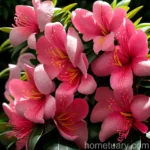
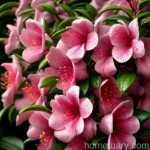
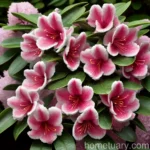
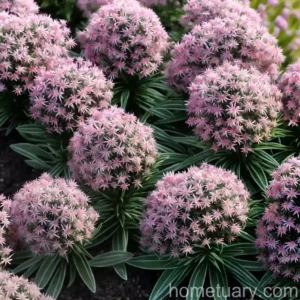
The Rhododendron Encore Autumn Princess is a compact, evergreen shrub that typically grows to a height of 2 to 3 feet and a spread of 3 to 4 feet. It is adorned with stunning clusters of double, light pink flowers that bloom profusely in spring, summer, and fall, adding a dash of color to the landscape. The glossy, dark green foliage further enhances the visual appeal of this plant, creating a beautiful contrast with the delicate pink blooms. The Autumn Princess is well-loved for its compact and mounded growth habit, making it an excellent choice for small gardens, border plantings, or container gardening.
Key Takeaways
The Rhododendron Encore Autumn Princess is a captivating flowering shrub with exceptional characteristics and qualities. Here are some key takeaways about this remarkable plant:
– The Autumn Princess is an evergreen shrub with a compact and mounded growth habit, reaching a height of 2 to 3 feet and a spread of 3 to 4 feet.
– It produces double, light pink flowers that bloom profusely in spring, summer, and fall, accentuating the landscape with their vibrant hues.
– The glossy, dark green foliage provides an attractive backdrop to the abundant blooms and adds visual interest throughout the year.
– This shrub is well-suited for small gardens, border plantings, and container gardening, making it a versatile and popular choice for various landscape designs.
Plant Name: “Rhododendron Encore Autumn Princess”
In this section, we will delve into the detailed care and cultivation of the Rhododendron Encore Autumn Princess, covering aspects such as culture, uses, water requirements, sunlight needs, fertilizer application, soil preferences, pruning techniques, propagation methods, container gardening, common diseases and pests, as well as botanist’s tips and fun facts about this captivating plant.
Culture
The culture of the Rhododendron Encore Autumn Princess encompasses the specific conditions and practices necessary for its optimal growth and development. By understanding the culture of this plant, gardeners can provide the ideal environment for it to thrive and flourish.
Uses
The Rhododendron Encore Autumn Princess serves a variety of purposes in landscaping and gardening, given its distinctive attributes and stunning visual appeal. Some common uses of this plant include:
– Garden borders: The compact and mounded growth habit of the Autumn Princess makes it an excellent choice for creating neat and defined borders in garden beds and landscapes.
– Container gardening: Its manageable size and attractive blooms make the Autumn Princess well-suited for container displays on patios, porches, and decks, enhancing the outdoor living spaces with its beauty.
– Accent plantings: The vibrant pink flowers and glossy foliage of the Rhododendron Encore Autumn Princess make it an ideal candidate for accentuating specific areas of the garden, such as around entrances, pathways, or focal points.
– Mixed plantings: This shrub can be incorporated into mixed plantings with other shrubs, perennials, or ornamental grasses to create diverse and visually appealing landscapes.
Water
Proper watering is crucial for the health and vitality of the Rhododendron Encore Autumn Princess. It is important to provide consistent moisture to the plant, especially during the establishment phase and in periods of dry weather. Here are some key considerations for watering the Autumn Princess:
– Establishment phase: Newly planted Autumn Princess shrubs require regular watering to encourage root establishment and growth. It is recommended to water deeply at the base of the plant to ensure thorough saturation of the root ball.
– Moisture retention: The soil should be well-draining to prevent waterlogging, but it should also have good moisture retention to keep the root system adequately hydrated. Applying a layer of organic mulch around the base of the plant can help regulate soil moisture and reduce water loss through evaporation.
– Seasonal adjustments: During hot and dry periods, it may be necessary to increase the frequency of watering to ensure that the plant receives adequate moisture. Conversely, in cooler and wetter seasons, it is important to monitor moisture levels and adjust watering practices accordingly, reducing the risk of overwatering.
Sunlight
The Rhododendron Encore Autumn Princess thrives in partial shade to full sun, making it a versatile plant that can adapt to different light conditions. However, providing the ideal amount of sunlight is essential for maximizing its growth and blooming potential. Here are some guidelines for sunlight requirements:
– Partial shade: In regions with intense sun exposure or high temperatures, providing partial shade for the Autumn Princess can help protect it from excessive heat and sunburn. Partial shade can be achieved by planting the shrub in a location that receives filtered sunlight or by providing shade during the hottest part of the day.
– Full sun: In cooler climates or areas with mild summers, the Rhododendron Encore Autumn Princess can thrive in full sun. When planted in a sunny location, it is important to ensure that the soil retains moisture adequately and that the plant is not subjected to prolonged periods of drought.
Fertilizer
Applying an appropriate fertilizer to the Rhododendron Encore Autumn Princess is essential for providing essential nutrients that support healthy growth and vibrant blooms. Selecting the right type of fertilizer and applying it at the appropriate times can make a significant difference in the overall health and appearance of the plant. Here are some fertilizer recommendations for the Autumn Princess:
– Fertilizer type: A balanced, slow-release fertilizer formulated for acid-loving plants, such as azaleas and rhododendrons, is ideal for the Autumn Princess. These fertilizers are designed to provide a steady supply of essential nutrients, including nitrogen, phosphorus, and potassium, over an extended period, promoting strong root development and abundant flowering.
– Application timing: Applying fertilizer in early spring before new growth emerges can help stimulate the shrub’s growth and flowering. It is important to follow the manufacturer’s recommendations regarding application rates and frequency to avoid over-fertilization, which can be harmful to the plant and contribute to nutrient imbalances in the soil.
– Avoid excessive nitrogen: While nitrogen is important for promoting lush foliage and vigorous growth, excessive nitrogen can lead to reduced flowering and increased susceptibility to certain diseases. It is crucial to use fertilizers with a balanced nutrient profile to maintain the overall health and blooming capacity of the Autumn Princess.
Soil
The soil preferences of the Rhododendron Encore Autumn Princess are an important consideration in ensuring its long-term health and vigor. Providing the right soil conditions can contribute to enhanced root development, nutrient uptake, and overall plant resilience. Here are some key aspects of soil preferences for the Autumn Princess:
– Acidic soil: The Autumn Princess thrives in acidic soil with a pH range of 5.0 to 6.0. Acidic soil provides an optimal environment for the plant’s root system to access essential nutrients, including iron and other micronutrients, which are crucial for healthy growth and vibrant blooms.
– Organic matter: Incorporating organic matter, such as well-decomposed compost or peat moss, into the soil can improve its structure, drainage, and nutrient-holding capacity. Organic matter also helps maintain soil acidity and supports beneficial microbial activity, which is beneficial for the overall health of the plant.
– Well-draining soil: Ensuring that the soil has good drainage is essential for preventing waterlogged conditions, which can lead to root rot and other issues. Amending heavy clay soils with organic matter or coarse sand can improve drainage and create a more hospitable growing environment for the Autumn Princess.
Pruning
Pruning is an important aspect of maintaining the shape, health, and blooming potential of the Rhododendron Encore Autumn Princess. Proper pruning techniques can help rejuvenate the plant, remove dead or damaged growth, and promote robust flowering. Here are some key considerations for pruning the Autumn Princess:
– Pruning timing: The best time to prune the Autumn Princess is immediately after the spring flowering period. This allows the shrub to set new buds for the following year while still allowing ample time for new growth to mature before the arrival of winter.
– Deadheading: Removing spent flowers after the spring bloom can help encourage the production of new buds and prolong the flowering season. Deadheading promotes a tidy appearance and prevents the plant from expending energy on seed production.
– Selective pruning: Careful and selective pruning can help shape the shrub, remove leggy or crowded growth, and improve air circulation within the canopy, which reduces the risk of disease and pest infestations.
– Rejuvenation pruning: If the plant becomes overgrown or loses its vigor, rejuvenation pruning can be performed to renew its appearance and stimulate new growth. This involves selectively removing older and woody branches to encourage the development of fresh, vigorous shoots.
Propagation
The Rhododendron Encore Autumn Princess can be propagated through various methods, including cutting propagation and division. Propagating this plant allows gardeners to create new specimens, expand their garden collection, or share the beauty of the Autumn Princess with others. Here are some common propagation techniques for the Rhododendron Encore Autumn Princess:
– Cutting propagation: Taking semi-hardwood cuttings in late spring or early summer and rooting them in a suitable propagation medium (e.g., perlite, vermiculite) can be an effective way to propagate the Autumn Princess. Using a rooting hormone can enhance the success rate of the cuttings and accelerate the development of roots.
– Division: The Autumn Princess can be propagated through division, particularly if the plant has developed multiple stems or suckers. Dividing the plant during the dormant season, usually in late winter to early spring, allows gardeners to separate the root mass and create new, independent plants.
Container Popularity
The Rhododendron Encore Autumn Princess is a popular choice for container gardening, thanks to its manageable size, attractive blooms, and versatility. Growing this plant in containers offers several advantages, including the ability to control soil conditions, placement flexibility, and the opportunity to showcase the plant on patios, balconies, or in small urban spaces. Here are some reasons why the Autumn Princess is well-suited for container gardening:
– Compact size: The modest dimensions of the Autumn Princess make it a perfect fit for various container sizes, allowing gardeners to adorn their outdoor living areas with its delightful blooms and glossy foliage.
– Manageable growth: When grown in containers, the growth of the Autumn Princess can be controlled and shaped to suit the desired aesthetic, making it an ideal candidate for formal or informal container displays.
– Seasonal displays: The portability of container-grown Autumn Princess shrubs enables gardeners to move them to different locations to maximize sun exposure, protection from extreme weather, or to create dynamic seasonal displays.
Container Common Diseases
While container gardening offers many benefits, it is important to be aware of potential issues, including common diseases that can affect plants, including the Rhododendron Encore Autumn Princess. Some common diseases that can impact container-grown plants include:
– Root rot: Overwatering and poor soil drainage in containers can lead to root rot, a fungal disease that causes roots to decay and results in stunted growth, wilting, and yellowing foliage. Using well-draining soil and avoiding excessive watering can help prevent root rot in container plants.
– Powdery mildew: This fungal disease can affect the foliage of the Autumn Princess, causing a white, powdery coating to develop on the leaves. Providing good air circulation, avoiding overhead watering, and applying fungicidal treatments can help manage powdery mildew in container-grown plants.
– Leaf spot: Leaf spot diseases can occur in container plants, manifesting as dark spots or lesions on the foliage. Maintaining proper spacing between containers, removing infected leaves, and practicing good sanitation can help reduce the risk of leaf spot diseases.
Disease Diagnosis
Diagnosing diseases in the Rhododendron Encore Autumn Princess is an important skill for gardeners and plant enthusiasts, as it allows for timely intervention and management to prevent the spread of diseases and minimize their impact on overall plant health. Here are some key considerations for disease diagnosis in the Autumn Princess:
– Symptom identification: Recognizing the symptoms of common plant diseases, such as leaf spots, wilting, discoloration, or unusual growth patterns, is a critical first step in diagnosing diseases in the Autumn Princess. Observing and documenting specific symptoms can aid in narrowing down the potential causes and identifying the appropriate course of action.
– Environmental factors: Assessing the environmental conditions in which the plant is growing, including soil moisture, sunlight exposure, and air circulation, can provide valuable insights into disease development. Certain diseases may be more prevalent under specific environmental conditions, and modifying these factors can help mitigate disease risks.
– Consulting resources: When faced with challenging disease diagnoses, consulting gardening resources, local extension services, or plant pathology experts can provide valuable guidance and expertise. Identifying the specific disease affecting the Autumn Princess is essential for implementing effective management strategies and preserving the plant’s health.
Common Pests
In addition to diseases, the Rhododendron Encore Autumn Princess may be susceptible to various pests that can affect its growth and vigor. Identifying and managing common pests is important for maintaining the health and beauty of the plant. Some common pests that may be encountered include:
– Aphids: These small, soft-bodied insects can congregate on the new growth and undersides of leaves, sucking sap from the plant and causing distortion or yellowing of the foliage. Natural predators, such as ladybugs, as well as insecticidal soaps, can help control aphid populations.
– Spider mites: Tiny arachnids that feed on plant sap, spider mites can cause stippling, discoloration, and webbing on the foliage of the Autumn Princess. Regularly hosing down the plant, maintaining adequate humidity, and using horticultural oils can help manage spider mite infestations.
– Scale insects: Scale insects appear as small, waxy bumps on the stems or leaves of the plant and can weaken the Autumn Princess by draining its vital fluids. Pruning out heavily infested areas and applying horticultural oils can help control scale insect populations.
Botanist’s Tips
For novice and experienced gardeners alike, incorporating botanist’s tips and expert guidance into plant care and maintenance can lead to improved results and a deeper understanding of the plant’s needs. Here are some valuable tips from botanists for cultivating the Rhododendron Encore Autumn Princess:
– Soil testing: Conducting a soil test to assess its pH and nutrient levels can provide valuable information for optimizing the growing conditions for the Autumn Princess. By aligning soil amendments with the plant’s preferences, gardeners can create an ideal environment for healthy growth.
– Integrated pest management: Implementing integrated pest management practices, such as promoting natural predators, using mechanical controls, and applying targeted pesticides, can help manage pest populations while minimizing the impact on beneficial organisms and the environment.
– Observation and documentation: Regularly observing the growth, development, and health of the Autumn Princess and maintaining detailed records can help identify trends, detect early signs of issues, and track the plant’s response to various cultural practices, such as fertilization and pruning.
– Adaptation to local conditions: Recognizing and adapting to local climatic and environmental conditions, including temperature fluctuations, seasonal changes, and soil characteristics, can help align the care of the Autumn Princess with the specific requirements of the local ecosystem.
Fun Facts
Exploring the intriguing aspects and unique qualities of the Rhododendron Encore Autumn Princess can reveal fascinating and fun facts about this captivating plant. Here are some fun facts about the Autumn Princess:
– The Autumn Princess is part of the Encore Azalea collection, renowned for its ability to bloom in spring, summer, and fall, offering a protracted flowering season.
– The vivid pink blooms of the Autumn Princess serve as a magnet for pollinators, including bees, butterflies, and other beneficial insects, contributing to the ecological value of the plant.
– In addition to its striking flowers, the glossy, dark green foliage of the Autumn Princess provides year-round interest and serves as an attractive backdrop for other plants in the garden.
– The compact and mounded growth habit of the Rhododendron Encore Autumn Princess makes it an ideal choice for small gardens, urban landscapes, and container displays, offering versatility in various gardening settings.
Links to External Resources
For further information and resources on the Rhododendron Encore Autumn Princess, gardeners and plant enthusiasts can explore the following external links:
1. American Rhododendron Society
2. Encore Azalea
3. Gardening Know How – Rhododendron Care
4. University of Florida IFAS Extension – Azalea and Rhododendron Care
5. Royal Horticultural Society – Rhododendron Care
6. North Carolina State University, Cooperative Extension – Azaleas and Rhododendrons
Conclusion
The Rhododendron Encore Autumn Princess stands out as an enchanting and delightful plant that captivates with its abundant blooms, glossy foliage, and versatile qualities. By understanding its culture, care requirements, and unique characteristics, gardeners can appreciate and cultivate this exceptional plant to its fullest potential. Whether as a focal point in the garden, a charming border planting, or a show-stopping container display, the Autumn Princess brings enduring beauty and grace to the botanical world.
Understanding the intricacies of growing and maintaining the Rhododendron Encore Autumn Princess fosters a profound appreciation for the plant’s resilience, aesthetic appeal, and ecological value. By incorporating the insights and tips shared in this comprehensive guide, both novice and experienced gardeners can elevate their gardening prowess and celebrate the timeless allure of the Autumn Princess, enriching their horticultural experiences and transforming their landscapes into enchanting havens of natural splendor.