Rosa The Lady of the Lake (Rambling Rose): A Comprehensive Guide
Rosa The Lady of the Lake, also known as a rambling rose, is a beautiful and versatile plant that can bring life and color to any garden. In this comprehensive guide, we will explore all aspects of this stunning plant, including its characteristics, care requirements, uses in landscaping, history, and much more. Whether you are a seasoned gardener or just starting out, this guide will provide you with all the information you need to cultivate and appreciate this magnificent rose variety.
What is Rosa The Lady of the Lake (Rambling Rose)?
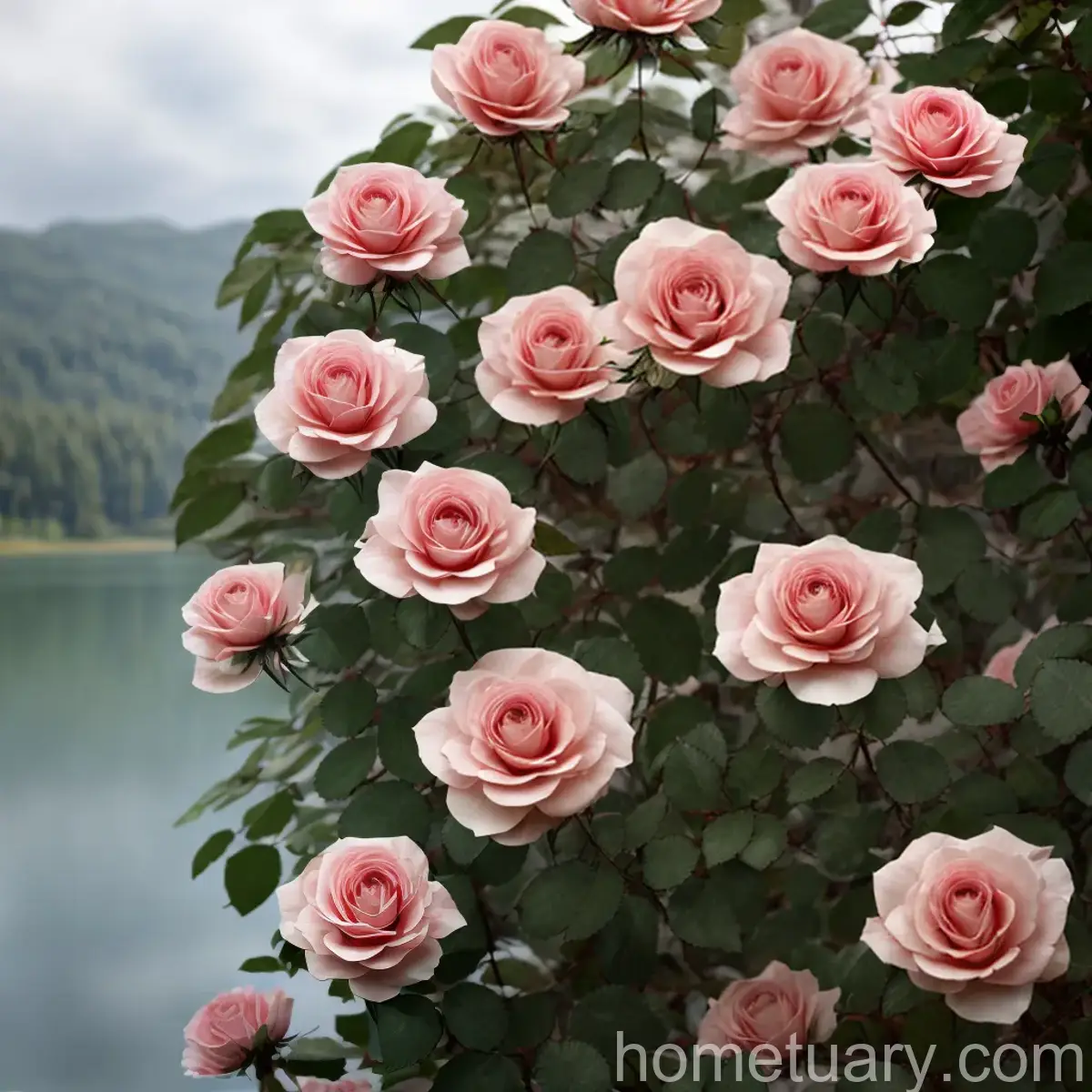
The Lady of the Lake is a type of rambling rose that is known for its vigorous growth and beautiful, fragrant blooms. This rose variety is a member of the Rosa genus, which includes over 100 species and countless hybrids and cultivars. Rambling roses, in general, are characterized by their long, arching canes and abundant clusters of flowers. They are often used to create stunning displays on arches, pergolas, and fences, and can also be trained to climb walls and trellises.
Key Takeaways – Rosa The Lady of the Lake (Rambling Rose)
Before delving into the specifics of cultivating and caring for The Lady of the Lake, it is important to highlight some key takeaways about this beautiful rambling rose. These takeaways will provide an overview of its characteristics and benefits.
- Vigorous Growth: The Lady of the Lake is known for its rapid and vigorous growth, making it an excellent choice for creating show-stopping floral displays.
- Fragrant Blooms: The flowers of this rambling rose are highly fragrant, adding a delightful aroma to any garden or landscape.
- Versatile: Its ability to grow and climb makes it a versatile plant suitable for a variety of landscaping designs.
- Low Maintenance: With proper care, this rose variety can thrive with relatively low maintenance, making it an attractive option for gardeners of all skill levels.
- Historical Significance: The Lady of the Lake has a rich history and symbolism associated with it, further adding to its allure and appeal.
Now that we have a brief overview of The Lady of the Lake, let’s delve into the various aspects of cultivating and caring for this beautiful rambling rose.
Culture
Uses
Rosa The Lady of the Lake is a highly versatile plant with a wide range of uses in landscaping and garden design. Some common uses of this rambling rose include:
- Climbing and Covering: The long, arching canes of The Lady of the Lake make it an excellent choice for covering structures such as arches, pergolas, and trellises.
- Border Plantings: This rambling rose can be used to create stunning border plantings, adding color and fragrance to garden borders.
- Container Gardening: The Lady of the Lake can be grown in containers, allowing it to be enjoyed on patios, balconies, and other confined spaces.
Water
Proper watering is crucial for the health and vitality of The Lady of the Lake. While it is important to ensure an adequate water supply, over-watering should be avoided, as this can lead to waterlogged soil and root rot. The following guidelines can help ensure optimal watering practices:
- Establishment: Newly planted roses should be watered thoroughly to help them establish their root systems. After planting, provide ample water and then monitor the soil moisture regularly.
- Regular Maintenance: Once established, The Lady of the Lake requires consistent moisture throughout the growing season. Water deeply and slowly to encourage deep root growth and reduce water loss through evaporation.
Sunlight
Like most roses, The Lady of the Lake thrives in full sunlight. Adequate sunlight is essential for promoting healthy growth and abundant flowering. When selecting a planting location for this rambling rose, consider the following sunlight requirements:
- Full Sun: Plant The Lady of the Lake in an area that receives at least 6-8 hours of direct sunlight per day. Insufficient sunlight can result in reduced flowering and increased susceptibility to diseases.
- Morning Sun: If full sun exposure is not possible, prioritize morning sunlight, as this helps to dry the foliage and reduce the risk of fungal diseases.
Fertilizer
Proper fertilization is essential for promoting healthy growth and abundant blooms in The Lady of the Lake. It is recommended to use a balanced, slow-release fertilizer specifically formulated for roses. Here are some key considerations related to fertilizing this rambling rose:
- Timing: Apply fertilizer in early spring, just as new growth begins. A second application can be made in late spring or early summer to support continuous growth and flowering.
- Mulching: Organic mulch can be used to help retain soil moisture, regulate soil temperature, and provide essential nutrients as it breaks down.
Soil
The Lady of the Lake thrives in well-draining, fertile soil. When preparing the planting site for this rambling rose, consider the following soil requirements:
- Texture: Loamy soil with good drainage is ideal for The Lady of the Lake. Avoid heavy, compacted soils that can lead to waterlogging and root suffocation.
- pH: Aim for a slightly acidic to neutral soil pH (6.0-6.5) for optimal nutrient availability and root health. Soil testing can provide valuable insights into the pH and nutrient levels of the soil.
Pruning
Proper pruning is essential for shaping and maintaining the health and vigor of The Lady of the Lake. Given its vigorous growth habit, regular pruning is necessary to keep this rambling rose in check and promote abundant flowering. The following pruning guidelines can help ensure the optimal growth and appearance of The Lady of the Lake:
- Spring Pruning: In late winter to early spring, prune The Lady of the Lake to remove dead, damaged, or crossing canes. Also, thin out crowded growth to improve airflow and reduce disease pressure.
- Deadheading: Remove spent flowers throughout the growing season to encourage continuous blooming and prevent the formation of seed heads, which can divert energy from flower production.
Propagation
Propagation of The Lady of the Lake can be achieved through various methods, including cuttings and layering. These techniques allow gardeners to propagate new plants from existing ones, enabling them to expand their rose collection or share plants with others. Here are some common propagation methods for this rambling rose:
- Softwood Cuttings: Take softwood cuttings from healthy, actively growing stems in late spring or early summer. Root the cuttings in a well-draining potting mix and provide consistent moisture and warmth until new roots develop.
- Layering: Encourage the growth of new roots on existing canes by bending a healthy, flexible stem to the ground and covering a portion of it with soil. Once roots have developed, the new plant can be separated and transplanted.
Container Popularity
The Lady of the Lake is well-suited for container gardening, allowing it to thrive in confined spaces such as patios, balconies, and terraces. When growing this rambling rose in containers, consider the following guidelines to ensure its success:
- Container Size: Select a large, sturdy container with adequate drainage holes to accommodate the vigorous growth of The Lady of the Lake. A container with a minimum diameter of 18 inches is recommended.
- Potting Mix: Use a well-draining potting mix formulated for roses or woody ornamentals. Avoid heavy, water-retentive soils that can lead to root rot and other issues.
Common Diseases
Like all plants, The Lady of the Lake is susceptible to certain diseases, including fungal infections and pests. Proper cultural practices and vigilance can help prevent and manage these common rose diseases. Some of the diseases that may affect this rambling rose include:
- Powdery Mildew: A common fungal disease that appears as a powdery white coating on the foliage. Good air circulation and proper sanitation can help reduce the risk of powdery mildew.
- Black Spot: This fungal disease causes dark, circular spots on the leaves, eventually leading to defoliation if left unmanaged. Remove and destroy infected leaves and promote good airflow to prevent black spot.
Disease Diagnosis
Diagnosing and identifying specific diseases affecting The Lady of the Lake is essential for implementing effective control measures. Key symptoms and diagnostic tools can aid in the accurate diagnosis of common rose diseases. Some resources and diagnostic techniques that can assist in identifying rose diseases include:
- Visual Symptoms: Familiarize yourself with the characteristic symptoms of common rose diseases, such as leaf spots, discoloration, and abnormal growth.
- Diagnostic Guides: Utilize online resources and diagnostic guides provided by reputable institutions and botanical gardens to identify specific diseases based on visual cues and other observable characteristics.
Common Pests
In addition to fungal infections, The Lady of the Lake may also be susceptible to certain pests that can affect its health and vigor. Vigilance and integrated pest management strategies can help prevent and manage common rose pests. Some pests that may affect this rambling rose include:
- Aphids: Small, soft-bodied insects that can cluster on new growth and flower buds, causing distortion and stunting. Insecticidal soaps and horticultural oils can be used to manage aphid infestations.
- Japanese Beetles: These voracious feeders can skeletonize the foliage and cause significant damage if left unchecked. Handpicking and using traps can help control Japanese beetle populations.
Botanist’s Tips
As a plant scientist, I have some specific tips to share regarding the care and cultivation of Rosa The Lady of the Lake. These insights are based on scientific knowledge and practical experience with this rambling rose variety:
- Vigorous Growth Control: Regular pruning and training are essential for managing the vigorous growth of The Lady of the Lake and preventing it from becoming unruly.
- Integrated Pest Management: Emphasize cultural and biological pest control methods, such as encouraging natural predators and practicing good sanitation, to minimize the need for chemical intervention.
- Optimal Watering: Ensure that water reaches the root zone effectively by using drip irrigation or soaker hoses, especially during the hot summer months.
Fun Facts
To further pique your interest in The Lady of the Lake, here are some fun and interesting facts about this captivating rambling rose:
- Literary Connections: The name “Lady of the Lake” evokes imagery of the enchanting figure from Arthurian legend, adding a touch of romance and mystique to this rose variety.
- Historical Beauty: Rambling roses have been cherished for generations, adorning gardens and landscapes with their timeless beauty and graceful charm.
- Fragrance Power: The intoxicating fragrance of The Lady of the Lake adds an olfactory dimension to garden spaces, creating a sensory delight for all who encounter it.
Links to External Resources
For further information, resources, and inspiration related to Rosa The Lady of the Lake and rambling roses in general, consider exploring the following external links:
- The American Rose Society: The official website of The American Rose Society offers a wealth of information on roses, including care guides, articles, and community forums.
- RHS – Royal Horticultural Society: The RHS website provides extensive resources on gardening, including rose cultivation and pest and disease management.
- Botanic Gardens Conservation International: BGCI is a global network of botanic gardens working to conserve plant diversity. Their website offers valuable insights into plant conservation and diversity.
In conclusion, Rosa The Lady of the Lake (Rambling Rose) is a captivating and versatile plant that can enrich any garden or landscape with its beauty, fragrance, and historical allure. By understanding its cultural requirements, practicing proper care techniques, and staying vigilant for potential issues, you can ensure the success and longevity of this stunning rose variety in your garden. Whether used to adorn a pergola, provide a stunning border planting, or brighten a container garden, The Lady of the Lake is sure to leave a lasting impression on all who encounter it.

Image source: Pixabay
With its graceful form, fragrant blooms, and rich symbolism, The Lady of the Lake continues to captivate the hearts and minds of gardeners and nature enthusiasts around the world. Let the beauty and charm of this rambling rose inspire your garden designs and bring joy to your outdoor spaces for years to come.