Rosa ‘Albertine’ (Rambling Rose)
As a plant scientist with a passion for all things botanical, I am thrilled to present a comprehensive guide to a delightful flowering plant – the Rosa.
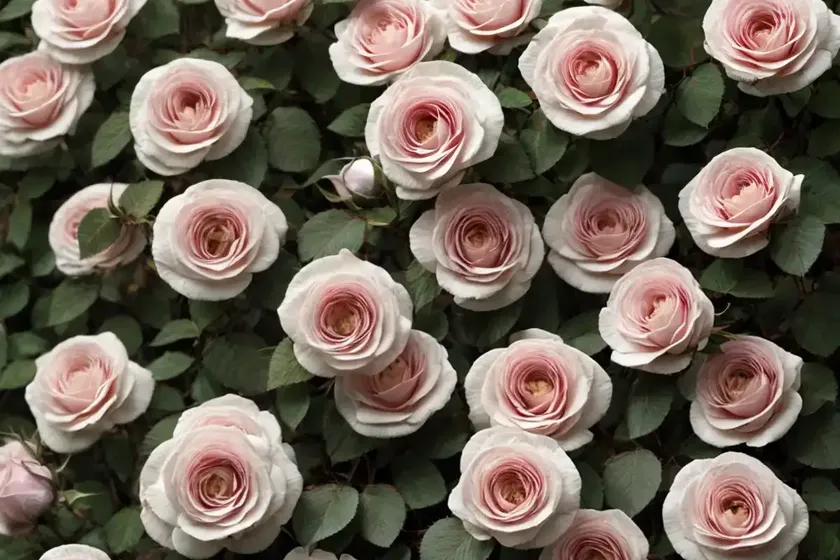
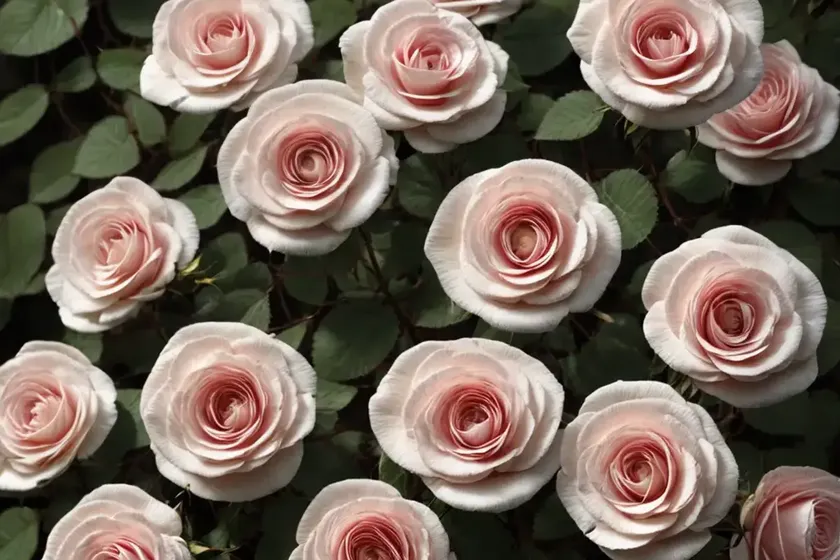
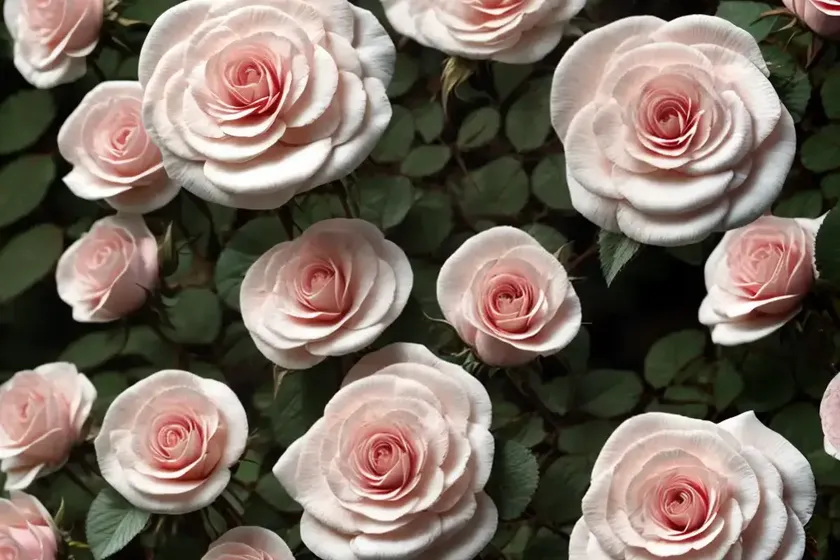
As a plant scientist with a passion for all things botanical, I am thrilled to present a comprehensive guide to a delightful flowering plant – the Rosa ‘Albertine’ or Rambling Rose. This article is crafted to provide in-depth insights into the characteristics, care tips, cultivation, and much more about the beautiful Rosa ‘Albertine’.
What is Rosa ‘Albertine’ (Rambling Rose)?
The Rosa ‘Albertine’ is a stunning rambling rose that belongs to the Rosaceae family. Known for its vigorous growth and abundant clusters of fragrant pink flowers, this variety of rose is a beloved choice among gardeners and landscape enthusiasts. The name “rambling rose” aptly describes its characteristic growth habit, with long, flexible canes that can sprawl and climb when provided with proper support.
Rosa ‘Albertine’ Characteristics
- Scientific Name: Rosa ‘Albertine’
- Family: Rosaceae
- Common Name: Rambling Rose
- Habit: Climbing or rambling
- Flower Color: Pink
- Fragrance: Highly fragrant
- Growth Rate: Vigorous
- Hardiness Zone: 5-9
- Mature Height: Up to 20 feet
- Foliage: Deciduous
- Bloom Time: Late spring to early summer
Key Takeaways – Rosa ‘Albertine’ (Rambling Rose)
Before delving into the specifics of caring for and cultivating Rosa ‘Albertine’, let’s highlight some key takeaways about this charming rambling rose.
- Rosa ‘Albertine’ is a vigorous climber or rambler that produces abundant clusters of fragrant pink flowers.
- This variety is well-suited for covering arches, pergolas, and fences, adding a touch of romance and elegance to any garden or landscape.
- With proper care and maintenance, Rosa ‘Albertine’ can thrive in various climates and soil conditions, making it a versatile and resilient choice for gardeners.
- The delightful fragrance and abundant blooms of the Rosa ‘Albertine’ make it a favorite among pollinators, adding biodiversity and visual appeal to garden spaces.
Now, let’s explore the essential aspects of caring for and cultivating this exquisite rambling rose.
Culture
Understanding the cultural requirements of Rosa ‘Albertine’ is fundamental to its successful growth and development. From soil preferences to pruning techniques, each facet of its cultural needs contributes to the overall health and vigor of the plant.
Uses
Rosa ‘Albertine’ is widely used for various landscape and garden design purposes, thanks to its vigorous growth, romantic blooms, and delightful fragrance.
- Garden Climber: It is often utilized to cover walls, arches, trellises, and fences, adding vertical interest and visual appeal to garden spaces.
- Pergola Ornament: The sprawling nature of Rosa ‘Albertine’ makes it an excellent choice for adorning pergolas and creating enchanting outdoor spaces.
- Cut Flower Production: Its abundant and fragrant blooms make it a sought-after choice for cut flower arrangements, adding a touch of elegance to floral displays.
The versatile uses of Rosa ‘Albertine’ make it a valuable addition to both domestic and commercial landscapes, contributing to the aesthetic and functional aspects of garden design.
Water
Proper watering is essential for the health and vitality of Rosa ‘Albertine’. While this rambling rose demonstrates some tolerance to dry conditions once established, consistent and adequate moisture is crucial, especially during periods of active growth and flowering.
- Establishment Period: During the initial planting and establishment phase, it is vital to ensure regular and ample watering to support root development and acclimatization to the growing site.
- Active Growth: Throughout the growing season, maintain a regular watering schedule, providing the plant with approximately 1 inch of water per week, either through rainfall or irrigation.
- Avoid Waterlogging: While adequate moisture is critical, it is equally important to prevent waterlogging, which can lead to root rot and other complications. Ensure that the soil has good drainage to prevent water accumulation around the roots.
By paying attention to the watering needs of Rosa ‘Albertine’, gardeners can promote healthy growth and prolific flowering while minimizing the risk of water-related stress.
Sunlight
As with many flowering plants, sunlight plays a pivotal role in the growth, blooming, and overall health of Rosa ‘Albertine’. Understanding its sunlight requirements is essential for optimizing its performance in garden settings.
- Full Sun to Partial Shade: Rosa ‘Albertine’ thrives in locations with full sunlight, where it can receive at least 6-8 hours of direct sunlight each day. However, it can also tolerate partial shade, especially in warmer climates where some respite from intense midday sun might be beneficial.
- Morning Sun: Whenever possible, position the plant in an area that receives ample morning sunlight, as this can help to dry any dew or moisture on the foliage, reducing the risk of fungal diseases.
- Afternoon Shade: In regions with scorching afternoon heat, providing some shade during the hottest part of the day can help prevent stress and sunburn on the leaves and flowers.
Understanding the sunlight requirements of Rosa ‘Albertine’ enables gardeners to select optimal planting locations and create environments conducive to its growth and flowering.
Fertilizer
Proper fertilization is key to supporting the growth, blooming, and overall vigor of Rosa ‘Albertine’. By providing essential nutrients, gardeners can enhance the plant’s resilience and floral display.
- Balanced Fertilizer: A balanced, slow-release fertilizer with an NPK ratio of 10-10-10 or similar can be applied in early spring as new growth begins. This helps to provide the necessary nutrients for robust growth and abundant flowering.
- Organic Amendments: Additionally, organic matter such as well-rotted compost or aged manure can be incorporated into the soil around the base of the plant to enrich the soil and promote long-term soil health.
By adhering to a thoughtful and balanced fertilization regimen, gardeners can ensure that Rosa ‘Albertine’ has access to the essential nutrients required for sustained growth and lasting beauty.
Soil
The soil composition and quality play a significant role in the overall health and performance of Rosa ‘Albertine’. Understanding its soil preferences is crucial for creating an environment that supports its growth and flowering.
- Well-Drained Soil: Rosa ‘Albertine’ thrives in well-drained soil that allows excess water to flow away from the roots, preventing waterlogged conditions that can lead to root rot and other issues.
- Rich and Loamy: Amending the planting area with rich, loamy soil that is high in organic matter can provide an ideal growing medium for the rose to establish and flourish.
- pH Level: Aim for a slightly acidic to neutral soil pH, ideally in the range of 6.0-6.5. Soil pH influences nutrient availability and uptake, impacting the overall health and vitality of the plant.
By selecting and preparing a suitable planting site with the right soil characteristics, gardeners can lay a strong foundation for the successful growth and development of Rosa ‘Albertine’.
Pruning
Proper pruning is essential for maintaining the health, shape, and flowering capacity of Rosa ‘Albertine’. Understanding the pruning techniques and timing can contribute to a bountiful floral display and an aesthetically pleasing growth habit.
- Pruning Time: The ideal time to prune Rosa ‘Albertine’ is in late winter or early spring, before new growth begins. This allows the plant to allocate its resources towards producing new shoots and flowers during the upcoming growing season.
- Remove Dead or Diseased Wood: Begin by removing any dead, damaged, or diseased wood, cutting back to healthy, living tissue to promote rejuvenation and prevent the spread of pests and diseases.
- Shape and Size Control: To maintain a tidy and manageable growth habit, selectively prune long, unruly canes and reduce the overall size of the plant as needed. This helps to promote air circulation and sunlight penetration, reducing the risk of disease and promoting even flowering.
With thoughtful and strategic pruning, gardeners can optimize the growth and floral performance of Rosa ‘Albertine’, ensuring that it remains a stunning focal point in the garden or landscape.
Propagation
The ability to propagate Rosa ‘Albertine’ through various methods offers gardeners the opportunity to expand their rose collection and share the beauty of this rambling rose with others. Understanding the propagation techniques provides valuable insights into perpetuating this delightful variety.
Propagation by Cuttings
- Semi-Hardwood Cuttings: In late summer to early autumn, select healthy semi-hardwood cuttings from the current season’s growth. Cut 6-8 inch sections of the stem, ensuring that each cutting has several nodes.
- Prepare the Cuttings: Remove the lower leaves from the cutting, leaving only a few leaves at the top. Dip the cut end in a rooting hormone to promote root development.
- Planting: Plant the cuttings in a well-draining rooting medium, such as a blend of perlite and peat moss. Keep the medium consistently moist and provide bottom heat, if possible, to encourage root formation.
Propagation by Layering
- Select a Healthy Stem: Identify a healthy, flexible stem and gently bend it down to the ground, ensuring that a portion of it remains attached to the mother plant.
- Wound the Stem: Make a small incision or wound on the underside of the stem where it contacts the soil. Dust the wounded area with rooting hormone to stimulate root development.
- Cover and Secure: Cover the wounded portion of the stem with soil or a rooting medium, ensuring that it remains in contact with the soil. Secure the stem in place with a gardening stake or similar support.
Container Popularity
Rosa ‘Albertine’ can also be grown successfully in containers, allowing gardeners with limited space or specific design preferences to enjoy the beauty of this rambling rose. When cultivating it in containers, several considerations should be kept in mind to ensure its successful growth and flourishing.
- Container Size: Select a container that provides ample room for the rose’s root system to establish and grow. A larger container, such as a half barrel or similar-sized vessel, can provide sufficient space for the plant to thrive.
- Drainage Holes: Ensure that the container has adequate drainage holes to prevent waterlogging and allow excess moisture to escape. Proper drainage is crucial for preventing root rot and other moisture-related issues.
- Soil Selection: Choose a high-quality, well-draining potting mix specifically formulated for roses or flowering plants. Avoid using heavy garden soil, as it can lead to drainage problems in containers.
By attending to the specific requirements of container-grown Rosa ‘Albertine’, gardeners can showcase this exquisite rambling rose in patio, balcony, or other limited-space settings, adding floral charm and elegance to outdoor living spaces.
Common Diseases
Like all plants, Rosa ‘Albertine’ is susceptible to certain diseases that can impact its health and flowering capacity. Understanding the common diseases and their management is essential for promoting a robust and disease-resistant rose.
Powdery Mildew
- Description: Powdery mildew appears as a white, powdery growth on the leaves, stems, and buds of the plant, often accompanied by leaf distortion and stunted growth.
- Management: To manage powdery mildew, ensure proper air circulation around the plant, avoid overhead watering, and consider applying fungicidal sprays labeled for powdery mildew control.
Black Spot
- Description: Black spot presents as circular, dark spots on the leaves, which eventually lead to leaf yellowing, defoliation, and weakened growth.
- Management: Address black spot through diligent sanitation, removing and disposing of infected leaves, and applying fungicidal sprays targeting black spot disease.
Botrytis Blight
- Description: Botrytis blight or gray mold manifests as fuzzy, gray fungal growth on the flowers, stems, and buds of the plant, often leading to flower bud failure and decay.
- Management: Prevent botrytis blight by avoiding overhead watering, promoting good air circulation, and promptly removing and disposing of any affected plant material.
By being vigilant and proactive in disease management, gardeners can minimize the impact of these and other common rose diseases, allowing Rosa ‘Albertine’ to flourish and bloom abundantly.
Disease Diagnosis
If any signs of disease or stress are observed on Rosa ‘Albertine’, it is essential to accurately diagnose the issue to implement effective control measures. Here is a general process for diagnosing potential problems:
-
Observation: Begin by carefully observing the plant, noting any unusual symptoms, discoloration, or growth anomalies. Take note of the location and extent of the symptoms, as well as any environmental factors that might be contributing to the issue.
-
Research and Reference: Utilize reliable garden and plant pathology resources to reference common rose diseases and pests, comparing the observed symptoms with known issues. Look for diagnostic guides with clear visual examples to aid in identification.
-
Seek Expert Advice: If the issue remains ambiguous or the diagnosis is uncertain, consider consulting a local extension service, horticulturist, or plant healthcare professional for accurate diagnosis and tailored recommendations.
By diligently diagnosing and addressing any potential diseases or issues, gardeners can maintain the health and vibrancy of Rosa ‘Albertine’, allowing it to thrive and adorn the garden with its delightful blossoms.
Common Pests
In addition to diseases, Rosa ‘Albertine’ may also be vulnerable to certain pests that can affect its growth and aesthetics. Understanding the common pests and their management is essential for safeguarding the plant’s health.
Aphids
- Description: Aphids are small, soft-bodied insects that cluster on the new growth of the plant, sucking sap from the plant and causing leaf distortion and stunted growth.
- Management: Combat aphids through natural predators, such as ladybugs and lacewings, or by using insecticidal soaps or horticultural oils to effectively control infestations.
Thrips
- Description: Thrips are tiny, slender insects that feed on the flowers and buds of the plant, causing distorted or discolored blossoms and compromised flowering quality.
- Management: Mitigate thrips by removing and disposing of affected flowers, promoting good air circulation, and utilizing targeted insecticides when necessary.
Japanese Beetles
- Description: Japanese beetles are metallic green insects that feed on the foliage and flowers of the plant, leading to skeletonized leaves and cosmetic damage.
- Management: Control Japanese beetles through physical removal, such as handpicking, or by using beetle traps and targeted insecticidal treatments.
By taking proactive measures to manage pests and minimize their impact, gardeners can protect the vitality and beauty of Rosa ‘Albertine’, allowing it to flourish without the hindrance of pest-related stress.
Botanist’s Tips
As a botanist enamored with the captivating beauty of Rosa ‘Albertine’, I offer these additional tips to enhance the cultivation and enjoyment of this splendid rambling rose.
-
References for Disease and Pest Management: Maintain a comprehensive library of references and resources specific to rose diseases and pests, allowing for swift and informed action when addressing potential issues.
-
Regular Monitoring and Inspection: Routinely inspect the foliage, stems, and flowers of Rosa ‘Albertine’, staying vigilant for any signs of disease, stress, or pest activity. Early detection can significantly aid in prompt intervention.
-
Mulching Benefits: Consider applying a layer of organic mulch around the base of the plant to conserve moisture, suppress weed growth, and insulate the soil. Mulching also provides a decorative finish to the planting area.
-
Support and Structure: Install sturdy trellises, arbors, or other supports to guide and contain the growth of Rosa ‘Albertine’, promoting a well-structured and visually appealing display of blooms.
-
Pollinator-Friendly Practices: Encourage pollinator activity by incorporating other nectar-rich and pollen-bearing plants in the vicinity of Rosa ‘Albertine’, creating a welcoming environment for beneficial insects and wildlife.
By integrating these botanist’s tips into the care and management of Rosa ‘Albertine’, enthusiasts can elevate the health, beauty, and ecological value of this splendid rambling rose.
Fun Facts
To further illuminate the charm and allure of Rosa ‘Albertine’, here are some delightful and intriguing fun facts about this enchanting rambling rose.
-
Historical Significance: The Rosa ‘Albertine’ rose is traced back to the early 20th century, with its charm and elegance making it a cherished favorite among gardeners for generations.
-
Fragrant Flowers: The blossoms of Rosa ‘Albertine’ exude a delightful, sweet fragrance, captivating garden visitors and providing a sensory delight that enhances the overall garden experience.
-
Climbing Versatility: Rosa ‘Albertine’ showcases remarkable climbing capabilities, gracefully adorning arbors, fences, and other vertical structures with its abundant clusters of pink blooms.
-
Botanical Heritage: As a member of the diverse and esteemed Rosaceae family, Rosa ‘Albertine’ shares its botanical lineage with a wide array of fruit-bearing and ornamental plants, underscoring its rich botanical heritage.
Links to External Resources
To further support and expand the knowledge base on Rosa ‘Albertine’ and rambling roses in general, I have curated a selection of reputable and insightful resources from esteemed botanical institutions and organizations offering valuable information and guidance.
- American Rose Society – https://www.rose.org/
- Royal Horticultural Society – https://www.rhs.org.uk/
- University Extension Services – Check local resources for extension services offering guidance on rose care and gardening practices.
- Botanical Gardens and Arboretums – Visit local or regional botanical gardens and arboretums to explore diverse rose collections and gain inspiration for garden design and plant care.
By leveraging the wisdom and expertise shared through these reputable organizations and institutions, enthusiasts can deepen their understanding and appreciation of Rosa ‘Albertine’ and its captivating allure.
In conclusion, the timeless elegance and natural allure of Rosa ‘Albertine’ make it a veritable treasure in the realm of horticulture and garden design. With its vigorous growth, fragrant blossoms, and romantic climbing habit, this rambling rose embodies a harmonious blend of beauty and resilience, enchanting gardeners and nature enthusiasts worldwide. By embracing the botanist’s tips, enjoying fun facts, and leveraging external resources, enthusiasts can cultivate, care for, and celebrate the enduring splendor of Rosa ‘Albertine’, adding a touch of floral enchantment to their outdoor sanctuaries.


