Plant Scientist Blog: All About Rosa Golden Celebration (English Rose)
In this blog post, we will explore the mesmerizing world of Rosa Golden Celebration, a stunning English Rose variety. We will delve into its cultural requirements, uses, propagation techniques, common diseases, and much more. By the end of this comprehensive guide, you will be equipped with everything you need to know to successfully grow and care for this enchanting rose variety.
What is Rosa Golden Celebration?
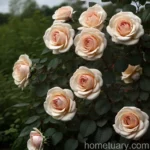
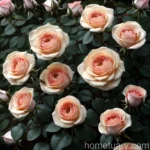
Rosa Golden Celebration is a captivating English Rose variety renowned for its exquisite golden yellow blooms and delightful fragrance. This hybrid rose, bred by David Austin, is celebrated for its old-fashioned charm and modern disease resistance. The lush, cup-shaped flowers exude a strong, fruity fragrance that adds a delightful ambiance to any garden or landscape.
This bushy, upright rose variety features glossy, dark green foliage that forms a stunning backdrop to the profusion of golden blooms. With its exceptional disease resistance, Rosa Golden Celebration is a beloved choice for both professional landscapers and home gardeners who desire a low-maintenance yet visually stunning addition to their outdoor spaces.
Key Takeaways – Rosa Golden Celebration (English Rose)
Before we delve into the specific aspects of caring for Rosa Golden Celebration, let’s outline some key takeaways for quick reference:
- Common Name: Rosa Golden Celebration
- Botanical Name: Rosa ‘Golden Celebration’
- Type: English Rose
- Characteristics: Golden yellow blooms, strong fragrance, disease-resistant
- Uses: Garden beds, borders, containers, cut flowers
- Cultural Requirements: Well-drained soil, ample sunlight, regular pruning
- Propagation: Softwood cuttings, grafting
- Common Diseases: Black spot, powdery mildew
- Common Pests: Aphids, thrips
- Hardiness Zone: 5-9
Now, let’s dive deeper into the specifics of caring for this captivating English Rose.
Culture
Uses
Rosa Golden Celebration is a versatile rose variety that lends itself to a range of uses:
- Garden Beds: Plant Rosa Golden Celebration in garden beds to create stunning focal points or mass plantings. Its golden blooms provide an eye-catching display during the flowering season.
- Borders: The compact yet bushy nature of this English Rose makes it an excellent choice for border plantings. It adds a touch of elegance and timeless beauty to garden borders.
- Containers: Consider growing Rosa Golden Celebration in containers to adorn patios, balconies, or any outdoor space with limited ground area. Its compact growth habit makes it well-suited for container gardening.
- Cut Flowers: The abundant blooms and delightful fragrance make Rosa Golden Celebration an ideal choice for creating stunning cut flower arrangements. Bring the beauty and fragrance of this English Rose indoors.
Water
Watering: When it comes to watering, Rosa Golden Celebration thrives in well-drained soil that retains moisture without becoming waterlogged. As a general guideline, aim for deep, thorough waterings rather than frequent shallow watering. This encourages the development of a robust root system that can better withstand periods of drought.
Watering Schedule: In the absence of rainfall, provide approximately 1-1.5 inches of water per week during the growing season. Adjust the frequency based on local conditions, such as temperature and soil moisture levels.
Sunlight
Sunlight Requirements: Adequate sunlight is essential for the healthy growth and abundant flowering of Rosa Golden Celebration. It thrives in full sun, which typically translates to at least 6-8 hours of direct sunlight daily.
Shade Tolerance: While Rosa Golden Celebration appreciates full sun, it can tolerate partial shade, especially in regions with intense afternoon sun. However, to promote the best flowering and overall growth, aim to provide ample sunlight.
Fertilizer
Fertilization: To support the healthy growth and abundant blooms of Rosa Golden Celebration, regular fertilization is recommended. Apply a balanced, slow-release fertilizer formulated for roses in early spring as new growth emerges.
Frequency: During the growing season, consider applying a water-soluble or granular rose fertilizer every 4-6 weeks to provide the necessary nutrients for robust growth and prolific flowering.
Soil
Soil Type: Rosa Golden Celebration thrives in well-drained, loamy soil with a slightly acidic to neutral pH. Good drainage is particularly crucial to prevent waterlogged conditions that can lead to root rot and other issues.
Soil Amendment: Prior to planting, enrich the soil with organic matter such as compost to improve its structure and fertility. This enhances the soil’s ability to retain moisture while promoting healthy root development.
Pruning
Pruning Requirements: Regular pruning is essential to maintain the health, shape, and flowering vigor of Rosa Golden Celebration. Pruning also helps to remove dead or diseased wood, encourages new growth, and maintains an open, airy canopy.
Timing: In regions with distinct seasons, aim to perform major pruning in late winter or early spring before new growth emerges. Minor pruning, such as deadheading spent blooms, can be done throughout the growing season to encourage continuous flowering.
Techniques: When pruning Rosa Golden Celebration, use clean, sharp pruning shears to make precise cuts. Remove dead or crossing branches, as well as any weak or spindly growth. Additionally, aim to maintain an open center to improve air circulation and reduce the risk of disease.
Propagation
Propagation Methods: There are several viable methods to propagate Rosa Golden Celebration, including:
- Softwood Cuttings: Propagate new plants from softwood cuttings taken in early summer. Use a rooting hormone to encourage successful root formation, and provide the appropriate environmental conditions for rooting.
- Grafting: Another common method of propagating Rosa Golden Celebration involves grafting the desired variety onto a compatible rootstock. This technique allows for the production of genetically identical plants.
Container Popularity
Rosa Golden Celebration’s compact growth habit and stunning, fragrant blooms make it a popular choice for container gardening. Whether on a patio, balcony, or terrace, growing this English Rose in containers allows individuals with limited outdoor space to enjoy its beauty and fragrance.
Consider the following tips for successfully growing Rosa Golden Celebration in containers:
- Container Size: Choose a container that provides ample room for root development while still being proportionate to the plant’s size. A 15-20 gallon container is generally suitable for a single Rosa Golden Celebration plant.
- Drainage: Ensure that the container has adequate drainage holes to prevent waterlogging. Consider using a well-draining potting mix designed for container roses.
- Sunlight: Position the container in a location that receives at least 6-8 hours of direct sunlight daily to promote healthy growth and flowering.
Common Diseases
Disease Diagnosis
While Rosa Golden Celebration exhibits excellent disease resistance, it is not immune to certain common rose diseases. Keep an eye out for the following common diseases:
-
Black Spot (Diplocarpon rosae): Identified by dark spots on the foliage, premature leaf drop, and overall weakening of the plant. Black spot thrives in humid conditions and can defoliate the plant if left unmanaged.
-
Powdery Mildew (Podosphaera pannosa): Recognizable by the powdery, white fungal growth on the leaves and stems. Powdery mildew can distort new growth and weaken the overall health of the plant.
Disease Management
To manage and prevent common rose diseases such as black spot and powdery mildew, consider the following strategies:
- Cultural Practices: Ensure proper spacing between plants to promote air circulation, and avoid overhead watering to reduce humidity near the foliage.
- Fungicidal Treatments: In severe cases, consider applying fungicidal sprays labeled for black spot and powdery mildew prevention. Follow label instructions carefully when using any chemical treatments.
Common Pests
Pest Diagnosis
Rosa Golden Celebration may encounter pests that can impact its overall health and vigor. Keep an eye out for the following common pests:
- Aphids: These small, soft-bodied insects can cluster on new growth and the undersides of leaves, sucking sap from the plant and potentially causing deformities or stunting.
- Thrips: Thrips are tiny, slender insects that feed on rose buds and flowers, causing them to become discolored and distorted.
Pest Management
To manage and prevent common pests, consider implementing the following pest management strategies:
- Natural Predators: Encourage natural predators of aphids and thrips, such as ladybugs and lacewings, to help keep pest populations in check.
- Spray Treatments: If pest populations become problematic, consider using insecticidal soaps or horticultural oils as a targeted control measure.
Botanist’s Tips
As a plant scientist, I offer the following tips for successfully growing and caring for Rosa Golden Celebration:
- Regular Monitoring: Regularly inspect your Rosa Golden Celebration plant for signs of pests, diseases, or nutrient deficiencies. Early detection allows for prompt intervention and better overall plant health.
- Mulching: Apply a layer of organic mulch around the base of the plant to conserve soil moisture, suppress weed growth, and gradually enrich the soil as the mulch breaks down.
- Supportive Structures: Consider providing support, such as a trellis or plant stakes, for Rosa Golden Celebration to ensure that its abundant blooms are well-supported and displayed to their full potential.
Fun Facts
- The fragrance of Rosa Golden Celebration is often described as fruity, with hints of citrus and spice, adding another sensory dimension to its allure.
- This English Rose blooms in flushes throughout the growing season, providing continuous interest in the garden from spring to fall.
Links to External Resources
For further information on growing and caring for Rosa Golden Celebration, consider exploring the following external resources:
- Rosa Golden Celebration – David Austin Roses
- English Roses: A Guide to Rosa Golden Celebration and Other Varieties – Royal Horticultural Society
In conclusion, Rosa Golden Celebration is a captivating English Rose variety that adds timeless elegance and fragrance to any garden or landscape. By understanding its cultural requirements, propagation techniques, common diseases, and pest management strategies, you can ensure that this stunning rose thrives in your outdoor space, delighting with its golden blooms and enchanting fragrance.
Disclaimer: The information provided in this blog post is for educational and informational purposes only. The specific cultural and care requirements for plants may vary based on regional climate and environmental conditions. Always consult local gardening resources and professionals for tailored advice on plant care and management.