Rosa, Rosa - Climbing Rose, Rosa - English Rose, Rosa - Shrub Rose
Rosa Claire Austin (English Rose)
Rosa ‘Claire Austin’, commonly known as the English Rose, is a beautiful and highly popular rose variety that is prized for its exquisite beauty.
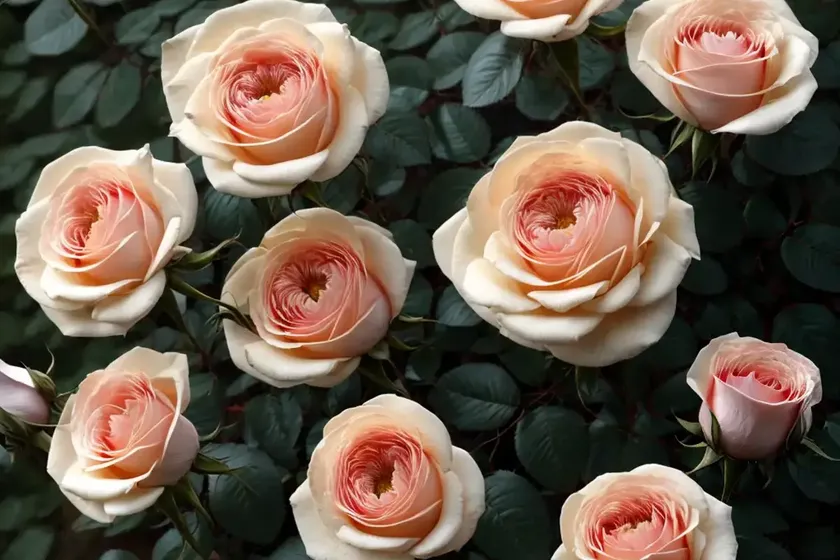
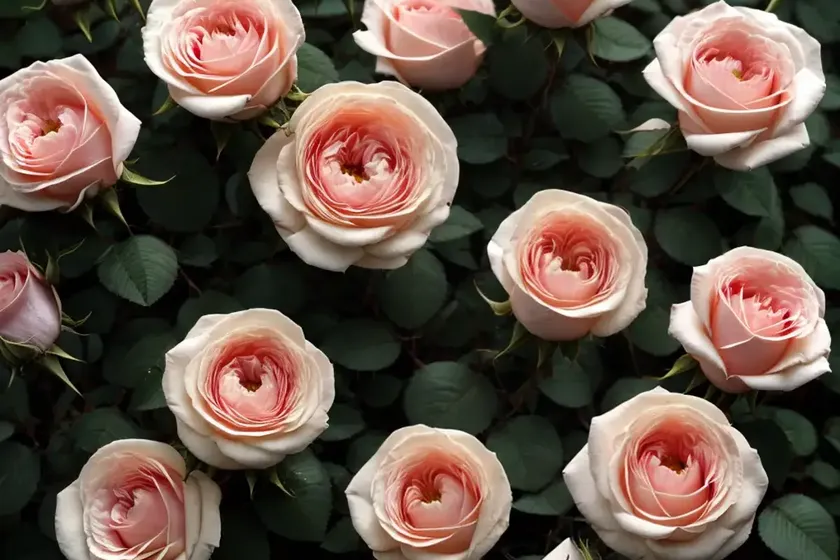
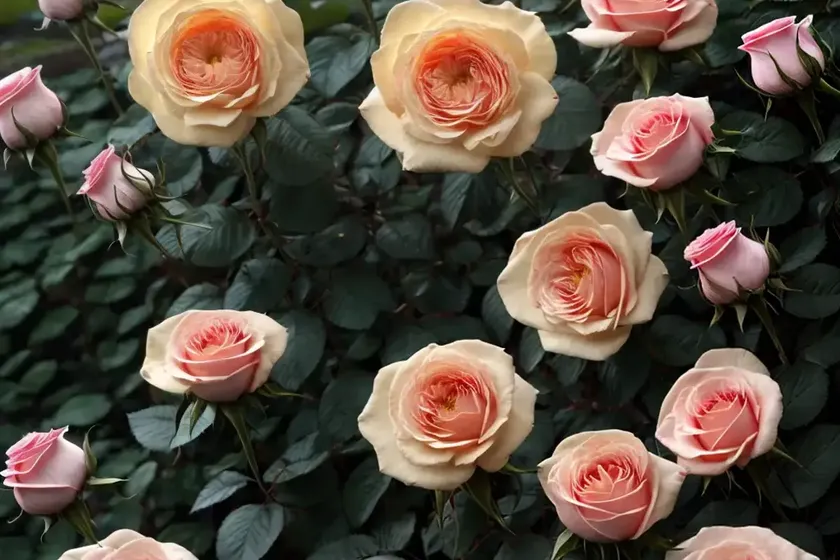
What is the Plant: Rosa Claire Austin (English Rose)
Rosa ‘Claire Austin’, commonly known as the English Rose, is a beautiful and highly popular rose variety that is prized for its exquisite beauty, captivating fragrance, and versatility in the garden. This award-winning rose cultivar is a product of the renowned breeder, David Austin, and is highly sought after by gardeners and rose enthusiasts around the world.
Throughout this comprehensive guide, we will delve into the various aspects of cultivating and caring for the Rosa ‘Claire Austin’. From its cultural requirements to maintenance, common diseases, and even some fascinating fun facts, this article aims to provide an in-depth understanding of this beloved English Rose.
Key Takeaways – Rosa Claire Austin (English Rose)
Before we delve into the specifics of cultivating and caring for the Rosa ‘Claire Austin’, here are some key takeaways about this exquisite rose variety:
- It is a highly acclaimed English Rose with a captivating fragrance and stunning blossoms.
- The Rosa ‘Claire Austin’ is prized for its disease resistance and generally low maintenance.
- It is versatile, serving as a beautiful addition to gardens, landscapes, and even container plantings.
- Understanding its cultural requirements and proper care is essential for ensuring its optimal growth and blooming.
Now, let’s explore the various facets of cultivating and caring for the Rosa ‘Claire Austin’.
Culture
The culture of Rosa ‘Claire Austin’ encompasses the specific environmental and maintenance requirements that are necessary for its optimal growth and development. From sunlight and water needs to soil preferences and fertilization, understanding the cultural requirements is essential for nurturing healthy and flourishing plants.
Uses
The Rosa ‘Claire Austin’ is an incredibly versatile plant, offering a multitude of uses in various settings. Some of its common uses include:
- Garden beds and borders: Its stunning blossoms and captivating fragrance make it a perfect addition to garden beds and borders, adding elegance and charm to outdoor spaces.
- Cut flowers: The Rosa ‘Claire Austin’ is highly prized for its use in floral arrangements, where its exquisite blooms serve as a charming centerpiece or accent in bouquets.
- Landscaping: Its versatility and beauty make it a popular choice for landscaping, where it can be used to create visually stunning and fragrant outdoor environments.
- Container plantings: Due to its manageable size and adaptability, it can be grown in containers, allowing gardeners to enjoy its beauty on patios, balconies, or other confined spaces.
Water
Proper watering is crucial for the health and vitality of the Rosa ‘Claire Austin’. While it is essential for establishing healthy roots and supporting robust growth, overzealous watering can lead to issues such as root rot. Finding the right balance in watering is key to ensuring the plant’s well-being.
Water Requirements
-
During the growing season, it is important to maintain regular watering, ensuring that the soil remains consistently moist but not waterlogged. A general guideline is to provide around 1 inch of water per week, adjusting based on specific environmental conditions and soil moisture levels.
-
During periods of prolonged heat or drought, additional watering may be necessary to prevent the plant from becoming stressed. When watering, it is important to water at the base of the plant to avoid wetting the foliage, which could contribute to disease issues.
-
In contrast, as winter approaches and the plant enters dormancy, the frequency of watering should be reduced to prevent waterlogged soil, which can be detrimental to the plant during cooler months.
Sunlight
Proper sunlight is crucial for the growth and blooming of the Rosa ‘Claire Austin’. As a general rule, roses thrive in locations with ample sunlight, although some protection from intense midday sun in hotter climates can be advantageous.
Sunlight Needs
-
The Rosa ‘Claire Austin’ typically requires at least 6 to 8 hours of direct sunlight daily to ensure healthy growth and profuse blooming. In cooler climates, full sun exposure is generally well-tolerated and beneficial for the plant.
-
In regions with extremely hot summers, some afternoon shade can be provided to protect the plant from the intense heat, particularly during peak hours when the sun’s rays are strongest.
-
When selecting a planting location, it is important to consider the sun exposure throughout the day and ensure that the chosen spot meets the sunlight needs of the Rosa ‘Claire Austin’.
Fertilizer
While the Rosa ‘Claire Austin’ is generally low-maintenance, providing the appropriate nutrients through fertilization can contribute to stronger, healthier plants and more abundant blossoms. Understanding the ideal timing and formulation for fertilizing is essential for promoting optimal growth and flowering.
Fertilization Recommendations
-
In early spring, just as new growth begins to emerge, it is beneficial to apply a balanced, slow-release granular fertilizer around the base of the plant. This initial application provides essential nutrients to support the plant’s early growth and establish a strong foundation for the growing season.
-
Following the initial spring application, additional fertilization can be provided during the growing season to promote continuous growth and blooming. This can be achieved using a high-quality liquid fertilizer, preferably formulated specifically for roses or flowering plants.
-
As the season progresses and the plant prepares for dormancy, it is important to cease fertilization to allow the plant to naturally transition into a period of reduced growth and rest.
Soil
The soil in which the Rosa ‘Claire Austin’ is planted plays a critical role in its overall health and performance. Understanding the ideal soil type, drainage requirements, and pH preferences is essential for providing an optimal growing environment for the plant.
Best Soil for Claire Austin Roses
-
Well-draining, fertile soil with a slightly acidic to neutral pH level (pH 6.0-6.5) is generally preferred for the Rosa ‘Claire Austin’. It is important to ensure that the soil does not become waterlogged, as excessive moisture can lead to root rot and other detrimental conditions.
-
Prior to planting, it can be advantageous to amend the soil with organic matter such as compost or well-rotted manure, which not only enriches the soil but also enhances its overall structure and drainage capabilities.
-
Soil testing can be beneficial in determining the specific pH level and any necessary amendments or adjustments to optimize the growing conditions for the Rosa ‘Claire Austin’.
Pruning
Pruning is an essential aspect of rose care, contributing to the plant’s overall health, shape, and flowering performance. Proper pruning techniques and timing are crucial for maintaining tidy, vigorous plants with abundant blossoms.
Pruning Techniques
-
Winter Pruning: During late winter or early spring, before new growth begins, the Rosa ‘Claire Austin’ benefits from a thorough pruning. This involves removing any dead, diseased, or damaged wood, as well as shaping the plant to encourage robust new growth and blooming.
-
Deadheading: Throughout the blooming season, the regular removal of spent blossoms, an act known as deadheading, encourages the development of new blooms and supports the plant’s overall flowering performance. This process also helps maintain a tidy appearance and prevents the formation of rose hips.
-
Pruning for Shape and Size: Additionally, light pruning can be performed as necessary to shape the plant, remove overly dense growth, and maintain the desired size and form. This can be especially important for managing the plant’s overall structure and ensuring adequate air circulation.
Propagation
Propagation techniques enable gardeners to multiply their Rosa ‘Claire Austin’ plants, creating additional specimens to expand their garden or share with fellow enthusiasts. Understanding the various methods of propagation allows for the successful reproduction of this beloved rose variety.
Propagation Methods
-
Stem Cuttings: Taking stem cuttings from healthy, established plants is a common method of propagating the Rosa ‘Claire Austin’. Using a sharp, clean cutting tool, select a healthy stem, typically 6-8 inches in length, and remove it at an angle just below a node. These cuttings can be rooted in a suitable growing medium and, with proper care, will develop into new plants.
-
Layering: Layering is another effective propagation technique, involving the encouragement of stem segments to form roots while still attached to the parent plant. This can be facilitated by bending a flexible stem to the ground, securing it in place, and encouraging the development of roots before severing the new plant from the parent.
-
Grafting: Grafting involves joining the desired Rosa ‘Claire Austin’ cultivar onto a compatible rootstock, creating a new plant with the desirable traits of the original. This method allows for the precise replication of specific cultivars and can be particularly advantageous for rose enthusiasts and commercial growers.
Container Popularity
The Rosa ‘Claire Austin’ is prized for its versatile nature, making it a popular choice for container plantings. Growing this exquisite rose variety in containers offers several benefits and allows enthusiasts to enjoy its beauty in diverse settings.
Container Planting Benefits
-
Space Efficiency: For individuals with limited outdoor space, container plantings provide an opportunity to cultivate the Rosa ‘Claire Austin’ on patios, balconies, or other confined areas, adding beauty and fragrance to small-scale environments.
-
Versatility: Containers allow for the flexibility of moving the plant as needed, whether to optimize sunlight exposure, protect it from adverse weather, or simply to enhance the visual appeal of different outdoor settings.
-
Control: Container plantings afford greater control over soil conditions and drainage, essential factors in ensuring the health and vitality of the Rosa ‘Claire Austin’, particularly for individuals dealing with suboptimal soil in their garden.
Common Diseases
Despite its generally strong disease resistance, the Rosa ‘Claire Austin’ can still be susceptible to certain diseases under unfavorable conditions. Understanding common diseases and their identification is essential for preventing and addressing potential issues.
Disease Diagnosis
-
Powdery Mildew: This fungal disease presents as a powdery, white coating on the leaves and stems of the plant, often accompanied by stunted growth and distorted foliage. It thrives in humid conditions and can be mitigated through adequate air circulation and the use of fungicidal treatments.
-
Black Spot: Black spot is another common fungal disease that manifests as dark, circular spots on the leaves, often leading to premature leaf drop and diminished plant vigor. Maintaining good sanitation practices and utilizing appropriate fungicidal applications can help control this disease.
-
Botrytis Blight: Also known as gray mold, botrytis blight can affect the blossoms and foliage of the Rosa ‘Claire Austin’, causing them to become discolored, soft, and decayed. Implementing diligent cultural practices such as proper pruning and avoiding overhead watering can aid in preventing this disease.
Common Pests
Various pests can pose a threat to the health and well-being of the Rosa ‘Claire Austin’, necessitating vigilant monitoring and proactive pest management strategies to safeguard the plant from infestations.
Pest Control
-
Aphids: These small, soft-bodied insects are a common pest of roses, feeding on the plant’s sap and causing distorted growth and yellowing foliage. Pruning infested growth, introducing natural predators, and using insecticidal soaps are effective methods of controlling aphid populations.
-
Spider Mites: Spider mites are tiny arachnids that can cause stippling and webbing on the leaves of the Rosa ‘Claire Austin’. Regularly spraying the plant with a strong jet of water and applying miticides when necessary can help mitigate spider mite infestations.
-
Japanese Beetles: These voracious pests can skeletonize the leaves of roses, causing significant damage if left unchecked. Manual removal, using pheromone traps, and applying insecticides are common approaches to managing Japanese beetle populations.
Now, armed with a thorough understanding of the cultural requirements, maintenance, common diseases, and pest management strategies for the Rosa ‘Claire Austin’, gardeners and rose enthusiasts can confidently cultivate and care for this exceptional English Rose.
Botanist’s Tips
Here are some valuable tips for cultivating and caring for the Rosa ‘Claire Austin’ based on the collective wisdom of botanical experts and seasoned gardeners:
-
Regular Monitoring: Vigilant observation of the plant for signs of stress, disease, or pest infestations allows for early intervention and effective management of potential issues.
-
Early Pruning: Engaging in regular, light pruning throughout the growing season can help maintain the shape and vigor of the plant, minimizing the need for more drastic pruning methods.
-
Soil Health: Prioritizing soil enrichment and maintenance through the addition of organic matter and regular soil testing improves the overall vitality and resilience of the Rosa ‘Claire Austin’.
-
Companion Planting: Selecting compatible companion plants can enhance the health and aesthetic appeal of the garden while potentially offering additional benefits such as pest repellence and soil improvement.
Fun Facts
As we celebrate the splendor of the Rosa ‘Claire Austin’, here are some fascinating and delightful fun facts about this beloved English Rose:
-
Fragrance Delight: The Rosa ‘Claire Austin’ is celebrated for its exquisite fragrance, which is described as a heady blend of myrrh, meadowsweet, and vanilla, creating an alluring and captivating aroma.
-
Award-Winning Beauty: Recognized for its exceptional qualities, the Rosa ‘Claire Austin’ has garnered prestigious awards, including the Award of Garden Merit from the Royal Horticultural Society, cementing its status as a top-tier rose variety.
-
English Rose Royalty: As part of the renowned English Rose collection developed by David Austin, the Rosa ‘Claire Austin’ stands as a testament to the ingenuity and passion of one of the most revered rose breeders in history.
-
Floral Elegance: The classic, chalice-shaped blooms of the Rosa ‘Claire Austin’ feature a soft, creamy color that matures to a pure, pristine white, providing a timeless and elegant presence in the garden.
-
Enduring Beauty: With its strong disease resistance and robust growth habits, the Rosa ‘Claire Austin’ continues to captivate gardeners and enthusiasts, enduring as a cherished and enduring favorite in the world of roses.
Links to External Resources
For additional insights, guidance, and inspiration regarding the Rosa ‘Claire Austin’ and other English Rose varieties, explore the following external resources:
- David Austin Roses
- Royal Horticultural Society – Rose Growing Guide
- American Rose Society
- The Old Farmer’s Almanac – Growing Roses
- Gardening Know How – English Roses
By embracing the insights and recommendations offered in this guide, alongside the wealth of knowledge available from external resources, gardeners and enthusiasts can embark on a journey of cultivating and caring for the Rosa ‘Claire Austin’, unlocking the unrivaled beauty and alluring charm of this exceptional English Rose.


