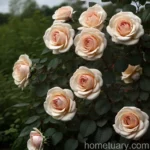
Rosa Benjamin Britten (English Rose) – A Complete Guide
Rosa Benjamin Britten, an English Rose, is a stunning and popular choice for gardens due to its beautiful blooms, fragrance, and versatility. This comprehensive guide covers everything you need to know about the characteristics, care tips, uses, and more of Rosa Benjamin Britten.
What is Plant: Rosa Benjamin Britten (English Rose)
Rosa Benjamin Britten, a cultivar of the English Rose, is a breathtaking addition to any garden. With its charming blooms and delightful fragrance, this rose variety enhances the aesthetic appeal of landscapes while offering a multitude of practical and ornamental uses. Known botanically as Rosa ‘Benjamin Britten,’ this hybrid is the result of careful breeding to achieve specific traits and characteristics.
Key Takeaways – Rosa Benjamin Britten (English Rose)
- Scientific Name: Rosa ‘Benjamin Britten’
- Plant Type: Shrub, English Rose
- Climate Preference: Moderate to warm climates
- Color Variations: Coral-pink to warm salmon
- Fragrance: Strong and delightful scent
- Height: Up to 1.2 meters (4 feet)
- Growth Habit: Bushy and vigorous
- Bloom Time: Repeated bloomer with flushes through the season
- Disease Resistance: Good resistance to common rose diseases
Now, let’s delve into the detailed care and cultivation aspects of this captivating English Rose.
Culture
Sunlight
Rosa Benjamin Britten thrives in full sun, which typically means it needs at least 6 hours of direct sunlight daily. This sunlight exposure enhances the vibrancy of its blooms and promotes overall plant health.
Water
Adequate and consistent watering is crucial for the optimal growth and blooming of Rosa Benjamin Britten. While it is important to avoid overwatering, especially in poorly drained soils, regular watering to maintain moist but not waterlogged soil is essential, particularly during dry periods. A layer of organic mulch around the base of the plant can help retain soil moisture.
Soil
The English Rose Benjamin Britten prefers well-draining, fertile soil with a slightly acidic to neutral pH (pH 6.0-7.0). Amending the soil with organic matter such as compost and well-rotted manure can significantly improve its texture and fertility, creating an ideal growing environment for this rose variety.
Fertilizer
Fertilizing Rosa Benjamin Britten is vital for promoting healthy growth and prolific flowering. Applying a balanced fertilizer formulated for roses in early spring, after the last frost date, and then again in late spring can provide the necessary nutrients for robust growth and abundant blooms.
Pruning
Pruning is a key aspect of maintaining the health and shape of Rosa Benjamin Britten. The ideal time for pruning is in late winter or early spring, just before new growth begins. This allows for the removal of dead or diseased wood, shaping the plant, and promoting vigorous new growth.
Uses
Garden Planting
The impressive blooms and captivating fragrance of Rosa Benjamin Britten make it a delightful addition to garden beds and borders. Its moderate size and bushy habit make it suitable for both small and large garden spaces.
Cut Flowers
The stunning blooms and strong fragrance of Rosa Benjamin Britten make it an excellent choice for cut flower arrangements, adding beauty and elegance to indoor spaces.
Container Planting
Rosa Benjamin Britten can be cultivated in containers, making it a versatile choice for patios, balconies, and small urban gardens. Its compact size and stunning blooms bring a touch of natural beauty to limited spaces.
Landscaping
This English Rose variety can be incorporated into various landscaping designs, adding color, fragrance, and visual interest to outdoor spaces. Whether used as single specimens or in mass plantings, its vibrant blooms and delightful fragrance make a captivating impact.
Propagation
Propagation from Cuttings
Rosa Benjamin Britten can be propagated from semi-hardwood cuttings taken from healthy, disease-free plants. These cuttings can be rooted in a suitable growing medium and cared for until they develop roots and can be transplanted into their desired location.
Grafting
Grafting onto suitable rootstocks can also be employed to propagate Rosa Benjamin Britten, especially for commercial production or when specific rootstock traits are desired.
Popularity
The popularity of Rosa Benjamin Britten stems from its captivating characteristics and versatile uses, making it a sought-after choice for gardeners, landscapers, and flower enthusiasts. Its charming blooms, delightful fragrance, and adaptability to different growing conditions have contributed to its widespread popularity in gardens and landscapes.
Common Diseases
Disease Diagnosis
Black Spot (Diplocarpon rosae): This fungal disease is a common affliction of roses, characterized by black spots on the leaves, often leading to defoliation if left unmanaged.
Powdery Mildew (Sphaerotheca pannosa): Powdery mildew presents as a white, powdery coating on the leaves and stems, affecting the overall vigor and aesthetics of the plant.
Disease Prevention
Regular inspection and proactive measures such as proper watering, adequate air circulation, and prompt removal of diseased plant material can help prevent common rose diseases like black spot and powdery mildew.
Common Pests
Botanist’s Tips
Aphids: These small, soft-bodied pests can be found on new growth, buds, and the undersides of leaves. Controlling aphids through natural predators, insecticidal soaps, or horticultural oils can prevent damage to the plant.
Japanese Beetles: These metallic green beetles can cause significant damage to roses by feeding on the foliage and flowers. Vigilant monitoring and control measures can be employed to manage their populations and reduce their impact on the plant.
Fun Facts
- Rosa Benjamin Britten was named after the renowned English composer, Benjamin Britten, as part of David Austin Roses’ collection of English Roses.
- The captivating fragrance of Rosa Benjamin Britten has often been described as a blend of myrrh and fruity elements, adding an exquisite olfactory dimension to its appeal.
Links to External Resources
For further information on Rosa Benjamin Britten and related topics, you might find the following resources valuable:
- Rose Care Guide – The American Rose Society
- Rosa ‘Benjamin Britten’ – The Royal Horticultural Society
- Plant Disease Management – University of California, Agriculture and Natural Resources
In conclusion, Rosa Benjamin Britten, with its captivating blooms, delightful fragrance, and versatile uses, continues to captivate plant enthusiasts and gardeners, adding beauty and elegance to a wide range of settings. By understanding its characteristics, optimal care techniques, and practical uses, individuals can fully appreciate the beauty and charm that this English Rose cultivar brings to gardens and landscapes.
With the comprehensive insights provided in this guide, both beginners and experienced horticulturists can cultivate and enjoy the timeless allure of Rosa Benjamin Britten, adding a touch of timeless elegance to their outdoor spaces.
[Note: This guide does not cover every aspect of Rosa Benjamin Britten cultivation and care. Consult with local horticultural experts and resources for region-specific recommendations and guidelines.]