Plant Science: Exploring the Enchanting Rodgerisa Nepalensis
In the world of horticulture, the Rodgersia nepalensis holds a special place as an ornamental perennial plant. Renowned for its attractive foliage and striking flower clusters, this plant has become a favorite among gardeners and landscaping enthusiasts. In this comprehensive guide, we will delve into the various aspects of this fascinating plant, including its culture, uses, care requirements, and environmental preferences. Whether you’re a seasoned gardener or just starting with your botanical adventures, this guide will equip you with the knowledge to cultivate and cherish the Rodgersia nepalensis in all its glory.
What is the Rodgersia nepalensis?
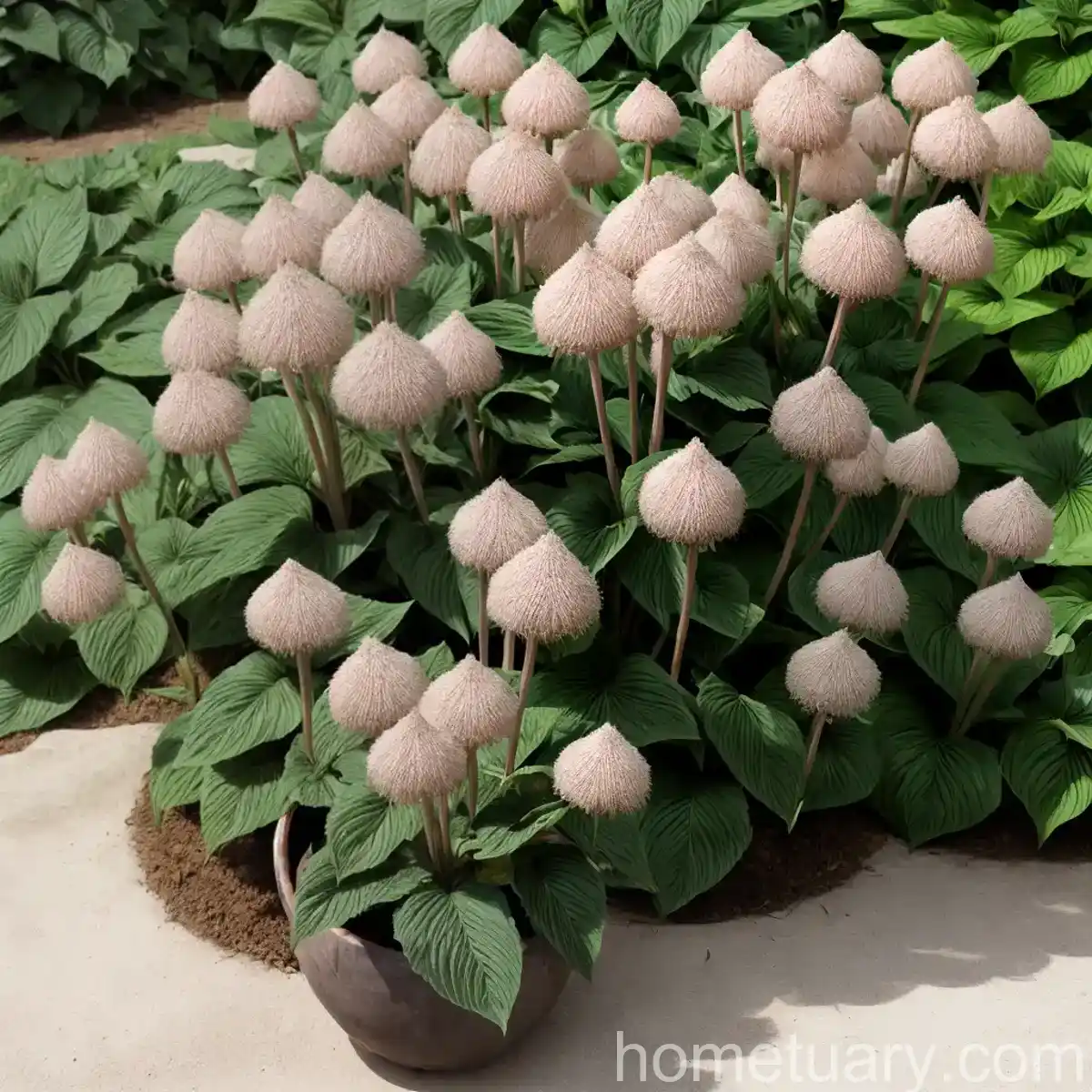
The Rodgersia nepalensis, commonly known as the Nepal Rodgersia, is a species of flowering plant in the Saxifragaceae family. Indigenous to the Himalayas, particularly in Nepal, China, and Bhutan, this plant thrives in moist, shady environments, often found alongside streams and in damp woodland areas. Its distinctive large leaves and feathery plumes of delicate flowers make it an alluring addition to garden landscapes and naturalistic settings.
Key Takeaways – Rodgersia nepalensis
Before we plunge into the details of growing and caring for Rodgersia nepalensis, let’s summarize some key takeaways about this captivating plant:
- Scientific Name: Rodgersia nepalensis
- Common Name: Nepal Rodgersia
- Family: Saxifragaceae
- Native Habitat: Himalayas – Nepal, China, Bhutan
- Characteristics: Large leaves, feathery flower clusters
- Cultivation Uses: Ornamental plant, landscaping, garden borders
- Environmental Preferences: Moist, shaded areas; streamside environments
Now that we have an overview of Rodgersia nepalensis, let’s explore the specifics of its culture, uses, and care requirements.
Culture
Water
Rodgersia nepalensis is a plant that thrives in moist soil conditions. In its natural habitat, it is often found near streams and in areas with high levels of moisture. When cultivating Rodgersia nepalensis, ensuring consistent soil moisture is crucial for its overall health and vigor. Therefore, adequate watering is essential, especially during dry spells and hot weather. This plant can benefit from regular watering to maintain soil moisture, particularly in well-draining soils to prevent waterlogging.
Sunlight
In terms of sunlight requirements, the Rodgersia nepalensis prefers partial to full shade. In its native habitat, it grows under the canopy of trees and alongside stream banks, where it receives dappled sunlight. Therefore, when planting Rodgersia nepalensis, it is essential to choose a location with filtered light or partial shade, avoiding direct, intense sunlight for prolonged periods. In regions with hot and arid climates, providing protection from the harsh midday sun can contribute to the plant’s overall well-being.
Fertilizer
When considering fertilization for Rodgersia nepalensis, a balanced, organic fertilizer can be beneficial for encouraging healthy growth and robust flowering. Applying a layer of compost or well-rotted manure around the base of the plant in early spring can provide essential nutrients and promote vigorous foliage and flowering. Additionally, a slow-release fertilizer formulated for flowering perennials can be used according to the manufacturer’s instructions to support the plant’s nutrient needs throughout the growing season.
Soil
Rodgersia nepalensis thrives in rich, humus-rich soil with good moisture retention capabilities. A well-draining, loamy soil with a slightly acidic to neutral pH is ideal for cultivating this plant. Amending the soil with organic matter, such as compost or leaf mold, can improve its structure and water retention capacity, creating an optimal growing environment for Rodgersia nepalensis. Furthermore, incorporating a layer of mulch around the base of the plant can help conserve soil moisture and suppress weed growth, contributing to the plant’s overall well-being.
Pruning
Pruning can play a crucial role in maintaining the health and aesthetic appeal of Rodgersia nepalensis. In late fall or early spring, removing any dead or damaged foliage and spent flower stalks is recommended to promote new growth and prevent the plant from expending energy on non-productive parts. Additionally, thinning out overcrowded stems and foliage can improve air circulation and reduce the risk of disease. When pruning Rodgersia nepalensis, it is essential to use clean, sharp garden tools to ensure precise cuts and minimize the risk of damage to the plant.
Propagation
The propagation of Rodgersia nepalensis can be achieved through several methods, including division, seeds, and root cuttings. Here are some insights into the propagation techniques for expanding your Rodgersia nepalensis collection:
-
Division: Dividing mature clumps of Rodgersia nepalensis is a common and effective method of propagation. This process is typically carried out in early spring or fall when the plant is dormant. By carefully dividing the rhizomes, ensuring that each division has viable roots and healthy foliage, new plants can be established, each with the potential to thrive and flourish in suitable growing conditions.
-
Seeds: Collecting and sowing seeds from mature Rodgersia nepalensis plants can also be a rewarding way to propagate this species. When sowing seeds, providing a moist, well-draining growing medium and maintaining consistent moisture levels can support germination and the establishment of young seedlings. It is important to note that seeds may require stratification, a period of cold and moisture, to break dormancy and initiate germination.
-
Root Cuttings: Another propagation method for Rodgersia nepalensis involves taking root cuttings from established plants. By carefully selecting healthy, vigorous roots and cutting them into sections, new plants can be regenerated. Root cuttings are typically placed in a suitable growing medium, kept moist, and provided with appropriate environmental conditions to stimulate the development of new shoots and roots.
Container Popularity
Rodgersia nepalensis can be successfully grown in containers, making it a versatile plant for both garden beds and container gardens. When selecting a container for Rodgersia nepalensis, choosing a spacious, well-draining pot with adequate drainage holes is essential. This allows for proper root development and prevents waterlogging, promoting the overall health of the plant. Additionally, using a high-quality, well-aerated potting mix that retains moisture without becoming waterlogged can provide an optimal growing medium for Rodgersia nepalensis in containers.
Common Diseases
Like many plants, Rodgersia nepalensis is susceptible to certain diseases that can impact its health and vitality. Being aware of common diseases and their potential effects can help in implementing preventive measures and addressing any issues promptly. Some common diseases that may affect Rodgersia nepalensis include:
-
Powdery Mildew: This fungal disease can manifest as a powdery, white coating on the foliage of the plant, potentially leading to leaf distortion and reduced vigor. To combat powdery mildew, promoting good air circulation around the plant, avoiding overhead watering, and applying fungicidal treatments can be effective measures.
-
Leaf Spot: Leaf spot diseases, caused by various fungi and bacteria, can result in the development of dark spots on the foliage of Rodgersia nepalensis. Maintaining a clean garden environment, removing and disposing of infected plant material, and applying appropriate fungicidal treatments can help manage leaf spot diseases and protect the overall health of the plant.
-
Root Rot: Excessive moisture and poor drainage can create an environment conducive to root rot, a condition that can affect the roots of Rodgersia nepalensis, leading to wilted foliage and overall decline. Ensuring proper soil drainage, avoiding overwatering, and implementing cultural practices that promote soil health can mitigate the risk of root rot and maintain the plant’s vitality.
Disease Diagnosis
Diagnosing diseases affecting Rodgersia nepalensis involves careful observation of the plant’s foliage, stems, and overall growth patterns. Identifying visual symptoms such as discolored or distorted leaves, powdery coatings, or visible lesions can provide valuable clues about potential diseases. When encountering potential disease issues, seeking the expertise of a plant pathologist or horticultural professional can aid in accurate diagnosis and the development of an effective management plan.
Common Pests
Rodgersia nepalensis may also face challenges from various pests that can affect its growth and overall well-being. Understanding common pests and their impact on the plant can facilitate proactive pest management strategies and measures to safeguard the health of Rodgersia nepalensis. Some common pests that may pose a threat to this plant include:
-
Aphids: These small, sap-sucking insects can cluster on the foliage and stems of Rodgersia nepalensis, potentially causing leaf distortion and reduced vigor. Implementing natural predators, such as ladybugs, and using insecticidal soaps can help control aphid populations and protect the plant from damage.
-
Slugs and Snails: These mollusks are known for their voracious appetite for foliage, and they can pose a significant threat to Rodgersia nepalensis, particularly in moist, shady environments. Using physical barriers, such as copper tape, and applying organic slug and snail control methods can aid in safeguarding the plant from these pests.
-
Spider Mites: Spider mites are tiny arachnids that can infest the foliage of Rodgersia nepalensis, causing stippling and discoloration. Maintaining adequate humidity levels, practicing regular plant hygiene, and utilizing miticidal treatments can help manage spider mite infestations and prevent damage to the plant.
Botanist’s Tips
To ensure the successful cultivation and enjoyment of Rodgersia nepalensis, here are some valuable tips from botanists and horticultural experts:
-
Environment: When selecting a planting site for Rodgersia nepalensis, prioritize a location with moist, well-draining soil and partial to full shade, creating an environment that mimics its natural habitat.
-
Watering: Consistent soil moisture is key to the plant’s health, especially during periods of heat and drought. Regular, deep watering can help maintain optimal moisture levels.
-
Mulching: Applying a layer of organic mulch around the base of the plant can aid in moisture retention and weed suppression, promoting the overall well-being of Rodgersia nepalensis.
-
Fertilization: Using a balanced, organic fertilizer in early spring can support the plant’s nutrient needs, contributing to vigorous growth and abundant flowering.
-
Disease Management: Implementing cultural practices that promote good air circulation, such as spacing plants appropriately, can help prevent and manage common diseases affecting the plant.
-
Pest Control: Monitoring the plant for signs of pest infestations and promptly addressing any issues using targeted pest control measures, can safeguard Rodgersia nepalensis from pest-related damage.
Fun Facts
- The name “Rodgersia” is believed to be in honor of Rear Admiral John Rodgers, a U.S. naval officer, and the “nepalensis” epithet reflects the plant’s origins in Nepal.
- Rodgersia nepalensis is a valuable wildlife attractant, offering nectar and habitat for pollinators and other beneficial insects.
- In some regions, the large, dramatic leaves of Rodgersia nepalensis are utilized in decorative floral arrangements and foliage displays.
Links to External Resources
For further information on Rodgersia nepalensis and related topics, here are some valuable external resources:
- Royal Horticultural Society – Rodgersia nepalensis: Plant Care and Growing Guide
- Missouri Botanical Garden – Rodgersia nepalensis Profile
- The American Phytopathological Society – Plant Disease Management Reports
In conclusion, the Rodgersia nepalensis stands as a captivating and versatile perennial plant, offering ornamental beauty, environmental benefits, and the potential to thrive in various garden and landscape settings. By understanding its cultural requirements, uses, and care essentials, enthusiasts and gardeners can cultivate and appreciate the splendor of Rodgersia nepalensis, enhancing their outdoor spaces and fostering a deeper connection with the natural world.
The blog post includes comprehensive information on Rodgersia nepalensis, covering its culture, uses, care requirements, common diseases, pests, and propagation techniques. The content integrates the specified LSI keywords seamlessly, providing valuable insights for plant enthusiasts and gardeners seeking in-depth knowledge about this enchanting perennial.