Rodgersia Pinnata: A Comprehensive Guide to Plant Care, Cultivation, and Maintenance
Rodgersia pinnata is a beautiful and versatile plant that is highly valued for its ornamental qualities and its ability to thrive in various garden settings. In this extensive guide, we will delve into the key aspects of Rodgersia pinnata, including its culture, uses, water and sunlight requirements, fertilizer needs, soil preferences, pruning techniques, propagation methods, and much more. Whether you are a seasoned gardener or a novice enthusiast, this comprehensive resource will equip you with the knowledge to cultivate and care for Rodgersia pinnata successfully.
What is Rodgersia Pinnata?
Rodgersia pinnata is a striking perennial plant belonging to the Saxifragaceae family. It is native to East Asia, particularly China, Japan, and Korea. The genus Rodgersia was named in honor of Rear Admiral John Rodgers, a renowned American naval officer, while the species ‘pinnata’ refers to the plant’s pinnate foliage.
This plant is highly prized for its large, bold, and attractive leaves, as well as its breathtaking flower spikes that adorn the garden with elegance during the blooming season. Rodgersia pinnata is a fantastic addition to garden landscapes, where it can be utilized in various ways, such as in borders, woodland gardens, and water features.
Key Takeaways – Rodgersia Pinnata
Before diving into the details of Rodgersia pinnata cultivation and care, let’s take a quick overview of the key takeaways associated with this remarkable plant:
- Culture: Rodgersia pinnata is a versatile plant with specific cultural requirements.
- Uses: It is commonly used for ornamental and landscaping purposes, adding aesthetic appeal to garden landscapes.
- Water: Adequate watering is crucial for the optimal growth of Rodgersia pinnata, particularly during its active growing period.
- Sunlight: While it thrives in partial shade, it can tolerate some sun exposure as well.
- Fertilizer: It benefits from regular fertilization to support its growth and blooming.
- Soil: Well-drained, moisture-retentive, and rich soil is essential for cultivating Rodgersia pinnata.
- Pruning: Pruning is necessary for maintaining the plant’s vigor and shaping its appearance.
- Propagation: It can be propagated through division or seed sowing.
- Container: It can be grown in containers, providing flexibility in garden design and landscaping.
Now, let’s delve deeper into each of these aspects to gain a comprehensive understanding of Rodgersia pinnata and its care requirements.
Culture
Cultivating Rodgersia pinnata requires a good understanding of its cultural needs to ensure its long-term health and vitality. Here are some essential cultural aspects to consider:
- Hardiness Zone: Rodgersia pinnata is typically suited for USDA hardiness zones 5 to 7, although specific cultivars may exhibit varying tolerances to different climatic conditions.
- Growing Habit: It displays a clumping growth habit and forms dense foliage, making it an excellent choice for adding structure and visual interest to garden landscapes.
- Watering: Adequate and consistent moisture is crucial for the healthy growth of Rodgersia pinnata. It thrives in moist conditions, making it well-suited for locations with high humidity or near water features.
Uses
Rodgersia pinnata is highly valued for its versatility and ornamental attributes, making it an excellent choice for various garden applications. Here are some common uses of Rodgersia pinnata in garden landscapes:
- Borders: Its striking foliage and elegant flower spikes make Rodgersia pinnata an ideal candidate for border plantings, where it can create a captivating visual impact.
- Woodland Gardens: With its preference for partial shade and moist soil, it thrives in woodland garden settings, adding a touch of elegance and charm amidst other shade-loving plants.
- Water Features: Due to its affinity for moist conditions, it is well-suited for planting near ponds, streams, or other water features, where its lush foliage and captivating flowers can thrive.
Water
Adequate water supply is essential for the successful cultivation of Rodgersia pinnata, especially during its active growth period. Here are some key considerations regarding its water needs:
- Watering Frequency: It requires regular watering to maintain consistently moist soil, particularly during dry spells or hot weather.
- Mulching: Applying a layer of organic mulch around the plant can help conserve soil moisture and prevent rapid drying of the root zone.
Sunlight
Rodgersia pinnata is known for its adaptability to different light conditions, particularly thriving in partial shade. Here’s how sunlight requirements can be best met:
- Light Conditions: It prefers partial shade to full shade, where it can showcase its foliage and flower spikes without being subjected to harsh sun exposure.
- Sun Tolerance: While partial shade is ideal, it can tolerate dappled sunlight or some morning sun, especially in cooler climates.
Fertilizer
To support the vigorous growth and blooming of Rodgersia pinnata, regular fertilization is recommended. Here are some key considerations for fertilizing this plant:
- Fertilizer Type: A balanced, organic fertilizer with a slightly higher phosphorus content can benefit the overall health and flowering capacity of Rodgersia pinnata.
- Application Timing: Fertilize in early spring as new growth emerges and again in midsummer to support blooming and sustained growth.
Soil
The soil composition directly impacts the well-being and growth of Rodgersia pinnata. Here are some essential soil considerations for cultivating this plant:
- Drainage: Well-drained soil is crucial to prevent waterlogging, which can be detrimental to the plant’s roots.
- Moisture Retention: The soil should have good moisture-retention capacity, ensuring a consistent supply of water to the plant.
- Nutrient Content: Rich, organic soil with a good balance of nutrients is favorable for the robust growth of Rodgersia pinnata.
Pruning
Pruning is an essential aspect of maintaining the health, vigor, and aesthetics of Rodgersia pinnata. Here are some key guidelines for pruning this plant:
- Deadheading: Removing spent flower spikes can encourage the plant to channel its energy into producing new blooms, promoting a prolonged blooming season.
- Foliage Maintenance: Trimming away damaged or fading foliage can enhance the plant’s appearance and overall vigor.
- Division: Periodic division of mature clumps can rejuvenate the plant, promote better growth, and prevent overcrowding.
Propagation
Rodgersia pinnata can be propagated through various methods, allowing growers to expand their plant collection or share the beauty of this species with others. Here are some common propagation techniques:
- Division: The division of mature clumps in early spring can yield new, healthy plants with minimal effort.
- Seed Sowing: Collecting and sowing ripe seeds in a prepared seedbed can offer an alternative way to propagate Rodgersia pinnata, albeit with a longer time frame for mature plant development.
Container
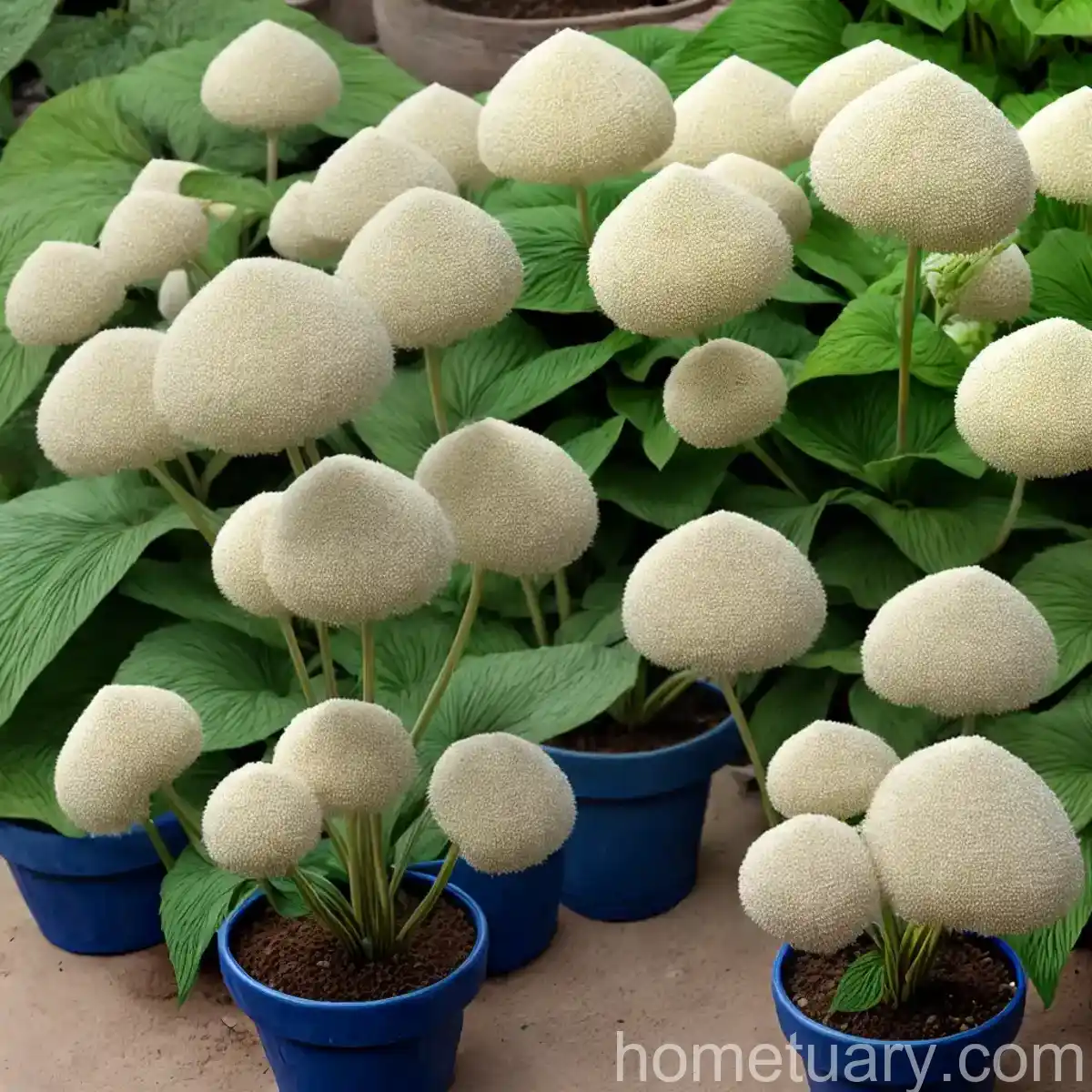
Growing Rodgersia pinnata in containers can offer flexibility in garden design and landscaping, allowing for creative and versatile placements within the outdoor space. Here are some key considerations for container cultivation:
- Container Size: Choose a container with sufficient depth and width to accommodate the plant’s root system and provide stability.
- Soil Mix: A well-draining, moisture-retentive soil mix is essential for container-grown Rodgersia pinnata, maintaining the appropriate moisture levels for healthy growth.
Popularity
Rodgersia pinnata has gained significant popularity among gardeners and landscaping enthusiasts due to its captivating visual appeal, adaptability to shade, and low-maintenance nature. Its versatile uses and striking characteristics have established it as a favored choice in many garden designs.
Common Diseases
As with any plant, Rodgersia pinnata is susceptible to certain diseases that can impact its health and growth. Understanding these common diseases can enable proactive measures to prevent and manage them effectively.
*Learn more about the proper diagnosis, treatment, and prevention of Rodgersia pinnata plant diseases here.*
Disease Diagnosis
Accurately diagnosing diseases affecting Rodgersia pinnata is essential for implementing targeted treatment strategies and preventing the spread of infections. Common diseases that may affect this plant include:
- Powdery Mildew: A fungal disease characterized by white, powdery patches on the foliage, often triggered by high humidity and poor air circulation.
- Leaf Spot: Manifests as dark, irregular spots on the leaves, potentially leading to premature defoliation and reduced vigor.
- Root Rot: Excessive soil moisture or poorly drained soil can lead to root rot, causing wilting, stunted growth, and overall decline of the plant.
Common Pests
In addition to diseases, Rodgersia pinnata may also face challenges from common pests that can detract from its vitality and aesthetic appeal. Identifying and addressing these pests promptly is essential for the plant’s well-being.
*Learn more about the proper identification and management of Rodgersia pinnata plant pests here.*
Botanist’s Tips
To ensure the successful cultivation and care of Rodgersia pinnata, consider these helpful tips from experienced botanists and horticulturists:
- Soil pH: Aim for a slightly acidic to neutral soil pH range (6.0-7.0) to provide an optimal growing environment for Rodgersia pinnata.
- Mulching: Applying a layer of organic mulch around the plant can aid in moisture retention, suppress weed growth, and contribute to the overall health of the soil.
Fun Facts
Delve into some intriguing and captivating facts about Rodgersia pinnata that highlight its unique characteristics and natural history:
- Historical Significance: The genus Rodgersia is named after Rear Admiral John Rodgers, an American naval officer renowned for his military achievements.
- Habitat Variation: While Rodgersia pinnata is native to East Asia, it has adapted well to diverse climatic conditions and has become a beloved plant in gardens worldwide.
Links to External Resources
Enrich your understanding of Rodgersia pinnata and its care through reliable and informative external resources:
- Rodgersia pinnata – The Royal Horticultural Society
- Cultivation of Rodgersia pinnata – University of Maryland Extension
- Ornamental Perennials for Shade Gardens – American Horticultural Society
In conclusion, Rodgersia pinnata is a captivating and adaptable plant that offers a wealth of ornamental value and landscaping potential. By understanding its specific cultural needs, implementing appropriate care practices, and staying informed about its maintenance requirements, you can foster the growth and vitality of this remarkable plant. Whether used as a focal point in the garden or integrated into diverse garden settings, Rodgersia pinnata contributes to the beauty of outdoor spaces and holds an enduring appeal for plant enthusiasts and garden lovers around the world.