The Beautiful Dahurian Rhododendron: A Complete Guide
What is Dahurian Rhododendron (Rhododendron dauricum)?
The Dahurian Rhododendron (Rhododendron dauricum) is a stunning deciduous shrub that belongs to the Rhododendron genus and the Ericaceae family. This plant is native to Asia, particularly in regions such as Siberia, Mongolia, and northern China. Known for its remarkable ability to thrive in harsh environments, the Dahurian Rhododendron is a resilient and adaptable species that has captured the hearts of many plant enthusiasts.
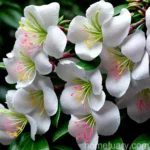
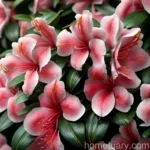
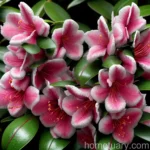
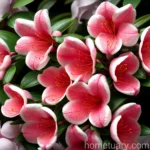
The plant typically reaches a height of 1 to 1.5 meters, and it’s characterized by its exquisite lavender-pink flowers, which bloom in early spring before the emergence of its foliage. These eye-catching flowers, along with its compact and bushy growth habit, make the Dahurian Rhododendron a popular choice for gardens, landscapes, and even containers.
Key Takeaways
Dahurian Rhododendron (Rhododendron dauricum)
- This plant is a deciduous shrub from the Rhododendron genus and the Ericaceae family.
- Native to Asia, specifically thriving in regions like Siberia, Mongolia, and northern China.
- Known for its resilience and ability to flourish in harsh environments.
- Typically grows to a height of 1 to 1.5 meters with lovely lavender-pink flowers that bloom in early spring.
Culture
Uses
The Dahurian Rhododendron has various landscape and gardening uses, making it a versatile and valued addition to outdoor spaces. Some common uses of the plant include:
– Garden Borders: The vibrant flowers and lush foliage of the Dahurian Rhododendron make it an excellent choice for garden borders, adding color and visual interest.
– Rock Gardens: Its compact growth habit and exquisite flowers make it an ideal plant for rock gardens, where it can thrive in well-drained soil and receive the required sunlight exposure.
– Container Planting: Due to its manageable size and attractive appearance, the Dahurian Rhododendron is suitable for container planting, allowing individuals to enjoy its beauty on patios, balconies, or other outdoor spaces.
Water
Adequate watering is crucial for the healthy growth of the Dahurian Rhododendron. The plant generally prefers moist, well-drained soil and benefits from regular watering, especially during dry periods. It’s essential to ensure that the soil remains consistently moist, but not waterlogged, to support the plant’s flourishing development.
Sunlight
The plant thrives in partial to full sunlight, making it essential to provide the adequate light conditions for optimal growth and blooming. When selecting a location for planting, it’s advisable to choose an area that receives sufficient sunlight, allowing the plant to flourish and produce its iconic flowers.
Fertilizer
Proper fertilization plays a significant role in promoting the health and vitality of the Dahurian Rhododendron. Employing a suitable acidic fertilizer designed for rhododendrons and azaleas can provide the necessary nutrients to support robust growth and prolific flowering. It’s recommended to follow the fertilizer manufacturer’s guidelines and apply the product as instructed to avoid overfertilization.
Soil
The soil requirements for the Dahurian Rhododendron are unique, as the plant thrives in acidic, well-drained soil. Acidic soil with a pH level between 4.5 and 6.0 is ideal for this species, ensuring that it can access essential nutrients and minerals necessary for its development. Additionally, incorporating organic matter into the soil can enhance its structure and fertility, contributing to the plant’s overall well-being.
Pruning
Proper pruning is an important aspect of maintaining the health and appearance of the Dahurian Rhododendron. Although this plant does not necessitate extensive pruning, some key pointers can assist in the process:
- Deadhead Spent Blooms: Removing spent flowers can encourage the plant to redirect its energy into growth and potential reblooming, promoting a neat and tidy appearance.
- Trimming Overgrown Branches: If the plant exhibits overgrown or straggly branches, light pruning can help maintain its shape and form, contributing to an attractive and well-maintained appearance.
Propagation
The propagation of the Dahurian Rhododendron can be achieved through various methods, allowing individuals to expand their collection or share this beautiful plant with others. Common propagation techniques include:
- Softwood Cuttings: Utilizing softwood cuttings taken from healthy, vigorous growth can facilitate the propagation process, enabling the production of new plants with identical qualities to the parent specimen.
- Layering: Layering involves encouraging the growth of roots on a stem that is still attached to the parent plant, ultimately allowing the rooted portion to be separated and established as a new plant.
Container Popularity
The Dahurian Rhododendron’s compact size, attractive flowers, and adaptable nature contribute to its popularity as a container plant. When grown in containers, this species offers individuals the opportunity to enjoy its beauty in various outdoor settings, such as patios, balconies, and courtyards. It’s important to select a suitable container with adequate drainage holes, as well as to utilize high-quality potting mix to support the plant’s growth and vitality.
Common Diseases
While the Dahurian Rhododendron is generally a resilient and hardy plant, it can be susceptible to certain diseases under unfavorable conditions. Some common diseases that may affect this species include:
- Powdery Mildew: This fungal disease can manifest as a powdery, white coating on the plant’s leaves, potentially leading to reduced vigor and aesthetic appeal.
- Leaf Spot: Leaf spot diseases can cause dark, irregular spots to develop on the plant’s foliage, impacting its overall health and appearance if left untreated.
Disease Diagnosis
Diagnosing diseases affecting the Dahurian Rhododendron involves careful observation and assessment of symptoms. It’s essential to inspect the plant regularly for any signs of abnormal discoloration, spotting, or unusual growth patterns. Upon identifying potential issues, prompt action, such as targeted treatments or preventive measures, can help mitigate the spread and impact of diseases.
Common Pests
Various pests may pose a threat to the health and well-being of the Dahurian Rhododendron, necessitating proactive pest management strategies to safeguard the plant. Some common pests that may affect this species include:
- Aphids: These tiny insects can cluster on the plant’s new growth, causing damage and potentially impacting its vitality and appearance.
- Spider Mites: Spider mites can infest the plant and cause stippling or discoloration on its leaves, affecting its overall aesthetic value.
Achieving effective pest control involves employing integrated pest management practices, which may include the use of natural predators, horticultural oils, or insecticidal soaps to manage pest populations while minimizing harm to beneficial organisms.
As a botanist, it’s important to understand the potential challenges that may arise due to diseases and pests and be prepared to address them in a way that supports the plant’s health and resilience.
Botanist’s Tips
- Selecting Suitable Growing Conditions: Choosing an appropriate planting location with the necessary sunlight exposure and soil characteristics is crucial to the thriving of Dahurian Rhododendrons.
- Consistent Moisture Management: Ensuring consistent moisture levels in the soil, especially during dry periods, can contribute to the plant’s overall health and flowering performance.
- Prudent Pruning Practices: Employing prudent pruning practices, such as deadheading spent blooms and managing overgrown branches, can help maintain the plant’s appearance and promote potential reblooming.
Fun Facts
- The Dahurian Rhododendron is a valuable nectar source for pollinators, attracting beneficial insects such as bees and butterflies.
- In some regions, the plant holds cultural significance and is utilized in traditional herbal remedies due to its perceived medicinal properties.
Links to External Resources
For further information on the Dahurian Rhododendron, including its cultivation, care, and attributes, explore the following resources:
In conclusion, the Dahurian Rhododendron stands as a captivating and resilient plant that offers remarkable ornamental value, making it an attractive choice for gardeners, landscapers, and plant enthusiasts. By understanding its unique needs and characteristics, individuals can cultivate and appreciate the beauty of this charming shrub, creating visually stunning and vibrant outdoor spaces.
References:
– Arneson, A. (2019). Rhododendron Diseases & Insect Pests. University of Maryland Extension. Link
– National Gardening Association. (n.d.). Rhododendron and Azalea Culture. Gardening Know How. Link