Rodgersia ‘Big Mama’: A Comprehensive Guide for Plant Enthusiasts
Rodgersia is a genus of herbaceous flowering plants native to the cool, moist woodlands and moist stream banks of eastern Asia and North America. One of the most intriguing species within this genus is Rodgersia ‘Big Mama’, known for its robust stature and striking foliage. In this comprehensive guide, we will explore the key characteristics of Rodgersia ‘Big Mama’, its cultural requirements, uses in landscaping, and tips for maintenance. Whether you are a seasoned gardener or a novice plant enthusiast, this guide will provide valuable insights into the cultivation and care of this beautiful perennial.
What is Rodgersia ‘Big Mama’?
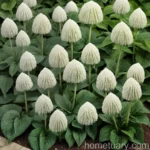
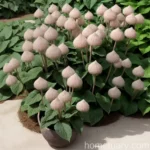
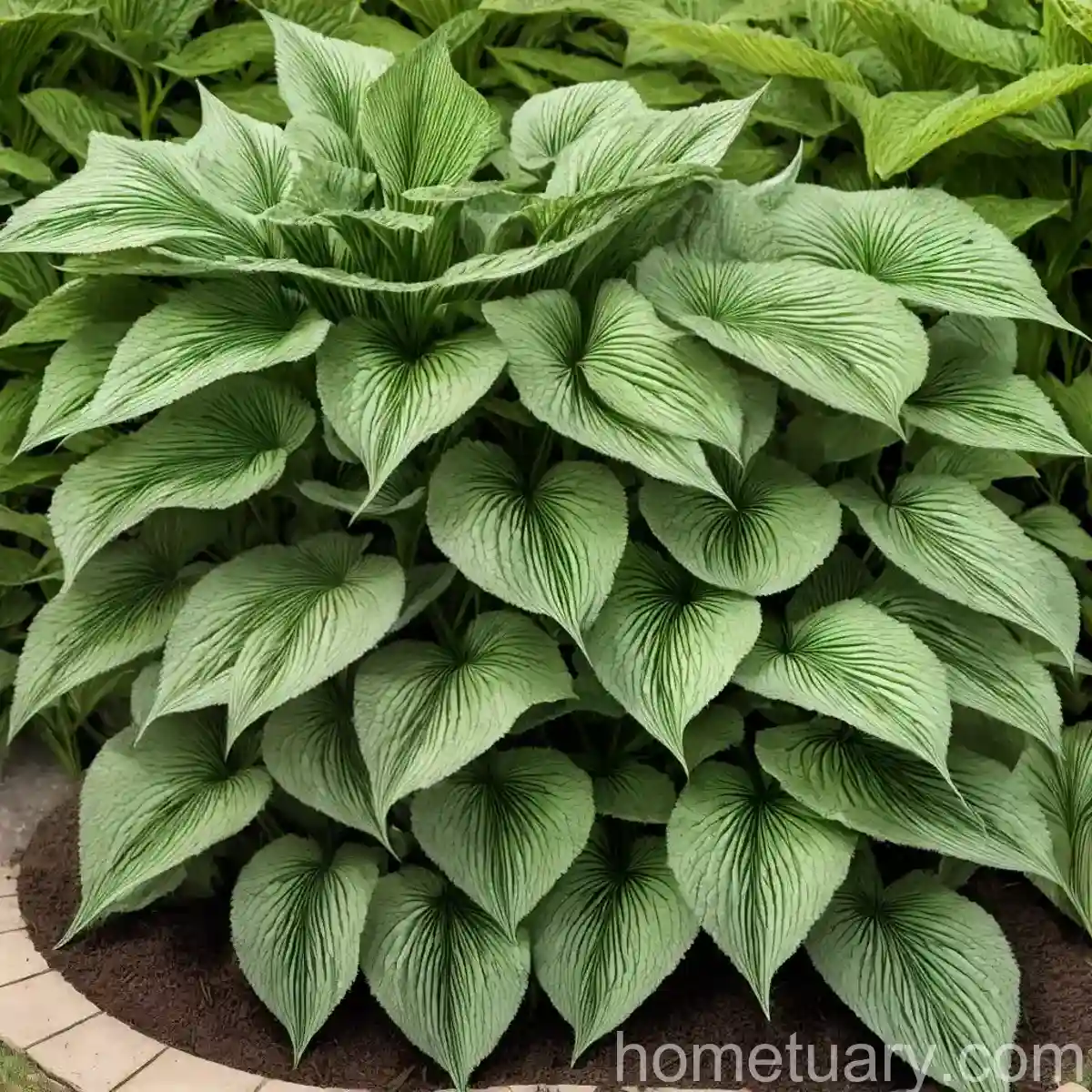
Rodgersia ‘Big Mama’ is a cultivar of the Rodgersia genus, which belongs to the Saxifragaceae family. This clump-forming perennial is prized for its large, bold foliage and elegant plume-like flowers. The unique visual appeal and low-maintenance nature of the plant make it a desirable addition to gardens and landscapes, particularly those with a preference for shade-loving perennials.
Key Takeaways – Rodgersia ‘Big Mama’
Before delving into the specifics of Rodgersia ‘Big Mama’, let’s highlight the key takeaways regarding this captivating plant:
- Plant Name: Rodgersia ‘Big Mama’
- Genus: Rodgersia
- Characteristics: Large, bold foliage and plume-like flowers
- Cultural Requirements: Shade, moist soil, and regular watering
- Uses: Landscaping, shade gardens, water features
- Maintenance: Low maintenance, with occasional pruning
- Growth Habit: Clump-forming perennial with a spreading nature
- Hardiness Zones: 5 to 7
- Height: 3 to 4 feet
- Spread: 4 to 6 feet
- Flowering: Late spring to early summer
Now, let’s delve deeper into the various aspects of Rodgersia ‘Big Mama’, including its cultural requirements, uses in landscaping, and tips for maintenance.
Culture
Water
Rodgersia ‘Big Mama’ thrives in consistently moist soil, making it an excellent choice for planting near water features, streams, or in rain gardens. While the plant enjoys moisture, it is important to ensure that the soil is well-draining to prevent waterlogging. During periods of drought or extreme heat, regular watering is essential to maintain the soil’s moisture levels. Applying a layer of organic mulch around the base of the plant can help retain moisture and regulate soil temperature.
Sunlight
In terms of sunlight requirements, Rodgersia ‘Big Mama’ prefers partial to full shade. The plant thrives in locations with dappled sunlight or areas that receive indirect light. In hotter climates, providing morning sunlight and afternoon shade can create an ideal environment for the plant to flourish. Excessive exposure to direct sunlight can lead to leaf scorch, particularly in regions with intense summer heat. Therefore, choosing a shaded location is vital for the health and vitality of Rodgersia ‘Big Mama’.
Fertilizer
When it comes to fertilization, Rodgersia ‘Big Mama’ appreciates the addition of organic matter to the soil. Before planting, amending the soil with compost or well-rotted manure can enhance its fertility and structure. During the growing season, applying a balanced, slow-release fertilizer can further support the plant’s growth and development. However, it is important to avoid excessive fertilization, as this can lead to lush foliage at the expense of flower production. Following the recommended dosage and frequency specified on the fertilizer label is crucial for the overall health of the plant.
Soil
The soil preferences of Rodgersia ‘Big Mama’ align with its natural habitat, favoring rich, moisture-retentive, and slightly acidic soils. A loamy, well-draining soil enriched with organic matter provides an optimal growing medium for the plant. The addition of organic mulch not only aids in moisture retention but also contributes to the improvement of soil structure over time. Regularly monitoring the soil’s moisture levels and making necessary amendments based on the specific requirements of Rodgersia ‘Big Mama’ is key to fostering its growth and longevity.
Uses
Landscaping
Rodgersia ‘Big Mama’ is a versatile plant that lends itself to a variety of landscaping applications. Its bold foliage and imposing presence make it an excellent option for shaded borders, woodland gardens, and waterside plantings. The architectural quality of the plant, combined with its preference for moist soil, allows it to thrive alongside ponds, streams, and in rain gardens. The impressive height and spread of the plant make it an effective choice for adding structure and visual interest to shaded areas within the landscape.
Water Features
The affinity of Rodgersia ‘Big Mama’ for moist conditions and its elegant appearance make it an ideal candidate for inclusion in water features and wetland gardens. The plant’s striking foliage and plume-like blooms create a captivating focal point when positioned alongside ponds, water gardens, or areas with natural water flow. Incorporating Rodgersia ‘Big Mama’ into water features not only enhances the aesthetic appeal of the setting but also supports the creation of a biodiverse and ecologically balanced environment.
Shade Gardens
Given its preference for partial to full shade, Rodgersia ‘Big Mama’ is well-suited for shade gardens and areas with limited direct sunlight. Planting it alongside other shade-loving perennials and under the canopy of trees can produce a visually pleasing and harmonious display. The large, textured leaves of Rodgersia ‘Big Mama’ create a sense of depth and dimension within shade gardens, adding a lush and verdant element to the surroundings.
Pruning
The maintenance requirements of Rodgersia ‘Big Mama’ are relatively minimal, with pruning being one of the primary tasks to consider. Pruning can be carried out in early spring to remove any damaged or decaying foliage from the previous season. This process also serves to tidy up the appearance of the plant and promote the emergence of new growth. Additionally, spent flower stalks can be removed once flowering has concluded to maintain a neat and tidy aesthetic. Overall, the pruning needs of Rodgersia ‘Big Mama’ are straightforward and contribute to the plant’s overall health and vigor.
Propagation
Propagating Rodgersia ‘Big Mama’ can be achieved through division, typically carried out in early spring as new growth begins to emerge. The process involves carefully lifting the plant and dividing the rhizomes into individual sections, ensuring that each division has sufficient roots and healthy growth points. These divisions can then be replanted in suitable locations, incorporating the same cultural requirements as the parent plant. With ample moisture and appropriate growing conditions, the newly propagated divisions will establish themselves and develop into robust plants over time.
Container Popularity
While Rodgersia ‘Big Mama’ is primarily cultivated in garden beds and naturalistic settings, it can also be grown successfully in containers. When selecting a container for the plant, it is important to choose a sizeable pot that accommodates the extensive root system of the plant. Using a high-quality, well-draining potting mix and ensuring regular watering is crucial for the success of Rodgersia ‘Big Mama’ in a container. Additionally, placing the container in a shaded location, such as a patio or shaded deck, aligns with the plant’s preference for partial to full shade.
Common Diseases
Rodgersia ‘Big Mama’ is relatively resilient to diseases, particularly when grown in favorable conditions and provided with adequate care. However, there are a few potential issues to be mindful of, including:
-
Powdery Mildew: Excessive moisture and poor air circulation can lead to the development of powdery mildew on the foliage of Rodgersia ‘Big Mama’. To mitigate this issue, maintaining proper spacing between plants, providing adequate air movement, and avoiding overhead watering can help prevent the onset of powdery mildew.
-
Leaf Spot: Under conditions of high humidity and prolonged leaf wetness, Rodgersia ‘Big Mama’ may be susceptible to fungal leaf spot diseases. Ensuring good air circulation, practicing proper watering techniques, and removing and disposing of any infected foliage can aid in preventing the spread of leaf spot.
Disease Diagnosis
When diagnosing potential diseases affecting Rodgersia ‘Big Mama’, it is essential to closely examine the foliage for any signs of discoloration, spots, or powdery residue. Additionally, assessing the growing conditions, including moisture levels, air circulation, and soil quality, can provide insights into the potential causes of any observed issues. Seeking guidance from local extension services or plant health experts can assist in accurately identifying and addressing any disease-related concerns.
Common Pests
Rodgersia ‘Big Mama’ is relatively resistant to pest infestations, owing to its robust nature and resistance to many common garden pests. However, occasional encounters with the following pests may occur:
-
Slugs and Snails: In environments with high humidity and moisture, slugs and snails can pose a threat to the foliage of Rodgersia ‘Big Mama’. Employing cultural control methods, such as removing debris and creating dry barriers around plantings, can help deter these pests. Additionally, using organic or chemical-based slug and snail controls can aid in managing infestations.
-
Japanese Beetles: In some regions, Japanese beetles may feed on the foliage of Rodgersia ‘Big Mama’, causing damage to the leaves. Employing physical removal methods and utilizing insecticidal controls targeted at Japanese beetles can help protect the plant from infestation and associated damage.
Botanist’s Tips
To ensure the optimal health and vibrancy of Rodgersia ‘Big Mama’, consider the following tips from plant experts and botanists:
-
Amend the Soil: Prior to planting, enrich the soil with well-rotted compost or manure to improve fertility and moisture retention.
-
Mulch Regularly: Applying a layer of organic mulch around the base of the plant can help maintain soil moisture and regulate temperature, while also suppressing weed growth.
-
Monitor Moisture Levels: Regularly check the soil’s moisture levels and water as needed to prevent drought stress and maintain ideal growing conditions for Rodgersia ‘Big Mama’.
-
Provide Adequate Shade: Ensure that the plant is situated in a location with partial to full shade to protect it from the harmful effects of direct sunlight.
-
Divide Periodically: As the plant matures, consider dividing it in early spring to rejuvenate growth and maintain vigor.
Fun Facts
Discover some fascinating and lesser-known facts about Rodgersia ‘Big Mama’:
-
Historical Uses: In traditional Asian medicine, certain species of Rodgersia were used for medicinal purposes, including treating conditions related to inflammation and pain.
-
Ornamental Appeal: The large, textured leaves of Rodgersia ‘Big Mama’ make it an excellent choice for adding visual interest and depth to shaded gardens and landscapes.
-
Wildlife Habitat: The flowers of Rodgersia ‘Big Mama’ attract pollinators, contributing to the creation of diverse and ecologically rich garden ecosystems.
-
Cultural Significance: In some cultures, certain species of Rodgersia are considered ornamental symbols and are used in ceremonial arrangements and displays.
Links to External Resources
For further information on Rodgersia ‘Big Mama’ and related topics, explore these valuable external resources:
- Royal Horticultural Society – Rodgersia ‘Big Mama’
- Missouri Botanical Garden – Rodgersia Cultivation and Care
- American Horticultural Society – Shade Gardening Tips
As a plant enthusiast, exploring the unique characteristics and cultural requirements of Rodgersia ‘Big Mama’ can inspire new landscaping ideas and provide insights into the diverse uses of this captivating perennial. By aligning with its preferences for shade, moisture, and rich soil, gardeners can create harmonious settings that celebrate the beauty and resilience of this exceptional plant.
Whether used as a striking focal point in a shaded garden or as a graceful companion to water features, Rodgersia ‘Big Mama’ offers a multitude of possibilities for enhancing the natural beauty of outdoor spaces. With its ornamental value, resilience, and ecological contributions, this remarkable plant has rightfully earned its place in gardens and landscapes around the world.