Rodgersia (Rodgersia aesculifolia): A Comprehensive Guide for Cultivation and Care
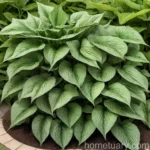
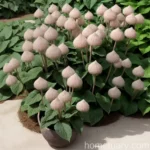
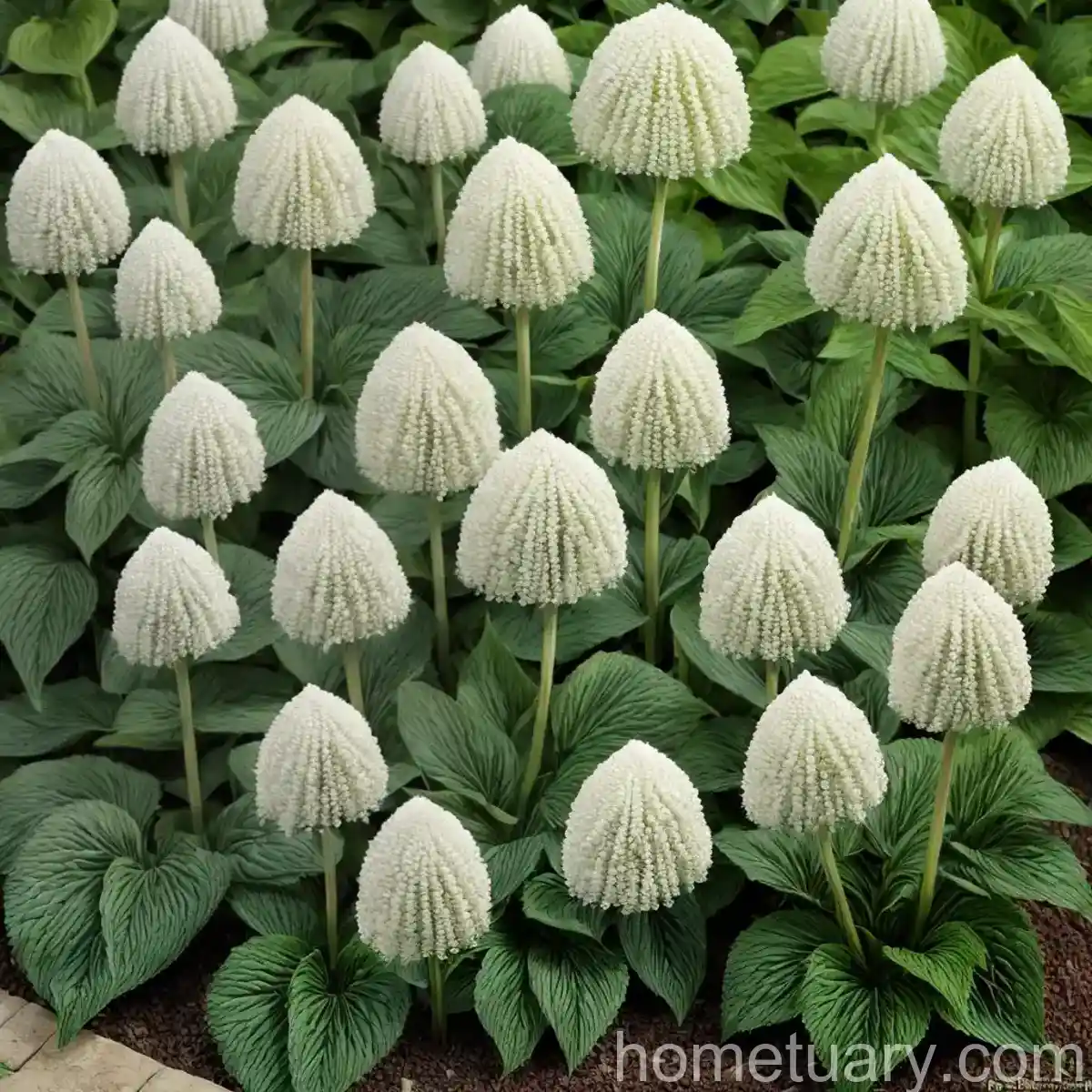
Rodgersia aesculifolia, commonly known as Rodgersia, is a striking perennial plant that adds elegance and texture to gardens and landscapes. Its large, palmate leaves and feathery plumes of tiny flowers make it a captivating addition to any garden setting. In this comprehensive guide, we will delve into the culture, uses, and care requirements of Rodgersia, offering valuable insights for both experienced and novice gardeners.
What is Rodgersia (Rodgersia aesculifolia)?
Rodgersia, a member of the Saxifragaceae family, is a herbaceous perennial native to China, Japan, and Korea. It is admired for its bold foliage and attractive blooms, making it a desirable choice for shaded or woodland gardens. The plant derives its name from Rear Admiral John Rodgers, a notable American naval officer, and it was introduced to the Western horticultural world in the late 19th century.
Key Takeaways – Rodgersia (Rodgersia aesculifolia)
As we embark on a journey to understand the intricacies of Rodgersia, it’s important to highlight key takeaways that will be covered in this guide:
- Rodgersia plant: Understanding the basic botanical characteristics and growth habits of Rodgersia.
- Cultivation and care: Exploring the essential requirements for cultivating and maintaining healthy Rodgersia plants.
- Uses: Exploring the diverse uses of Rodgersia in garden design and landscaping.
- Common diseases and pests: Identifying potential diseases and pests that may affect Rodgersia and appropriate control measures.
- Propagation: Learning about effective propagation techniques for increasing Rodgersia populations.
- Container gardening: Exploring the possibilities of growing Rodgersia in containers.
Now, let’s delve into the intricate details of Rodgersia cultivation, care, and utilization in gardening and landscaping.
Culture of Rodgersia (Rodgersia aesculifolia)
Understanding the cultural requirements of Rodgersia is essential for successfully growing and maintaining this stunning plant. From water and sunlight needs to soil and fertilization, each aspect plays a crucial role in the overall health and vigor of the plant.
Water
Rodgersia thrives in consistently moist soil, making it an excellent choice for locations with high humidity or areas that receive regular rainfall. When cultivating Rodgersia, it’s essential to ensure that the soil doesn’t dry out completely between waterings. In drier climates, supplemental irrigation may be necessary, particularly during warm summer months.
Sunlight
Rodgersia is particularly well-suited to partial shade or dappled sunlight, making it an ideal addition to woodland or shaded garden areas. While it can tolerate some sun, especially in cooler climates, prolonged exposure to direct sunlight can result in stress and leaf burn. Choosing a location with filtered light or morning sun and afternoon shade is optimal for promoting healthy growth and vibrant foliage.
Fertilizer
When it comes to fertilizer, Rodgersia benefits from rich, organic soils. Incorporating well-decomposed compost or organic matter into the soil during planting provides a nutrient-rich foundation for the plant’s growth. Additionally, applying a balanced, slow-release fertilizer in early spring can support healthy foliage and robust flowering.
Soil
Rodgersia thrives in moist, humus-rich soils with good drainage. A slightly acidic to neutral pH range of 5.5 to 6.5 is ideal for optimal growth. Amending the soil with organic matter, such as compost or well-rotted manure, not only enhances soil structure but also provides essential nutrients for the plant’s development.
Pruning
Soil
Rodgersia thrives in moist, humus-rich soils with good drainage. A slightly acidic to neutral pH range of 5.5 to 6.5 is ideal for optimal growth. Amending the soil with organic matter, such as compost or well-rotted manure, not only enhances soil structure but also provides essential nutrients for the plant’s development.
Pruning
Pruning plays a significant role in maintaining the health and aesthetics of Rodgersia plants. While the plant generally requires minimal pruning, removing spent flower stalks and yellowing or damaged leaves can help enhance its overall appearance. Additionally, dividing mature clumps every three to four years can invigorate plant growth and promote longevity.
Propagation
Rodgersia can be propagated through several methods, including division, seed sowing, and rhizome cuttings. Division is one of the most common and reliable techniques for increasing Rodgersia populations. This process involves carefully dividing mature clumps into smaller sections, each containing viable roots and growing points. Spring or early fall is an ideal time for division, allowing the newly established plants to acclimate before the onset of harsh weather conditions.
Container Gardening
Rodgersia is well-suited to container gardening, offering a striking focal point when grown in large, decorative pots. When cultivating Rodgersia in containers, it’s essential to select a well-draining, moisture-retentive potting mix to mimic its preferred soil conditions. Additionally, providing adequate water and ensuring proper drainage is crucial for sustaining healthy growth in container-grown Rodgersia plants.
Uses of Rodgersia (Rodgersia aesculifolia)
Rodgersia holds significant ornamental and functional value in garden design and landscaping. Its bold foliage and striking blooms contribute to a diverse range of applications, from border plantings and woodland gardens to water features and shaded landscapes. Let’s explore the various uses of Rodgersia in horticulture and visual aesthetics:
Garden Design and Landscaping
- Rodgersia as a Focal Point: The architectural form and impressive size of Rodgersia make it an ideal focal point in garden beds or borders, drawing attention and adding visual interest.
- Woodland Gardens: In shaded or woodland settings, Rodgersia thrives alongside ferns, hostas, and other shade-loving plants, creating lush and dynamic landscapes.
- Water Features: Given its affinity for moist soils, Rodgersia excels in waterside plantings and alongside ponds or streams, where its reflective foliage and delicate blooms enhance the scenic beauty of water features.
Foliage and Texture
- Foliage Contrast: The large, bold leaves of Rodgersia offer stark contrast when planted alongside finer-textured species, creating captivating visual arrangements.
- Seasonal Interest: The intricate foliage of Rodgersia provides year-round appeal, especially in regions with milder winter climates, where its evergreen nature adds substance to garden settings.
Companion Plantings
- Shade-Loving Companions: Rodgersia complements a wide array of shade-loving perennials and ferns, serving as a versatile backdrop for other garden specimens.
- Moisture-Loving Partners: When combined with plants that share similar moisture requirements, such as ligularia and astilbe, Rodgersia contributes to cohesive and harmonious plant groupings.
Common Diseases and Pests
While Rodgersia is generally resilient to pests and diseases, certain environmental conditions may lead to susceptibility to specific issues. Understanding common diseases and pests that affect Rodgersia is crucial for implementing effective preventative measures and targeted interventions.
Disease Diagnosis
- Leaf Spot: Prolonged periods of high moisture can lead to leaf spot diseases, resulting in the development of discolored or spotted foliage. Proper sanitation and adequate air circulation can aid in mitigating this issue.
- Powdery Mildew: In humid conditions, powdery mildew may affect Rodgersia, leading to the appearance of white, powdery patches on the foliage. Ensuring proper spacing and reducing leaf wetness can help prevent this fungal disease.
Common Pests
- Slugs and Snails: These mollusks are attracted to the lush foliage of Rodgersia, often causing damage by feeding on the leaves. Implementing physical barriers and natural deterrents can help manage slug and snail populations.
- Spider Mites: In hot, dry conditions, spider mites may infest Rodgersia, causing stippling and discoloration of the leaves. Maintaining adequate humidity levels and regular monitoring can aid in preventing severe infestations.
Botanist’s Tips
Fun Facts
- Herbal Uses: Rodgersia has been traditionally used in herbal medicine, with its rhizomes possessing antiseptic properties and being used for topical applications.
- Wildlife Habitat: The attractive blooms of Rodgersia serve as a valuable nectar source for pollinators, attracting bees, butterflies, and other beneficial insects to the garden.
Links to External Resources
As you expand your knowledge and explore the diverse facets of Rodgersia, consider delving into the following external resources for valuable insights:
- Royal Horticultural Society – Rodgersia Cultivation Guide
- Missouri Botanical Garden – Rodgersia aesculifolia Overview
- The American Horticultural Society – Gardening in the Shade
- The University of Minnesota Extension – Integrated Pest Management for Home Gardens
In Conclusion
Rodgersia (Rodgersia aesculifolia) stands as a captivating addition to garden landscapes, offering a harmonious blend of bold foliage and delicate blooms. With an understanding of its cultural requirements, uses in garden design, and potential challenges, gardeners can cultivate and showcase the inherent beauty of Rodgersia. By embracing the insights shared in this comprehensive guide, you can embark on a rewarding journey of Rodgersia cultivation and care, creating enchanting garden spaces that flourish with vitality and aesthetic allure.