Rhododendron ‘Windbeam’: A Comprehensive Guide to Care, Cultivation, and Maintenance
The Rhododendron ‘Windbeam’ is an exquisite shrub that boasts stunning and vibrant flowers, making it a popular choice for gardens and landscapes. This guide will delve into the intricacies of caring for and cultivating the Rhododendron ‘Windbeam’, providing valuable insights into its culture, uses, water, sunlight, fertilizer, soil, pruning, propagation, and container cultivation. Additionally, it will cover the plant’s popularity, common diseases, disease diagnosis, common pests, botanist’s tips, and fun facts. Whether you are a seasoned gardener or a novice enthusiast, this guide will equip you with the knowledge and expertise required to nurture and maintain the Rhododendron ‘Windbeam’ to its fullest potential.
What is Rhododendron ‘Windbeam’?
Rhododendrons belong to the genus Rhododendron, encompassing a diverse group of woody plants renowned for their spectacular and vibrant flowers. The ‘Windbeam’ variety, in particular, is prized for its stunning blossoms and remarkable resilience, making it a favored choice for gardens and landscapes worldwide.
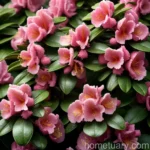
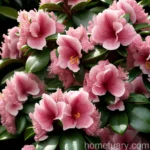
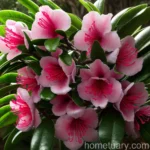
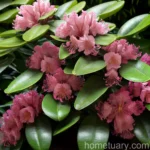
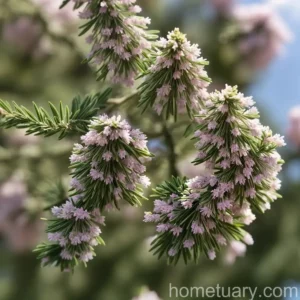
The Rhododendron ‘Windbeam’ is a compact, evergreen shrub that typically reaches a height and spread of 3 to 4 feet, rendering it ideal for both small and large gardens. Its glossy, deep-green foliage provides an attractive backdrop for the profusion of funnel-shaped flowers that adorn its branches. The flowers boast a delightful combination of delicate pink hues with pronounced veining, creating a mesmerizing display during the blooming season.
Key Takeaways – Rhododendron ‘Windbeam’
Before diving into the specific care and cultivation practices for the Rhododendron ‘Windbeam’, let’s outline the key takeaways for easy reference:
- Plant Name: Rhododendron ‘Windbeam’
- Botanical Name: Rhododendron ‘Windbeam’
- Plant Type: Evergreen shrub
- Height: 3 to 4 feet
- Spread: 3 to 4 feet
- Flower Color: Pink
- Foliage Color: Glossy, deep-green
With these key takeaways in mind, we can now explore the essential aspects of caring for and cultivating the Rhododendron ‘Windbeam’ to ensure its optimal growth and blossoming.
Culture
Cultivating the Rhododendron ‘Windbeam’ requires careful attention to its specific cultural requirements to promote healthy growth and prolific blooming. Understanding its preferences for water, sunlight, fertilizer, soil, and pruning is essential to fostering a thriving and vibrant shrub.
Uses
The Rhododendron ‘Windbeam’ is a versatile shrub that finds numerous applications in both residential and public landscapes. Its compact size and striking flowers make it an ideal choice for:
- Gardens: The ‘Windbeam’ variety serves as a captivating centerpiece or a stunning border plant in garden beds or along pathways.
- Landscapes: Its lush foliage and vibrant blossoms add visual interest and charm to landscape designs, enhancing the aesthetic appeal of outdoor spaces.
- Containers: Due to its manageable size, the Rhododendron ‘Windbeam’ thrives in containers, making it a valuable addition to patios, balconies, and rooftop gardens.
Water
Proper irrigation is crucial for the health and vitality of the Rhododendron ‘Windbeam’. While the shrub exhibits moderate drought tolerance once established, it thrives in consistently moist, well-drained soils. During periods of low rainfall or dry spells, it is imperative to provide supplemental watering to prevent water stress and promote optimal growth.
Watering Guidelines:
- Frequency: Water deeply and thoroughly, ensuring that the soil remains consistently moist but not waterlogged.
- Seasonal Variations: Increase watering during hot, dry conditions, and reduce frequency during cooler months to prevent waterlogging.
Sunlight
The ‘Windbeam’ variety thrives in partial to full sunlight, preferring dappled shade or filtered sunlight during the hottest part of the day. While it can tolerate some shade, providing ample sunlight is essential for promoting abundant flowering and robust growth.
Sunlight Requirements:
- Exposure: Plant in a location that receives morning sun and partial afternoon shade.
- Protection: Shield the shrub from intense midday sun to prevent leaf scorch and stress.
Fertilizer
Fertilization plays a pivotal role in enhancing the vigor and bloom production of the Rhododendron ‘Windbeam’. Providing a balanced and suitable fertilizer regimen helps fortify the shrub against nutrient deficiencies and encourages the development of lush foliage and prolific flowers.
Fertilizer Recommendations:
- Timing: Apply a slow-release, balanced fertilizer formulated for acid-loving plants in early spring before new growth emerges.
- Composition: Opt for a fertilizer with a formulation of approximately 10-10-10 or 8-8-8 to fulfill the shrub’s nutritional requirements.
- Application: Spread the fertilizer evenly around the base of the plant, avoiding direct contact with the stem or foliage.
Soil
The Rhododendron ‘Windbeam’ thrives in well-drained, acidic soils that are rich in organic matter. Ensuring the soil possesses the appropriate pH level and structure is paramount in supporting the shrub’s root development and overall vitality.
Soil Requirements:
- Acidity: Aim for a soil pH range of 4.5 to 6.0 to create an acidic environment conducive to the shrub’s growth.
- Structure: Use a well-draining, porous soil mix enriched with peat moss, pine bark, or leaf mold to enhance aeration and moisture retention.
Pruning
Pruning is an essential aspect of maintaining the Rhododendron ‘Windbeam’s size, shape, and vigor while promoting abundant flowering. Proper pruning techniques help rejuvenate the shrub, remove diseased or damaged growth, and shape it according to desired aesthetics.
Pruning Guidelines:
- Timing: Conduct light pruning immediately after flowering to remove spent blooms and shape the shrub.
- Techniques: Utilize sharp, sterile pruning shears to make precise cuts at a 45-degree angle, just above a leaf node or branch junction.
- Thinning: Thin out overcrowded or crossing branches to improve air circulation and sunlight penetration.
Propagation
Multiplying the Rhododendron ‘Windbeam’ through propagation enables gardeners to create new plants and expand their collection. Understanding and implementing suitable propagation methods can result in successful reproduction and establishment of this captivating shrub.
Propagation Techniques:
- Cuttings: Take softwood or semi-hardwood cuttings in early summer, treating them with a rooting hormone and providing optimal conditions for root development.
- Layering: Encourage the development of roots on a low-lying branch by applying rooting hormone and covering the wounded section with soil, eventually severing the rooted portion to create a new plant.
- Division: Propagate mature specimens by carefully dividing the root ball, ensuring each division possesses viable roots and foliage for transplantation.
Container Cultivation
The Rhododendron ‘Windbeam’ adapts well to container cultivation, making it an excellent choice for patios, balconies, and urban gardens. Whether grown in pots or planter boxes, providing suitable care and maintenance is essential for ensuring the shrub’s well-being and productivity.
Container Considerations:
- Size: Select a spacious container with adequate drainage holes, allowing ample room for the shrub’s root development.
- Soil: Fill the container with a well-draining, acidic potting mix tailored for acid-loving plants, ensuring proper aeration and moisture retention.
- Placement: Position the container in a location that receives partial sunlight and shields the shrub from intense heat and wind exposure.
Popularity
The Rhododendron ‘Windbeam’ enjoys widespread popularity among gardening enthusiasts and landscapers due to its captivating attributes and adaptability to various settings. Its enchanting flowers, durable nature, and manageable size contribute to its widespread appeal and integration into diverse horticultural endeavors.
Common Diseases
While the Rhododendron ‘Windbeam’ is generally resilient, it is susceptible to certain diseases that can impact its growth and vitality. Familiarizing oneself with common diseases and their associated symptoms is instrumental in implementing preventive measures and timely interventions.
Common Diseases:
- Powdery Mildew: Manifests as a powdery, white coating on the foliage, typically in humid conditions with poor air circulation.
- Phytophthora Root Rot: Causes wilting, yellowing foliage, and decline, often due to waterlogged or poorly drained soil.
- Leaf Spot: Presents as dark or discolored spots on the leaves, potentially leading to defoliation and reduced vigor.
Disease Diagnosis
Recognizing and diagnosing diseases affecting the Rhododendron ‘Windbeam’ is essential for implementing targeted treatment and prevention strategies. Observing the shrub’s symptoms and understanding disease progression aids in accurate diagnosis and effective management.
Diagnosis Steps:
- Symptom Observation: Identify any unusual changes in foliage color, texture, or growth patterns, including spots, wilting, or fungal growth.
- Environmental Assessment: Evaluate the soil drainage, sunlight exposure, and air circulation around the shrub to pinpoint potential contributing factors.
- Professional Consultation: Seek guidance from horticultural experts or plant pathologists if uncertain about disease identification or control measures.
Common Pests
Several pests pose potential threats to the health and vigor of the Rhododendron ‘Windbeam’, necessitating vigilance and proactive pest management strategies to mitigate infestations and protect the shrub from damage.
Common Pests:
- Spider Mites: Small arachnids that may cause stippling, webbing, and overall decline in plant health.
- Azalea Lace Bug: Feeds on the undersides of leaves, resulting in stippled or discolored foliage and reduced photosynthetic capacity.
- Weevils: Adult weevils and their larvae can cause characteristic notching on the leaf margins, impacting the shrub’s aesthetics and functionality.
Botanist’s Tips
Incorporating expert insights and botanist’s tips into the care and cultivation of the Rhododendron ‘Windbeam’ can enhance the success and satisfaction of growing this exquisite shrub. Leveraging professional guidance and best practices can optimize the plant’s performance and aesthetics.
Botanist’s Tips:
- Mulching: Apply a layer of organic mulch around the base of the shrub to conserve moisture, suppress weeds, and insulate the root zone.
- Air Circulation: Ensure adequate spacing between plants and proper pruning to facilitate air circulation, reducing the risk of fungal diseases and pest infestations.
- Monitoring: Regularly inspect the shrub for signs of stress, disease, or pest activity, promptly addressing any issues to prevent escalation.
Fun Facts
Discovering intriguing and whimsical facts about the Rhododendron ‘Windbeam’ can deepen one’s appreciation for this remarkable plant and broaden one’s enthusiasm for its cultivation and stewardship.
Fun Facts:
- The name “Rhododendron” originates from the Greek words “rhodon,” meaning rose, and “dendron,” meaning tree, aptly describing the shrub’s profusion of rose-like blooms.
- The Rhododendron ‘Windbeam’ is a member of the Ericaceae family, which also encompasses blueberries, azaleas, and heathers, highlighting its kinship with diverse and celebrated plants.
- In addition to its ornamental value, various species of rhododendrons have been utilized in traditional medicine and cultural practices, showcasing the plant’s historical significance beyond its horticultural appeal.
Links to External Resources
For further in-depth information on the Rhododendron ‘Windbeam’ and related topics, explore the following external resources:
- American Rhododendron Society: https://www.rhododendron.org/
- Royal Horticultural Society – Rhododendrons: https://www.rhs.org.uk/plants/search-results?query=rhododendron
- The Rhododendron Species Foundation and Botanical Garden: http://www.rhodygarden.org/
In conclusion, the Rhododendron ‘Windbeam’ stands as a captivating and resilient shrub that enriches gardens, landscapes, and private spaces with its striking flowers and enduring foliage. By understanding and implementing the recommended care practices, enthusiasts and horticulturists can nurture and appreciate the beauty and vitality of this remarkable plant, fostering a harmonious alliance between nature and cultivation.
Remember, successful gardening and cultivation is a journey of continuous learning and adaptation, and embracing the intricacies of plants like the Rhododendron ‘Windbeam’ enriches that journey with wonder and fulfillment. Happy gardening!