All about Rhododendron Maximum (Great Laurel)
Rhododendron maximum, commonly known as Great Laurel, is a beautiful and versatile shrub that belongs to the heath family, Ericaceae. It is native to the Appalachian Mountains in the eastern United States and thrives in woodland areas and along streams. The Great Laurel is cherished for its large, glossy, deep green leaves and impressive clusters of pink, purple, or white flowers that bloom in the late spring or early summer. Its striking evergreen foliage and magnificent blossoms make it a popular choice for both landscaping and gardening. In this comprehensive guide, we will explore everything you need to know about Rhododendron maximum, from its cultural requirements to common uses, diseases, and maintenance tips.
What is Rhododendron Maximum (Great Laurel)?
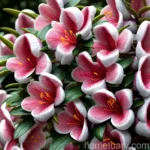
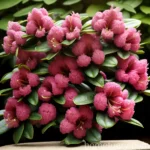
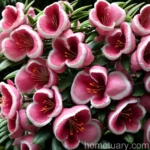
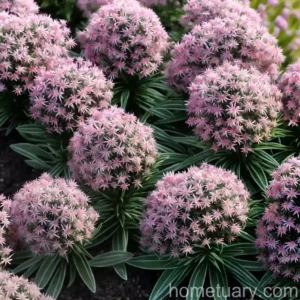
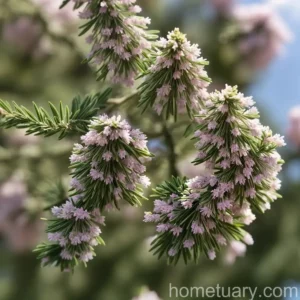
Rhododendron maximum, also known as the Great Laurel or Rosebay Rhododendron, is a species of rhododendron that typically grows as a large, multi-stemmed shrub. It is characterized by its broad, elliptical leaves, which are dark green and lustrous on the upper surface and pale and finely hairy on the lower surface. The flowers of Rhododendron maximum are showy and appear in dense, rounded clusters. They can range in color from light pink to rosy purple and white, creating a stunning display during the blooming season.
This species is known for its ability to thrive in shady, moist woodland environments, making it an excellent choice for gardens and landscapes with similar conditions. The plant is valued not only for its ornamental beauty but also for its ability to attract pollinators such as bees and butterflies, adding to the ecological significance of this lovely shrub.
Key Takeaways – Rhododendron Maximum (Great Laurel)
Before delving into the specific aspects of Rhododendron maximum care and cultivation, let’s outline the key takeaways that will guide our exploration of this captivating plant:
- Rhododendron maximum is a species of rhododendron known for its large, glossy, deep green leaves and impressive clusters of pink, purple, or white flowers that bloom in late spring or early summer.
- It is characterized by its broad, elliptical leaves, which are dark green and lustrous on the upper surface and pale and finely hairy on the lower surface.
- The flowers of Rhododendron maximum are showy and appear in dense, rounded clusters, ranging in color from light pink to rosy purple and white.
- It thrives in shady, moist woodland environments and is valued for its ornamental beauty and ability to attract pollinators such as bees and butterflies.
Now that we have a basic understanding of the Great Laurel’s appearance and natural habitat, let’s dive into the specific cultural requirements, uses, maintenance tips, and more to help you successfully grow and enjoy this stunning shrub.
Culture
Cultivating Rhododendron maximum requires a good understanding of its cultural needs, including water, sunlight, soil, and fertilizer requirements. Proper cultural practices will ensure that the plant remains healthy and vibrant, producing an abundance of beautiful flowers and foliage.
Water
One of the most critical aspects of Rhododendron maximum care is ensuring adequate water supply, especially during periods of drought or when the plant is establishing itself in a new location. The following guidelines can help you effectively manage the water needs of your Great Laurel:
- Consistent Moisture: Rhododendron maximum thrives in moist, well-drained soil. It is important to maintain consistent moisture around the root zone, especially during dry spells, to support healthy growth and flowering.
- Mulching: Applying a layer of organic mulch, such as pine bark or wood chips, around the base of the plant helps retain soil moisture and regulate soil temperature, creating an optimal environment for the roots.
- Avoid Waterlogging: While maintaining moisture is essential, it is equally important to prevent waterlogging, as excessive water can lead to root rot and other detrimental conditions. Ensure that the soil is well-drained to avoid water accumulation around the root system.
By implementing these water management practices, you can provide the ideal growing conditions for your Rhododendron maximum, promoting lush foliage and abundant blooms.
Sunlight
Understanding the sunlight requirements of Rhododendron maximum is crucial for creating an optimal growing environment for this shade-loving shrub. While it thrives in shaded areas, it also has specific sunlight preferences that should be taken into account:
- Filtered Shade: Great Laurel prefers partial to full shade, particularly in the afternoon when the sun is most intense. It thrives under the dappled light of tall trees or in locations with eastern or northern exposure, where it receives gentle morning sunlight.
- Protection from Harsh Sun: When planting Rhododendron maximum, it is important to shield it from direct, intense sunlight, which can scorch the leaves and cause stress to the plant. Situating it in a spot with filtered light and protection from hot afternoon sun will promote healthy growth and flowering.
By providing the appropriate balance of shade and gentle sunlight, you can ensure the overall well-being of your Rhododendron maximum and promote its ornamental qualities.
Fertilizer
Proper fertilization is essential for maintaining the vigor and health of Rhododendron maximum. By providing the plant with the necessary nutrients, you can support robust growth and enhance its ability to produce striking blooms. When fertilizing your Great Laurel, consider the following recommendations:
- Acidic Fertilizer: Rhododendron maximum thrives in acidic soil conditions, so it is important to use a fertilizer specifically formulated for acid-loving plants. Look for a balanced, slow-release fertilizer designed for rhododendrons, azaleas, and other ericaceous plants. These fertilizers are typically labeled as “azalea, camellia, rhododendron” or “acid-loving plant” fertilizers.
- Application Timing: Fertilize your Rhododendron maximum in early spring, just before new growth begins, to provide it with the essential nutrients it needs for the upcoming growing season. Avoid fertilizing late in the season, as this can stimulate new growth that may be susceptible to winter damage.
- Conservative Approach: When applying fertilizer, follow the recommended dosage according to the product instructions. Over-fertilizing can harm the plant and lead to excessive foliage growth at the expense of flowering.
By choosing the right fertilizer and applying it at the appropriate time and rate, you can promote the overall health and vitality of your Rhododendron maximum, enhancing its visual appeal and floral abundance.
Soil
Rhododendron maximum has specific soil requirements that are crucial for its successful cultivation. By understanding and addressing these soil needs, you can create an optimal growing medium for your Great Laurel. Follow these guidelines for soil preparation and maintenance:
- Acidic Soil: Great Laurel thrives in acidic soils with a pH ranging from 4.5 to 6.0. It is important to ensure that the soil is sufficiently acidic to support the plant’s nutrient uptake and overall health. Conduct a soil test to determine the pH of your soil, and amend it as needed to achieve the ideal acidity level.
- Organic Matter: Incorporating organic matter, such as compost, peat moss, or well-rotted pine bark, into the soil can improve its texture and drainage while enhancing its acidic composition. This organic amendment also provides essential nutrients and promotes a favorable environment for the roots.
- Well-Drained Medium: Rhododendron maximum is sensitive to waterlogged conditions, so it is important to ensure that the soil is well-drained. Amending heavy clay soils with organic matter and creating raised beds can improve drainage and prevent water stagnation around the roots.
By addressing the soil requirements of Rhododendron maximum, you can establish a favorable growing environment and support the plant’s long-term health and vitality.
Pruning
Pruning is an essential aspect of maintaining the shape, size, and overall appearance of Rhododendron maximum. Proper pruning practices also help improve airflow and light penetration within the plant, reducing the risk of diseases and promoting healthy growth. Consider the following guidelines for pruning your Great Laurel:
- Timing: The best time to prune Rhododendron maximum is immediately after flowering, typically in late spring or early summer. This allows you to remove spent flower clusters and shape the plant without interfering with the formation of next year’s flower buds.
- Selective Pruning: Focus on selectively removing dead, damaged, or crowded branches to promote improved air circulation and maintain an attractive form. Use sharp, clean pruning shears to make precise cuts without causing unnecessary stress to the plant.
- Avoid Drastic Pruning: Great Laurel does not respond well to severe pruning, so it is important to exercise restraint and avoid excessively reducing the size of the plant. Prune with care, maintaining the natural growth habit and structure of the shrub while removing only what is necessary.
By adhering to proper pruning practices and timing, you can enhance the aesthetic appeal and overall health of your Rhododendron maximum, encouraging vigorous growth and prolific flowering.
Propagation
Propagating Rhododendron maximum allows you to expand your collection of these beautiful shrubs and share them with fellow gardening enthusiasts. There are several methods of propagating Great Laurel, including seed propagation, cuttings, and layering. Let’s explore these propagation techniques in more detail:
Seed Propagation
Propagating Rhododendron maximum from seeds is a rewarding but time-consuming process that requires patience and attention to detail. Follow these steps to successfully grow Great Laurel from seeds:
- Seed Collection: Collect mature seed capsules from existing plants once they have turned brown. Harvest the capsules and extract the small, dark seeds within.
- Seed Preparation: Clean the seeds by removing any remaining plant material, and then stratify them in a moistened, sterile medium in refrigerated storage for several weeks to mimic the natural conditions required for germination.
- Germination: Plant the stratified seeds in a tray or container filled with a well-draining, acidic seed-starting mix. Provide the seeds with appropriate moisture, warmth, and light to initiate germination.
Cuttings
Taking stem cuttings from healthy, vigorous plants is another effective method of propagating Rhododendron maximum. Here’s how you can propagate Great Laurel from cuttings:
- Selection and Preparation: Choose a healthy, non-flowering stem from the parent plant, and cut a 4- to 6-inch section just below a leaf node. Remove the lower leaves to expose the nodes and dip the cut end in a rooting hormone to encourage root development.
- Rooting Medium: Plant the cuttings in a well-draining, sterile rooting medium, such as a mix of peat moss and perlite, and keep them consistently moist to support root formation.
- Rooting Environment: Provide the cuttings with high humidity and warmth by covering them with a clear plastic dome or placing them in a propagator to create an ideal rooting environment.
Layering
Layering is a simple and effective method of propagating Rhododendron maximum by encouraging the plant to form roots while still attached to the parent plant. Follow these steps to propagate Great Laurel through layering:
- Selection and Encouragement: Identify a low-hanging, flexible stem on the parent plant and wound a small section of it by scraping away the bark or making a shallow cut. Apply a rooting hormone to the wounded area to stimulate root development.
- Soil Contact: Bury the wounded section of the stem in a shallow trench filled with a well-draining, acidic soil medium, leaving the exposed and wounded portion beneath the surface while securing the stem in place with a small stake or rock.
- Root Formation: Keep the layered stem consistently moist and monitor the development of roots. Over time, the stem will produce roots at the wounded area, establishing a new plant that can be separated from the parent once the roots are sufficiently developed.
By utilizing these propagation methods, you can expand your collection of Rhododendron maximum and share the beauty of Great Laurel with others, whether through seeds, cuttings, or layering.
Container Popularity
In addition to being a staple in landscapes and woodland gardens, Rhododendron maximum is also a popular choice for container gardening. Growing this magnificent shrub in containers offers several advantages, whether you have limited space, want to enjoy its beauty on a patio or balcony, or simply prefer the flexibility that container gardening provides. Consider the following factors that contribute to the container popularity of Great Laurel:
- Versatility: Rhododendron maximum adapts well to container culture, allowing you to showcase its stunning foliage and blooms in various outdoor settings, from small urban gardens to expansive country retreats.
- Space Optimization: Container planting is an excellent option for those with limited outdoor space, as it enables you to grow Rhododendron maximum in a confined area, such as a balcony, terrace, or courtyard, while still reaping the aesthetic benefits of the plant.
- Mobility: Growing Rhododendron maximum in containers provides the flexibility to position the plant in different locations to optimize its growing conditions or enhance specific outdoor settings, such as entryways, patios, or outdoor seating areas.
By choosing to grow Rhododendron maximum in containers, you can elevate the visual appeal of your outdoor living spaces and create captivating focal points using this enchanting shrub.
Container Cultivation Tips
When cultivating Rhododendron maximum in containers, certain considerations are essential to ensure the plant’s well-being and longevity. Follow these container cultivation tips to create an optimal growing environment for Great Laurel in pots:
- Container Selection: Choose a spacious container with adequate drainage holes to promote good soil aeration and prevent waterlogging. Select a container that provides ample room for the roots to develop and is made from durable, weather-resistant materials.
- Potting Mix: Use a high-quality, acidic potting mix designed for rhododendrons, azaleas, or acid-loving plants. Avoid using standard potting soils, as they may not provide the required acidity and drainage for Rhododendron maximum.
- Watering and Maintenance: Pay close attention to the moisture needs of the plant, ensuring that the soil remains consistently moist but not waterlogged. Regularly check the soil moisture, especially during hot, dry weather, and maintain an appropriate watering schedule to support healthy growth.
- Overwintering: In colder climates, consider protecting container-grown Rhododendron maximum from freezing temperatures by relocating the containers to a sheltered area, wrapping them with insulating materials, or providing additional winter protection.
By following these container cultivation tips, you can successfully grow and enjoy Rhododendron maximum in containers, enhancing your outdoor living spaces with its captivating presence and beauty.
Uses
Rhododendron maximum offers a wide range of uses, both practical and ornamental, making it a versatile and valuable addition to gardens, landscapes, and natural habitats. Explore the diverse uses of Great Laurel, from landscaping and gardening to its ecological significance and aesthetic appeal.
Landscaping
Great Laurel is a prized choice for landscaping projects due to its impressive size, evergreen foliage, and spectacular blooms, which provide year-round interest and enhance the visual appeal of outdoor spaces. Consider the following landscaping uses for Rhododendron maximum:
- Privacy Screening: Use Rhododendron maximum as a natural screen or boundary plant to create privacy and seclusion in gardens, courtyards, or along property lines. The dense, glossy foliage and abundant clusters of flowers offer an effective barrier while adding beauty to the landscape.
- Shade Gardens: Great Laurel thrives in shaded environments, making it an excellent addition to woodland gardens, alongside understory trees, or in areas with filtered light. Its tolerance for shade and moist soil creates opportunities for creative landscaping designs that emphasize a lush, natural aesthetic.
- Foundation Planting: Incorporate Rhododendron maximum as a foundational element in landscape designs, using its broad, evergreen leaves and vibrant flowers to create a visually striking backdrop for homes, buildings, or architectural features.
By integrating Rhododendron maximum into landscaping projects, you can introduce an element of natural beauty and elegance while enhancing the overall appeal of outdoor environments.
Gardening
In addition to its use in landscaping, Rhododendron maximum is well-suited for gardening applications, whether in traditional garden beds, woodland gardens, or container plantings. Its ornamental features and ecological benefits make it a valuable asset in various gardening scenarios:
- Woodland Gardens: Great Laurel is a natural fit for woodland gardens due to its preference for shaded, moist conditions and its compatibility with native plant communities. Use it to create scenic woodland settings, underplanting trees or alongside other shade-loving plants.
- Accent Planting: Incorporate Rhododendron maximum as a focal point in garden beds or borders, where its large, glossy leaves and eye-catching flowers can command attention and provide visual interest.
- Container Gardens: Grow Rhododendron maximum in containers to bring its striking beauty to patios, balconies, or outdoor living spaces, adding a touch of elegance and color to potted arrangements.
Whether utilized in large-scale landscaping projects or small-scale gardening endeavors, Rhododendron maximum offers an array of uses that cater to diverse preferences and design goals, enriching outdoor environments with its natural charm.
Ecological Significance
Beyond its ornamental and practical uses, Rhododendron maximum holds ecological significance as a valuable component of native ecosystems and a supporter of diverse wildlife. The plant contributes to the ecological balance and biodiversity in various ways:
- Wildlife Habitat: The dense, evergreen foliage and nectar-rich flowers of Great Laurel provide shelter and food for a variety of wildlife, including birds, butterflies, and pollinators. Its presence in natural habitats supports local ecosystems and contributes to the well-being of native fauna.
- Erosion Control: Rhododendron maximum plays a role in erosion control due to its extensive root system and ability to stabilize soil on slopes and woodland areas, reducing the risk of erosion and preserving natural landscapes.
By acknowledging the ecological significance of Rhododendron maximum, we can further appreciate its value in sustaining and enhancing the natural environment in which it thrives.
Common Diseases
While Rhododendron maximum is a relatively low-maintenance plant, it is susceptible to certain diseases that can affect its overall health and appearance. By being aware of these common diseases, you can take proactive measures to prevent and manage them, ensuring the long-term vitality of your Great Laurel. Familiarize yourself with the following common diseases of Rhododendron maximum:
Leaf Spot
Leaf spot is a common fungal disease that affects many species of rhododendron, including Rhododendron maximum. It is characterized by the appearance of dark, irregular lesions on the leaves, which may cause them to turn yellow, brown, or black. Leaf spot can weaken the plant and make it more susceptible to other stress factors.
Phytophthora Root Rot
Phytophthora root rot is a serious soilborne disease caused by various species of the Phytophthora fungus. It can lead to root rot and subsequent decline of the entire plant, particularly in poorly drained or waterlogged soil. Symptoms include wilting, yellowing or browning of leaves, and a general decline in plant vigor.
Powdery Mildew
Powdery mildew is a fungal disease that forms a powdery, white coating on the surfaces of leaves