The Pacific Rhododendron: A Botanical Marvel
Introduction
Rhododendron macrophyllum, commonly known as the Pacific Rhododendron, is a striking evergreen shrub celebrated for its captivating floral displays and ornamental foliage. Belonging to the Ericaceae family, this remarkable plant is native to the western regions of North America, including British Columbia, Washington, and Oregon. In this comprehensive guide, we will delve into the various aspects of Rhododendron macrophyllum, exploring its cultural requirements, uses, propagation techniques, and much more. Through this journey, we aim to provide valuable insights and practical tips for nurturing and appreciating the beauty of this remarkable species.
What is Rhododendron macrophyllum?
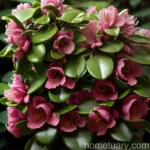
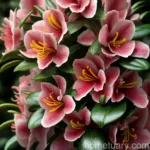
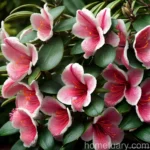
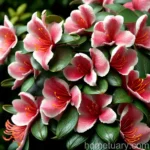
Rhododendron macrophyllum, or the Pacific Rhododendron, is a species of flowering plant characterized by its large, leathery leaves and stunning clusters of vibrant blooms. This evergreen shrub typically reaches heights of 5 to 15 feet, creating a magnificent presence in gardens and landscapes.
Key Takeaways – Rhododendron macrophyllum (Pacific Rhododendron)
- Scientific Name: Rhododendron macrophyllum
- Common Name: Pacific Rhododendron
- Family: Ericaceae
- Native Range: Western North America
- Habit: Evergreen shrub
- Distinct Features: Large, leathery leaves and vibrant clusters of blooms
Culture
Cultivating Rhododendron macrophyllum involves catering to its specific cultural requirements to ensure optimal growth and stunning floral displays.
Uses
- Ornamental: The Pacific Rhododendron is primarily cultivated for its ornamental value, adding beauty and elegance to garden landscapes.
- Wildlife Habitat: The plant also serves as a habitat and food source for various wildlife, contributing to ecological diversity in its native habitats.
Water
Maintaining adequate soil moisture is crucial for the healthy growth of Rhododendron macrophyllum. While the plant appreciates consistent moisture levels, it is essential to avoid waterlogging, which can lead to root rot.
Sunlight
The Pacific Rhododendron thrives in partially shaded to fully shaded locations, making it an ideal choice for understory planting in woodland gardens or shaded areas of the landscape.
Fertilizer
When it comes to fertilization, a balanced, acidic fertilizer formulated for rhododendrons and azaleas can be applied in spring, following the recommendations on the product label. Additionally, incorporating organic matter into the soil can provide essential nutrients for the plant’s vigor and growth.
Soil
Pacific Rhododendrons thrive in well-draining, acidic soils with a pH range of 4.5 to 6.0. Amending the soil with organic matter, such as peat moss or compost, can further enhance its growing conditions.
Pruning
Pruning Pacific Rhododendrons is generally performed to shape the plant, remove dead or diseased wood, and encourage a bushy growth habit. Pruning should be undertaken after the plant has finished flowering to avoid impacting the following year’s bloom.
Propagation
The propagation of Rhododendron macrophyllum can be achieved through various methods such as:
- Seeds: Collecting and germinating seeds from mature capsules.
- Cuttings: Propagating from semi-hardwood cuttings under controlled conditions.
- Layering: Encouraging the formation of new roots on stems while still attached to the parent plant.
Container Popularity
Pacific Rhododendron is also a popular choice for container gardening, allowing enthusiasts to appreciate its beauty on patios, balconies, and small urban spaces.
Common Diseases
While the Pacific Rhododendron is relatively resilient, it may be susceptible to certain diseases, including:
- Powdery Mildew
- Leaf Spot
- Root Rot
Disease Diagnosis
Prompt diagnosis of diseases is essential for implementing effective control measures. Symptoms such as discolored foliage, fungal growth, or wilting can indicate potential issues that need to be addressed.
Common Pests
Pacific Rhododendrons may encounter pest infestations, with some of the common pests including:
- Aphids
- Spider Mites
- Thrips
Botanist’s Tips
Maintaining a vigilant eye on the plant’s health and promptly addressing any signs of disease or pest infestation can significantly contribute to its overall well-being.
Fun Facts
Here are a few intriguing facts about Rhododendron macrophyllum:
– Native Beauty: The Pacific Rhododendron is celebrated as the state flower of Washington.
– Longevity: With proper care, these exceptional plants can live for several decades, becoming timeless additions to gardens.
Links to External Resources
To further delve into the captivating world of the Pacific Rhododendron, you can explore the following external resources:
– American Rhododendron Society
– Royal Horticultural Society – Rhododendrons
– University of British Columbia Botanical Garden
– Pacific Rhododendron Research Network
Pacific Rhododendron: A Botanical Marvel
The enchanting beauty and remarkable characteristics of Rhododendron macrophyllum, the Pacific Rhododendron, make it a coveted addition to gardens and landscapes. Through attentive care, appreciation of its ornamental value, and understanding its unique cultural requirements, enthusiasts can experience the splendor of this captivating species. Whether it’s the vibrant blooms or the lush foliage, the Pacific Rhododendron continues to be a botanical marvel, captivating the hearts of nature lovers and garden enthusiasts alike.