rhododendron (Rhododendron ‘Pink Dawn’): A Comprehensive Guide
In the world of gardening, few plants captivate the imagination and inspire awe quite like the rhododendron. With its stunning blooms, lush foliage, and exceptional adaptability, the rhododendron has endeared itself to gardeners and plant enthusiasts the world over. Among the diverse array of rhododendron varieties, the ‘Pink Dawn’ stands out for its captivating pink flowers and resilient nature.
In this comprehensive guide, we will delve into the world of the ‘Pink Dawn’ rhododendron, exploring its unique characteristics, ideal growing conditions, care requirements, and much more. Whether you’re a seasoned horticulturalist or a novice gardener, this guide will equip you with the knowledge and insights needed to cultivate and appreciate the exquisite beauty of the ‘Pink Dawn’ rhododendron.
What is rhododendron (Rhododendron ‘Pink Dawn’)?
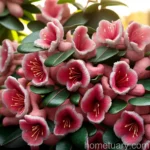
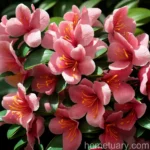
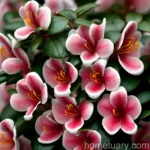
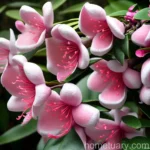
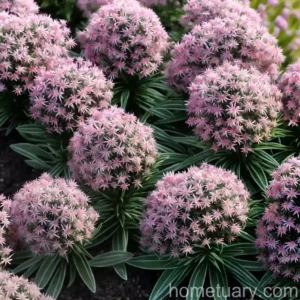
The ‘Pink Dawn’ rhododendron, scientifically classified as Rhododendron ‘Pink Dawn’, is a stunning cultivar renowned for its delicate pink flowers and compact growth habit. Belonging to the genus Rhododendron within the family Ericaceae, this evergreen shrub is prized for its ornamental value and is a popular choice for gardens, landscapes, and woodland settings.
Key Takeaways – rhododendron (Rhododendron ‘Pink Dawn’)
Before we delve into the specifics of the ‘Pink Dawn’ rhododendron, let’s consider some key takeaways that will guide our exploration of this enchanting plant:
- Plant Name: Rhododendron ‘Pink Dawn’
- Botanical Classification: Rhododendron
- Common Name: Pink Dawn rhododendron
- Flower Color: Pink
- Foliage: Evergreen
- Growth Habit: Compact, mounded
- Hardiness Zones: 4-8
- Mature Height: 4-6 feet
- Mature Spread: 4-6 feet
- Uses: Ornamental, landscaping, containers
- Ideal Conditions: Partial shade, acidic soil, well-drained
With these key takeaways in mind, let’s embark on a comprehensive journey into the world of the ‘Pink Dawn’ rhododendron, exploring its culture, uses, care requirements, and more.
Culture
Uses
The ‘Pink Dawn’ rhododendron offers a myriad of uses, making it a versatile and valuable addition to any garden or landscape. Some of its primary uses include:
- Ornamental Feature: The exquisite pink blooms of the ‘Pink Dawn’ rhododendron make it a striking ornamental feature in gardens and landscapes. Whether planted as a focal point or integrated into mixed borders, this cultivar adds visual interest and charm to outdoor spaces.
- Landscape Accent: With its compact growth habit and attractive foliage, the ‘Pink Dawn’ rhododendron serves as an ideal landscape accent. Its lush, evergreen foliage provides year-round appeal, while its profusion of pink flowers elevates the aesthetic appeal of any outdoor setting.
- Container Planting: Due to its manageable size and ornamental value, the ‘Pink Dawn’ rhododendron is well-suited for container planting. Whether adorning patios, decks, or entryways, container-grown ‘Pink Dawn’ rhododendrons make a captivating statement.
Water
Proper watering is essential for the health and vitality of the ‘Pink Dawn’ rhododendron. While it is crucial to maintain consistent soil moisture, it is equally important to avoid waterlogged conditions, which can lead to root rot and other moisture-related issues. When it comes to watering the ‘Pink Dawn’ rhododendron, consider the following guidelines:
- Establishment: During the establishment phase, newly planted ‘Pink Dawn’ rhododendrons require regular watering to encourage root development. Keep the soil consistently moist, but not waterlogged, during the first growing season.
- Mature Plants: Once established, ‘Pink Dawn’ rhododendrons benefit from regular watering, especially during dry periods. When watering, ensure that the soil is adequately moistened to a depth of 4-6 inches.
- Moisture Levels: On average, ‘Pink Dawn’ rhododendrons prefer moist, well-drained soil. Mulching around the base of the plant can help retain soil moisture and regulate temperature.
Sunlight
The ‘Pink Dawn’ rhododendron thrives in partial shade to filtered sunlight, making it an excellent choice for gardens and landscapes with dappled light conditions. While it can tolerate some morning sun, it is best to protect this cultivar from intense afternoon sun, which can scorch its foliage and compromise its overall health.
When siting ‘Pink Dawn’ rhododendrons, consider the following sunlight requirements:
- Partial Shade: An ideal location for ‘Pink Dawn’ rhododendrons is beneath high-canopy trees or in areas with filtered sunlight. This ensures that the plants receive sufficient light without being exposed to direct, intense sunlight.
- Protection from Afternoon Sun: Given its sensitivity to intense sunlight, it is advisable to shield ‘Pink Dawn’ rhododendrons from the harsh rays of the afternoon sun. This can be achieved through strategic placement and careful consideration of the plant’s microclimate.
Fertilizer
Proper fertilization is essential for promoting healthy growth and vibrant blooms in ‘Pink Dawn’ rhododendrons. When it comes to fertilizing this cultivar, it is important to select a formulation specifically designed for acid-loving plants, as rhododendrons thrive in acidic soil conditions. Here are some fertilizer guidelines for ‘Pink Dawn’ rhododendrons:
- Acid-Loving Fertilizer: Utilize a fertilizer formulated for acid-loving plants, with an ideal N-P-K ratio conducive to rhododendron growth and flower development. Look for formulations with a balanced ratio such as 10-8-6 or 12-6-8, enriched with micronutrients and organic matter.
- Application Timing: Apply fertilizer to ‘Pink Dawn’ rhododendrons in early spring, before new growth emerges. Avoid late-season fertilization, as this can stimulate tender growth that may be susceptible to frost damage.
- Even Distribution: When applying fertilizer, ensure even distribution around the drip line of the plant, avoiding direct contact with the trunk or stems. Water the fertilizer in thoroughly to facilitate nutrient uptake.
Soil
The ‘Pink Dawn’ rhododendron thrives in well-drained, acidic soil with a pH range of 5.0 to 5.5, making it essential to provide optimal soil conditions for this cultivar. Additionally, the soil should be rich in organic matter and have a loose, friable texture to support healthy root development and overall plant vigor.
Consider the following soil considerations when cultivating ‘Pink Dawn’ rhododendrons:
- Acidic pH: Test the soil pH to ensure that it falls within the ideal range for rhododendrons. If the soil is too alkaline, amendments such as elemental sulfur or acidifying fertilizers can be used to lower the pH and create a more hospitable environment for ‘Pink Dawn’ rhododendrons.
- Organic Matter: Incorporate organic matter such as compost, peat moss, or well-rotted leaf mold into the soil to enhance its structure and nutrient content. Organic amendments aid in moisture retention and nutrient availability, contributing to the overall health of ‘Pink Dawn’ rhododendrons.
- Drainage: Optimal drainage is essential for ‘Pink Dawn’ rhododendrons, as waterlogged soil can lead to root rot and other detrimental conditions. Amending the soil with coarse materials such as perlite or pine bark can improve drainage and aeration.
Pruning
Proper pruning is a key component of ‘Pink Dawn’ rhododendron care, as it helps maintain an attractive growth habit, promotes airflow, and encourages abundant blooms. Pruning should be undertaken with precision and care to ensure the long-term health and vigor of the plant. Here are some pruning guidelines for ‘Pink Dawn’ rhododendrons:
- Timing: Prune ‘Pink Dawn’ rhododendrons immediately after flowering to avoid removing potential flower buds for the following year. Early summer is an optimal time for pruning, as it allows the plant to recover and set buds for the next season.
- Deadheading: Remove spent flowers promptly to redirect the plant’s energy towards new growth and bud formation. Deadheading also enhances the aesthetic appeal of the plant by preventing the formation of seedpods.
- Selective Pruning: Trim back errant or crossing branches to maintain a balanced and open growth habit. Aim to create a well-aerated canopy that allows light to penetrate and promotes overall plant health.
Propagation
Propagation of ‘Pink Dawn’ rhododendrons can be achieved through various methods, including cutting propagation and layering. Both approaches can yield successful results when carried out with care and attention to detail. Here’s an overview of propagation methods for ‘Pink Dawn’ rhododendrons:
- Cutting Propagation: Obtain semi-hardwood cuttings from healthy, disease-free branches of the ‘Pink Dawn’ rhododendron in mid- to late summer. Dip the cut ends in a rooting hormone and place the cuttings in a well-draining propagation medium. Provide bottom heat and consistent moisture to facilitate rooting.
- Layering: Air layering or simple layering can be employed to propagate ‘Pink Dawn’ rhododendrons. Select a low-hanging branch and wound a section of the stem to promote root formation. Secure the wounded area with moist sphagnum moss and wrap it with plastic to maintain moisture. Once roots have developed, the new plant can be separated and transplanted.
Container Popularity
The ‘Pink Dawn’ rhododendron is prized for its compact growth habit and ornamental value, making it a popular choice for container planting. Whether in patio containers, decorative pots, or raised planters, ‘Pink Dawn’ rhododendrons thrive in containerized environments, provided that their specific care requirements are met.
Advantages of container planting for ‘Pink Dawn’ rhododendrons include:
- Versatility: Containerized ‘Pink Dawn’ rhododendrons can be positioned in various outdoor settings, offering flexibility in design and placement.
- Space Considerations: For gardeners with limited space, container planting allows for the cultivation of ‘Pink Dawn’ rhododendrons on patios, balconies, and other confined areas.
- Ease of Maintenance: Containerized plants can be monitored and cared for more easily, allowing for targeted watering, fertilization, and pruning as needed.
Common Diseases
‘Pink Dawn’ rhododendrons, like other members of the genus Rhododendron, are susceptible to certain diseases that can affect their overall health and vigor. Recognizing the signs and symptoms of common rhododendron diseases is essential for timely intervention and management. Some prevalent diseases that may affect ‘Pink Dawn’ rhododrons include:
- Phytophthora Root Rot: A widespread soil-borne disease, phytophthora root rot can cause wilting, yellowing foliage, and overall decline in ‘Pink Dawn’ rhododendrons. Proper drainage and cultural practices are key in preventing the onset of this destructive disease.
- Powdery Mildew: Characterized by a white, powdery film on the leaves, powdery mildew can detract from the aesthetic appeal of ‘Pink Dawn’ rhododendrons. Adequate airflow and appropriate fungicidal treatments can mitigate the impact of this fungal disease.
- Botryosphaeria Canker: This fungal infection can result in dieback, cankers, and wilting in affected branches of ‘Pink Dawn’ rhododendrons. Pruning out infected areas and promoting plant vitality through proper care practices are integral to managing this disease.
Recognizing the symptoms and implementing preventative measures can help safeguard ‘Pink Dawn’ rhododendrons from the detrimental effects of these and other common diseases.
Disease Diagnosis
Diagnosing diseases in ‘Pink Dawn’ rhododendrons requires attentive observation and an understanding of the distinct symptoms associated with various plant pathogens. When assessing the health of ‘Pink Dawn’ rhododendrons, consider the following diagnostic techniques:
- Visual Inspection: Thoroughly examine the foliage, stems, and overall plant appearance for any anomalies or abnormalities. Look for discoloration, spots, wilting, or other signs of distress.
- Symptomatic Analysis: Identify specific symptoms such as leaf spots, cankers, wilting, or deformities and research potential causes. Compare observed symptoms with known disease profiles to make an informed diagnosis.
- Professional Consultation: If in doubt about the health of ‘Pink Dawn’ rhododendrons, seek the expertise of a horticulturist, arborist, or plant pathologist who can provide accurate diagnosis and recommendations for disease management.
Prompt diagnosis and targeted intervention are crucial for mitigating the impact of diseases on ‘Pink Dawn’ rhododendrons and restoring their vigor.
Common Pests
In addition to diseases, ‘Pink Dawn’ rhododendrons may encounter pests that can compromise their health and vitality. Vigilance and proactive management are essential for controlling pest infestations and safeguarding the well-being of these ornamental plants. Some potential pests that may affect ‘Pink Dawn’ rhododendrons include:
- Azalea Lace Bug: These small, winged insects can cause stippling and discoloration on the foliage of ‘Pink Dawn’ rhododendrons, leading to diminished aesthetic appeal and reduced photosynthetic capacity.
- Caterpillars: Certain caterpillar species may feed on the foliage of ‘Pink Dawn’ rhododendrons, resulting in defoliation and stress for the plants. Timely detection and intervention can mitigate the impact of caterpillar infestations.
- Spider Mites: These minuscule arachnids can infest ‘Pink Dawn’ rhododendrons, causing stippling and webbing on the foliage. Regular monitoring and targeted control measures are essential for managing spider mite populations.
By remaining vigilant and implementing effective pest management strategies, gardeners can protect ‘Pink Dawn’ rhodododendrons from the damaging effects of pest infestations.
Botanist’s Tips
As a plant scientist with a passion for rhododendrons, I have gleaned valuable insights and tips for cultivating and caring for ‘Pink Dawn’ rhododendrons. Drawing from my expertise and experience, I offer the following botanist’s tips for maximizing the health and beauty of ‘Pink Dawn’ rhododendrons:
- Microclimate Assessment: Assess the specific microclimate of the intended planting area, taking into account factors such as light exposure, soil moisture, and air movement. Understanding the microclimate can inform optimal plant placement and care.
- Seasonal Care: Tailor care practices to the changing seasons, from adequate watering and fertilization in spring and summer to protective measures and preparation for winter dormancy. Seasonal adjustments can optimize the growth and resilience of ‘Pink Dawn’ rhododendrons.
- Diversity in Planting: Consider complementary plantings to enhance the visual appeal and ecological balance around ‘Pink Dawn’ rhododendrons. Companion plants such as ferns, heucheras, and tiarellas can enrich the landscape and provide a harmonious backdrop for these ornamental shrubs.
By embracing these botanist’s tips and infusing a holistic approach into ‘Pink Dawn’ rhododendron care, gardeners can elevate the overall health and aesthetic impact of their plantings.
Fun Facts
In addition to their ornamental allure and cultural significance, ‘Pink Dawn’ rhododendrons offer fascinating dimensions that enrich the horticultural experience. Delight in the following fun facts about ‘Pink Dawn’ rhododendrons:
- Symbolism: In certain cultures, rhododendrons symbolize beauty, grace, and romance, adding a layer of cultural significance to their presence in gardens and landscapes.
- Habitat Diversity: The genus Rhododendron encompasses diverse habitats, from mountainous regions to coastal environments, showcasing the adaptability and resilience of these plants.
- Hybridization Artistry: The development of ‘Pink Dawn’ and other rhododendron cultivars represents a blend of horticultural skill and artistry, as breeders strive to create plants with unique aesthetics and desirable traits.
These fun facts underscore the captivating nature of ‘Pink Dawn’ rhododendrons and their capacity to inspire wonder and appreciation among plant enthusiasts.
Links to External Resources
For further exploration and enrichment of your knowledge about ‘Pink Dawn’ rhododendrons, I recommend delving into the following external resources:
- The American Rhododendron Society
- Royal Horticultural Society – Rhododendron and Azalea
- American Horticultural Society – Rhododendron Care and Culture
These resources offer valuable insights, expert guidance, and a wealth of information to deepen your understanding of ‘Pink Dawn’ rhododendrons and their broader horticultural context.
By delving into the intricacies of the ‘Pink Dawn’ rhododendron, we have embarked on a captivating journey that unveils the charm, resilience, and horticultural allure of this exceptional plant. As gardeners and plant enthusiasts, may we continue to nurture and celebrate the splendor of ‘Pink Dawn’ rhododendrons, embracing their enchanting blooms and enduring beauty.
References
- The American Rhododendron Society. (n.d.). https://www.rhododendron.org/
- Royal Horticultural Society. (n.d.). Rhododendron and Azalea
- American Horticultural Society. (n.d.). Rhododendron Care and Culture