Lungwort (Pulmonaria saccharata ‘Leopard’): A Fascinating Plant for Your Garden
Lungwort (Pulmonaria saccharata ‘Leopard’) is a delightful and distinctive perennial plant that can add beauty and interest to your garden. This unique plant is known for its attractive spotted leaves and early spring blooms, making it a popular choice for shady areas and woodland gardens. In this comprehensive guide, we will delve into the culture, uses, care, and maintenance of the Lungwort (Pulmonaria saccharata ‘Leopard’). From water and sunlight requirements to soil and fertilizer needs, as well as propagation methods and common diseases, we will cover everything you need to know about cultivating and enjoying this captivating plant.
What is Lungwort (Pulmonaria saccharata ‘Leopard’)?
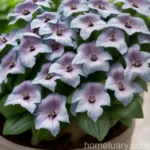
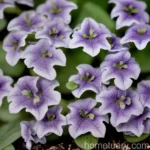
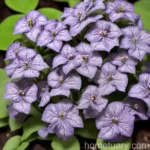
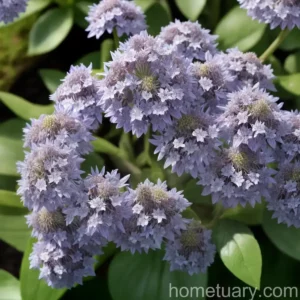
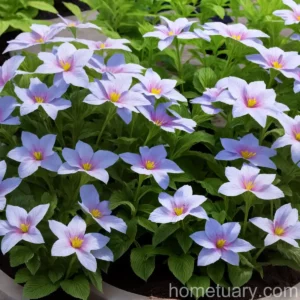
Lungwort, scientifically known as Pulmonaria saccharata ‘Leopard’, is a charming and versatile perennial plant that belongs to the Boraginaceae family. This eye-catching plant is valued for its distinctive foliage, which features silver-spotted leaves and silver and green areas which provide a unique and attractive contrast. In addition to its striking leaves, Lungwort also produces beautiful pink and blue flowers that emerge in early spring, adding a splash of color to the garden when few other plants are in bloom.
Key Takeaways – Lungwort (Pulmonaria saccharata ‘Leopard’)
Before we delve into the specific aspects of lungwort cultivation and care, let’s take a look at the key takeaways for this fascinating plant:
- Scientific Name: Pulmonaria saccharata ‘Leopard’
- Common Names: Lungwort ‘Leopard,’ Leopard Lungwort, Leopard Plant
- Plant Type: Perennial
- Characteristics: Variegated foliage, spotted leaves, early spring blooms
- Growing Conditions: Shade-loving, deer-resistant
- Uses: Garden borders, woodland gardens, containers, pollinator-friendly gardens
- Maintenance: Low-maintenance, disease-resistant
- Water Requirements: Moderate
- Sunlight: Partial to full shade
- Soil Type: Well-draining, rich in organic matter
- Hardiness Zone: 3-8
Now that we have an overview of what Lungwort (Pulmonaria saccharata ‘Leopard’) is, let’s explore the culture, uses, and care requirements for this distinctive plant.
Culture
Cultivating Lungwort (Pulmonaria saccharata ‘Leopard’) involves providing the right growing conditions and care to ensure that the plant thrives and remains healthy. From soil and sunlight requirements to water and fertilizer needs, understanding the culture of this plant is essential for its successful growth.
Uses
The Lungwort (Pulmonaria saccharata ‘Leopard’) has several uses in the garden, making it a versatile and valuable addition to any landscape. Some of the common uses of this plant include:
-
Garden Borders: The variegated foliage and early spring blooms make Lungwort an excellent choice for garden borders, where it can add color and texture to the landscape.
-
Woodland Gardens: Lungwort thrives in shady areas, making it well-suited for woodland gardens. The plant’s spotted leaves and delicate flowers create a charming woodland aesthetic.
-
Containers: Due to its low-maintenance nature and attractive appearance, Lungwort can be grown in containers, adding visual interest to patios, balconies, and other outdoor spaces.
-
Pollinator-Friendly Gardens: The early spring blooms of Lungwort make it a valuable addition to pollinator-friendly gardens, providing a food source for bees and other beneficial insects.
-
Deer-Resistant Landscapes: Lungwort is known for its resistance to deer, making it an ideal choice for gardens where deer browsing is a concern.
Water
Proper watering is essential for the health and vigor of Lungwort (Pulmonaria saccharata ‘Leopard’). While this plant is relatively low-maintenance once established, it is important to provide consistent moisture, especially during dry periods. Here are some key points to consider regarding water requirements:
-
Regular Watering: Lungwort benefits from regular watering, especially during dry spells. Aim to keep the soil consistently moist but not waterlogged.
-
Mulching: Applying a layer of mulch around the base of the plant can help retain soil moisture and reduce the frequency of watering.
-
Avoid Overhead Watering: To prevent fungal diseases, it is best to water the plant at the base rather than using overhead irrigation.
Sunlight
Lungwort (Pulmonaria saccharata ‘Leopard’) is well-adapted to shady growing conditions, making it an excellent choice for gardens with limited sunlight. Understanding the sunlight requirements of this plant is crucial for its overall health and performance.
-
Partial to Full Shade: Lungwort thrives in partial to full shade, making it an ideal option for areas with dappled or indirect sunlight. Avoid planting Lungwort in full sun, as this can scorch the leaves and cause the plant to wilt.
-
Morning Sun and Afternoon Shade: In regions with more intense sunlight, providing morning sun and afternoon shade can help protect the plant from heat stress.
Fertilizer
Applying the right type and amount of fertilizer can support the healthy growth and development of Lungwort (Pulmonaria saccharata ‘Leopard’). Here are some guidelines for fertilizing this plant:
-
Organic Matter: Lungwort benefits from soil that is rich in organic matter. Amending the soil with compost or well-decomposed manure can provide the plant with essential nutrients.
-
Balanced Fertilizer: Applying a balanced, slow-release fertilizer in early spring can help promote strong foliage growth and abundant flowering.
-
Avoid Excessive Fertilization: While Lungwort benefits from nutrient-rich soil, it is important to avoid over-fertilizing, as this can lead to excessive foliage at the expense of flowers.
Soil
The soil in which Lungwort (Pulmonaria saccharata ‘Leopard’) is planted plays a significant role in the plant’s overall health and vitality. Understanding the soil requirements for this plant is crucial for successful cultivation.
-
Well-Draining Soil: Lungwort thrives in well-draining soil that allows excess water to flow away from the root zone. Avoid planting this species in areas prone to waterlogging.
-
pH Level: Lungwort prefers slightly acidic to neutral soil with a pH range of 6.0-7.5. Conduct a soil test to determine the pH of the planting area and make adjustments as needed.
-
Organic Matter: Incorporating organic matter such as compost or leaf mold into the soil can improve moisture retention and provide essential nutrients for the plant.
Pruning
Pruning plays a key role in maintaining the health, shape, and appearance of Lungwort (Pulmonaria saccharata ‘Leopard’). Proper pruning practices can help rejuvenate the plant, remove spent flowers, and control its size. Here are some key points to consider when pruning Lungwort:
-
Deadheading: Removing spent flowers can promote additional blooming and prevent self-seeding, helping the plant conserve energy for new growth.
-
Spring Cleanup: In early spring, prune back any damaged or winter-killed foliage to encourage fresh, healthy growth.
-
Dividing: Over time, Lungwort can become crowded, leading to reduced vigor and flowering. Dividing the plant every 3-5 years can help rejuvenate its growth and prevent overcrowding.
-
Caution: While Lungwort is generally low-maintenance, it is essential to avoid over-pruning, as this can reduce the plant’s ability to photosynthesize and produce energy.
Propagation
Lungwort (Pulmonaria saccharata ‘Leopard’) can be propagated through several methods, including division, seed sowing, and stem cuttings. Understanding the propagation techniques for this plant can allow you to expand your Lungwort collection or share this lovely species with fellow gardening enthusiasts.
Division
Dividing mature Lungwort plants is a straightforward method of propagation that can help maintain the vigor and vitality of the species. Here’s how to propagate Lungwort through division:
-
Timing: The best time to divide Lungwort is in early spring before new growth emerges or in early fall once flowering has finished.
-
Digging: Carefully dig up the entire plant, ensuring that the root system remains intact.
-
Separation: Gently separate the root mass into individual sections, each containing healthy roots and several shoots.
-
Replanting: Plant the divided sections at the same depth as the original plant, ensuring that the soil is gently compacted around the roots.
-
Watering: Provide adequate water to the newly divided plants to promote establishment.
Seed Sowing
Growing Lungwort from seed can be a rewarding way to introduce new plants to your garden. Here’s how to propagate this species through seed sowing:
-
Harvesting Seeds: Collect mature seeds from existing Lungwort plants once the seed heads have dried and turned brown.
-
Seed Stratification: Lungwort seeds benefit from a period of cold stratification to break dormancy. Place the seeds in a moistened medium and refrigerate for 4-6 weeks.
-
Sowing Seeds: Sow the stratified seeds in a seed-starting mix, covering them lightly with the growing medium.
-
Moisture and Light: Keep the soil consistently moist and provide indirect light for the germinating seeds.
-
Transplanting: Once the seedlings have developed several sets of true leaves, they can be transplanted into individual pots or the garden.
Stem Cuttings
Propagating Lungwort through stem cuttings is an effective method for producing new plants with the same characteristics as the parent plant. Here’s how to propagate Lungwort using stem cuttings:
-
Cutting Selection: Select healthy, non-flowering stems for propagation, and take 4-6 inch cuttings with a sharp, clean knife or pruners.
-
Preparing Cuttings: Remove the lower set of leaves from the cutting and dip the cut end in a rooting hormone powder to encourage root development.
-
Planting Cuttings: Plant the cuttings in a well-draining potting mix, ensuring that at least half of the cutting is inserted into the growing medium.
-
Rooting Environment: Place the potted cuttings in a warm, bright location with indirect light and maintain consistent moisture.
-
Transplanting: Once the cuttings have developed roots, they can be transplanted into individual pots or the garden.
Container Popularity
Lungwort (Pulmonaria saccharata ‘Leopard’) is well-suited for container cultivation, making it a popular choice for gardeners with limited space or those looking to create attractive displays on patios, balconies, or other outdoor areas. When growing Lungwort in containers, there are several key factors to consider to ensure the plant’s success and longevity.
Container Selection
Choosing the right container is essential for growing Lungwort (Pulmonaria saccharata ‘Leopard’) effectively. Consider the following factors when selecting a container for this plant:
-
Size and Depth: Select a container that provides ample space for the plant’s root system to expand. A depth of at least 12 inches is recommended to accommodate the roots and promote healthy growth.
-
Drainage Holes: Ensure that the container has adequate drainage holes to prevent waterlogging and promote soil aeration.
-
Material: While Lungwort is adaptable to various container materials, such as plastic, ceramic, or terra cotta, it is essential to select a material that retains moisture without becoming waterlogged.
Potting Mix
Choosing a suitable potting mix is crucial for the successful growth of Lungwort in containers. Consider the following characteristics when selecting a potting mix for this plant:
-
Well-Draining: Choose a potting mix that provides excellent drainage to prevent waterlogging, which can lead to root rot.
-
Nutrient-Rich: Opt for a potting mix that is enriched with organic matter and essential nutrients to support the plant’s growth and flowering.
-
pH Level: Lungwort prefers a slightly acidic to neutral pH, so select a potting mix with a pH range of 6.0-7.5.
-
Moisture Retention: While adequate drainage is essential, the potting mix should also retain moisture to ensure consistent soil moisture for the plant.
Maintenance
Container-grown Lungwort (Pulmonaria saccharata ‘Leopard’) requires regular maintenance to promote healthy growth and prevent potential issues. Here are some key aspects of maintaining Lungwort in containers:
-
Watering: Monitor soil moisture regularly and water the plant when the top inch of the soil feels dry to the touch. Avoid overwatering, as this can lead to root rot.
-
Fertilization: Apply a balanced, slow-release fertilizer to container-grown Lungwort in early spring to provide essential nutrients for strong growth and flowering.
-
Pruning: Remove spent flowers and yellowing foliage to maintain the plant’s appearance and encourage additional blooms.
-
Repotting: Every 2-3 years, consider repotting Lungwort into a slightly larger container to provide ample space for its root system.
Common Diseases
Lungwort (Pulmonaria saccharata ‘Leopard’) is relatively resistant to diseases, but it can be susceptible to certain issues under unfavorable growing conditions. Recognizing and addressing common diseases is crucial for maintaining the health and vitality of this plant.
Powdery Mildew
Powdery mildew is a fungal disease that can affect Lungwort, especially in humid or poorly ventilated conditions. Recognizing the symptoms and taking preventive measures are essential for managing this disease:
-
Symptoms: White, powdery patches on the leaves, which can lead to leaf distortion and reduced photosynthesis.
-
Preventive Measures: Ensure proper air circulation around the plant, avoid overhead watering, and remove and destroy affected plant material to prevent the spread of the disease.
-
Treatment: If powdery mildew is detected, apply a fungicidal spray labeled for powdery mildew control according to the manufacturer’s instructions.
Leaf Spot
Leaf spot diseases can affect Lungwort, causing circular or irregular spots on the leaves and impacting the plant’s overall appearance. Here’s how to manage leaf spot diseases:
-
Symptoms: Dark, water-soaked spots on the leaves, which may develop a fuzzy or slimy texture over time.
-
Preventive Measures: Ensure proper spacing between plants to promote air circulation, avoid overhead watering, and remove and destroy affected leaves to prevent the spread of the disease.
-
Treatment: If leaf spot diseases are observed, apply a fungicidal spray labeled for leaf spot control following the manufacturer’s recommendations.
Disease Diagnosis
Disease diagnosis is an essential aspect of maintaining the health and vigor of Lungwort (Pulmonaria saccharata ‘Leopard’). Properly identifying and addressing diseases early can prevent their spread and minimize their impact on the plant. If you notice any unusual symptoms or changes in the appearance of your Lungwort, consider the following steps for disease diagnosis:
-
Symptom Observation: Carefully examine the plant for any unusual symptoms, such as discoloration, spots, or abnormal growth patterns.
-
Environmental Assessment: Evaluate the growing conditions, including sunlight, water, and soil moisture, as well as any recent changes in weather or environmental factors.
-
Disease Identification: Use reputable resources and guides to identify the potential disease affecting the plant based on observed symptoms and environmental conditions.
-
Treatment Approach: Once the disease is identified, determine the appropriate treatment or management approach, which may include cultural practices or targeted treatments.
-
Professional Consultation: If you are unsure about the diagnosis or treatment, consider seeking advice from a professional horticulturist or plant pathologist to address the issue effectively.
Common Pests
While Lungwort (Pulmonaria saccharata ‘Leopard’) is relatively resistant to pest infestations, it can be susceptible to certain common pests that may affect its overall health and appearance. Understanding and identifying these pests is essential for implementing appropriate management strategies.
Aphids
Aphids are small, sap-sucking insects that can congregate on the undersides of Lungwort leaves, causing damage and distortion to the foliage. Managing aphids can help protect the overall health of the plant:
-
Identification: Look for clusters of small, soft-bodied insects on the undersides of leaves, as well as sticky honeydew residue and sooty mold.
-
Control Measures: Use a strong stream of water to dislodge aphids from the plant, apply insecticidal soap or neem oil as directed for persistent infestations, and encourage aphid predators such as ladybugs and lacewings.
Slugs and Snails
Slugs and snails can feed on Lungwort foliage, leaving behind ragged holes and damage. Managing these pests can help preserve the appearance of the plant:
-
Identification: Look for slime trails on and around the plant, as well as irregular holes in the leaves, particularly near ground level.
-
Control Measures: Handpick slugs and snails, especially during the early morning or evening hours, use physical barriers such as copper tape or diatomaceous earth, and consider introducing natural predators such as predatory ground beetles.
Spider Mites
Spider mites are tiny arachnids that can infest Lungwort, feeding on the plant’s sap and causing stippling and discoloration of the leaves. Recognizing and managing spider mites is crucial for preventing damage to the plant:
-
Identification: Look for fine webbing on the undersides of leaves, as well as stippled or yellowed foliage, particularly in dry and warm conditions.
-
Control Measures: Increase humidity around the plant, rinse the foliage with water to remove mites, apply insecticidal soap or neem oil following the manufacturer’s instructions, and consider introducing predatory mites as a biological control.
Botanist’s Tips
As a plant scientist who appreciates the unique qualities of Lungwort (Pulmonaria saccharata ‘Leopard’), I offer the following tips for successfully cultivating and enjoying this captivating plant:
-
Choose the Right Location: Select a shaded area with rich, well-draining soil for planting Lungwort, and consider companion plants that complement its delightful foliage and blooms.
-
Monitor Soil Moisture: Regularly check the soil moisture level and adjust your watering routine as needed to ensure consistent moisture without waterlogging.
-
Prune with Purpose: Practice selective pruning to remove spent blooms and maintain the plant’s shape, but avoid excessive pruning that can affect its overall health.
-
Keep an Eye on Pests and Diseases: Routinely inspect your Lungwort for signs of pests and diseases, intervening promptly to prevent issues from escalating.
-
Share the Beauty: Consider propagating Lungwort through division or stem cuttings and share the beauty of this plant with fellow gardening enthusiasts.
Fun Facts
-
The name “Lungwort” is derived from the plant’s historical use in herbal medicine to treat respiratory ailments, attributed to the lung-like appearance of its spotted leaves.
-
Lungwort is valued for its early spring blooms, providing a vital food source for emerging pollinators such as bees and butterflies.
-
In folklore, Lungwort was associated with protection and was often planted near homes as a symbolic shield against malevolent forces.
Links to External Resources
For additional information on Lungwort