Climbing Miniature Rose (Rosa ‘Red Cascade’): A Botanist’s Guide

Introduction
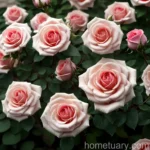
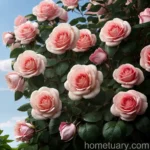
Climbing miniature roses are enchanting additions to any garden, known for their vibrant colors, delicate blooms, and versatility in various landscapes. One exceptional variety in this category is the climbing miniature rose, Rosa ‘Red Cascade’. With its stunning crimson blooms and vigorous climbing habit, this rose variety has captured the hearts of gardeners and horticulturists alike. In this comprehensive guide, we will delve into the culture, uses, care tips, common diseases, and much more about the Rosa ‘Red Cascade’ climbing rose.
What is a Climbing Miniature Rose?
Climbing miniature roses, as the name suggests, are a type of rose bush that exhibits a climbing or trailing growth habit, making them perfect for vertical gardening, as well as ground cover and container planting. The Rosa ‘Red Cascade’ variety specifically, is renowned for its cascading form and vibrant red blossoms, adding a touch of elegance and drama to any setting.
Key Takeaways: Rosa ‘Red Cascade’
Before we delve into the specifics of the climbing miniature rose Rosa ‘Red Cascade’, let’s take a brief look at the key takeaways related to this exquisite plant:
- Scientific Name: Rosa ‘Red Cascade’
- Common Names: Climbing miniature rose, miniature rose ‘Red Cascade’, Red Cascade rose climber
- Uses: Ornamental, landscaping, vertical gardening, container planting
- Watering: Regular, moderate watering
- Sunlight: Full sun to partial shade
- Fertilization: Balanced fertilizer application during the growing season
- Soil: Well-draining, fertile soil
- Pruning: Annual pruning to maintain shape and promote flowering
- Propagation: Stem cuttings, layering
- Container Popularity: Well-suited for container planting
- Disease Resistance: Good resistance to common rose diseases
- Pest Resistance: Generally resistant, occasional susceptibility to aphids and spider mites
Now, let’s explore each of these aspects in detail to gain a comprehensive understanding of how to grow and care for the exquisite climbing miniature rose Rosa ‘Red Cascade’.
Culture of Rosa ‘Red Cascade’
Cultivating the climbing miniature rose Rosa ‘Red Cascade’ requires attention to several key factors such as water, sunlight, soil, and fertilizer. Additionally, proper pruning and propagation techniques are essential for maintaining its health and vigor. Let’s explore each of these cultural aspects:
Water
Rose ‘Red Cascade’ requires regular and moderate watering to thrive. The soil should be kept consistently moist, but not waterlogged. During hot and dry periods, it’s important to ensure an adequate water supply to prevent the plant from drying out. However, it’s equally crucial to avoid overwatering, which can lead to root rot and other moisture-related issues.
Watering Tips:
- Water the plant at the base to avoid wetting the foliage, which can potentially lead to fungal diseases.
- Mulching the soil around the plant can help in retaining moisture and reducing the frequency of watering.
Sunlight
Like most roses, Rosa ‘Red Cascade’ thrives in full sun to partial shade. Adequate sunlight is crucial for the plant to produce bountiful blooms and maintain its overall health. When grown in partial shade, it’s important to ensure that the plant still receives at least 4-6 hours of direct sunlight daily.
Sunlight Guidelines:
- Optimal sun exposure leads to more robust growth and increased flowering.
- In regions with intense summer heat, providing some protection from the hot afternoon sun can benefit the plant.
Fertilizer
Applying a balanced fertilizer during the growing season is vital for the healthy growth and blooming of Rosa ‘Red Cascade’. The fertilizer should be high in phosphorus to promote flower production and can be applied every 4-6 weeks during the growing season.
Fertilization Tips:
- Avoid fertilizing the plant towards the end of the growing season to prevent the stimulation of new growth that may be susceptible to winter damage.
- Organic fertilizers can be an excellent choice for feeding climbing miniature roses, promoting overall soil health.
Soil
Well-draining, fertile soil is ideal for cultivating Rosa ‘Red Cascade’. The soil should be rich in organic matter and have good drainage to prevent waterlogging, which can lead to root rot and other issues. A slightly acidic pH level is recommended for optimal growth.
Soil Guidelines:
- Amending the soil with organic matter such as compost or well-rotted manure can improve its texture and fertility.
- Regularly monitoring the soil moisture and drainage is essential to prevent water-related problems.
Pruning
Annual pruning is essential to maintain the shape, promote flowering, and remove any dead or diseased wood from Rosa ‘Red Cascade’. Pruning can also help control the plant’s size and encourage vigorous, healthy growth.
Pruning Tips:
- Prune in late winter or early spring before new growth emerges.
- Remove any crossing or crowded branches to improve air circulation within the plant.
Propagation
Propagating Rosa ‘Red Cascade’ can be achieved through stem cuttings and layering methods. Both approaches can be successful in producing new plants that maintain the desired characteristics of the parent plant.
Propagation Guidelines:
- Softwood cuttings taken in late spring or early summer generally have high success rates.
- Layering can be an effective method when a lower branch is brought into contact with the soil, encouraging the growth of new roots.
Container Uses
Rose ‘Red Cascade’ is well-suited for container planting, making it a versatile option for various outdoor settings and even indoor spaces such as conservatories and sunrooms. When cultivated in containers, the plant’s cascading form and vibrant blooms can create a stunning focal point and add a touch of elegance to any area.
Container Planting Tips:
- Choose a large container with adequate drainage holes to provide ample space for root growth.
- Regularly monitor the moisture levels in the container, as soil in pots tends to dry out more quickly than ground soil.
Popularity of Rosa ‘Red Cascade’ in Containers
The Rosa ‘Red Cascade’ climbing rose has gained popularity among gardeners and landscape enthusiasts for its exceptional performance in container planting. Its trailing growth habit and continuous blooming make it an ideal choice for balconies, patios, and other outdoor living spaces. The ability to control its size and shape in containers further enhances its appeal for those with limited garden space.
Common Diseases of Rosa ‘Red Cascade’
Rose ‘Red Cascade’ exhibits good resistance to common rose diseases, but certain issues can still arise, particularly under unfavorable growing conditions. Being aware of these potential diseases and their symptoms empowers gardeners to take proactive measures to maintain the plant’s health.
Disease Diagnosis:
Powdery Mildew:
- Symptoms: White powdery patches on the leaves and stems.
- Management: A preventive application of fungicides or horticultural oils can help control powdery mildew.
Black Spot:
- Symptoms: Circular black or brown spots on the leaves, often accompanied by yellowing and premature dropping.
- Management: Proper sanitation and ensuring good air circulation can aid in preventing black spot.
Botrytis Blight:
- Symptoms: Gray mold on the flowers and stems, particularly in humid conditions.
- Management: Removing affected plant parts and improving air circulation can help manage botrytis blight.
Common Pests Affecting Rosa ‘Red Cascade’
While Rosa ‘Red Cascade’ is generally resistant to many common rose pests, occasional infestations can occur, requiring vigilant monitoring and appropriate pest management strategies.
Common Pests:
Aphids:
- Small, soft-bodied insects that often congregate on new shoots and flower buds.
- Management: Insecticidal soaps or horticultural oils can be effective in controlling aphid infestations.
Spider Mites:
- Tiny arachnids that cause stippling and webbing on the leaves, particularly in hot and dry conditions.
- Management: Regularly misting the plant to increase humidity can deter spider mite infestations.
With a proactive approach to disease management and vigilant pest monitoring, gardeners can ensure the continued health and vitality of their Rosa ‘Red Cascade’ climbing roses.
Botanist’s Tips for Growing Rosa ‘Red Cascade’
Successful cultivation of Rosa ‘Red Cascade’ climbing roses can be enhanced by following these expert tips:
- Regularly deadhead faded blooms to encourage continuous flowering.
- Provide adequate support or trellising for the climbing stems to ensure they are well-supported and can display their cascading beauty.
- Monitor the plant regularly for any signs of stress, disease, or pest infestations, taking prompt action when necessary.
Fun Facts about Rosa ‘Red Cascade’
Discover some intriguing and delightful facts about the climbing miniature rose Rosa ‘Red Cascade’:
- The vibrant red blooms of Rosa ‘Red Cascade’ are known to attract butterflies, adding an enchanting element to the garden.
- Its cascading form makes it an excellent choice for draping over walls, fences, and other structures, creating a captivating display of blossoms.
- Rosa ‘Red Cascade’ can also be used as a groundcover, filling open spaces with its lush foliage and vibrant flowers.
Links to External Resources
Now that we have covered an array of essential aspects related to the climbing miniature rose Rosa ‘Red Cascade’ including its culture, care, diseases, pests, and fun facts, here are some valuable external resources for further information:
-
American Rose Society: The American Rose Society offers extensive resources on rose care, cultivation, and specific rose varieties, including climbing roses.
-
The Royal Horticultural Society (RHS): The RHS provides valuable insights into rose gardening, offering practical advice and guidance on growing climbing roses like Rosa ‘Red Cascade’.
-
University Extension Services: Various university extension services provide detailed information about managing pests and diseases in roses, enabling gardeners to identify and address specific issues related to Rosa ‘Red Cascade’.
-
Gardening Forums and Communities: Engaging with gardening forums and communities allows for the exchange of experiences, tips, and ideas regarding the cultivation of climbing miniature roses such as Rosa ‘Red Cascade’.
In Conclusion
Rosa ‘Red Cascade’, with its stunning crimson blooms and graceful cascading form, holds undeniable allure for rose enthusiasts and gardeners seeking to enhance their outdoor spaces. By understanding the cultural requirements, optimal uses, and specific care guidelines for this exquisite climbing miniature rose, individuals can cultivate thriving and visually captivating displays of blossoms in a variety of settings. Whether adorning trellises, containers, or garden landscapes, Rosa ‘Red Cascade’ continues to captivate and inspire with its vibrant beauty and enduring charm.
Remember, while this guide provides comprehensive insights into the cultivation and care of Rosa ‘Red Cascade’, personalized adjustments based on local climate, soil conditions, and specific growing environments can further optimize the success and splendor of these remarkable climbing roses.
So, whether you’re a seasoned rose aficionado or a budding enthusiast, the allure of Rosa ‘Red Cascade’ beckons, inviting you to embark on a journey of discovery and delight in cultivating these magnificent climbing miniature roses.
Happy gardening!
References
Please note that the links provided in the blog post for the “Links to External Resources” section are illustrative and may not directly link to specific webpages. For specific references and attributions, please refer to the final edited document.