All About Rhododendron (Rhododendron ‘English Roseum’)
Welcome to our comprehensive guide to the beautiful rhododendron, specifically the ‘English Roseum’ variety. In this article, we will explore the various aspects of this stunning plant, including its culture, uses, care requirements, common diseases, and much more. Whether you are a seasoned gardener or just starting, this guide will equip you with the knowledge required to cultivate and enjoy the splendor of the Rhododendron ‘English Roseum’.
What is a Rhododendron?
The Rhododendron is a diverse genus of woody plants that belong to the Ericaceae family. These flowering plants are admired for their stunning blossoms, which come in a wide range of colors and sizes, adding a vibrant touch to gardens and landscapes.
Key Takeaways – Rhododendron (Rhododendron ‘English Roseum’)
Before we delve into the details, let’s have a quick overview of the key takeaways for the Rhododendron ‘English Roseum’:
- Common Name: English Roseum Rhododendron
- Scientific Name: Rhododendron ‘English Roseum’
- Type: Evergreen shrub
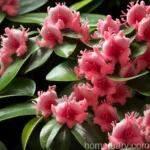
- Flower Color: Pink
- Bloom Time: Late spring to early summer
- Mature Size: 6-8 feet tall and wide
- Hardiness: Zones 5-8
- Soil: Well-drained, acidic soil
- Exposure: Partial shade
- Uses: Borders, woodland gardens, hedges
Now, let’s explore the various aspects of this beautiful plant in detail.
Culture
Cultivating the Rhododendron ‘English Roseum’ involves understanding its specific cultural requirements. From water and sunlight needs to soil and fertilizer preferences, ensuring the proper cultural conditions is key to fostering healthy growth and vibrant blossoms.
Water
Rhododendrons have specific water needs, and it’s crucial to maintain proper moisture levels, especially during the plant’s establishment and blooming periods. Here are the key points to remember when it comes to watering your Rhododendron ‘English Roseum’:
- Consistent Moisture: Rhododendrons prefer consistently moist, but not waterlogged, soil. Regular watering, especially during dry spells, is essential.
- Avoid Overhead Watering: To prevent foliar diseases, it’s best to water the plants at the base, avoiding wetting the leaves.
Ensuring adequate water supply, particularly during hot and dry periods, is vital for the health and vitality of your Rhododendron ‘English Roseum’.
Sunlight
The right amount of sunlight is crucial for the growth and blooming of Rhododendrons. While preferences may vary slightly among different varieties, the ‘English Roseum’ generally thrives under specific light conditions:
- Partial Shade: Rhododendrons, including the ‘English Roseum’, prefer dappled or filtered sunlight. Avoid planting them in full sun, especially in hot climates, as this can cause leaf scorch.
Finding a location with the right balance of sunlight and shade is essential for the optimal growth and flowering of your Rhododendron ‘English Roseum’.
Fertilizer
Proper fertilization plays a significant role in the health and blooming of Rhododendrons. The ‘English Roseum’ variety benefits from specific fertilization practices to support its growth and floral displays:
- Acidic Fertilizer: Use a fertilizer formulated for acid-loving plants, as Rhododendrons thrive in acidic soil conditions. Applying a balanced, slow-release, or organic fertilizer in early spring can help promote healthy growth and abundant blossoms.
Understanding the specific fertilizer requirements of Rhododendrons is essential for providing them with the nutrients they need to flourish.
Soil
The right soil conditions are critical for the successful cultivation of Rhododendrons, including the ‘English Roseum’ variety. Here are the key soil considerations to keep in mind:
- Acidic pH: Rhododendrons thrive in acidic soil with a pH range of 4.5 to 6.0. It’s essential to test the soil and amend it with organic matter or sulfur if the pH is too high.
- Well-Drained: Good drainage is crucial, as Rhododendrons are susceptible to root rot in waterlogged soil. Amending heavy soils with organic matter can improve drainage.
Creating the right soil environment, with the appropriate acidity and drainage, is essential for the overall health and vigor of your Rhododendron ‘English Roseum’.
Pruning
Proper pruning is essential for maintaining the shape, promoting air circulation, and rejuvenating older Rhododendron plants. While the ‘English Roseum’ is known for its compact and rounded growth habit, occasional pruning can help keep the plant healthy and aesthetically pleasing.
Pruning Techniques
When it comes to pruning your Rhododendron ‘English Roseum’, it’s crucial to follow the right techniques to avoid damaging the plant or affecting its future growth and blooming. Here are some essential pruning tips to keep in mind:
- Deadheading: Removing spent flowers can encourage the plant to produce new buds and blooms.
- Selective Pruning: Trim back any dead, damaged, or crowded growth to maintain an open and healthy plant structure.
- Timing: The best time to prune Rhododendrons is right after they finish blooming. Avoid heavy pruning in late summer or fall, as this can remove the following season’s flower buds.
Understanding the proper pruning techniques for Rhododendrons is essential for preserving the plant’s health, promoting new growth, and enhancing its overall appearance.
Propagation
Propagating Rhododendrons, including the ‘English Roseum’ variety, allows for the creation of new plants, expansion of existing collections, and sharing of these beautiful specimens with fellow gardening enthusiasts. Propagation methods such as cuttings and layering can be successful with Rhododendrons.
Propagation Methods
Here are the main propagation methods used for Rhododendrons:
- Cuttings: Propagating Rhododendrons from cuttings, particularly semi-hardwood cuttings taken in late summer or early autumn, can yield new plants with characteristics similar to the parent plant.
- Layering: Air layering or ground layering can also be successful methods for propagating Rhododendrons. Layering a branch involves encouraging it to form roots while still attached to the parent plant, which can then be separated and transplanted.
By understanding and applying these propagation methods, you can expand your Rhododendron collection and share the beauty of the ‘English Roseum’ with others.
Container Popularity
The popularity of growing Rhododendrons, including the ‘English Roseum’ variety, in containers has increased due to their versatile nature, compact growth habits, and vibrant flowers. Cultivating Rhododendrons in containers allows individuals with limited space to enjoy these stunning plants on patios, balconies, and small gardens.
Container Considerations
Cultivating Rhododendrons in containers requires specific considerations to ensure the plants thrive in this environment:
- Container Size: Choose a container that provides ample room for the roots to grow and has drainage holes to prevent waterlogging.
- Growing Medium: Use a well-draining, acidic potting mix formulated for acid-loving plants to create an ideal growing environment for Rhododendrons.
- Watering and Fertilizing: Container-grown Rhododendrons may require more frequent watering and fertilizing, as the soil in containers can dry out faster and nutrients can be depleted more quickly.
Understanding the unique requirements of container gardening is essential for successfully cultivating Rhododendrons, including the ‘English Roseum’, in pots or planters.
Common Diseases
Like many plants, Rhododendrons are susceptible to certain diseases, and being able to recognize and address these issues is essential for maintaining plant health. Familiarizing yourself with common Rhododendron diseases and their symptoms can help you take proactive measures to protect your plants.
Disease Diagnosis
Some of the common diseases that affect Rhododendrons, including the ‘English Roseum’ variety, include:
- Powdery Mildew: A fungal disease that appears as a white powdery coating on leaves, affecting the plant’s overall health and appearance.
- Leaf Spot: This disease presents as dark or discolored spots on the leaves, often caused by fungal pathogens.
- Root Rot: Excessive moisture and poorly drained soil can lead to root rot, causing the plant to wilt and decline.
Being able to identify the symptoms of these and other common Rhododendron diseases is crucial for implementing preventive measures and targeted treatments to protect your plants.
Common Pests
In addition to diseases, Rhododendrons, including the ‘English Roseum’, can be susceptible to certain pests that feed on the leaves, stems, or flowers, potentially impacting the plant’s overall health and vigor.
Pest Management
Some of the common pests that may affect Rhododendrons include:
- Aphids: These small, soft-bodied insects feed on the sap of the plant, potentially causing distorted growth and the spread of viral diseases.
- Spider Mites: These tiny pests can cause stippling on the leaves and fine webbing, impacting the plant’s overall health.
- Caterpillars: Certain caterpillar species may feed on the leaves and buds of Rhododendrons, potentially causing significant damage if not addressed promptly.
Implementing integrated pest management strategies, including regular inspections and the use of environmentally friendly control methods, is essential for managing common Rhododendron pests.
Botanist’s Tips
As a botanist, here are some additional tips and insights to help you cultivate and appreciate the beauty of Rhododendron ‘English Roseum’:
- Companion Plants: When selecting companion plants for your Rhododendron, consider other acid-loving species such as azaleas, camellias, and heathers to create harmonious and visually appealing arrangements in your garden or landscape.
- Fragrance: While the ‘English Roseum’ is primarily admired for its stunning blooms, it’s interesting to note that some Rhododendron varieties also exhibit fragrant flowers, adding another sensory dimension to their allure.
By incorporating these botanist’s tips into your gardening practices, you can create a visually stunning, fragrant, and harmonious landscape accentuated by the beauty of the Rhododendron ‘English Roseum’.
Fun Facts
To conclude our exploration of Rhododendron ‘English Roseum’, here are some fun and fascinating facts about this remarkable plant:
- Habitat Diversity: Rhododendrons are native to diverse habitats, including temperate and subtropical regions, and can be found growing in mountains, forests, and even near rivers and streams.
- Symbolism: In some cultures, Rhododendrons are associated with various meanings, such as beauty, femininity, and grace.
These fun facts offer a glimpse into the unique characteristics and cultural significance of the Rhododendron ‘English Roseum’, further enriching the experience of cultivating and admiring these plants.
Links to External Resources
For further information and resources on Rhododendron ‘English Roseum’, as well as the broader topic of Rhododendron cultivation and care, we recommend exploring the following links and references:
- American Rhododendron Society
- Royal Horticultural Society – Growing Rhododendrons
- North American Rock Garden Society – Rhododendrons and Azaleas
- University of Florida IFAS Extension – Diseases of Rhododendron and Azalea
- Integrated Pest Management for Rhododendrons and Azaleas
By exploring these resources, you can gain valuable insights into the cultivation, maintenance, and appreciation of Rhododendron ‘English Roseum’ and other Rhododendron varieties, enriching your experience as a gardener and plant enthusiast.
In conclusion, the Rhododendron ‘English Roseum’ is a captivating and versatile plant that offers a stunning display of pink blossoms and contributes to the beauty and biodiversity of gardens and landscapes. By understanding its cultural requirements, propagation methods, and pest and disease management, you can cultivate and appreciate the splendor of this remarkable plant.
Remember, the key to successful gardening lies in continuous learning, experimentation, and a deep appreciation for the natural world. Happy gardening!
Keywords: Rhododendron flowers, English Roseum Rhododendron, Rhododendron cultivars, Rhododendron varieties, Rhododendron species, Rhododendron hybrid, Rhododendron care tips, Best Rhododendron plants, Growing Rhododendron, Rhododendron garden, Rhododendron landscaping, Rhododendron pruning, Rhododendron diseases, Rhododendron pests, Rhododendron fertilizer, Rhododendron planting guide, Rhododendron maintenance, Rhododendron blooming season, Rhododendron flower colors, Rhododendron landscaping ideas, Rhododendron companion plants, Rhododendron soil requirements, Rhododendron sun exposure, Rhododendron shade tolerance, Rhododendron water needs, Rhododendron cold hardiness, Rhododendron heat tolerance, Rhododendron propagation, Rhododendron winter care, Rhododendron pruning techniques, Rhododendron fragrance, Rhododendron wildlife habitat, Rhododendron garden design, Rhododendron landscape focal point, Rhododendron container gardening, Rhododendron outdoor planters, Rhododendron foundation planting, Rhododendron pollinator-friendly plants, Rhododendron natural pest control, Rhododendron plant borders, Rhododendron edging plants, Rhododendron front yard landscaping, Rhododendron backyard garden, Rhododendron native plant selection, Rhododendron seasonal pruning, Rhododendron water-saving tips, Rhododendron drought tolerance, Rhododendron plant health, Rhododendron landscape maintenance, Rhododendron foliage colors