Rhododendron ‘Cherry Cheesecake’: A Beautiful Addition to Your Garden
Rhododendrons are a beloved genus of woody plants known for their stunning flowers and evergreen foliage. Among the many rhododendron cultivars, the ‘Cherry Cheesecake’ stands out for its vibrant blooms and unique characteristics. In this comprehensive guide, we will explore everything you need to know about this exquisite plant, from its cultivation and care to its uses, diseases, and pests.
What is a Rhododendron ‘Cherry Cheesecake’?
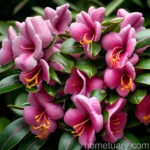
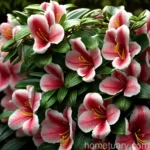
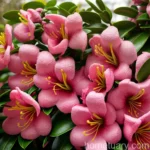
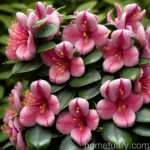
The Rhododendron ‘Cherry Cheesecake’ is a hybrid rhododendron known for its showy clusters of large, fragrant, pink flowers with a striking red blotch. This cultivar is a part of the Hachmann’s Nursery’s “Fantastica” series, developed by the renowned German breeder Hans Hachmann. The ‘Cherry Cheesecake’ rhododendron is cherished for its compact growth habit, making it ideal for smaller gardens and container cultivation.
The plant’s glossy, dark green foliage serves as an attractive backdrop to its vibrant blooms, adding to its ornamental appeal. With proper care, this rhododendron can thrive and contribute to the beauty of your landscape for years to come.
Key Takeaways – Rhododendron (Rhododendron ‘Cherry Cheesecake’)
Before we delve into the specifics of caring for the ‘Cherry Cheesecake’ rhododendron, let’s highlight the key takeaways for quick reference:
- Scientific Name: Rhododendron ‘Cherry Cheesecake’
- Plant Type: Evergreen shrub
- Bloom Time: Spring
- Bloom Color: Pink with red blotch
- Mature Size: 4-5 feet tall and wide
- Growth Rate: Moderate
- Hardiness Zone: 6-8
- Best Uses: Borders, containers, woodland gardens
- Special Features: Fragrant flowers, compact growth habit
Now, let’s explore the essential aspects of cultivating and caring for this delightful rhododendron.
Culture of Rhododendron ‘Cherry Cheesecake’
Cultivating ‘Cherry Cheesecake’ rhododendrons requires a good understanding of their cultural needs, including water, sunlight, fertilizer, soil, and pruning requirements. Let’s explore each of these aspects in detail.
Uses of Rhododendron ‘Cherry Cheesecake’
The ‘Cherry Cheesecake’ rhododendron can be utilized in various ways to enhance the beauty of your garden. Here are some common uses of this stunning plant:
- Borders and Edging: Plant ‘Cherry Cheesecake’ rhododendrons along borders and pathways to create a colorful and fragrant boundary.
- Containers: The compact size of this cultivar makes it perfect for container gardening, allowing you to enjoy its beauty on patios, decks, and balconies.
- Woodland Gardens: Integrate ‘Cherry Cheesecake’ rhododendrons into woodland garden settings for a touch of elegance and vibrant color.
- Landscape Focal Point: Use this rhododendron as a focal point in your landscape design, perhaps as a centerpiece in a mixed perennial border or a standalone specimen.
Understanding the various uses of this plant can help you envision how to incorporate it into your outdoor space effectively.
Watering Requirements for Rhododendron ‘Cherry Cheesecake’
Proper watering is crucial for the health and vitality of ‘Cherry Cheesecake’ rhododendrons. These plants have specific moisture needs that should be taken into account to ensure their well-being. Here are some guidelines for watering this cultivar:
- Consistent Moisture: Rhododendrons, including the ‘Cherry Cheesecake’ variety, prefer consistently moist, well-drained soil. During dry periods, monitor the soil moisture and water as needed to keep the root zone consistently moist but not waterlogged.
- Mulching: Apply a layer of organic mulch around the base of the plant to help retain soil moisture and regulate soil temperature. Mulching also contributes to the overall health of the plant and reduces water stress.
Adhering to these watering practices will help promote healthy growth and vibrant flowering in your ‘Cherry Cheesecake’ rhododendron.
Sunlight Requirements for Rhododendron ‘Cherry Cheesecake’
Proper sunlight exposure is essential for the ‘Cherry Cheesecake’ rhododendron to thrive and produce an abundance of blooms. Here’s what you need to know about providing adequate sunlight for this cultivar:
- Filtered Shade: While rhododendrons generally prefer dappled sunlight or partial shade, the ‘Cherry Cheesecake’ variety specifically benefits from protection against intense afternoon sun.
- Morning Sun: Planting this rhododendron in a location that receives morning sun and afternoon shade is ideal for ensuring vigorous growth and prolific blooming.
Understanding the sunlight preferences of ‘Cherry Cheesecake’ rhododendrons will contribute to the plant’s overall health and performance in your garden.
Fertilizing Rhododendron ‘Cherry Cheesecake’
Fertilization is an important aspect of caring for ‘Cherry Cheesecake’ rhododendrons, as it provides the necessary nutrients for robust growth and abundant flowering. Here are some fertilizing guidelines to consider:
- Acidic Fertilizer: Rhododendrons thrive in acidic soil conditions. Therefore, it is essential to use a specialized acidic fertilizer formulated for acid-loving plants.
- Application Timing: Apply fertilizer in early spring before new growth begins. You can also consider a light application in late summer to support the plant’s overall health.
By providing the appropriate fertilization, you can enhance the beauty of the ‘Cherry Cheesecake’ rhododendron and support its long-term vitality.
Soil Requirements for Rhododendron ‘Cherry Cheesecake’
The soil composition and pH level play a significant role in the overall well-being of ‘Cherry Cheesecake’ rhododendrons. Here’s what you need to know about the soil requirements for this cultivar:
- Acidic Soil: Rhododendrons, including the ‘Cherry Cheesecake’ variety, thrive in acidic soil with a pH range of 4.5 to 6.0. It is crucial to provide an acidic growing medium to support optimal growth and flowering.
- Organic Matter: Incorporating organic matter, such as compost or peat moss, into the soil can improve its structure and drainage while also contributing to the acidity preferred by rhododendrons.
By ensuring the presence of acidic, well-drained soil, you can create an environment conducive to the healthy development of your ‘Cherry Cheesecake’ rhododendron.
Pruning Rhododendron ‘Cherry Cheesecake’
Pruning is an essential practice to maintain the shape, vigor, and flowering potential of ‘Cherry Cheesecake’ rhododendrons. Proper pruning techniques can contribute to the plant’s overall health and visual appeal. Here are some guidelines for pruning this cultivar:
- Deadheading: Remove spent flowers to promote a tidy appearance and encourage the development of new buds for the following season’s bloom.
- Selective Pruning: Periodically remove any dead, damaged, or overcrowded branches to maintain an open and well-ventilated structure.
- Timing: The best time to prune ‘Cherry Cheesecake’ rhododendrons is after the flowering period. This allows the plant to set new buds for the following year while ensuring minimal disruption to the blooming cycle.
Adhering to proper pruning practices will help you preserve the graceful form and abundant flowering of your ‘Cherry Cheesecake’ rhododendron.
Propagation of Rhododendron ‘Cherry Cheesecake’
If you wish to propagate additional ‘Cherry Cheesecake’ rhododendron plants, several methods can be employed to achieve successful propagation. Here are some common techniques for propagating this cultivar:
- Softwood Cuttings: Propagate ‘Cherry Cheesecake’ rhododendrons from softwood cuttings taken in late spring to early summer. Use a rooting hormone and provide the appropriate environmental conditions to encourage root development.
- Layering: Air layering is another effective method for propagating rhododendrons. Select a healthy branch, wound a portion of it, and encourage the development of roots at the wounded site.
By mastering the art of rhododendron propagation, you can expand your collection of ‘Cherry Cheesecake’ plants and share their beauty with others.
Container Cultivation of Rhododendron ‘Cherry Cheesecake’
The compact size and ornamental beauty of ‘Cherry Cheesecake’ rhododendrons make them well-suited for container cultivation. Whether you have limited garden space or simply wish to showcase these plants on a patio or balcony, container gardening offers a way to enjoy their charms. Here are some tips for growing ‘Cherry Cheesecake’ rhododendrons in containers:
- Container Selection: Choose a spacious container with adequate drainage holes to accommodate the plant’s root system while ensuring proper moisture management.
- Potting Mix: Use a well-draining, acidic potting mix specifically formulated for acid-loving plants to provide an optimal growing medium for the rhododendron.
- Regular Watering: Container-grown rhododendrons may require more frequent watering, especially during the warmer months, to maintain consistent moisture levels.
By embracing container gardening, you can bring the beauty of ‘Cherry Cheesecake’ rhododendrons to various outdoor settings, adding vibrancy and elegance to your surroundings.
Popularity of Rhododendron ‘Cherry Cheesecake’
The ‘Cherry Cheesecake’ rhododendron has gained popularity among gardeners and plant enthusiasts for its captivating blooms, compact growth habit, and versatility in various garden settings. As more individuals seek out ornamental plants that offer both beauty and manageable size, cultivars like ‘Cherry Cheesecake’ continue to be in high demand.
The visual appeal and charming attributes of this rhododendron make it a sought-after addition to landscapes, gardens, and container displays, further contributing to its popularity.
Common Diseases of Rhododendron ‘Cherry Cheesecake’
While ‘Cherry Cheesecake’ rhododendrons are generally robust plants, they can be susceptible to certain diseases, especially when growing conditions are unfavorable. Understanding and identifying common diseases is crucial for implementing timely interventions and preserving the health of your rhododendron. Here are some common diseases that may affect ‘Cherry Cheesecake’ rhododendrons:
- Powdery Mildew: This fungal disease can manifest as a white, powdery coating on the leaves, typically in conditions of high humidity and inadequate air circulation.
- Petiole Blight: Petiole blight can cause dark lesions on the petioles of the leaves, potentially leading to defoliation and compromised plant vigor.
- Leaf Spot: Leaf spot diseases can result in the formation of dark or discolored spots on the foliage, affecting the overall appearance of the plant.
Monitoring the health of your ‘Cherry Cheesecake’ rhododendrons and implementing appropriate disease management practices can help mitigate the impact of these common diseases.
Disease Diagnosis and Management for Rhododendron ‘Cherry Cheesecake’
When faced with potential diseases affecting your ‘Cherry Cheesecake’ rhododendron, accurate diagnosis and effective management strategies are essential for safeguarding the plant’s health. Here’s how you can approach disease diagnosis and management for this cultivar:
- Visual Inspection: Regularly inspect the foliage, stems, and overall appearance of the plant for any signs of disease, including abnormal discoloration, lesions, or unusual growth patterns.
- Cultural Practices: Implement cultural practices that promote good air circulation, proper watering, and adequate plant spacing to minimize disease incidence.
- Fungicidal Treatments: In cases of severe or persistent fungal diseases, application of appropriate fungicides may be necessary to control the spread and impact of the disease.
By staying vigilant and proactive in disease management, you can maintain the health and vitality of your ‘Cherry Cheesecake’ rhododendron.
Common Pests Affecting Rhododendron ‘Cherry Cheesecake’
In addition to diseases, ‘Cherry Cheesecake’ rhododendrons may also be targeted by various pests that can compromise their growth and appearance. Understanding the common pests that may affect this cultivar is essential for implementing effective pest management strategies. Some common pests to watch out for include:
- Azalea Lace Bug: These small, winged insects can cause stippling and discoloration of the foliage, impacting the overall health of the rhododendron.
- Spider Mites: Infestations of spider mites can lead to the development of fine webbing on the undersides of leaves and weakening of the plant.
Regular monitoring and prompt action against these common pests can help protect the ‘Cherry Cheesecake’ rhododendron from potential damage.
Botanist’s Tips for Rhododendron ‘Cherry Cheesecake’ Care
As a plant scientist with a passion for rhododendrons, I have several expert tips to share for the successful care and cultivation of ‘Cherry Cheesecake’ rhododendrons:
- Winter Protection: In regions with cold winters, consider providing winter protection, such as burlap screens or anti-desiccant sprays, to shield the plant from harsh weather conditions.
- Pollinator Attraction: The abundant, fragrant blooms of the ‘Cherry Cheesecake’ rhododendron can attract pollinators, contributing to the overall biodiversity and ecological balance of your garden.
By incorporating these botanist’s tips into your care routine, you can elevate the health and beauty of your ‘Cherry Cheesecake’ rhododendron.
Fun Facts about Rhododendron ‘Cherry Cheesecake’
To further captivate your interest in the ‘Cherry Cheesecake’ rhododendron, here are some fun and fascinating facts about this delightful cultivar:
- The name ‘Cherry Cheesecake’ is derived from the striking pink and red blooms that resemble the colors of a delectable cherry dessert.
- The compact growth habit of ‘Cherry Cheesecake’ rhododendrons makes them well-suited for small gardens, urban landscapes, and container displays.
- This cultivar is a result of the meticulous breeding efforts of Hans Hachmann, a renowned German rhododendron breeder known for introducing exceptional varieties.
Discovering these fun facts can deepen your appreciation for the unique characteristics and charm of the ‘Cherry Cheesecake’ rhododendron.
Links to External Resources
For further exploration of rhododendron cultivation, care, and horticultural resources, I recommend the following external links:
- American Rhododendron Society: https://www.rhododendron.org/
- Royal Horticultural Society: https://www.rhs.org.uk/Plants/93368/i-Rhododendron-i-Cherry-Cheesecake/Details
- The Rhododendron Species Foundation and Botanical Garden: https://rhodygarden.org/
These reputable sources offer valuable insights, educational materials, and community support for rhododendron enthusiasts and gardeners alike.
In conclusion, the Rhododendron ‘Cherry Cheesecake’ stands as a delightful and enchanting addition to any garden or landscape. By understanding its cultural needs, uses, and potential challenges, you can cultivate and care for this exquisite rhododendron with confidence and success.
Whether you’re drawn to its captivating blooms, compact form, or versatile applications, the ‘Cherry Cheesecake’ rhododendron is sure to bring joy and beauty to your outdoor spaces for years to come. Embrace the art of rhododendron cultivation, and let the ‘Cherry Cheesecake’ grace your garden with its alluring presence.
This comprehensive guide provides in-depth insights into the cultivation and care of the ‘Cherry Cheesecake’ rhododendron, addressing key aspects such as water, sunlight, fertilizer, soil, pruning, propagation, uses, diseases, pests, and expert tips. The inclusion of fun facts and links to external resources enriches the content and offers valuable reference points for further exploration of rhododendron horticulture.